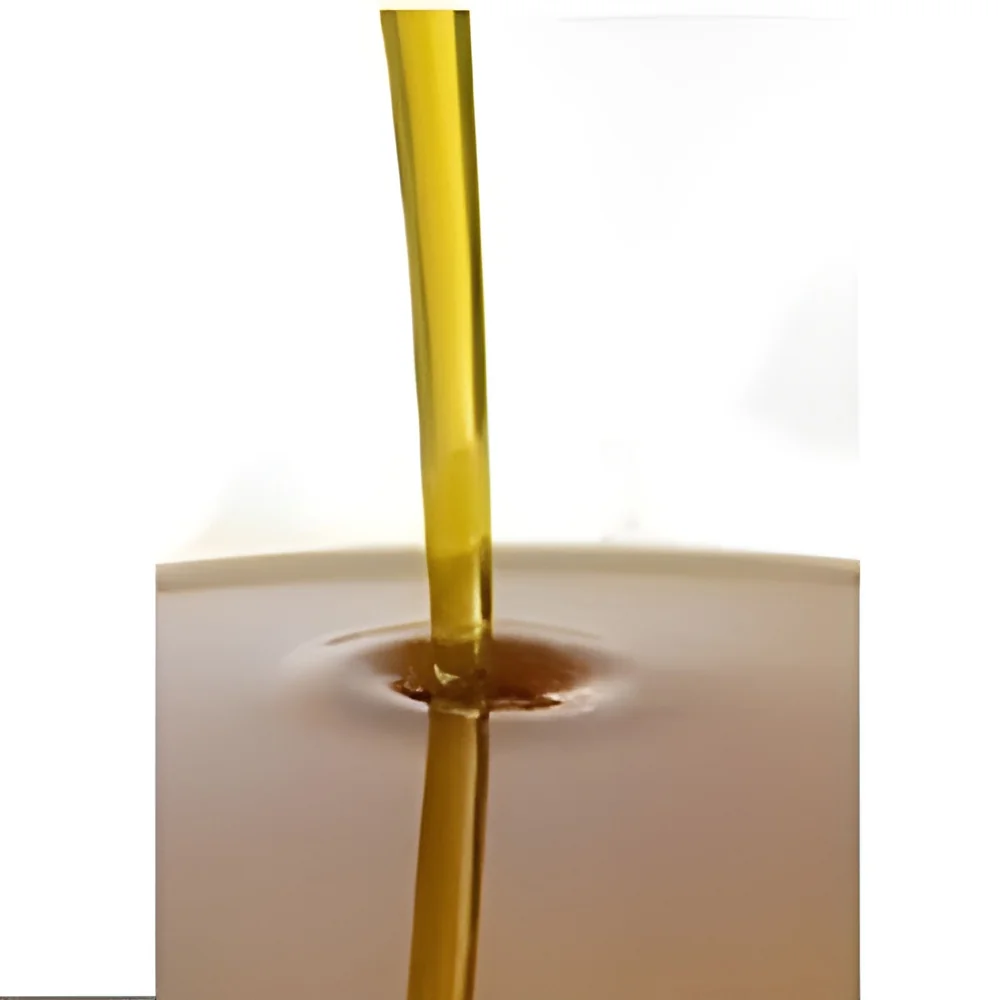
What are Bearing Greases?
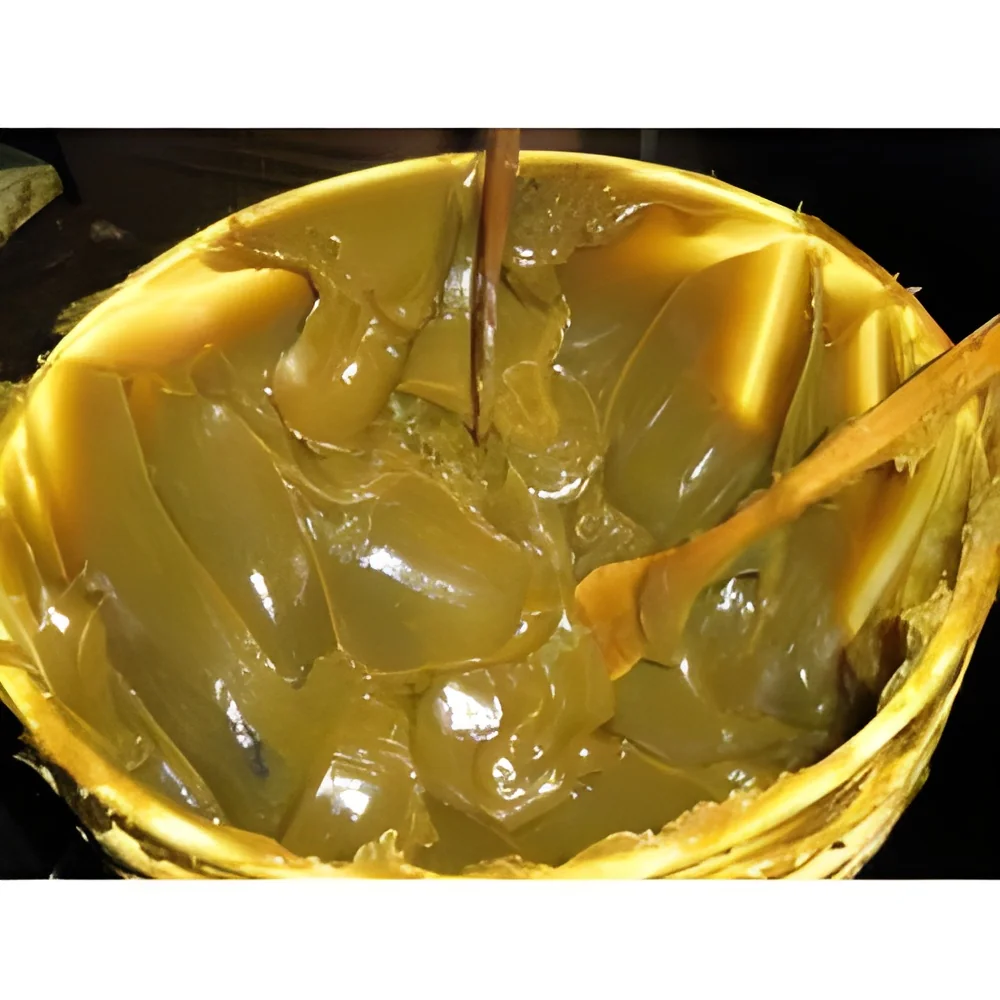
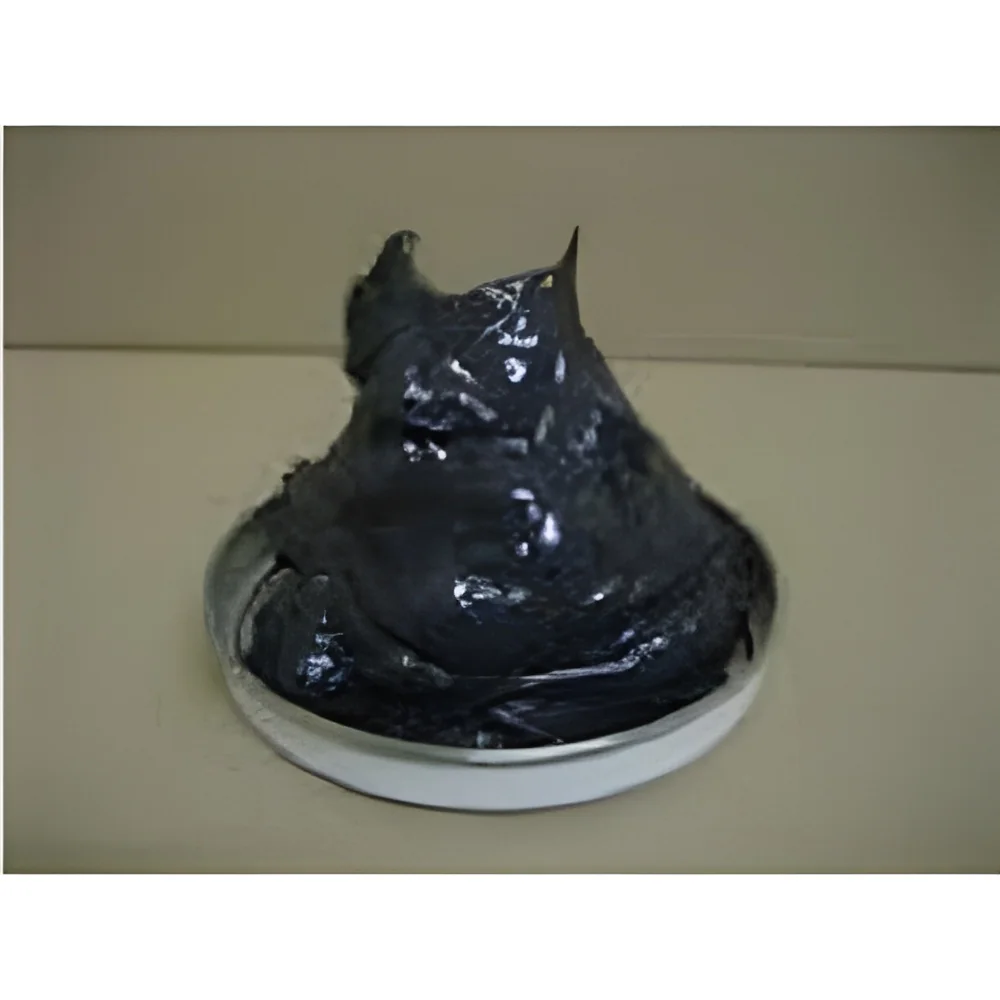
Bearing greases are specialized lubricants designed to reduce friction and wear in various types of bearings. Composed of a base oil thickened with a soap or non-soap thickener, these greases provide excellent lubrication under high pressure and temperature conditions. They are often formulated with additives to enhance their performance, including anti-wear agents, rust inhibitors, and oxidation stabilizers.
Bearing greases find extensive applications in many industrial sectors, including manufacturing, automotive, and aerospace. They are critical in ensuring the smooth operation of machinery, prolonging the lifespan of components, and minimizing maintenance costs. By providing a protective barrier against contaminants and moisture, these greases help maintain operational efficiency in diverse environments. The demand for high-quality bearing greases is growing as industries seek to improve productivity and reduce downtime.
Key Features and Specifications
Bearing greases are available in various formulations, each designed for specific performance requirements. Understanding the key features and specifications is essential for selecting the right product for your application.
Key specifications include:
1. NLGI Grade
- Indicates the consistency of the grease
- Common grades range from 000 (very fluid) to 6 (very solid)
2. Base Oil Viscosity
- Refers to the thickness of the base oil
- Typically measured at 40°C, with common values ranging from 100 to 320 cSt
3. Dropping Point
- The temperature at which the grease transitions from a solid to a liquid
- Essential for high-temperature applications, usually exceeding 180°C
4. Oxidation Stability
- Measures a grease's resistance to oxidation over time
- Evaluated using standard tests, with longer life indicating better performance
5. Water Resistance
- Indicates the grease's ability to maintain lubricating properties in the presence of water
- Typically assessed through washout tests, with higher scores reflecting better performance
6. Compatibility
- Refers to the ability of the grease to work with various seal materials and other lubricants
- Important for ensuring optimal performance in mixed environments
7. Anti-wear Properties
- Evaluates the grease's ability to protect surfaces from wear under load
- Usually assessed through specific wear tests, with lower wear rates indicating superior protection
8. Additive Package
- A blend of chemicals included to enhance performance, such as extreme pressure agents and corrosion inhibitors
- The formulation varies depending on the intended application and operating conditions
These specifications help buyers make informed decisions when selecting bearing greases for their specific needs.
Common Applications and Use Cases
Bearing greases are used across numerous industries to ensure the efficient operation of equipment and machinery.
1. Automotive: In vehicles, bearing greases are found in wheel bearings, chassis components, and drive axles, providing essential lubrication and protection against wear.
2. Manufacturing: Industrial machines, such as conveyors, pumps, and motors, rely on bearing greases to maintain performance and minimize downtime caused by maintenance.
3. Aerospace: Aircraft utilize specialized greases in landing gear and control systems, where performance under extreme conditions is crucial for safety and reliability.
4. Agriculture: Tractors and farming equipment benefit from bearing greases that withstand exposure to dust, dirt, and moisture, ensuring longevity and reduced maintenance.
5. Mining: Heavy machinery in mining operations requires robust greases to handle high loads and harsh environments, preventing premature failure of critical components.
6. Marine: Bearing greases used in marine applications must resist saltwater corrosion and provide reliable lubrication in wet conditions, making them essential for boats and ships.
7. Construction: Greases in construction equipment facilitate smooth operation and longevity in demanding environments, such as excavators and bulldozers.
Product Variants and Subcategories
Bearing greases come in a variety of formulations to meet diverse operational needs.
High-Temperature Grease: This variant is designed to withstand extreme heat conditions, making it ideal for applications in automotive and aerospace sectors. Its robust formulation ensures stability and performance in high-thermal environments.
Water-Resistant Grease: Specifically formulated to repel moisture, this type of grease is crucial in applications exposed to wet conditions, such as in marine and agricultural industries. It helps protect against corrosion and wear.
Multi-Purpose Grease: A versatile option suitable for various applications, multi-purpose grease is designed to provide reliable lubrication across different machinery types. It is commonly used in automotive and industrial environments.
Lithium Complex Grease: Known for its high dropping point and excellent water resistance, this grease is ideal for heavy-duty applications, including those in mining and construction.
Benefits and Advantages
Choosing the right bearing grease offers several advantages that can significantly impact operational efficiency.
1. Reduced Friction: Proper lubrication minimizes friction between moving parts, leading to smoother operation and reduced wear on components.
2. Extended Equipment Life: High-quality greases protect against wear and corrosion, helping to extend the lifespan of machinery and reduce replacement costs.
3. Improved Performance: Formulated for specific applications, these greases enhance the performance of machinery under varying conditions, including extreme temperatures and loads.
4. Lower Maintenance Costs: By reducing the frequency of maintenance and repairs, using the right bearing grease can lead to significant cost savings over time.
5. Enhanced Reliability: A reliable lubrication solution ensures that machines operate consistently, minimizing downtime and enhancing productivity.
6. Environmental Protection: Many modern bearing greases are designed to be environmentally friendly, with reduced toxicity and improved biodegradability.
Buying Guide for B2B Buyers
When sourcing bearing greases, it is crucial to consider various factors to ensure the right choice for your needs.
1. Quality Assessment: Look for greases that meet industry standards and specifications. Consider factors such as NLGI grade, dropping point, and additive packages to ensure optimal performance.
2. Supplier Verification: Vet potential suppliers carefully. Check their reputation, product quality, and customer reviews to ensure they can meet your requirements.
3. Pricing and MOQ: Understand the pricing structure and minimum order quantities (MOQ) that suppliers offer. This helps in budgeting and ensures you receive the best value for your investment.
4. Delivery and Lead Times: Evaluate the logistics and delivery schedules provided by suppliers. Timely delivery is critical for maintaining operational efficiency.
5. Compliance Requirements: Ensure the greases meet necessary regulatory standards and industry certifications, such as CE, to guarantee safety and performance in your applications.
Compliance and Certifications
Bearing greases must comply with various quality standards to ensure their performance and safety in industrial applications.
ISO 9001 is a widely recognized standard that outlines quality management principles, ensuring that manufacturers maintain consistent quality in their products. Companies that adhere to this standard demonstrate their commitment to quality assurance and customer satisfaction.
Many bearing greases are also certified under the CE (Conformité Européenne) mark, indicating compliance with European health and safety requirements. This certification is essential for products sold within the European market, ensuring they meet stringent performance criteria.
Safety and testing requirements are critical, particularly for greases used in sensitive applications such as food processing or pharmaceuticals. Manufacturers must conduct rigorous testing to confirm their products meet the necessary safety standards.
Regional compliance considerations may vary, with specific regulations in place depending on the country or region. Buyers should be aware of these requirements to ensure that the products they source are compliant with local laws.
Why Source Bearing Greases from Pepagora?
Pepagora provides a trusted platform for sourcing bearing greases, offering several key advantages to B2B buyers.
Verified Supplier Network: Pepagora works with a network of verified suppliers, ensuring that buyers can access high-quality products from reputable manufacturers. This verification process helps mitigate risks associated with sourcing.
Streamlined RFQ Process: The Request for Quotation (RFQ) system simplifies the procurement process, allowing buyers to obtain competitive pricing and terms from multiple suppliers quickly. This efficiency saves time and resources.
Trade Assurance and Support: Pepagora offers trade assurance to protect buyers, providing an additional layer of confidence in their purchases. This support includes assistance with disputes and transactions, ensuring a smooth sourcing experience.
Regional Coverage: With a strong presence in India, the GCC, and Southeast Asia, Pepagora offers extensive geographic reach. This allows buyers to connect with local suppliers and facilitate efficient logistics and delivery.

 IN
IN