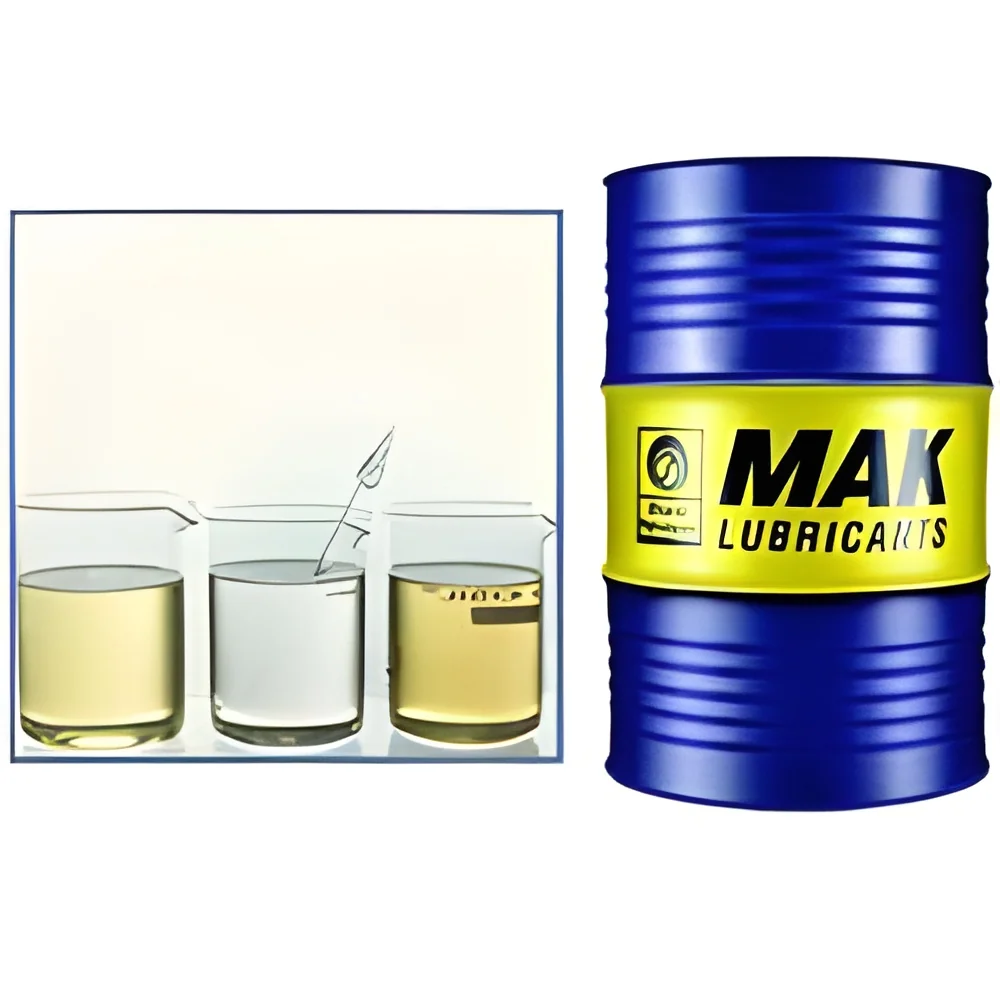
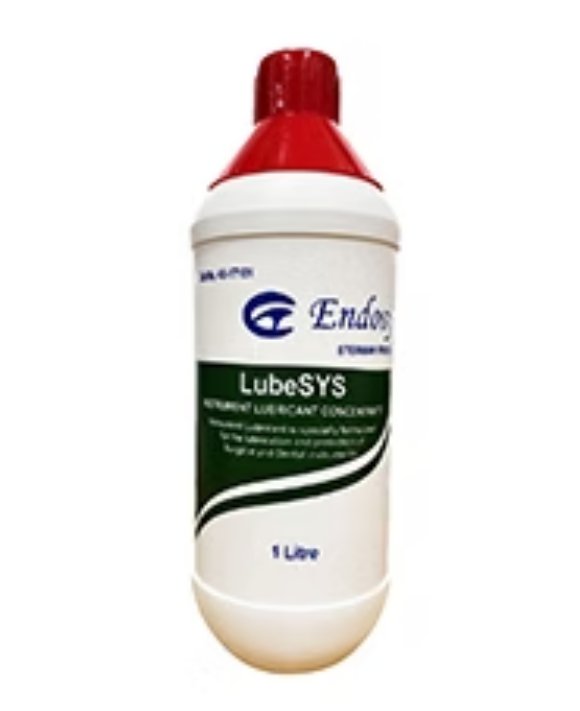
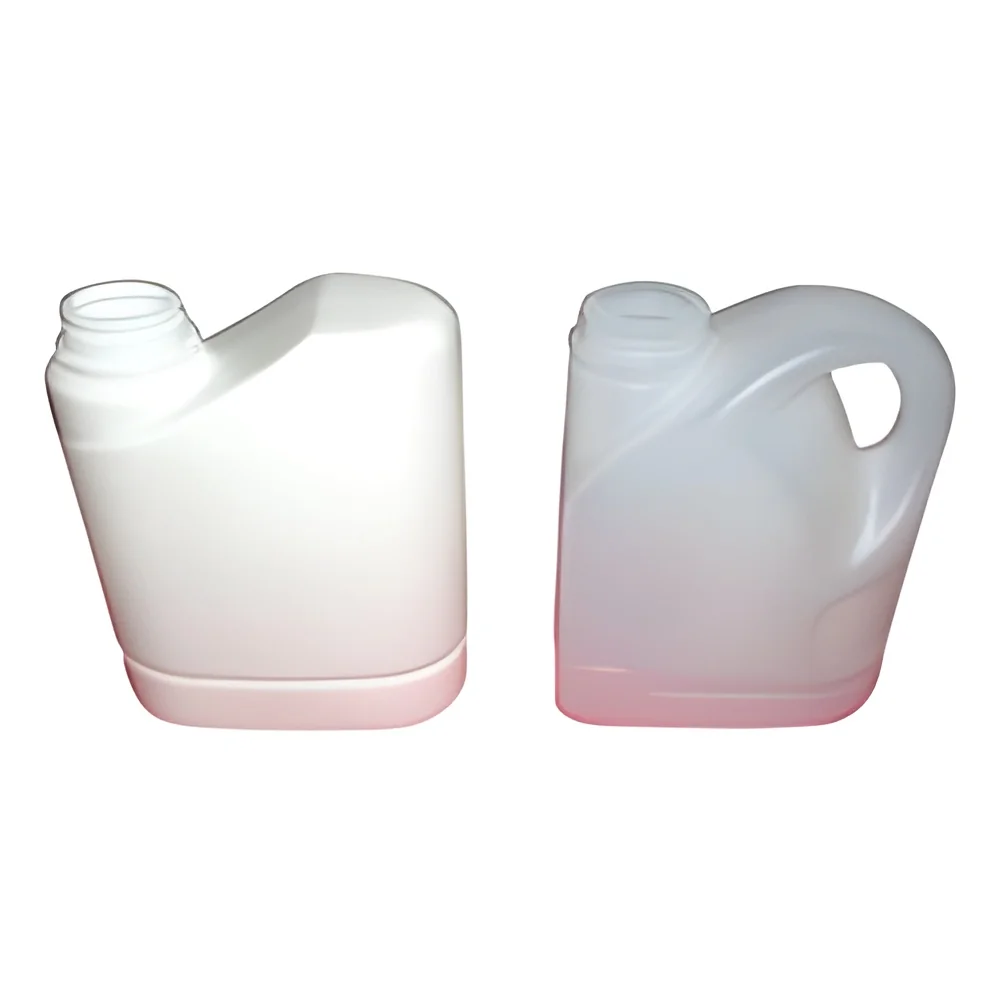
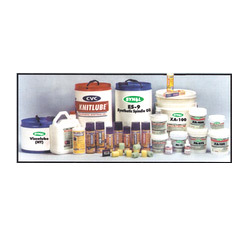
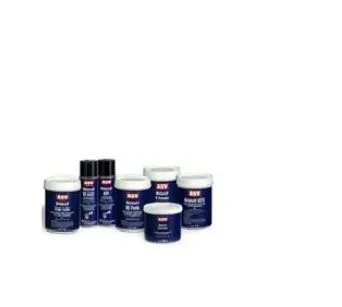
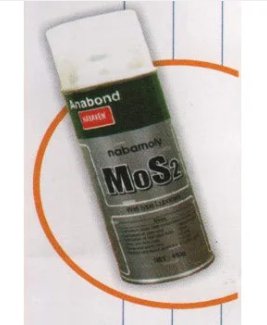
What are Industrial Lubricants?
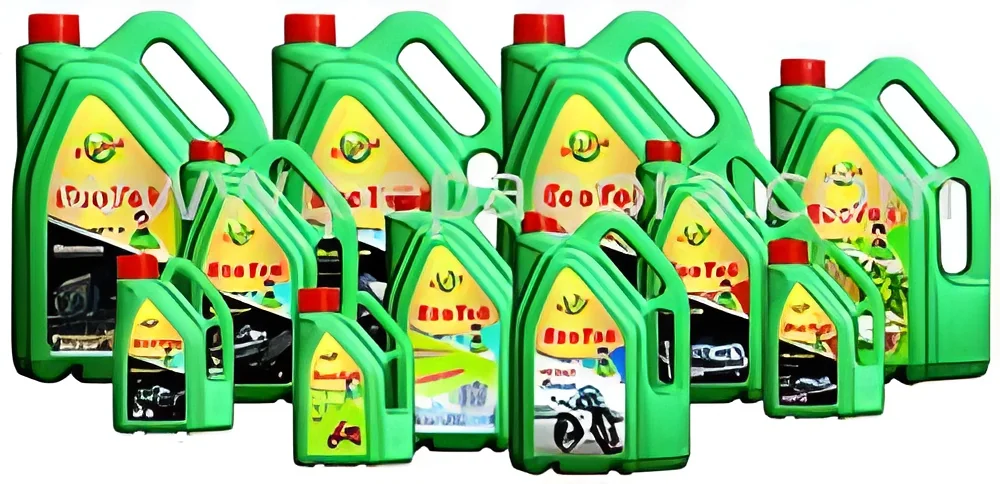
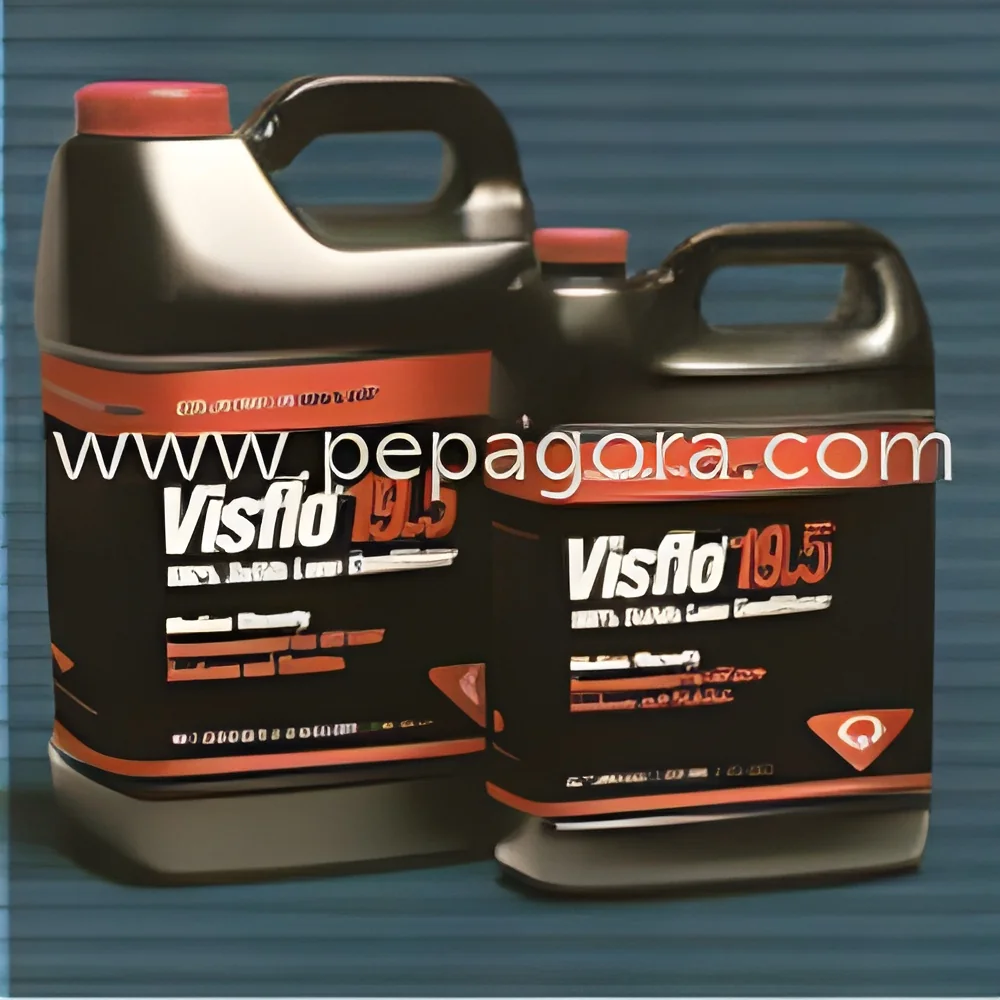
Industrial lubricants are specialized substances used to reduce friction, wear, and heat between moving parts in machinery and equipment. These lubricants play a crucial role in ensuring the smooth operation of various industrial systems, from manufacturing to transportation. They can be derived from mineral oils, synthetic compounds, or bio-based sources, each offering unique properties suited for specific applications.
The primary uses of industrial lubricants include enhancing equipment performance, extending service life, and minimizing downtime due to maintenance. Businesses across multiple sectors, including manufacturing, automotive, and energy, rely on these products to maintain operational efficiency. The relevance of industrial lubricants in today's market is amplified by the increasing complexity of machinery and the demand for higher performance standards. As industries evolve, the need for advanced lubrication solutions that meet stringent regulations and operational demands becomes even more critical.
Key Features and Specifications
Industrial lubricants are characterized by several key features that determine their suitability for different applications. Understanding these specifications helps businesses select the right lubricant for their needs.
Key specifications include:
1. Viscosity Grade
- Indicates the thickness of the lubricant at specific temperatures.
- Typically measured using the Society of Automotive Engineers (SAE) scale.
2. Base Oil Type
- Refers to the primary component of the lubricant, which can be mineral, synthetic, or bio-based.
- Each type offers different performance characteristics and environmental benefits.
3. Additives
- Enhancements added to lubricants for specific properties, such as anti-wear, corrosion resistance, and oxidation stability.
- Common additives include detergents, dispersants, and friction modifiers.
4. Temperature Stability
- The lubricant's ability to maintain performance across a range of temperatures.
- Important for applications involving high heat or extreme cold.
5. Flash Point
- The temperature at which the lubricant can ignite.
- A higher flash point indicates better safety under high-temperature conditions.
6. Pour Point
- The lowest temperature at which the lubricant remains fluid.
- A lower pour point ensures efficient operation in cold environments.
7. Water Resistance
- The ability of the lubricant to repel water or remain effective in wet conditions.
- Essential for applications exposed to moisture or humidity.
8. Compatibility
- The lubricant's ability to work effectively with various materials and components.
- Important for ensuring no adverse chemical reactions occur in mixed systems.
In summary, understanding these specifications helps businesses make informed decisions about which industrial lubricants will best meet their operational requirements.
Common Applications and Use Cases
Industrial lubricants have a wide range of applications across various industries, each requiring specific performance characteristics.
1. Manufacturing: In manufacturing facilities, lubricants are used in machinery such as conveyors, pumps, and CNC machines to reduce wear and improve efficiency.
2. Automotive: In the automotive sector, lubricants are crucial for engine operation, gearbox performance, and brake systems, ensuring longevity and reliability.
3. Energy: In the energy sector, particularly in wind and solar applications, lubricants help maintain equipment performance in harsh environments.
4. Mining: In mining operations, heavy machinery relies on industrial lubricants to minimize wear and extend service life, even under extreme conditions.
5. Food Processing: Food-grade lubricants are necessary in food processing plants to ensure equipment operates smoothly while meeting safety and regulatory standards.
6. Aerospace: In aerospace applications, specialized lubricants are used to cope with high pressures and temperatures, ensuring the reliability of critical components.
7. Marine: Marine industries use lubricants to protect engines and equipment from corrosion and wear caused by saltwater exposure.
Product Variants and Subcategories
Industrial lubricants come in various forms, each designed to address specific needs or applications within different sectors.
Synthetic Lubricants: These lubricants offer superior performance under extreme conditions, including high temperatures and heavy loads. They are often used in applications requiring enhanced stability and protection.
Biodegradable Lubricants: Designed for environmentally sensitive applications, these lubricants decompose naturally and reduce ecological impact while still providing effective lubrication.
High-Performance Greases: These are specially formulated to provide excellent adhesion and resistance to water, making them ideal for heavy machinery and outdoor equipment.
Multi-Purpose Oils: Suitable for a wide range of applications, these oils simplify inventory management and are often used in general maintenance tasks.
Benefits and Advantages
Industrial lubricants provide several advantages that enhance operational efficiency and equipment longevity.
Key benefits include:
1. Reduced Friction: By minimizing friction between moving parts, lubricants help prevent wear and tear, extending the lifespan of machinery.
2. Improved Efficiency: Lubricants enhance the performance of equipment, leading to energy savings and increased productivity.
3. Corrosion Protection: Many lubricants contain additives that protect against rust and corrosion, safeguarding valuable equipment.
4. Temperature Regulation: Effective lubricants help dissipate heat, preventing overheating and maintaining optimal operating conditions.
5. Extended Maintenance Intervals: With the right lubricant, businesses can reduce the frequency of maintenance, saving time and costs.
6. Environmental Compliance: Many industrial lubricants are formulated to meet environmental regulations, contributing to sustainability efforts.
Buying Guide for B2B Buyers
When sourcing industrial lubricants, businesses should consider several critical factors to ensure they select the right products for their needs.
1. Quality Assessment: Evaluate lubricants based on established quality standards and performance metrics to ensure they meet operational requirements.
2. Supplier Verification: Vet suppliers for reliability and reputation in the industry to ensure consistent product quality and availability.
3. Pricing and MOQ: Understand the pricing structure and minimum order quantities to align with budget constraints and operational needs.
4. Delivery and Lead Times: Consider logistics and the typical lead times for delivery to ensure that supply meets demand without interruptions.
5. Compliance Requirements: Be aware of any regulatory requirements and certifications necessary for the lubricants being used in specific applications.
Compliance and Certifications
Industrial lubricants must adhere to various quality and safety standards to ensure they meet industry requirements. Key standards include ISO 9001, which emphasizes quality management systems, and CE certification, which indicates compliance with European safety standards.
Additionally, lubricants may need to meet safety and testing requirements that assess their performance and environmental impact. Businesses should ensure that products comply with relevant regulations in their region, which may vary based on local laws and industry practices.
Why Source Industrial Lubricants from Pepagora?
Pepagora offers a reliable platform for sourcing industrial lubricants, providing several key advantages to businesses seeking quality products.
Verified Supplier Network: Pepagora's extensive network of verified suppliers ensures that buyers have access to high-quality lubricants from reputable manufacturers. This verification process helps mitigate risks associated with sourcing.
Streamlined RFQ Process: The Request for Quotation (RFQ) process at Pepagora simplifies the procurement journey, allowing buyers to request quotes easily and compare options quickly.
Trade Assurance and Support: Pepagora provides trade assurance, ensuring protection for buyers throughout the procurement process. This support fosters confidence in sourcing decisions.
Regional Coverage: With a strong presence in India, the GCC, and Southeast Asia, Pepagora facilitates access to industrial lubricants across diverse markets, catering to the needs of businesses in various industries.
By choosing Pepagora, businesses can ensure they are sourcing industrial lubricants that meet their operational needs while benefiting from a trustworthy and efficient procurement process.

 IN
IN