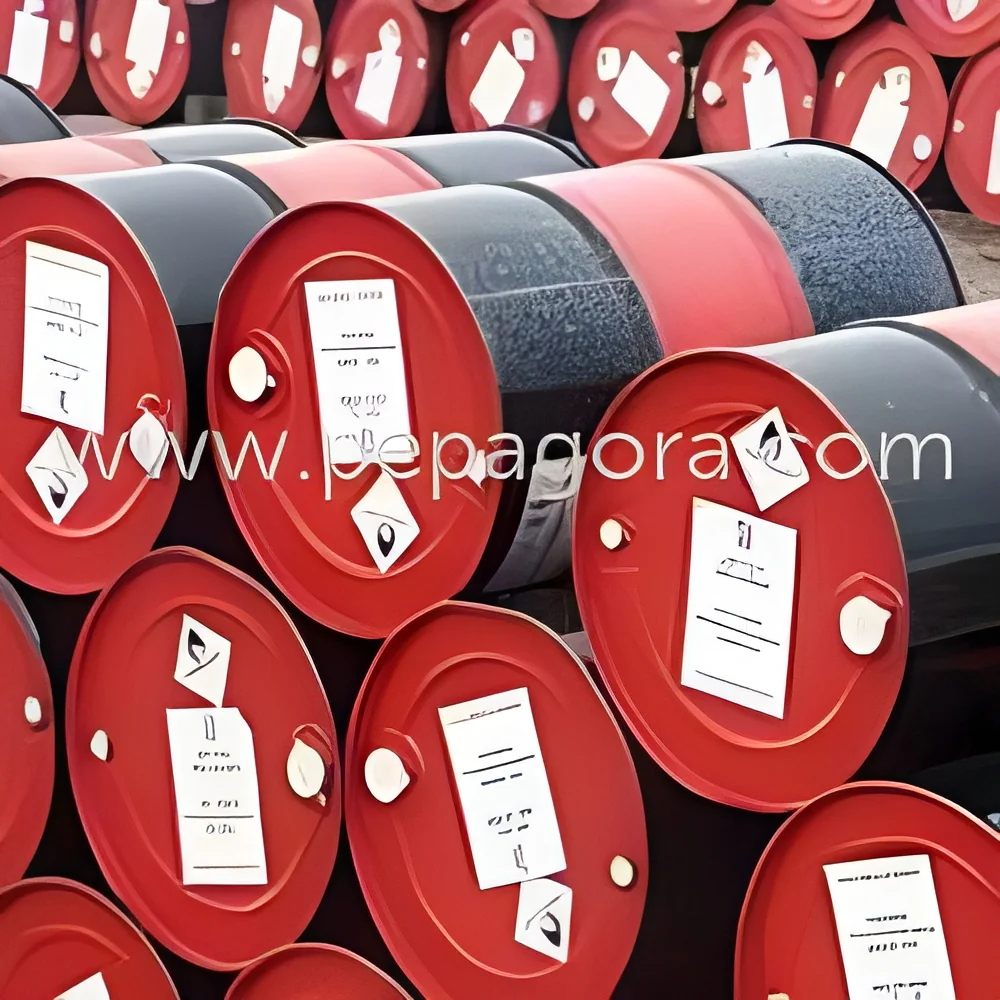
What are Diesel Engine Oils?
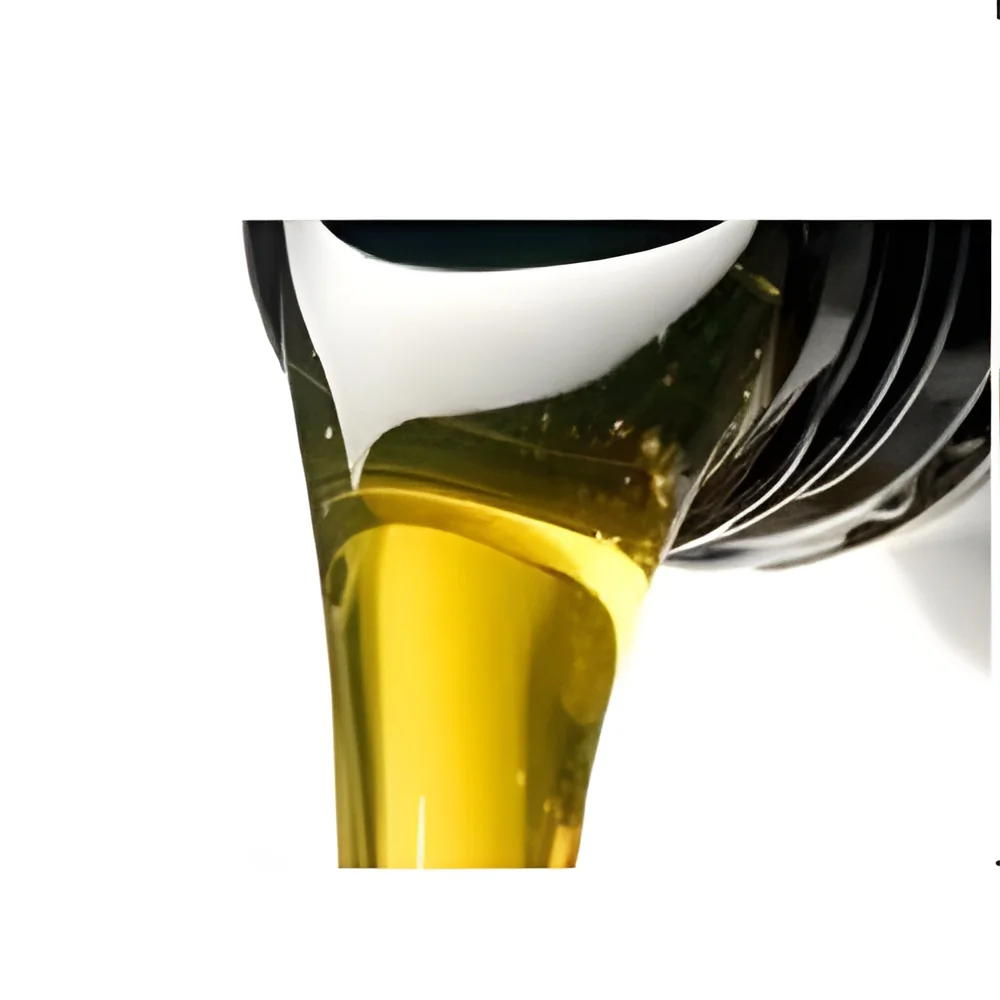
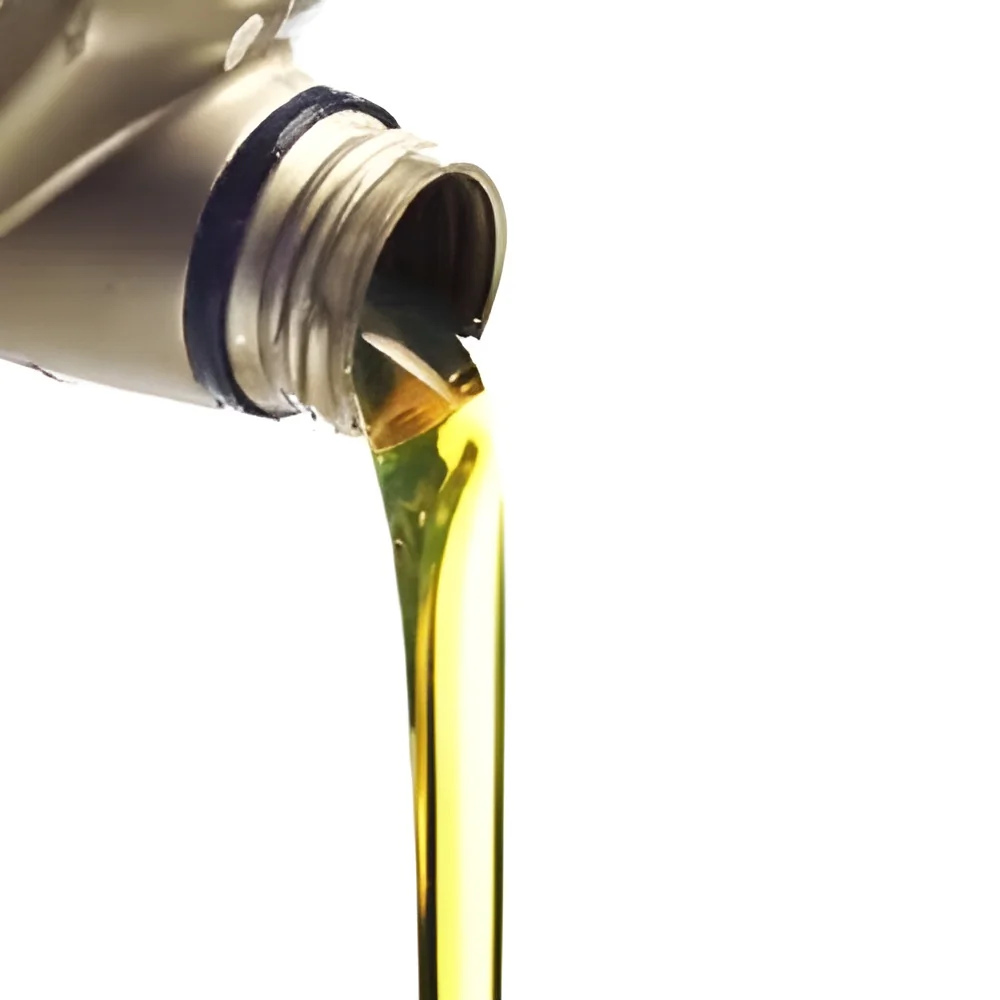
Diesel engine oils are specialized lubricants designed to enhance the performance and longevity of diesel engines. They play a crucial role in reducing friction and wear between engine components, promoting efficient operation. These oils are formulated with a blend of base oils and additives that provide various benefits, including improved lubrication, oxidation stability, and protection against sludge and deposits.
These oils are primarily used in a range of applications, including commercial vehicles, heavy-duty machinery, and industrial equipment. Businesses across sectors such as transportation, construction, and agriculture rely on diesel engine oils to ensure the reliability and efficiency of their engines. In today's competitive market, the demand for high-quality diesel engine oils is significant, as companies seek to maximize vehicle performance while minimizing maintenance costs.
Key Features and Specifications
Diesel engine oils possess several key features and specifications that enhance their performance in demanding environments. Understanding these attributes is essential for businesses looking to select the right product for their needs.
Key specifications include:
1. Viscosity Grade
- Determines the thickness of the oil at various temperatures.
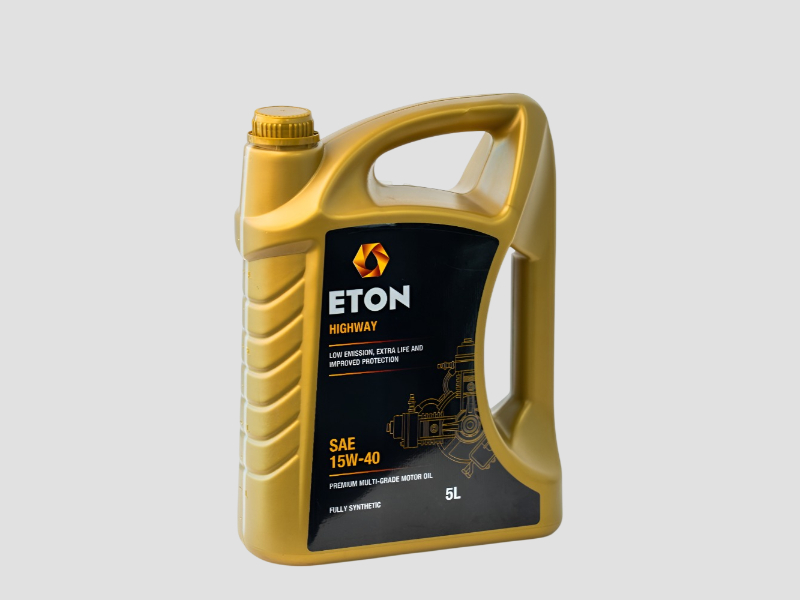
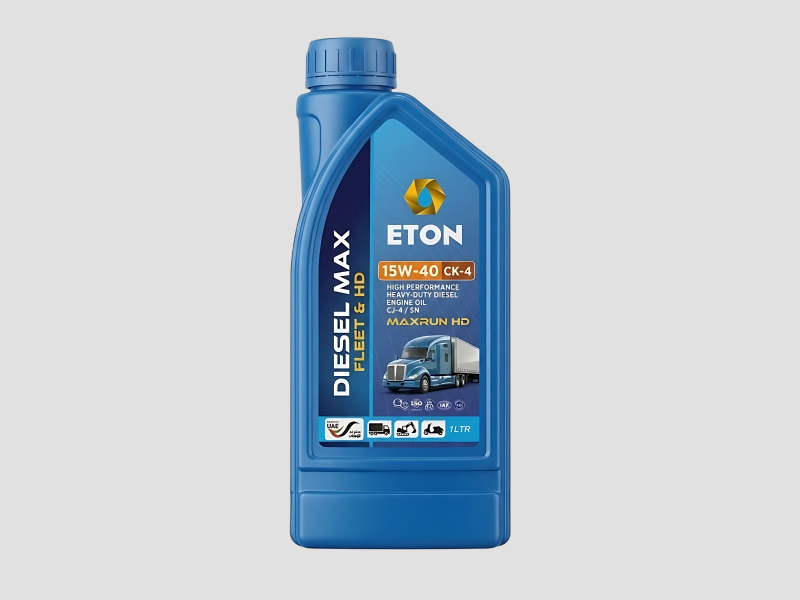
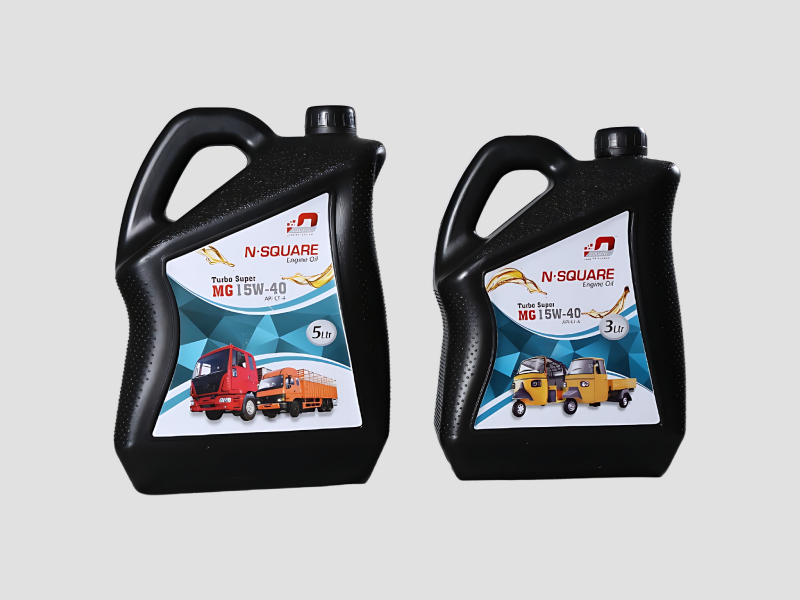
- Common grades include SAE 15W-40 and SAE 10W-30.
2. API Service Categories
- Indicates the oil's performance level and suitability for specific engines.
- Categories such as API CK-4 and API CJ-4 are prevalent.
3. Detergency
- Refers to the oil's ability to keep engine parts clean by preventing deposit formation.
- High-detergency oils are ideal for modern diesel engines with stricter emission standards.
4. Oxidation Stability
- Measures the oil's resistance to degradation at high temperatures.
- Essential for engines operating under heavy loads and high temperatures.
5. Wear Protection
- Indicates the oil's capability to minimize wear on engine components.
- Key for extending engine life and reducing maintenance needs.
6. Low-Temperature Pumping
- Assesses how well the oil flows at low temperatures.
- Critical for cold starts in colder climates.
7. TBN (Total Base Number)
- Reflects the oil's ability to neutralize acids formed during combustion.
- A higher TBN is beneficial for engines using high-sulfur fuels.
8. Foam Resistance
- Evaluates the oil's ability to minimize foam formation during operation.
- Important for ensuring proper lubrication at all times.
In summary, selecting diesel engine oils with the right specifications is vital for optimal engine performance, efficiency, and longevity.
Common Applications and Use Cases
Diesel engine oils are used across various industries, ensuring reliable performance in different operational settings.
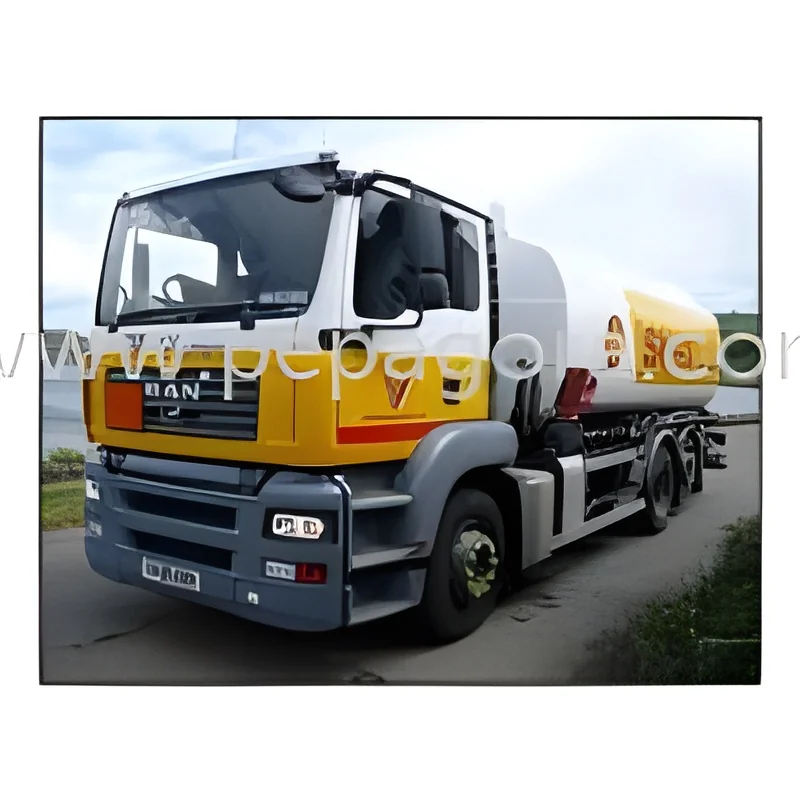
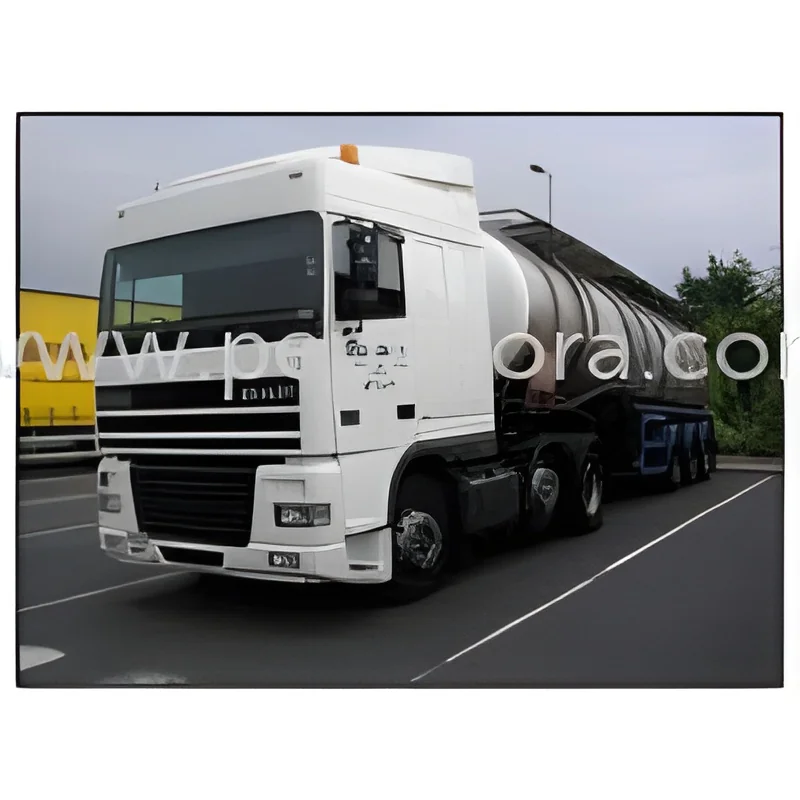
1. Transportation: In the transportation sector, diesel engine oils are essential for maintaining the performance of trucks and buses. They help in reducing engine wear and improving fuel efficiency, which is crucial for long-haul operations.
2. Construction: Heavy machinery used in construction, such as excavators and bulldozers, relies on diesel engine oils for optimal performance. These oils provide necessary lubrication to withstand harsh working conditions and heavy loads.
3. Agriculture: Farming equipment, including tractors and harvesters, utilizes diesel engine oils to enhance engine life and efficiency. These oils help protect against the contaminants often present in agricultural environments.
4. Marine: Diesel engines in boats and ships require specialized oils to ensure reliable operation in marine conditions. These oils offer protection against corrosion and wear, contributing to the longevity of marine engines.
5. Mining: Mining equipment operates under extreme conditions, making high-quality diesel engine oils essential. These oils reduce friction and wear while ensuring performance under heavy loads.
6. Power Generation: Diesel engines used in generators for power generation depend on quality engine oils for consistent performance. Proper lubrication helps in maintaining efficiency and reducing operational costs.
7. Logistics: In logistics and warehousing, diesel engine oils are vital for the smooth operation of forklifts and other diesel-powered vehicles. They help minimize downtime and maintenance costs.
Product Variants and Subcategories
Diesel engine oils come in various formulations to meet the diverse needs of different engines and applications.
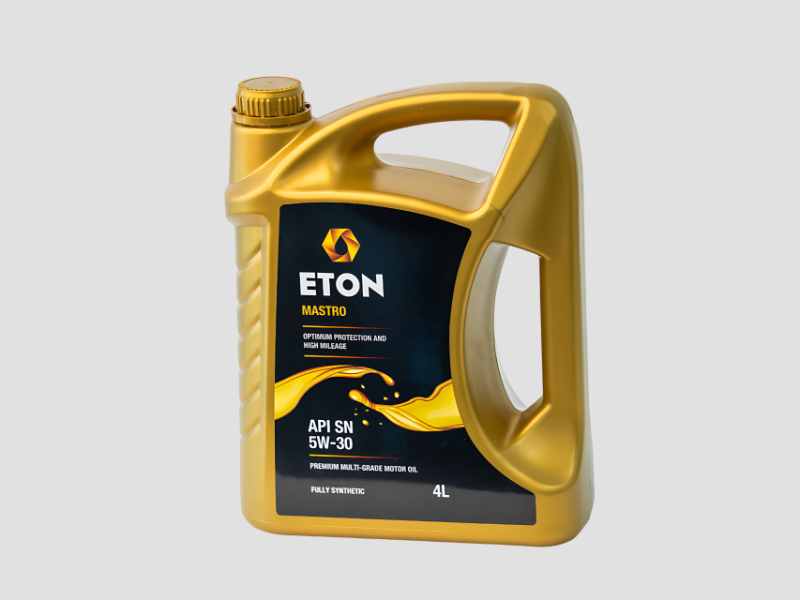
High Mileage Diesel Engine Oil: This variant is specifically designed for vehicles with higher mileage. It contains additives that help reduce oil consumption and engine wear, extending the life of older engines.
Synthetic Diesel Engine Oil: Formulated with synthetic base oils, this variant offers superior performance in extreme conditions. It provides better protection against wear and improved fuel efficiency, making it ideal for modern diesel engines.
Conventional Diesel Engine Oil: This traditional formulation is suitable for various diesel engines. While it may not offer the same level of performance as synthetic oils, it provides adequate protection for standard applications.
Benefits and Advantages
Choosing the right diesel engine oil offers numerous benefits that contribute to operational efficiency.
1. Enhanced Engine Protection: Quality diesel engine oils reduce wear and tear, extending the life of engine components.
2. Improved Fuel Efficiency: Proper lubrication helps engines run more efficiently, leading to lower fuel consumption and cost savings.
3. Reduced Maintenance Costs: Using high-quality oils minimizes the risk of engine damage, reducing the need for frequent repairs and maintenance.
4. Superior Performance in Extreme Conditions: Many diesel engine oils are formulated to perform well in high temperatures and heavy loads, ensuring reliable operation.
5. Cleaner Engines: Oils with high detergency keep engines clean by preventing sludge and deposits, contributing to better performance.
6. Environmental Compliance: Many diesel engine oils meet stringent environmental standards, helping businesses adhere to regulations.
Buying Guide for B2B Buyers
When sourcing diesel engine oils, businesses should consider several key factors to ensure they select the right product.
1. Quality Assessment: Evaluate the quality of the oil based on its specifications and certifications. Look for oils that meet API service categories relevant to your engine type.
2. Supplier Verification: Research potential suppliers to ensure they have a good reputation and experience in the industry. Verify their certifications and customer reviews.
3. Pricing and MOQ: Compare prices among different suppliers while considering minimum order quantities. Make sure to balance cost with quality.
4. Delivery and Lead Times: Discuss logistics with suppliers to understand their delivery capabilities and lead times. Timely delivery is critical for minimizing operational delays.
5. Compliance Requirements: Ensure that the diesel engine oils comply with local regulations and standards. This is crucial for avoiding potential legal issues.
Compliance and Certifications
Compliance and certifications play a vital role in ensuring the quality and reliability of diesel engine oils. Many products adhere to relevant quality standards such as ISO 9001, which ensures a consistent quality management system. Additionally, industry certifications like CE indicate compliance with safety and environmental regulations.
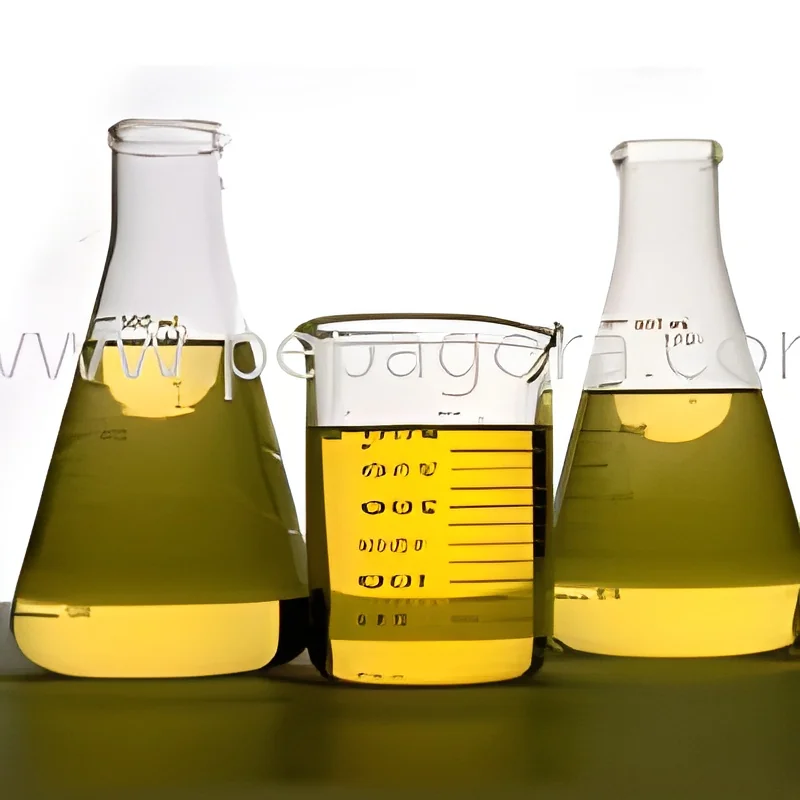
Safety and testing requirements are essential to validate the performance claims of diesel engine oils. Rigorous testing ensures that the oils provide the promised benefits, such as protection against wear and oxidation.
Regional compliance considerations may vary, so it is important for buyers to understand the specific regulations that apply to their market. This awareness can help avoid costly penalties and ensure that the products sourced are suitable for their intended applications.
Why Source Diesel Engine Oils from Pepagora?
Pepagora provides a trusted platform for sourcing diesel engine oils, offering several key advantages to B2B buyers.
Verified Supplier Network: Pepagora connects buyers with a network of verified suppliers who meet strict quality and compliance standards. This verification process ensures that businesses can source high-quality products with confidence.
Streamlined RFQ Process: The platform features a user-friendly request for quotation (RFQ) system, allowing buyers to receive competitive quotes from multiple suppliers quickly. This helps in making informed purchasing decisions.
Trade Assurance and Support: Pepagora offers trade assurance to protect buyers during transactions. This includes support for resolving disputes and ensuring that orders meet quality expectations.
Regional Coverage: With a presence in India, the GCC, and Southeast Asia, Pepagora provides extensive geographic reach. This allows businesses to easily access suppliers in key markets, enhancing their sourcing capabilities.

 IN
IN