IN
IN₹
Apparel & Fashion
Description
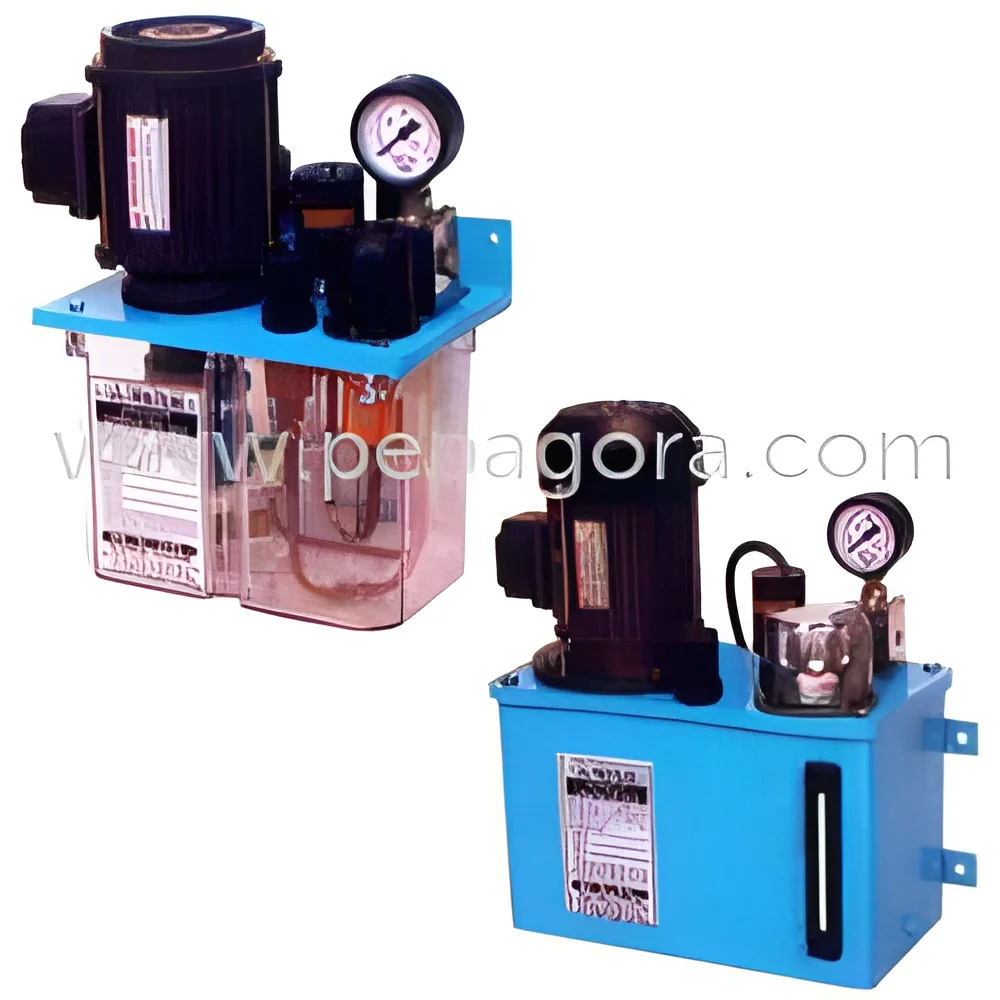
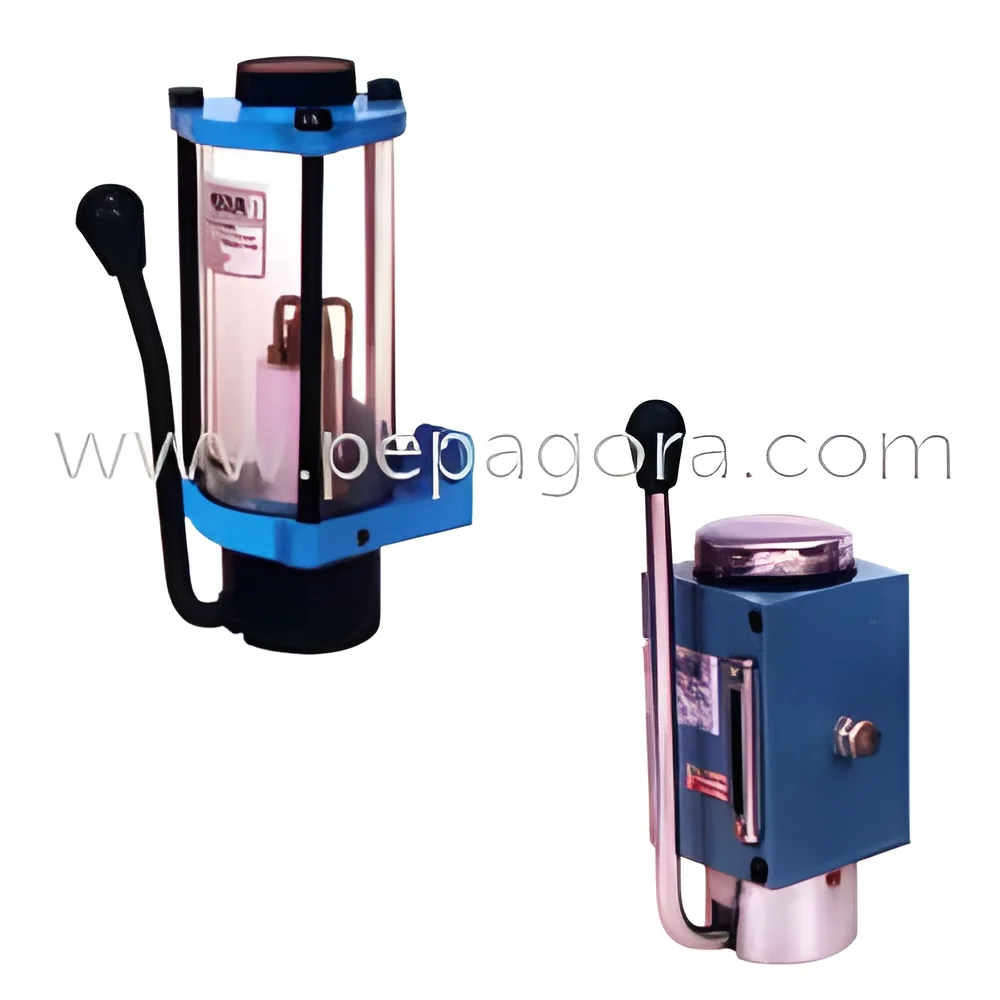
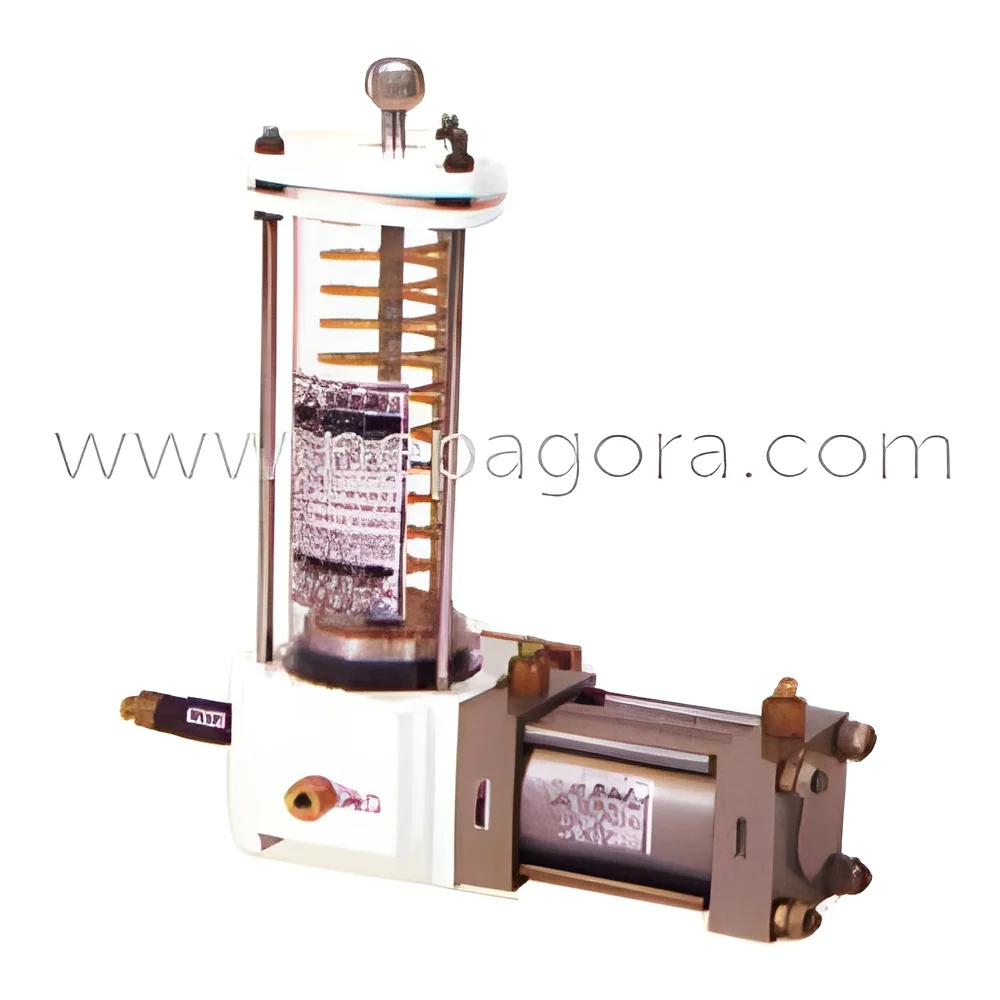
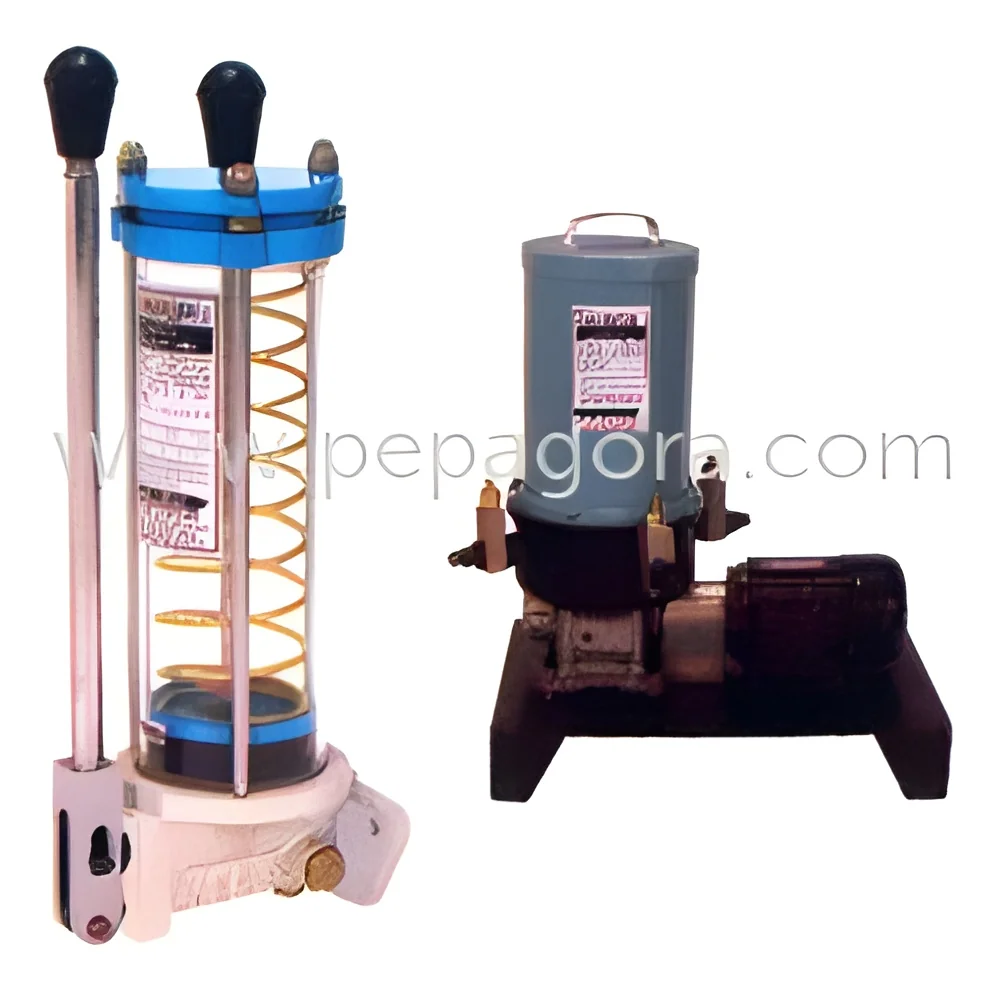
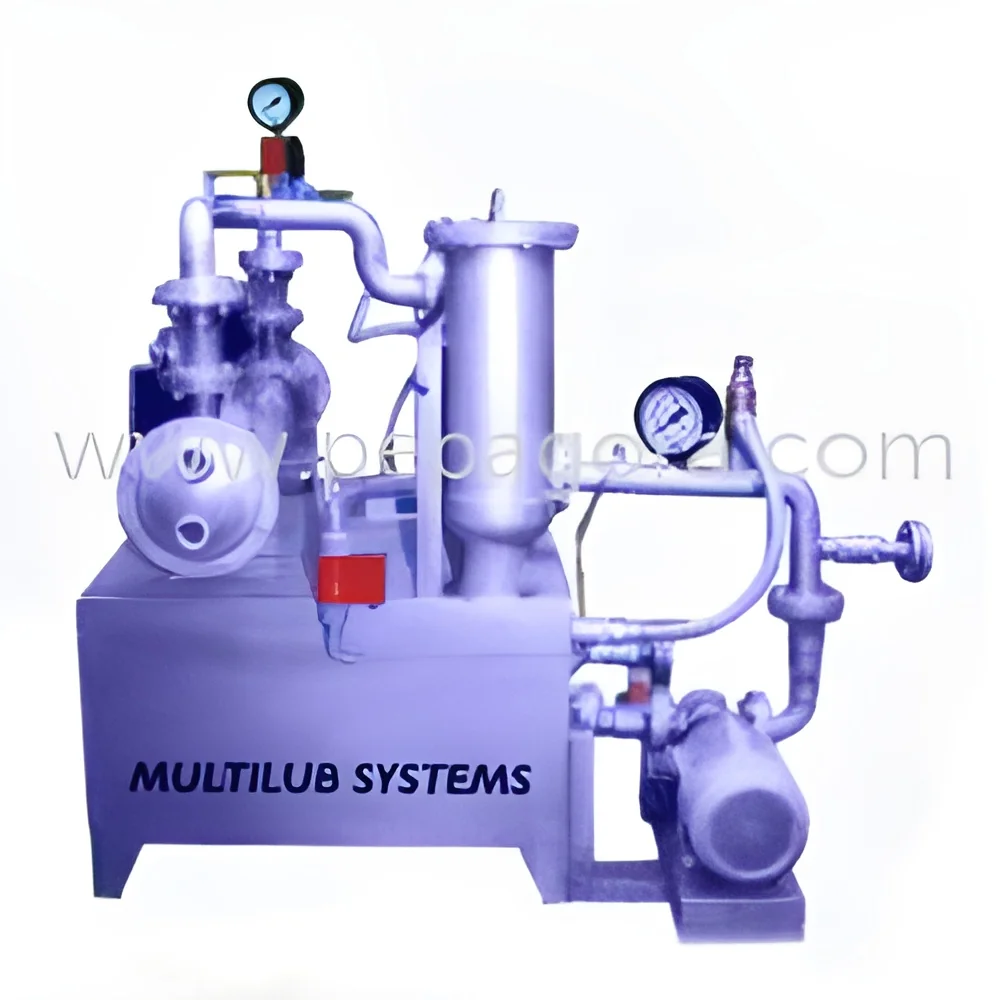
Industrial oil recirculation systems represent advanced lubrication management solutions designed for machinery with multiple compartments requiring simultaneous and precise oil distribution. These systems automate the delivery of lubricants to various sections of equipment, ensuring consistent flow rates and proper lubrication levels without manual intervention. Engineered with precision pumps, flow meters, and distribution networks, they maintain optimal oil pressure and volume to each compartment, preventing both under-lubrication that causes wear and over-lubrication that wastes resources. This technology transforms lubrication from a periodic maintenance task into a continuous, monitored process that enhances equipment protection while reducing operational costs through efficient fluid management.

These systems serve critical functions across heavy industries where equipment reliability directly impacts production output and safety. In manufacturing, they maintain automated produ...
Industrial oil recirculation systems represent advanced lubrication management solutions designed for machinery with multiple compartments requiring simultaneous and precise oil distribution. These systems automate the delivery of lubricants to various sections of equipment, ensuring consistent flow rates and proper lubrication levels without manual intervention. Engineered with precision pumps, flow meters, and distribution networks, they maintain optimal oil pressure and volume to each compartment, preventing both under-lubrication that causes wear and over-lubrication that wastes resources. This technology transforms lubrication from a periodic maintenance task into a continuous, monitored process that enhances equipment protection while reducing operational costs through efficient fluid management.

These systems serve critical functions across heavy industries where equipment reliability directly impacts production output and safety. In manufacturing, they maintain automated production lines, CNC machines, and robotic systems that operate continuously. Power generation facilities utilize them for turbines, generators, and cooling systems where consistent lubrication prevents catastrophic failures. Mining operations depend on these systems for massive excavators, haul trucks, and processing equipment exposed to extreme conditions. Steel mills implement them for rolling mills and continuous casting machinery, while paper manufacturers use them for drying cylinders and rollers. Each application benefits from tailored configurations that address specific viscosity requirements, flow rates, and environmental challenges unique to their operational context.

Businesses investing in industrial oil recirculation systems gain substantial value through reduced lubricant consumption, lower maintenance labor costs, and extended equipment lifespan. The reliability of these systems translates directly to fewer unplanned shutdowns, higher production consistency, and improved safety outcomes. Their precision engineering ensures consistent performance even in demanding environments, providing peace of mind for operations managers. The systems' durability and minimal maintenance requirements offer excellent return on investment through reduced downtime and replacement part costs. For serious buyers, these systems represent not just equipment purchases but strategic investments in operational efficiency and long-term asset protection.

Key Features:
- Multi-compartment lubrication management with individual flow control
- Precision-engineered pumps and distribution networks for accurate oil delivery
- Robust construction using industrial-grade materials for durability
- Automated operation with monitoring capabilities for consistent performance
- Compatibility with various industrial lubricants and viscosity ranges

Benefits:
- Reduced lubricant consumption through precise, measured distribution
- Extended equipment lifespan by preventing under-lubrication and excessive wear
- Lower maintenance costs through automation and reduced manual intervention
- Enhanced operational reliability with consistent lubrication across all compartments
- Improved safety by eliminating manual lubrication in hazardous areas
Specifications
| Additional Information | |
|---|---|
| Country of Origin | India |
Application
Industrial oil recirculation systems deliver precise, measured lubricant flow to multiple machine compartments simultaneously. This automated distribution eliminates manual lubrication errors and ensures every critical component receives consistent protection, preventing friction-related breakdowns and extending equipment service life in demanding 24/7 operations.
These systems are engineered for integration into complex industrial environments where lubrication accuracy directly impacts productivity. By maintaining optimal oil levels and pressure across various sections, they support continuous operation of heavy machinery while significantly reducing lubricant consumption and the frequency of maintenance interventions.
- Manufacturing plants for automated production lines and CNC machinery requiring continuous lubrication
- Power generation facilities for maintaining turbines, generators, and auxiliary equipment
- Mining operations for lubricating heavy excavators, haul trucks, and conveyor systems
- Steel mills and metal processing plants for rolling mills and continuous casting equipment
- Paper mills for maintaining large drying cylinders, rollers, and processing machinery
Trade Details
| Available Stock | In Stock |
| Sample Availability | No |
Payment Terms
| Payment Terms |
|
Company Profile
Multilub Systems, Haryana
 Haryana, India
Haryana, IndiaTools & Hardware•Manufacturer
Factory Details
Factory SizeBelow 1000 sqm
Annual Production Capacity0
Industrial Oil Recirculation Systems For Multi Compartment Lubrication
Industrial oil recirculation systems ensure precise multi-compartment lubrication management, reducing waste and enhancing equipment reliability for manufacturing, power generation, and heavy machinery industries.
Min. Order Quantity: 1 unit
Shipping
Shipping fee and delivery date to be negotiated. Contact supplier now for more details.
Multilub Systems
 Haryana, India
Haryana, IndiaTools & HardwareManufacturer