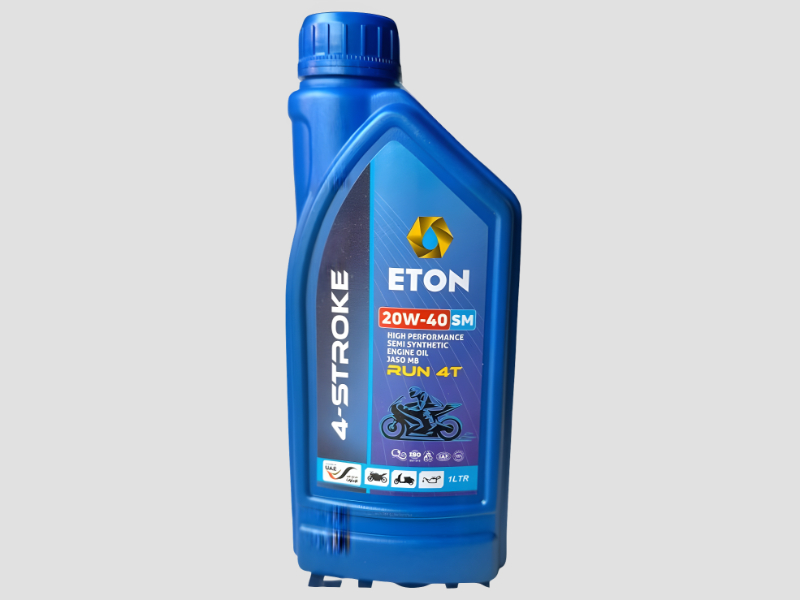
What are Heavy Duty Diesel Oils?
Heavy duty diesel oils are high-performance lubricants designed specifically for diesel engines operating under extreme conditions. These oils are formulated to withstand high temperatures, heavy loads, and severe driving conditions, ensuring optimal engine performance and longevity. They provide essential protection against wear, corrosion, and sludge buildup, making them critical for maintaining the efficiency of diesel engines.
These oils are used across various sectors including transportation, construction, and agriculture. Heavy duty diesel oils are particularly suitable for commercial vehicles, heavy machinery, and equipment that require reliable lubrication for optimal operation. Their formulation helps in improving fuel economy, reducing emissions, and extending oil change intervals, which aligns with the operational needs of businesses that rely on diesel-powered machinery.
In today's competitive market, the demand for heavy duty diesel oils is growing as industries focus on maintaining their fleets and machinery for longer durations. The increasing emphasis on sustainability and efficiency has also prompted manufacturers to develop advanced formulations that meet stringent environmental regulations. Thus, heavy duty diesel oils play a crucial role in the operational success of businesses that depend on diesel engines.
Key Features and Specifications
Heavy duty diesel oils are characterized by several key features that enhance their performance in demanding environments. These features contribute to their effectiveness in protecting and optimizing diesel engines.
Key specifications include:
1. Viscosity Grade
- The viscosity grade indicates the thickness of the oil at different temperatures.
- Common viscosity ratings include 10W-30, 15W-40, and 5W-40.
2. API Service Classification
- This classification indicates the performance level of the oil.
- Common classifications are CK-4 for modern diesel engines and CJ-4 for older models.
3. Multi-Grade Formulation
- Multi-grade oils offer versatility, functioning effectively in various temperature ranges.
- They provide optimal lubrication in both cold starts and high-temperature operations.
4. Detergent Additives
- These additives help to keep engine components clean by preventing sludge and deposit formation.
- They enhance the oil's ability to neutralize acids produced during combustion.
5. Oxidation Stability
- This specification indicates the oil's resistance to oxidation, which prolongs its life and performance.
- High oxidation stability helps in maintaining oil viscosity over time.
6. Pour Point
- The pour point indicates the lowest temperature at which the oil can flow.
- Oils with a lower pour point are better suited for cold climates.
7. TBN (Total Base Number)
- TBN measures the oil's ability to neutralize acidic contaminants.
- A higher TBN is beneficial for engines operating in severe conditions.
8. Compatibility with Emission Control Systems
- Many heavy duty diesel oils are formulated to be compatible with modern emission control technologies.
- This ensures compliance with environmental regulations while maintaining engine performance.
These specifications are vital for ensuring that heavy duty diesel oils meet the operational demands of various industries and help maintain engine health.
Common Applications and Use Cases
Heavy duty diesel oils are utilized in a wide range of industries to ensure the efficient operation of diesel engines.
1. Transportation: In the transportation sector, heavy duty diesel oils are essential for commercial vehicles, including trucks and buses. They help optimize fuel efficiency while protecting engines during long-haul operations.
2. Construction: Heavy machinery used in construction, such as excavators and bulldozers, relies on heavy duty diesel oils for reliable lubrication under heavy loads and harsh working conditions.
3. Agriculture: In agriculture, tractors and harvesters depend on these oils to maintain performance during extended periods of use in various weather conditions.
4. Mining: Mining equipment operates in extreme environments, where heavy duty diesel oils provide the necessary protection against wear and tear while ensuring consistent performance.
5. Marine: In marine applications, heavy duty diesel oils are used in commercial vessels, ensuring engine reliability in demanding conditions at sea.
6. Rail: Diesel engines in locomotives require heavy duty diesel oils to ensure smooth operation and reduce downtime during transportation.
7. Energy: In power generation, diesel-powered generators utilize heavy duty oils to maintain efficiency and reliability during continuous operation.
Product Variants and Subcategories
Heavy duty diesel oils come in various formulations to meet specific operational needs.
Synthetic Diesel Oils
These oils are formulated with synthetic base stocks, offering superior thermal stability and oxidation resistance. They provide enhanced protection and performance in extreme conditions.
Conventional Diesel Oils
Conventional oils are derived from refined petroleum and offer reliable performance for standard diesel engines. They are often more cost-effective for applications with less severe operating conditions.
Low SAPS Diesel Oils
Low SAPS (Sulfated Ash, Phosphorus, and Sulfur) oils are designed for use in diesel engines equipped with emission control systems. They help reduce emissions while maintaining engine performance.
Bio-Based Diesel Oils
These oils are formulated with renewable resources, providing an environmentally friendly option for diesel engine lubrication. They help reduce environmental impact while ensuring effective engine protection.
Benefits and Advantages
Heavy duty diesel oils provide numerous benefits that are essential for businesses operating diesel engines.
1. Enhanced Engine Protection: These oils minimize wear and tear on engine components, extending engine life and reliability.
2. Improved Fuel Economy: Heavy duty diesel oils are designed to optimize fuel efficiency, helping businesses reduce operational costs.
3. Longer Oil Change Intervals: The advanced formulations of heavy duty diesel oils allow for extended oil change intervals, reducing maintenance downtime.
4. Reduced Emissions: Many heavy duty diesel oils are formulated to meet environmental regulations, helping companies lower their carbon footprint.
5. High Thermal Stability: These oils maintain their viscosity and effectiveness even at high temperatures, ensuring consistent performance under extreme conditions.
6. Excellent Detergency: The detergent additives in heavy duty diesel oils keep engines clean, preventing sludge and deposit accumulation that can affect performance.
Buying Guide for B2B Buyers
When sourcing heavy duty diesel oils, businesses should consider several key factors to ensure they make informed purchasing decisions.
1. Quality Assessment: Evaluate the oil's specifications, including API service classification and viscosity grades, to ensure it meets your engine's requirements.
2. Supplier Verification: Research suppliers to ensure they have a reliable reputation and provide high-quality products. Look for certifications and customer reviews.
3. Pricing and MOQ: Understand the pricing structure and minimum order quantities to align with your budget and operational needs.
4. Delivery and Lead Times: Assess the supplier's logistics capabilities to ensure timely delivery of products, especially if you have tight operational schedules.
5. Compliance Requirements: Ensure the oils comply with industry regulations and standards to avoid potential legal and operational issues.
Compliance and Certifications
Heavy duty diesel oils must adhere to various compliance and certification standards to ensure quality and safety.
Relevant quality standards include ISO 9001, which sets criteria for quality management systems, ensuring consistent quality in products and services. Additionally, HACCP (Hazard Analysis and Critical Control Points) standards can apply to manufacturing processes, ensuring safety and quality in production.
Industry certifications such as CE indicate compliance with European safety standards, ensuring that the oils meet required safety and performance benchmarks.
Safety and testing requirements are crucial, as they ensure that the oils perform effectively and do not pose risks to users or the environment. Regular testing for performance, viscosity, and contaminant levels is essential for maintaining oil integrity.
Regional compliance considerations may apply, especially for businesses operating in multiple regions. Understanding local regulations regarding diesel oil formulations and emissions is vital for compliance and operational success.
Why Source Heavy Duty Diesel Oils from Pepagora?
Pepagora provides a trusted platform for sourcing heavy duty diesel oils, offering several key advantages for B2B buyers.
Verified Supplier Network: Pepagora connects buyers with a network of verified suppliers, ensuring that businesses source high-quality products from reputable manufacturers. This verification process helps mitigate risks associated with purchasing inferior products.
Streamlined RFQ Process: The platform features a streamlined Request for Quotation (RFQ) process, allowing buyers to easily request quotes from multiple suppliers. This efficiency can lead to better pricing and quicker procurement decisions.
Trade Assurance and Support: Pepagora offers trade assurance and buyer support to protect transactions, ensuring that buyers receive what they expect. This service helps build trust and confidence in the sourcing process.
Regional Coverage: With a focus on regions like India, the GCC, and Southeast Asia, Pepagora facilitates access to a diverse range of products and suppliers. This geographic reach enhances the sourcing options available to businesses looking for heavy duty diesel oils.

 IN
IN