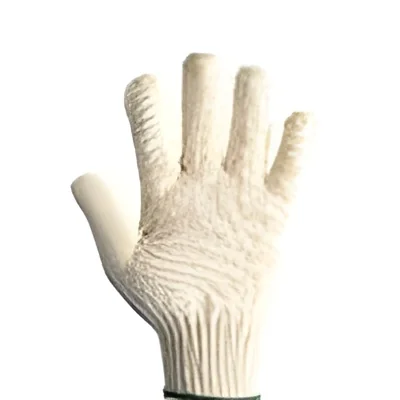
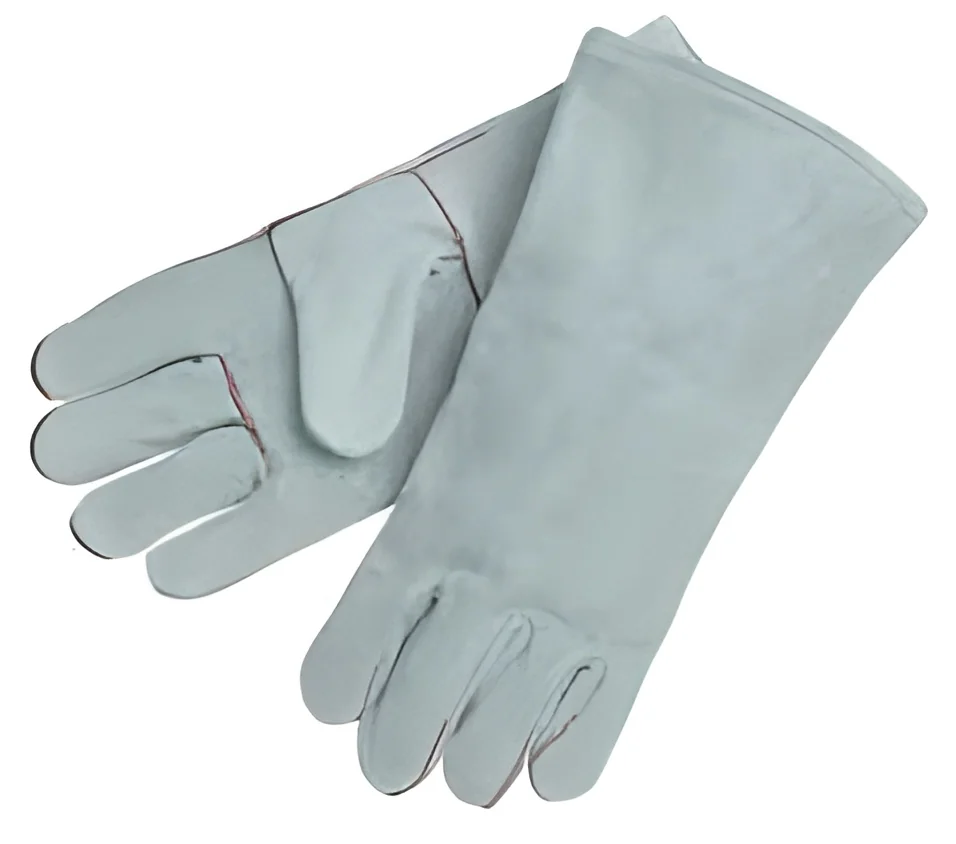
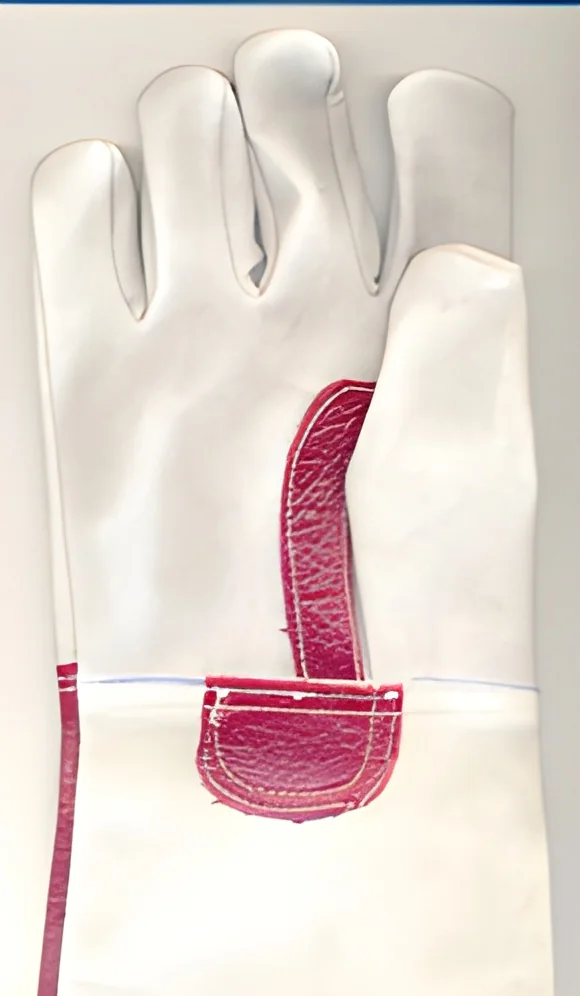
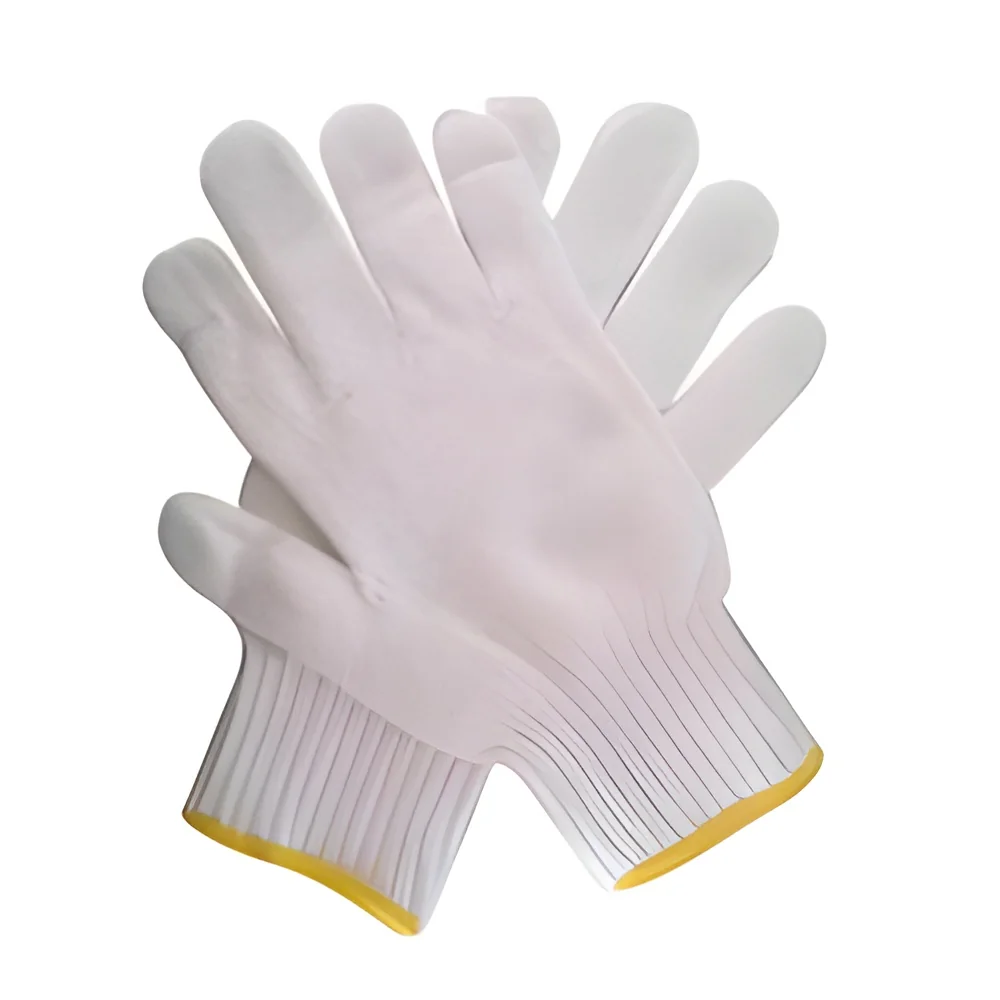
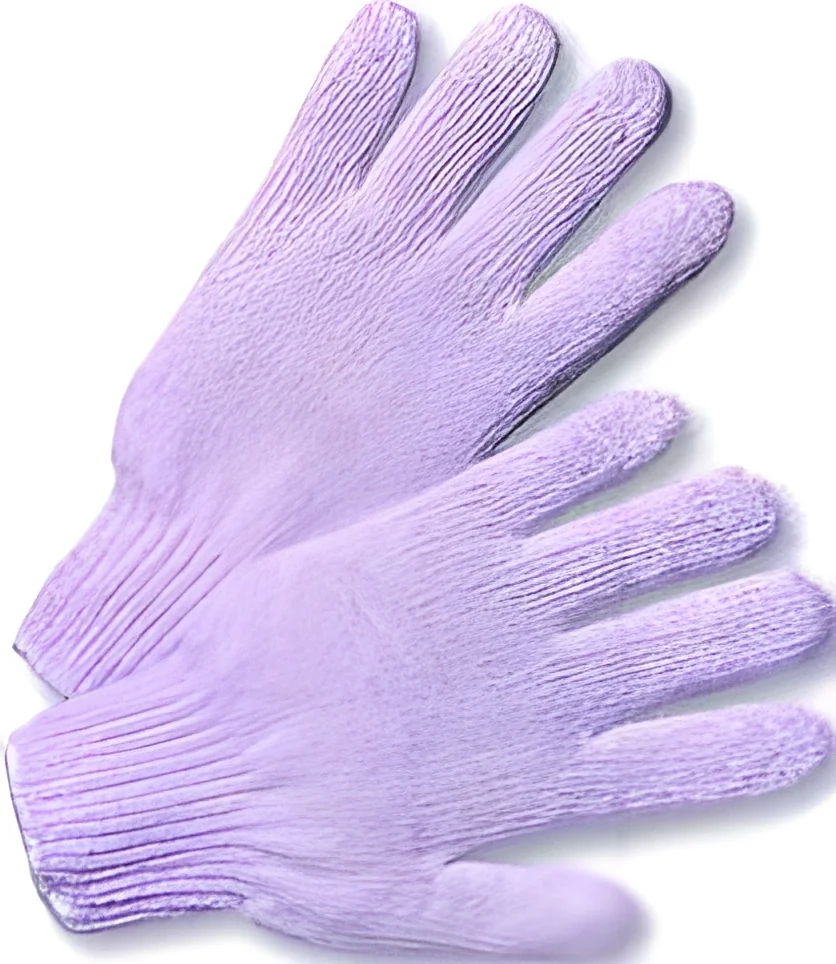
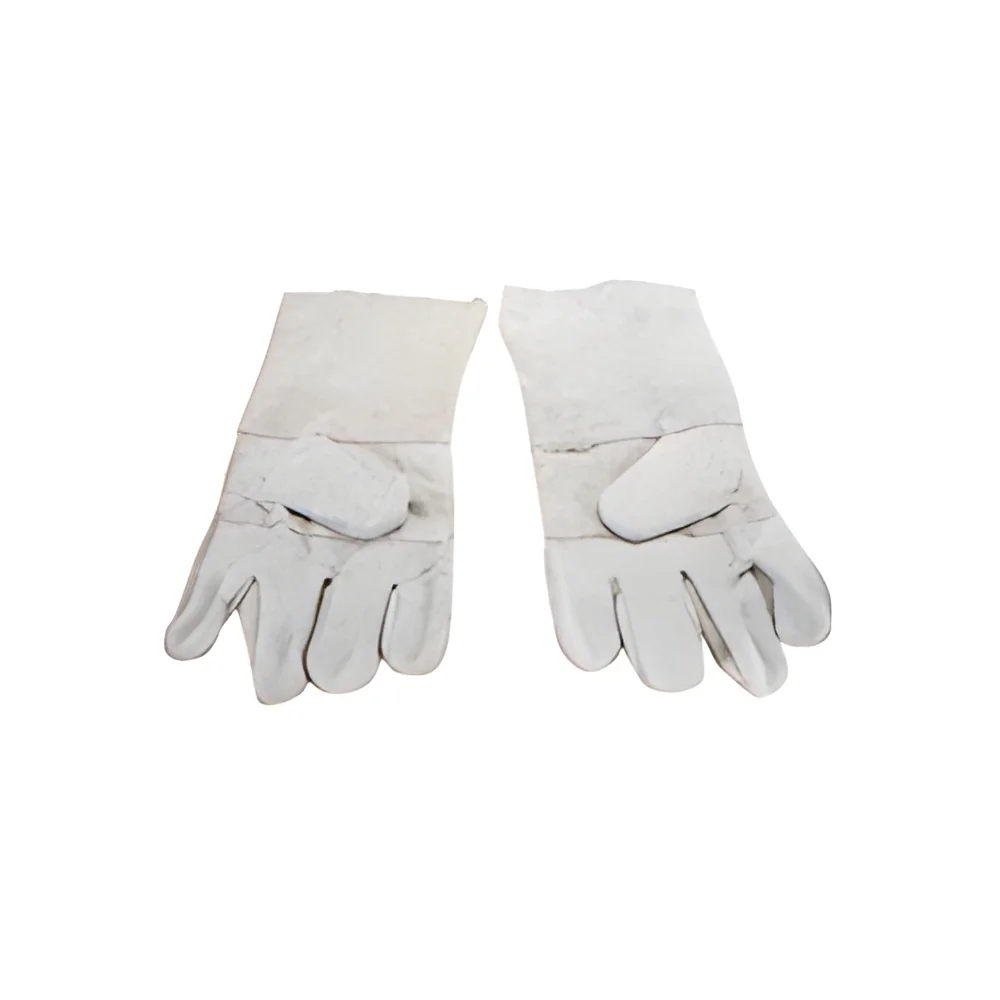
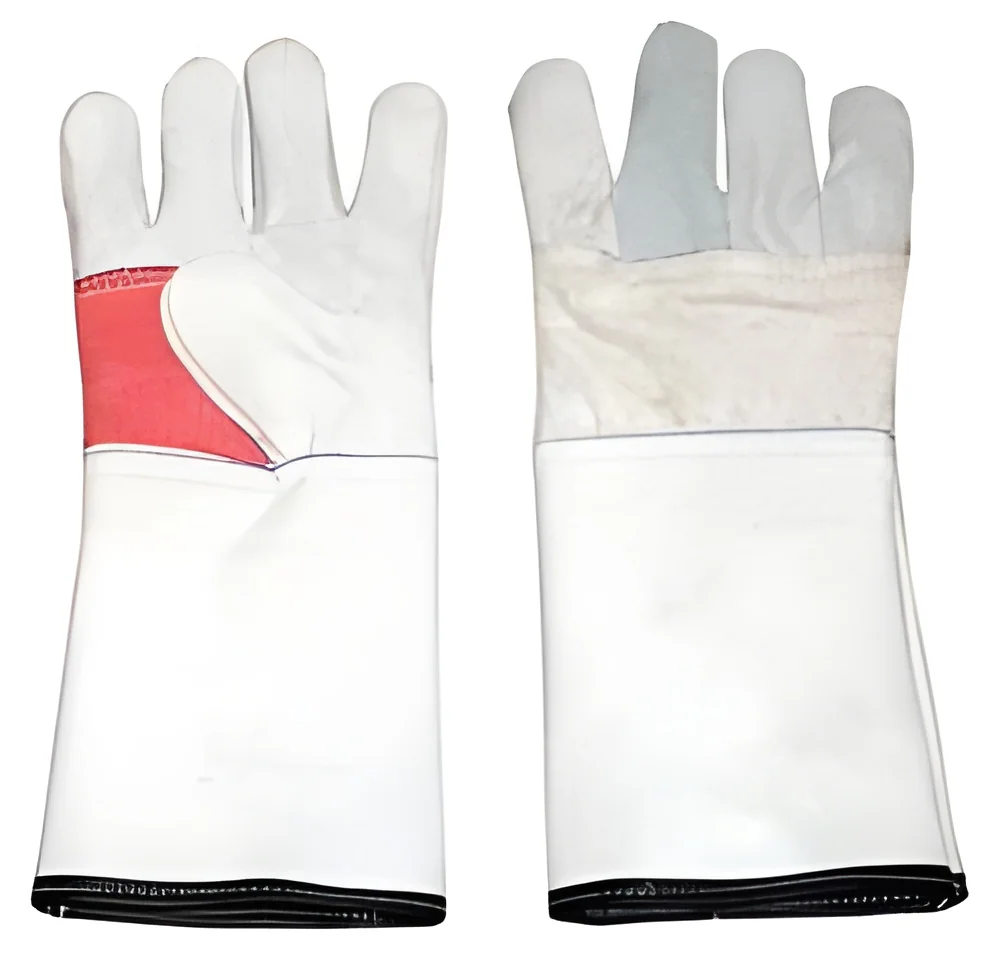
What are Welding Gloves?
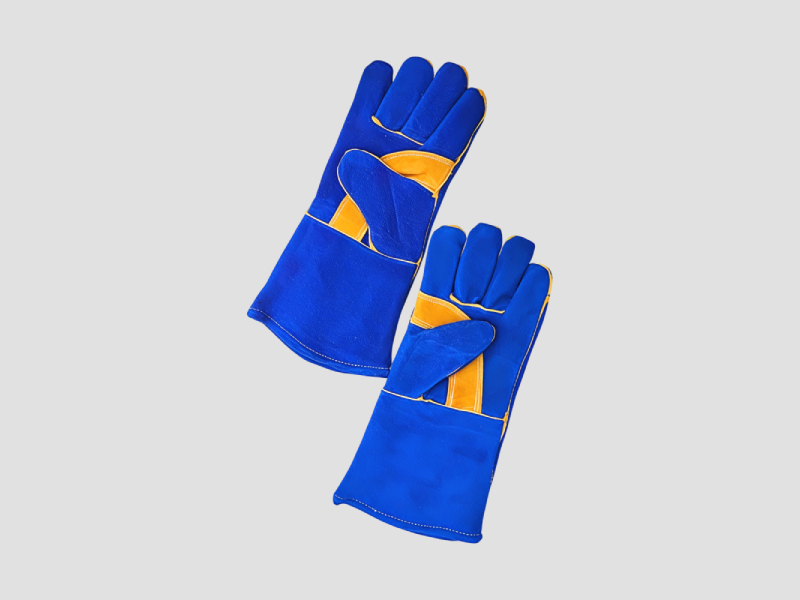
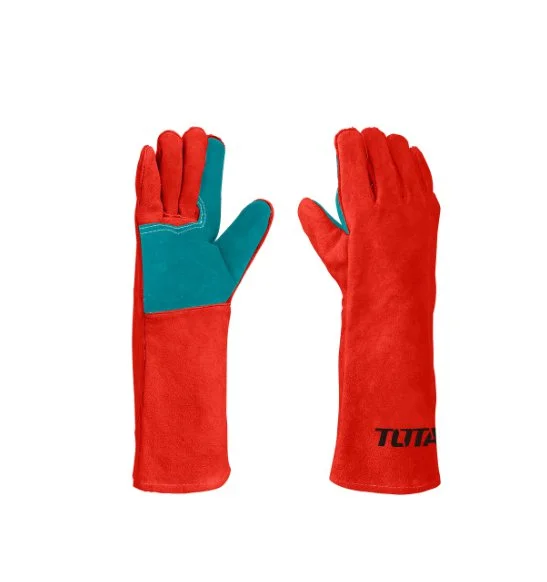
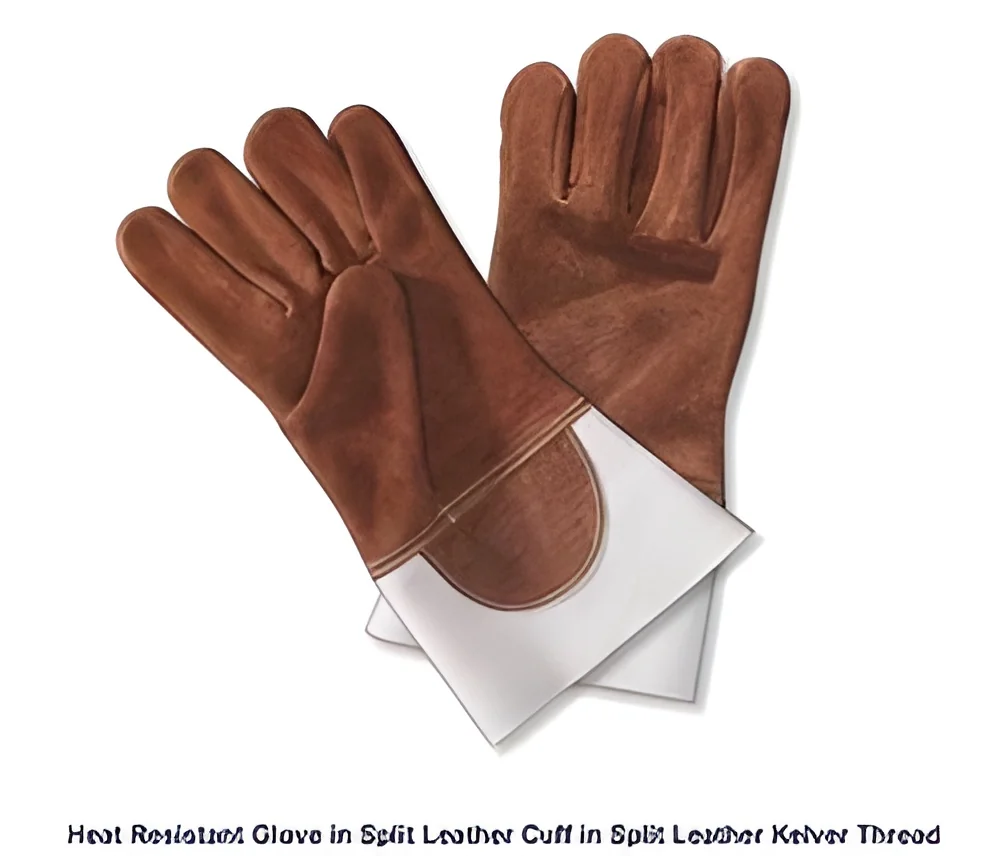
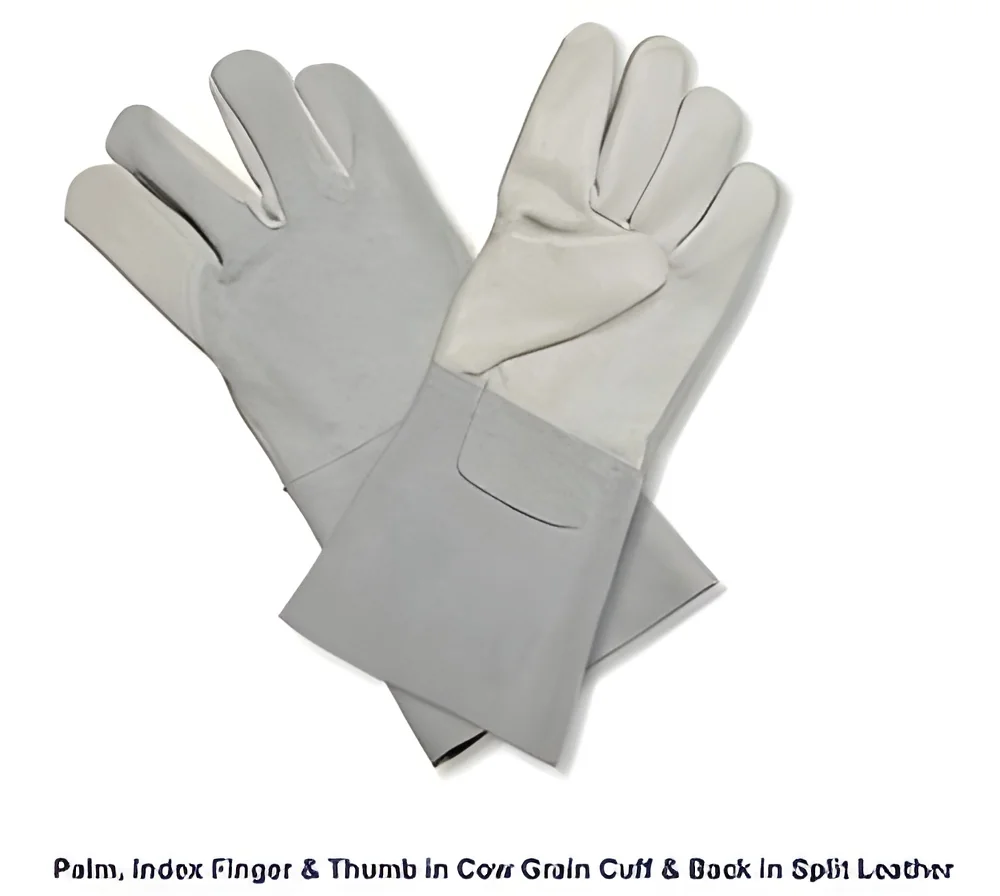
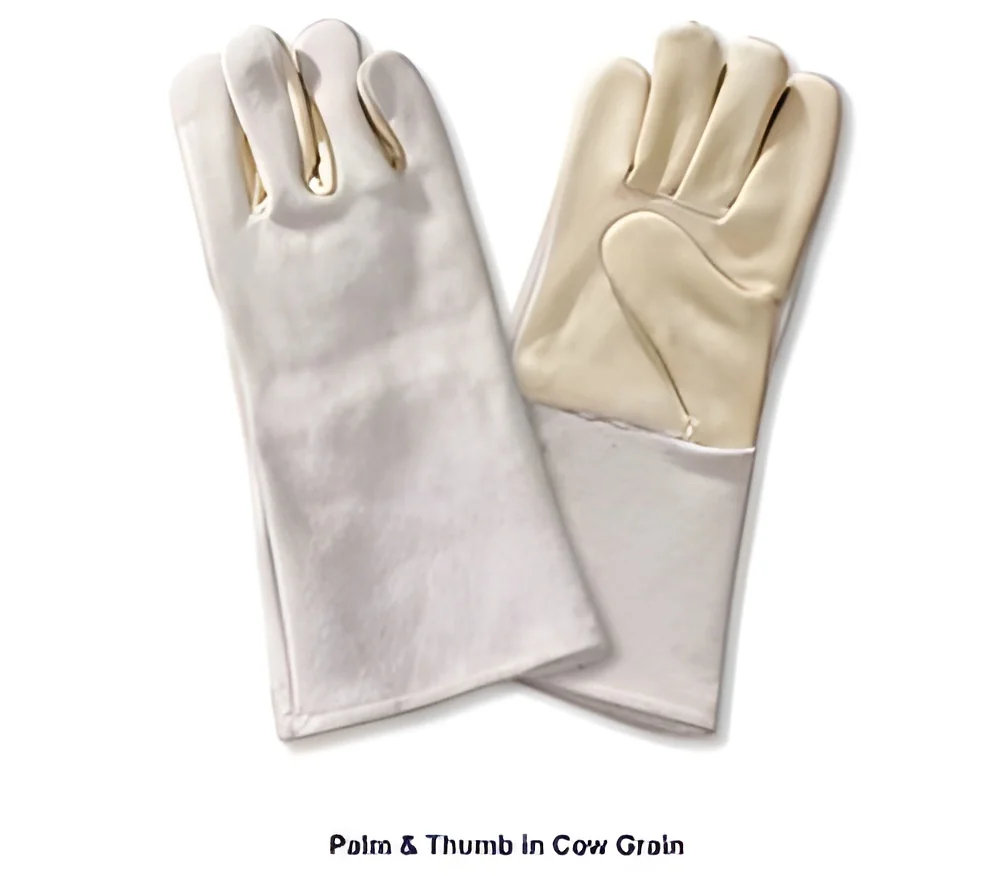
Welding gloves are specialized protective handwear designed to safeguard welders from extreme heat, sparks, and molten metal during welding processes. These gloves are made from durable materials that provide both thermal insulation and dexterity, allowing welders to perform their tasks efficiently while minimizing the risk of injury. The construction of welding gloves typically includes layers of leather, Kevlar, or other heat-resistant fabrics, ensuring that they can withstand the harsh conditions found in welding environments.
In terms of business applications, welding gloves are essential in various industrial sectors, including construction, manufacturing, and metal fabrication. They are particularly crucial in settings where welding operations are performed, such as shipbuilding, automotive production, and pipeline construction. The demand for high-quality welding gloves is on the rise as industries prioritize worker safety and implement stricter safety regulations. This growing focus on safety translates to a significant market for welding gloves, making them a vital component of personal protective equipment (PPE) in many industries.
Key Features and Specifications
Welding gloves come with several critical features and specifications that cater to the needs of professionals in welding and related fields. These features ensure optimal protection, comfort, and usability during welding tasks.
Key specifications include:
1. Material Composition
- Typically made from leather, often cowhide or pigskin for durability
- May include synthetic materials like Kevlar for added heat resistance
2. Heat Resistance
- Designed to withstand high temperatures, often rated for up to 500 degrees Fahrenheit
- Provides protection against sparks and molten metal
3. Length
- Available in various lengths, commonly ranging from 14 to 18 inches
- Longer gloves provide additional forearm protection
4. Grip and Dexterity
- Features textured palms for improved grip
- Allows for precise handling of tools and materials
5. Lining and Comfort
- Often lined with cotton or other breathable materials for comfort
- Designed to reduce fatigue during extended wear
6. Size Options
- Available in multiple sizes to fit a range of hand sizes
- Ensures a snug fit for better control and safety
7. Certification
- Many welding gloves meet international safety standards, such as CE certification
- Ensures compliance with industry regulations
In summary, the combination of these features makes welding gloves a crucial investment for any business involved in welding operations.
Common Applications and Use Cases
Welding gloves serve various industries that require protection during welding tasks.
1. Manufacturing: In the manufacturing sector, welding gloves are used to protect workers during the fabrication of metal parts and structures, ensuring safety from high temperatures and sparks.
2. Construction: Construction sites often involve welding for structural components. Gloves provide essential protection for workers involved in building and infrastructure projects.
3. Automotive: In the automotive industry, welding gloves protect technicians during vehicle assembly and repair processes, particularly in welding joints and metal parts.
4. Shipbuilding: Workers in shipyards rely on welding gloves for protection against extreme heat while fabricating hulls and other metal structures.
5. Metal Fabrication: Welding gloves are critical in metal fabrication facilities, where various welding techniques are employed to create components for multiple applications.
6. Oil and Gas: In the oil and gas industry, welding gloves protect workers during pipeline welding and maintenance activities, where heat and sparks are prevalent.
7. Aerospace: In aerospace manufacturing, gloves are used to safeguard technicians from heat when working on aircraft components that require welding.
Product Variants and Subcategories
Welding gloves come in various designs to accommodate different needs and preferences.
Leather Welding Gloves: These gloves are made from high-quality leather, providing excellent heat resistance and durability. They are ideal for heavy-duty welding applications, ensuring maximum protection and comfort.
Kevlar Reinforced Gloves: These gloves incorporate Kevlar fibers for enhanced cut and heat resistance. They are perfect for applications that require a balance of dexterity and protection.
Heat-Resistant Gloves: Designed specifically for high-heat environments, these gloves provide superior thermal protection. They are suitable for industries that involve extreme welding conditions.
Cut-Resistant Gloves: These gloves offer additional protection against cuts and abrasions while maintaining heat resistance. They are beneficial in environments where sharp materials are handled alongside welding.
Benefits and Advantages
Welding gloves offer numerous benefits that enhance workplace safety and performance.
1. Enhanced Safety: Welding gloves provide protection from burns, cuts, and other injuries, significantly reducing the risk of accidents during welding tasks.
2. Increased Comfort: With breathable linings and ergonomic designs, these gloves ensure comfort during prolonged use, allowing workers to focus on their tasks.
3. Improved Dexterity: Many welding gloves are designed to allow for fine motor skills, enabling welders to handle tools and materials with precision.
4. Durability: High-quality materials ensure that welding gloves withstand wear and tear, providing long-lasting protection and reducing the need for frequent replacements.
5. Compliance with Safety Standards: Many gloves are certified to meet safety regulations, ensuring that businesses are compliant with industry standards.
6. Versatility: Welding gloves can be used across various industries, making them a versatile addition to any safety equipment inventory.
Buying Guide for B2B Buyers
When sourcing welding gloves, several factors should be considered to ensure that the right products are selected.
1. Quality Assessment: Evaluate the materials and construction of the gloves. Look for high-quality leather or reinforced fabrics that offer durability and heat resistance.
2. Supplier Verification: Vet potential suppliers to ensure they provide reliable products. Check for certifications, customer reviews, and industry reputation.
3. Pricing and MOQ: Consider the pricing structure and minimum order quantities. Ensure that the costs align with your budget while meeting quality expectations.
4. Delivery and Lead Times: Discuss logistics with suppliers to understand delivery timelines. Timely delivery is crucial for maintaining workflow efficiency.
5. Compliance Requirements: Ensure that the welding gloves meet relevant safety standards and regulations in your industry. This is critical for protecting workers and avoiding legal issues.
Compliance and Certifications
Welding gloves must adhere to various quality standards to ensure safety and reliability. Key standards include ISO 9001, which focuses on quality management systems, and CE certification, indicating compliance with European safety regulations.
Safety and testing requirements are critical for welding gloves. They are typically subjected to rigorous testing for heat resistance, puncture resistance, and durability to ensure they provide adequate protection.
Regional compliance considerations may vary. Businesses should be aware of specific local regulations regarding personal protective equipment to ensure that the products sourced meet all necessary legal requirements.
Why Source Welding Gloves from Pepagora?
Pepagora provides a trusted platform for sourcing welding gloves, offering several key advantages to B2B buyers.
Verified Supplier Network: Pepagora maintains a network of verified suppliers, ensuring that buyers can find high-quality welding gloves from reputable manufacturers. This verification process helps mitigate risks associated with sourcing.
Streamlined RFQ Process: The request for quotation (RFQ) process on Pepagora is user-friendly, allowing buyers to quickly compare prices and features from multiple suppliers. This efficiency enhances decision-making.
Trade Assurance and Support: Pepagora offers trade assurance to protect buyers, providing confidence in their transactions. Support services are also available to assist with any inquiries or issues during the purchasing process.
Regional Coverage: With a strong presence in India, the GCC, and Southeast Asia, Pepagora caters to a wide geographical market, making it easier for businesses to source welding gloves that meet their specific needs.

 IN
IN

 India
India