IN
IN₹
Description
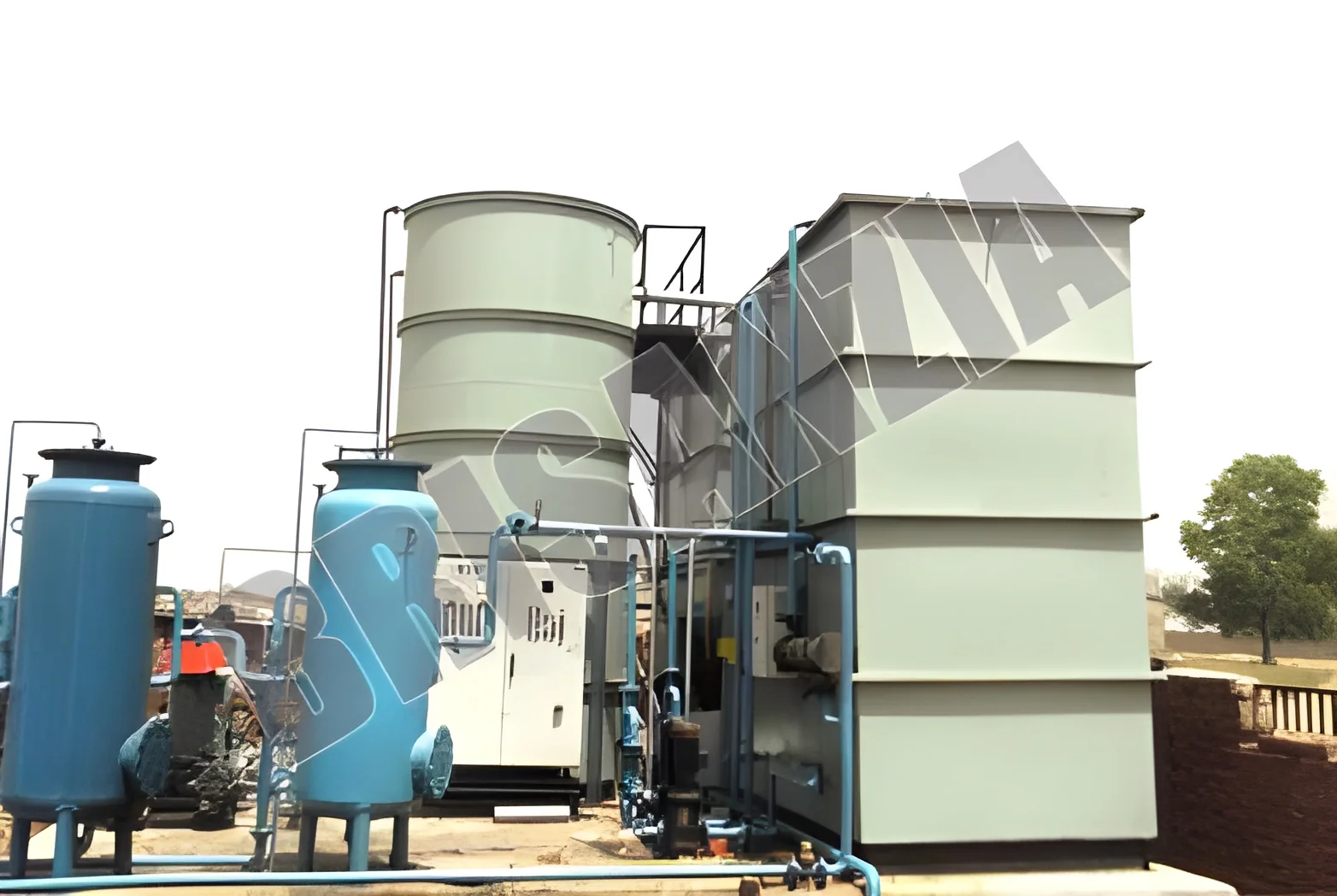
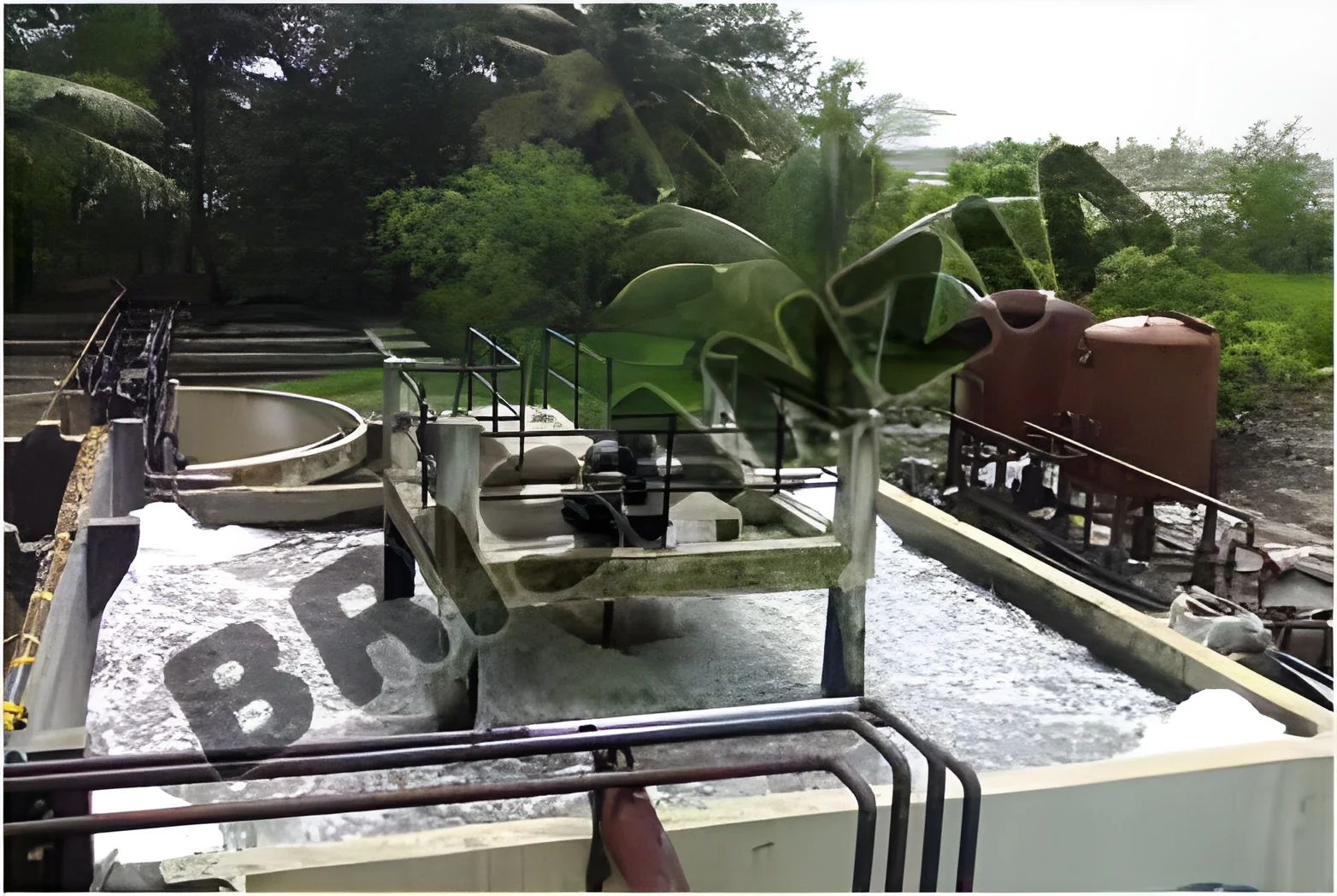
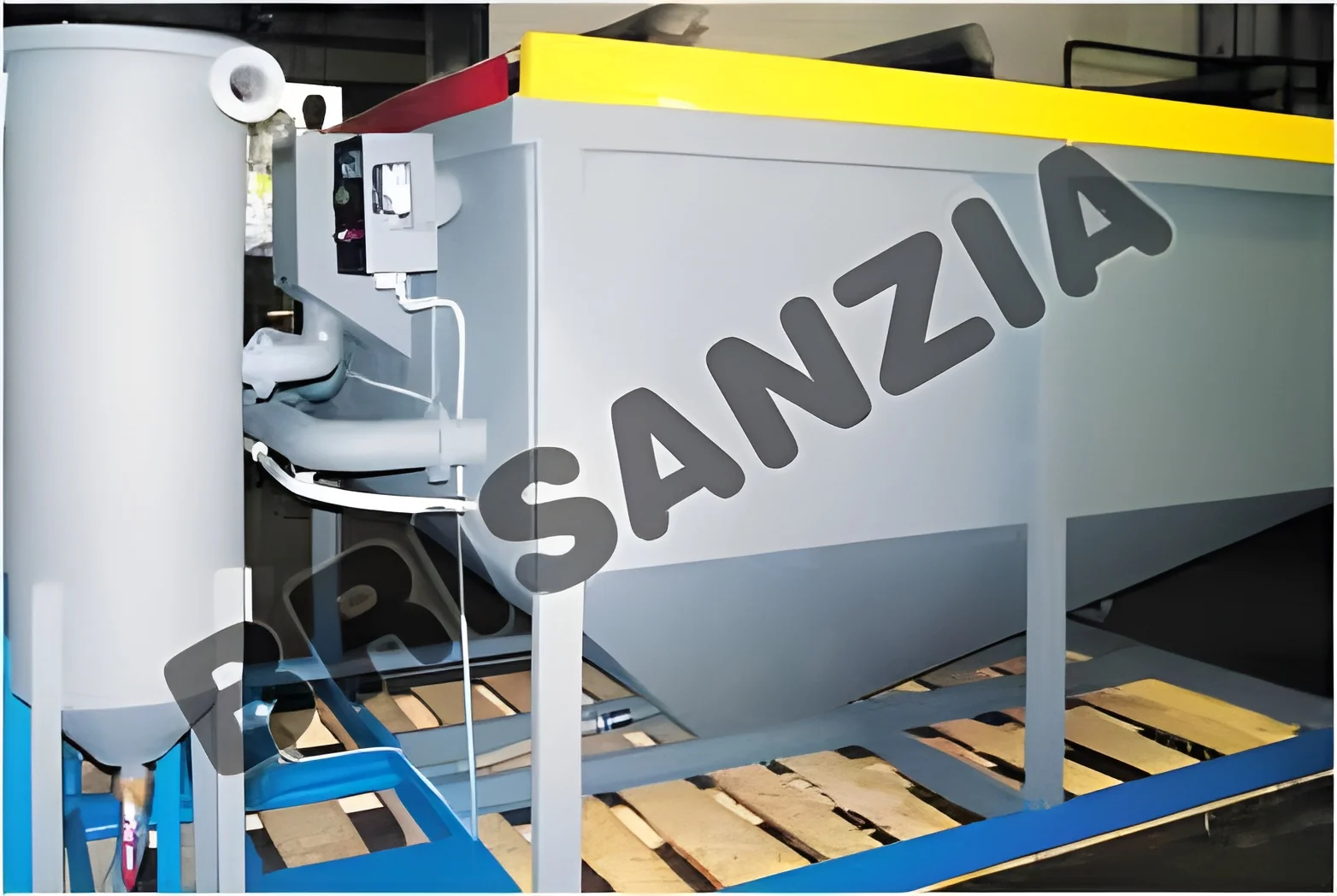
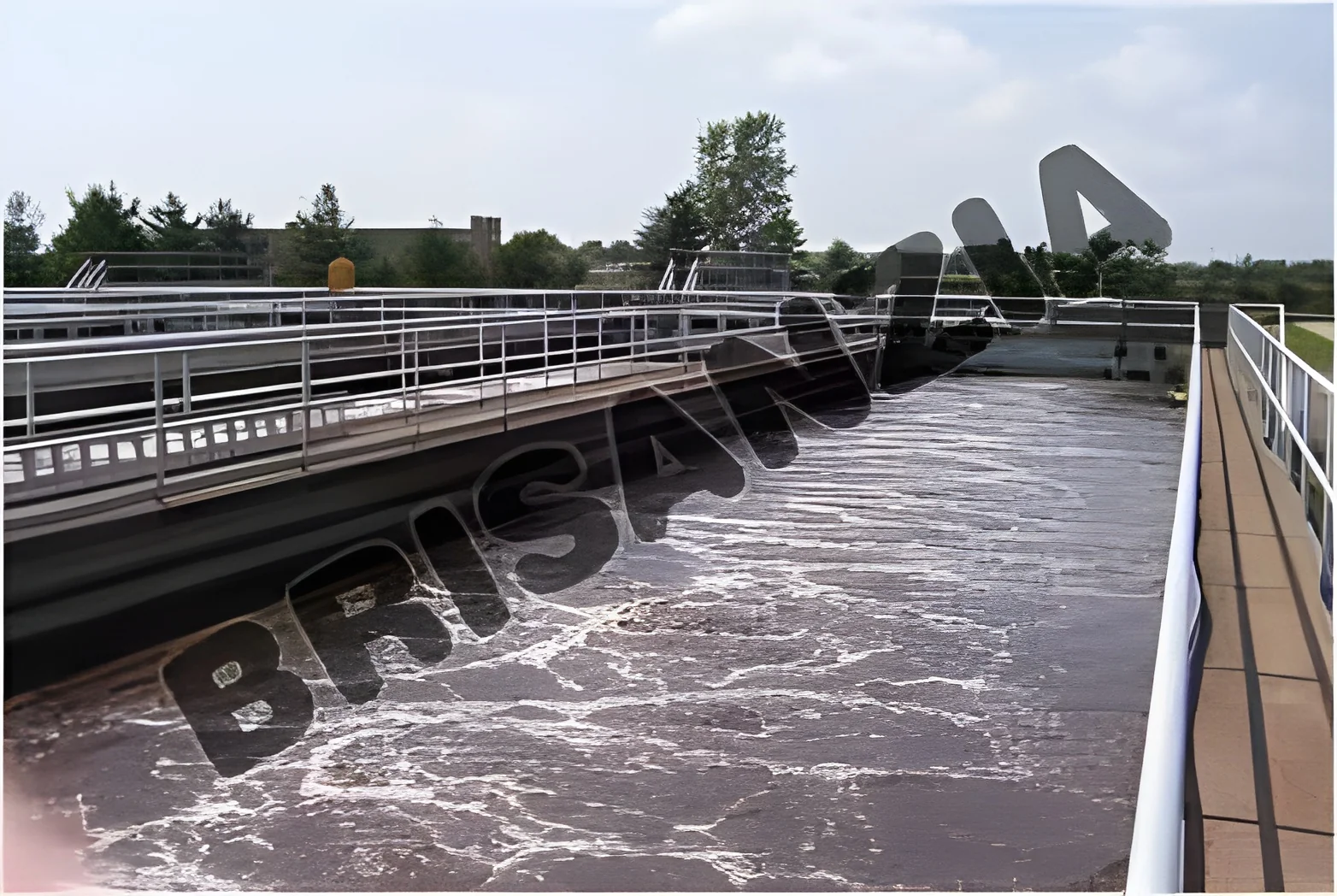
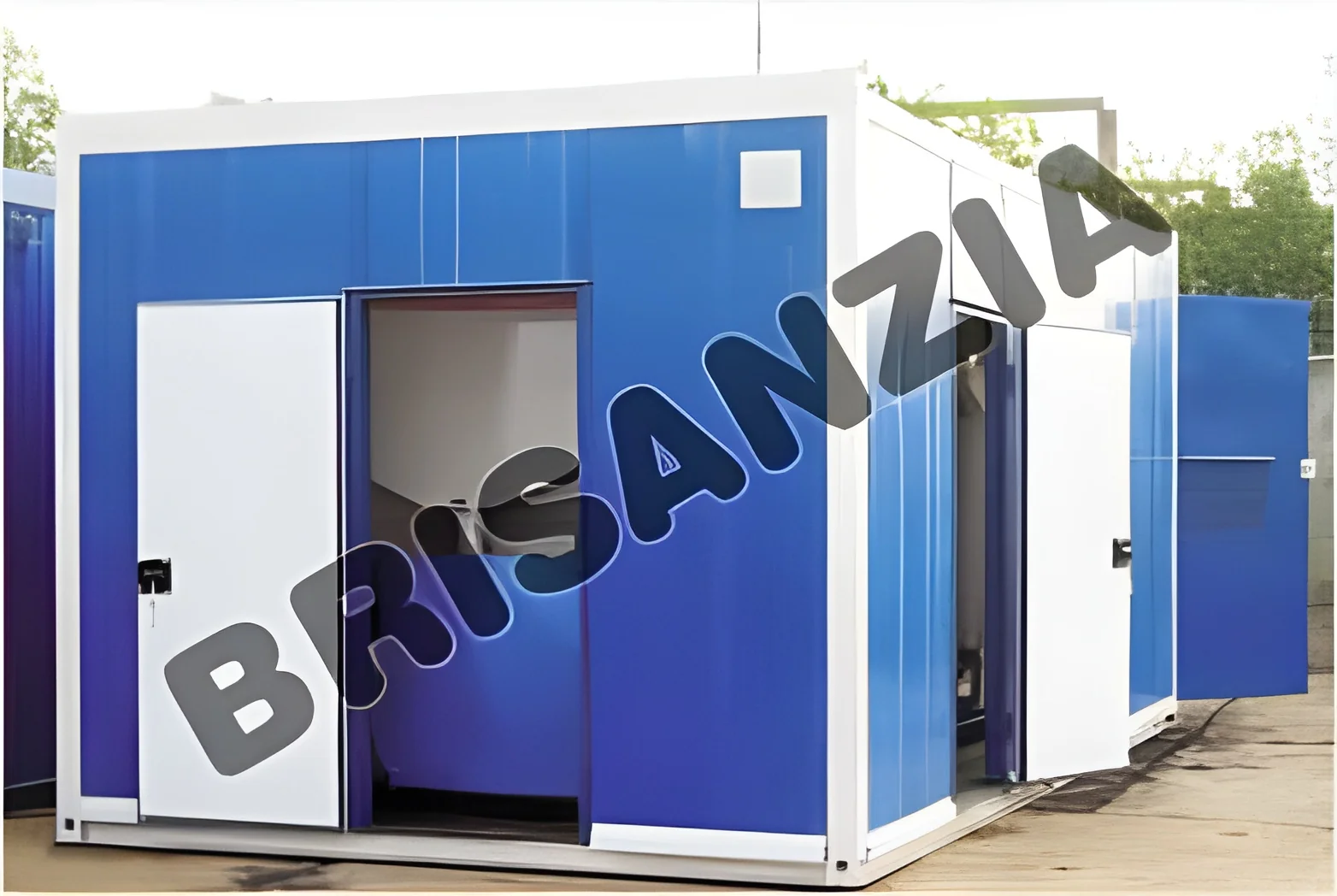
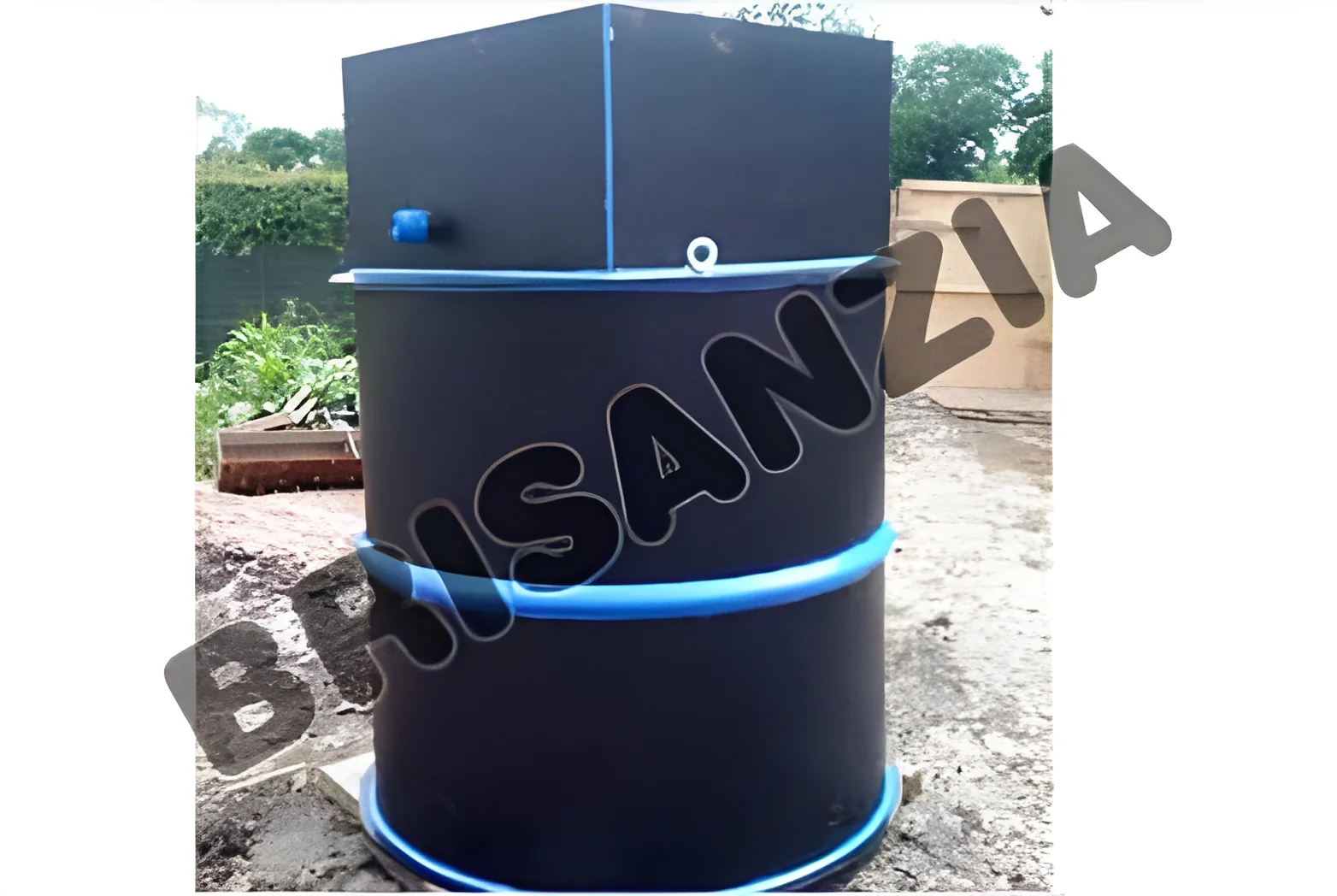
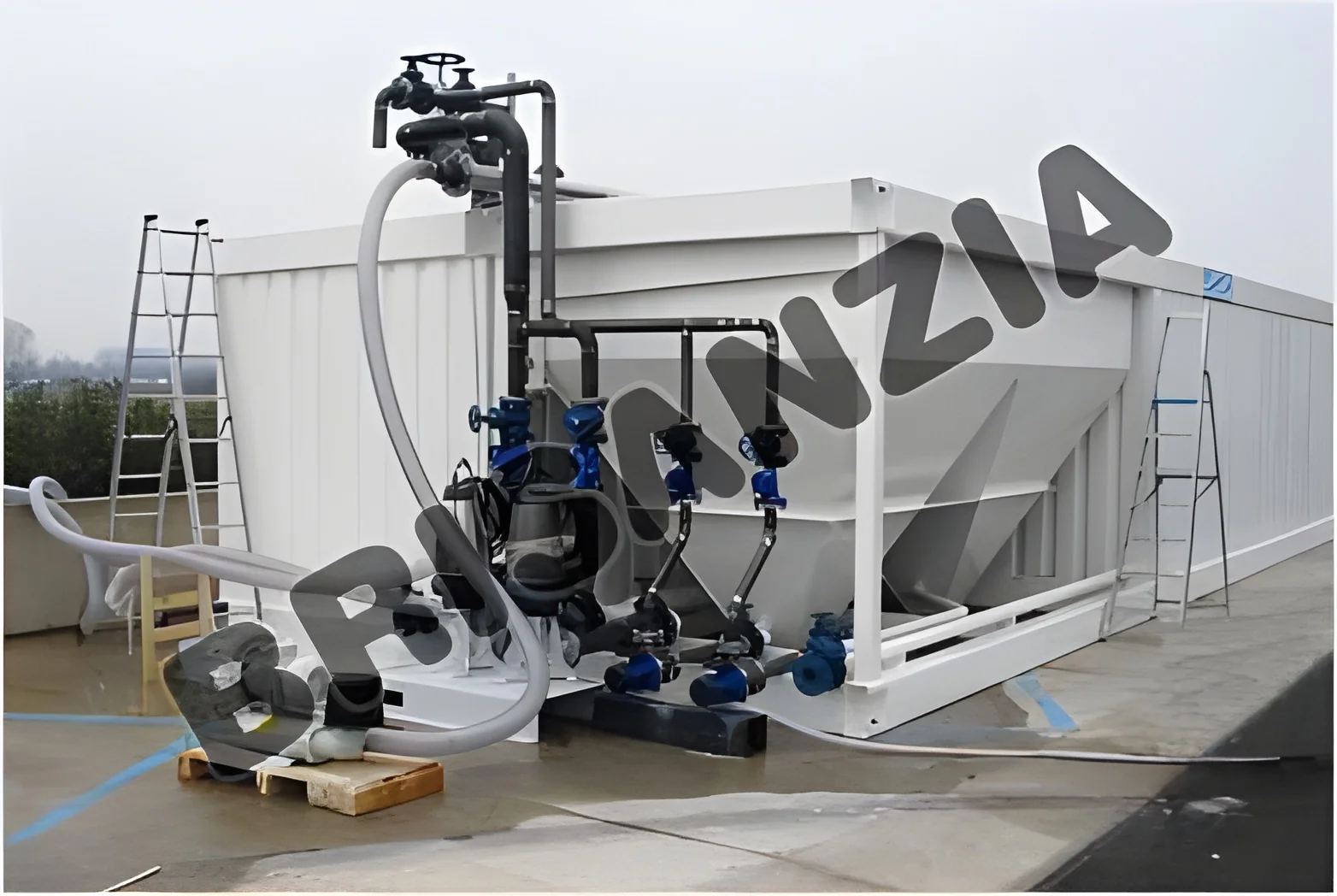
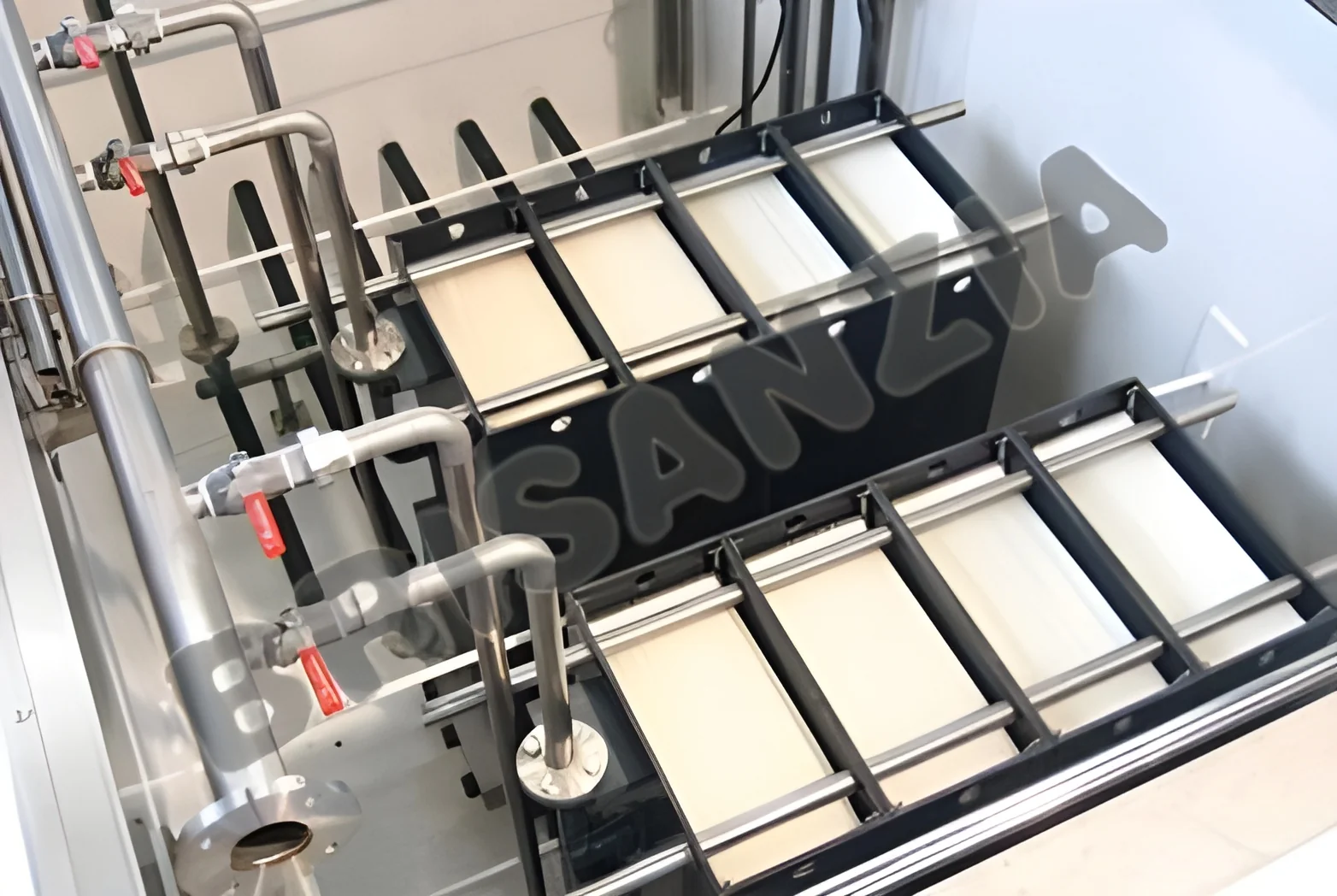
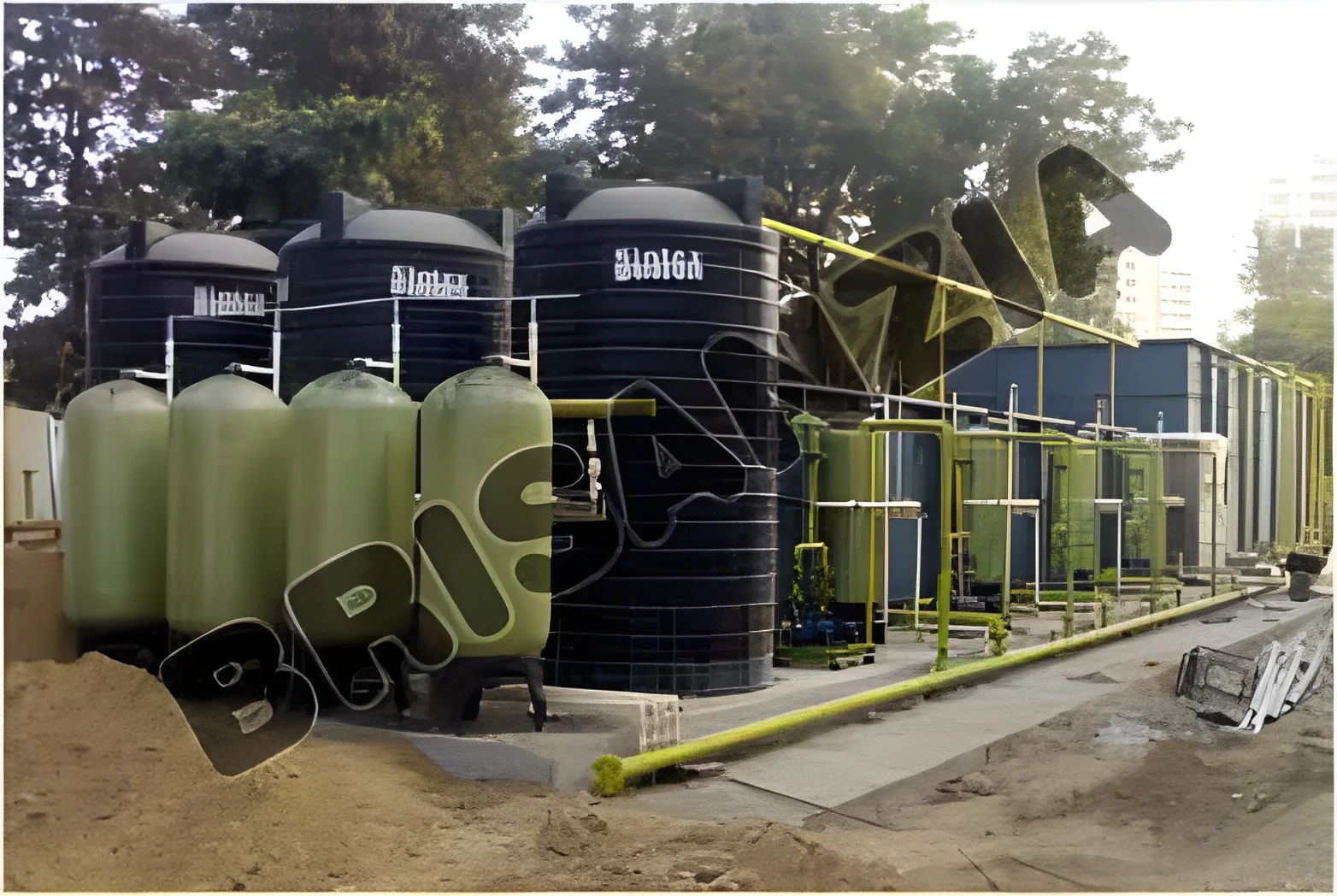
Sewage recycling plants address the growing need for sustainable water management by transforming wastewater into a reliable reusable resource. With increasing water scarcity and stringent environmental regulations, these systems offer practical, efficient solutions for industries seeking to reduce their environmental impact while maintaining operational continuity. Our plants are engineered to process various sewage inputs and consistently produce quality recycled water suitable for multiple non-potable applications. This technology helps organizations decrease their freshwater dependency, manage water costs effectively, and demonstrate commitment to responsible resource use in today's eco-conscious market.

These recycling systems serve a wide range of industries with high water demands, including manufacturing facilities, chemical plants, real estate developments, hospitality sectors, and municipal water treatment projects. Manufacturing plants integrate them into cooling processes,...
Sewage recycling plants address the growing need for sustainable water management by transforming wastewater into a reliable reusable resource. With increasing water scarcity and stringent environmental regulations, these systems offer practical, efficient solutions for industries seeking to reduce their environmental impact while maintaining operational continuity. Our plants are engineered to process various sewage inputs and consistently produce quality recycled water suitable for multiple non-potable applications. This technology helps organizations decrease their freshwater dependency, manage water costs effectively, and demonstrate commitment to responsible resource use in today's eco-conscious market.

These recycling systems serve a wide range of industries with high water demands, including manufacturing facilities, chemical plants, real estate developments, hospitality sectors, and municipal water treatment projects. Manufacturing plants integrate them into cooling processes, equipment cleaning, and boiler feed applications. The hospitality industry utilizes recycled water for landscape irrigation, toilet flushing, and laundry operations. Municipalities deploy these systems for maintaining public parks, street cleaning, and fountain operations. The technology proves particularly valuable for sectors facing water usage restrictions or seeking to improve their sustainability credentials while controlling operational expenses.

Investing in a sewage recycling plant delivers substantial long-term value through reduced water procurement costs, minimized ecological footprint, and ensured compliance with evolving environmental mandates. Our systems are built for reliability and durability, featuring robust construction that ensures consistent performance in demanding industrial environments. The engineering focuses on operational efficiency with low maintenance requirements, reducing overhead and ensuring continuous water recycling capabilities. This investment not only secures a sustainable water source but also future-proofs operations against water scarcity and regulatory changes, providing both economic and environmental returns.

Key Features:
- Robust construction using corrosion-resistant materials for long-term durability and reliability
- Advanced treatment technology for efficient conversion of sewage into reusable water
- Compliance with national and international environmental standards and regulations
- Automated control systems for consistent operation with minimal manual intervention
- Scalable design to accommodate varying capacity requirements and space constraints

Benefits:
- Significant reduction in freshwater consumption and associated water procurement costs
- Lower environmental impact through wastewater reuse and reduced effluent discharge
- Ensured compliance with water conservation regulations and sustainability mandates
- Reliable, consistent supply of non-potable water for critical industrial processes
- Reduced operational overhead through low-maintenance design and automated functionality
Specifications
| Additional Information | |
|---|---|
| Country of Origin | India |
Application
Sewage recycling plants provide essential water reuse solutions for industries and large facilities aiming to significantly reduce freshwater consumption. These systems help meet environmental compliance standards while lowering operational costs through sustainable water management, making them ideal for manufacturing, hospitality, real estate, and municipal projects where water efficiency is critical.
These robust systems transform wastewater into a valuable resource for various non-potable applications, directly contributing to conservation efforts and cost reduction. The recycled water supports operations in high-demand environments, turning waste into utility and helping organizations achieve their sustainability targets without compromising on performance or reliability.
- Landscape irrigation and gardening for large commercial complexes and public parks
- Toilet and urinal flushing systems in office buildings, shopping malls, and hotels
- Vehicle washing facilities for automotive businesses, transport fleets, and service centers
- Cooling tower water supply for manufacturing plants, chemical facilities, and data centers
- Dust control and material mixing water at construction sites and industrial yards
Trade Details
| Available Stock | In Stock |
| Sample Availability | No |
Payment Terms
| Payment Terms |
|
Company Profile
Brisanzia Technologies Private Limited, New Delhi
 New Delhi, India
New Delhi, IndiaRaw Materials & Chemicals•Manufacturer•Importer / Exporter
Factory Details
Factory SizeBelow 1000 sqm
Annual Production Capacity0
Sewage Recycling Plants For Water Reuse In Industrial Applications
Sewage recycling plants convert industrial wastewater into reusable water for gardening, flushing, car washing, and cooling towers, offering proven reliability and quality for sustainable operations.
Min. Order Quantity: 1 unit
Shipping
Shipping fee and delivery date to be negotiated. Contact supplier now for more details.
Brisanzia Technologies Private Limited
 New Delhi, India
New Delhi, IndiaRaw Materials & ChemicalsManufacturer