
 IN
Warning Signs & Labels
7 products available
What are Warning Signs & Labels?
Warning signs and labels are essential tools used to convey critical information regarding safety and hazards in various environments. They serve to alert personnel and the public to potential dangers, ensuring that individuals are aware of risks associated with certain areas, equipment, or activities. These signs and labels can come in various formats, including graphical symbols, text messages, or a combination of both, designed to be easily understood by a diverse audience.
These products are widely utilized in industries such as manufacturing, construction, healthcare, and transportation. They play a crucial role in promoting safety protocols and compliance with regulations, helping organizations mitigate risks and protect their employees. In today's market, the demand for effective warning signs and labels continues to grow as businesses increasingly prioritize workplace safety and regulatory compliance. The relevance of these products spans across multiple sectors, reflecting a broader commitment to maintaining safe operational practices.
Key Features and Specifications
Warning signs and labels are characterized by several key features designed to enhance visibility and durability in various environments. The specifications vary based on the intended application, material used, and regulatory requirements.
Key specifications include:
1. Material Type
- Common materials include vinyl, plastic, metal, and paper.
- Each material offers different levels of durability and weather resistance.
2. Size and Dimensions
- Available in various sizes to suit different placement needs.
- Common dimensions range from small labels to large signs.
3. Design and Color Codes
- Uses standardized color codes and graphics for universal recognition.
- Designs may include text, symbols, or both.
4. Adhesive Quality
- Adhesives vary from permanent to removable, depending on application needs.
- High-quality adhesives ensure longevity and effective adhesion to surfaces.
5. Compliance Standards
- Must meet local and international safety standards.
- Common standards include ANSI, OSHA, and others.
6. Customization Options
- Many suppliers offer customization for specific messaging or branding needs.
- Options may include size, color, and material choice.
7. Visibility Features
- Some signs include reflective materials for enhanced visibility in low light.
- Bright colors and bold fonts improve readability from a distance.
8. Temperature Resistance
- Designed to withstand varying temperature conditions.
- Some materials are specifically rated for high or low-temperature environments.
In summary, choosing the right warning signs and labels involves understanding these key features and specifications to ensure they meet the safety needs of your organization.
Common Applications and Use Cases
Warning signs and labels serve a wide range of industries, each with specific needs and applications.
1. Manufacturing: In manufacturing facilities, warning signs highlight hazards such as moving machinery, electrical risks, and chemical exposure, ensuring employee safety and compliance with safety regulations.
2. Construction: Construction sites utilize warning labels to inform workers of potential dangers, including falling objects, heavy equipment, and hazardous materials, promoting a safer working environment.
3. Healthcare: In healthcare settings, warning signs are crucial for indicating biohazard areas, restricted zones, and safety protocols, protecting both staff and patients from potential risks.
4. Transportation: Transportation hubs, such as airports and train stations, use warning signs to guide passengers safely, indicating emergency exits, restricted areas, and safety procedures.
5. Hospitality: Hotels and restaurants employ warning labels to inform guests of potential hazards, such as wet floors or restricted access areas, enhancing guest safety and experience.
6. Chemical and Hazardous Material Handling: Industries dealing with hazardous materials rely on specific labeling to indicate risks, ensuring proper handling and storage to prevent accidents.
7. Retail: Retail environments use warning signs to direct customers, alert them to safety protocols, and indicate areas under surveillance, contributing to a secure shopping experience.
Product Variants and Subcategories
Warning signs and labels come in various types, catering to different needs and environments.
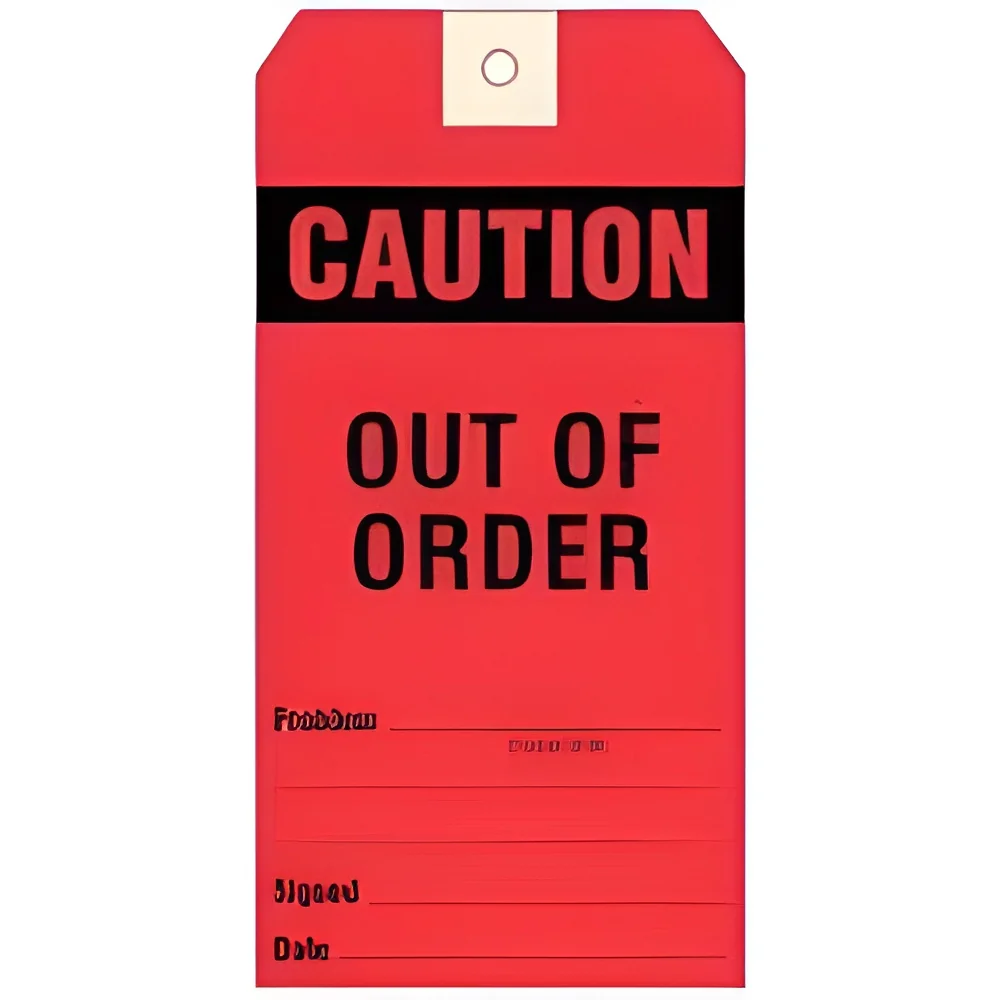
General Warning Signs: These signs indicate general hazards, utilizing universally recognized symbols and colors to alert individuals to potential dangers in the vicinity.
Safety Labels: Safety labels provide specific instructions or warnings related to equipment or processes, ensuring that users are informed about necessary precautions.
Directional Signs: Directional signs guide individuals through spaces, helping them navigate safely while being informed of potential hazards along the way.
Custom Signs: Custom signs can be designed to meet specific organizational needs, allowing businesses to convey tailored messages effectively.
Benefits and Advantages
Investing in high-quality warning signs and labels offers several significant benefits for businesses.
1. Enhanced Safety: Proper signage helps reduce accidents by keeping employees and visitors informed about potential hazards, leading to a safer environment.
2. Regulatory Compliance: Warning signs assist organizations in adhering to safety regulations and standards, mitigating legal risks associated with non-compliance.
3. Increased Awareness: Clear and visible signs raise awareness of risks, creating a culture of safety that encourages individuals to remain vigilant.
4. Customization: Many suppliers offer customizable options, allowing businesses to tailor signage to their specific needs and branding, enhancing communication.
5. Cost-Effective Solutions: High-quality warning signs and labels are durable and can prevent costly accidents, making them a valuable investment for any organization.
6. Improved Communication: Effective signage communicates important safety information quickly and clearly, reducing confusion and promoting a safer work environment.
Buying Guide for B2B Buyers
When sourcing warning signs and labels, it is essential for B2B buyers to consider several key factors to make informed decisions.
1. Quality Assessment: Evaluating the quality of materials and printing techniques is crucial. Buyers should look for signs that are durable and resistant to fading or wear over time.
2. Supplier Verification: It is important to vet suppliers to ensure they have a reliable track record and adhere to industry standards for safety and quality. Checking reviews and certifications can help in this process.
3. Pricing and MOQ: Understanding pricing structures and minimum order quantities is vital for budgeting. Buyers should compare quotes from multiple suppliers to find the best value.
4. Delivery and Lead Times: Timely delivery is critical for ensuring that safety protocols are in place. Buyers should discuss lead times and shipping options with suppliers to avoid delays.
5. Compliance Requirements: Buyers must be aware of local and international compliance standards that apply to warning signs and labels. Ensuring that products meet these requirements is essential for safety and legal adherence.
Compliance and Certifications
Compliance with safety and quality standards is essential for warning signs and labels. Relevant standards include ISO 9001, which ensures quality management systems are in place, and HACCP for food safety when applicable. Additionally, CE certification is valuable as it indicates compliance with health, safety, and environmental protection standards for products sold within the European Economic Area.
Safety and testing requirements vary by industry and may include materials testing for durability and environmental resistance. Buyers should also consider regional compliance regulations, as they can differ significantly across countries and regions. Adhering to these standards not only promotes safety but also builds trust with customers and stakeholders.
Why Source Warning Signs & Labels from Pepagora?
Pepagora provides a trusted platform for sourcing warning signs and labels, offering several key advantages to B2B buyers.
Verified Supplier Network: Pepagora features a network of verified suppliers, ensuring that buyers have access to high-quality products that meet industry standards. This verification process helps eliminate risks associated with sourcing from unverified suppliers.
Streamlined RFQ Process: The platform simplifies the request for quotation process, allowing buyers to easily compare prices, specifications, and supplier credentials. This efficiency saves time and helps buyers make informed purchasing decisions.
Trade Assurance and Support: Pepagora offers trade assurance, providing buyers with protection against potential issues during the transaction process. This support ensures a smoother purchasing experience.
Regional Coverage: With a focus on regions such as India, GCC, and Southeast Asia, Pepagora facilitates access to local suppliers while also catering to international sourcing needs. This geographic reach enhances the availability of warning signs and labels across various markets, making it easier for businesses to find the right products for their safety requirements.

 India

 India
 India

 India
Frequently Asked Questions
What are Warning Signs & Labels?
Warning Signs & Labels are visual indicators used to convey important information regarding hazards, safety procedures, or regulations in a specific environment. They serve to alert individuals to potential dangers and ensure compliance with safety standards.
What are the different types of Warning Signs & Labels?
There are several types of Warning Signs & Labels, including caution signs, hazard signs, safety instruction labels, and compliance labels. Each type is designed for specific purposes, such as indicating physical hazards, chemical risks, or operational safety procedures.
How do I choose the right Warning Signs & Labels?
When selecting Warning Signs & Labels, consider the specific hazards present in your environment, the visibility needed, and the material durability. It's also essential to comply with local regulations and standards related to safety signage.
What are the standard specifications for Warning Signs & Labels?
Standard specifications for Warning Signs & Labels typically include size, color, material type, and design elements like symbols and text. Common materials used are vinyl, aluminum, and plastic, with specifications often influenced by industry standards.
What is the price range for Warning Signs & Labels?
The price range for Warning Signs & Labels can vary widely based on factors such as size, material, and customization options. Generally, prices may start from a few rupees for basic labels to several hundred rupees for larger, specialized signs.
What quality standards apply to Warning Signs & Labels?
Warning Signs & Labels must adhere to various quality standards, such as those set by the Bureau of Indian Standards (BIS) and ISO certifications. These standards ensure that the signs are durable, legible, and effective in communicating hazards.
Where can I find Warning Signs & Labels suppliers in India?
You can find Warning Signs & Labels suppliers in India through B2B marketplaces like Pepagora, industry trade shows, or local manufacturing directories. Online platforms provide a wide range of options and allow for easy comparison of suppliers.
Can Warning Signs & Labels be customized?
Yes, Warning Signs & Labels can often be customized to meet specific requirements, including size, text, symbols, and colors. Customization allows businesses to address unique safety needs and branding requirements effectively.
What is the typical minimum order quantity for Warning Signs & Labels?
The typical minimum order quantity (MOQ) for Warning Signs & Labels varies by supplier but often ranges from 10 to 100 units. Larger orders may sometimes be required for custom designs or bulk purchases.
What is the typical lead time for Warning Signs & Labels?
The typical lead time for Warning Signs & Labels can range from a few days to several weeks, depending on the supplier, the complexity of the order, and whether customization is required. It's advisable to confirm lead times with the supplier before placing an order.
Why Businesses Trust Pepagora
Thousands of companies trust Pepagora to source smarter and sell faster
Expand Your Sales Globally

Source Smarter,Grow Faster
