What are Thermal Insulation Materials?
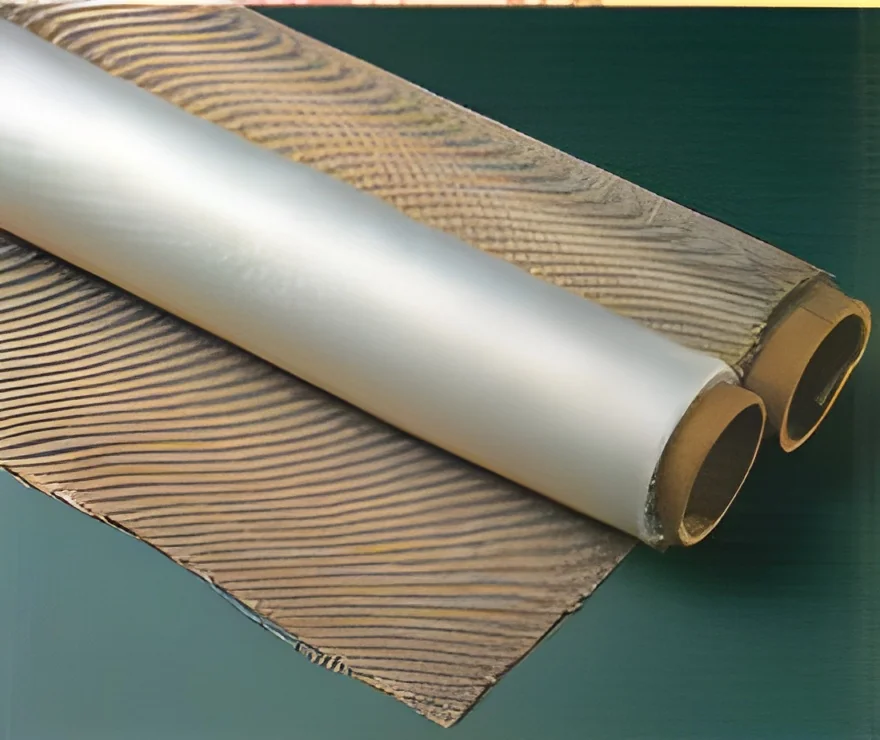
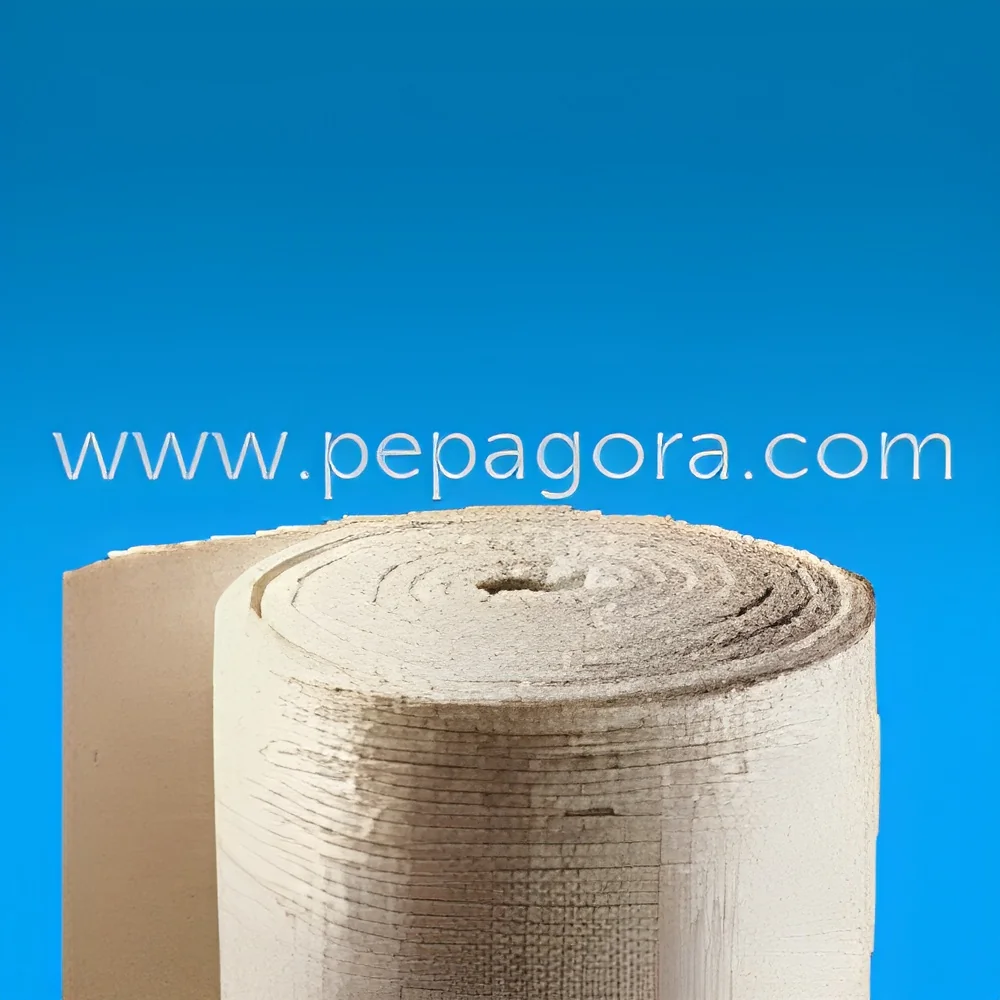
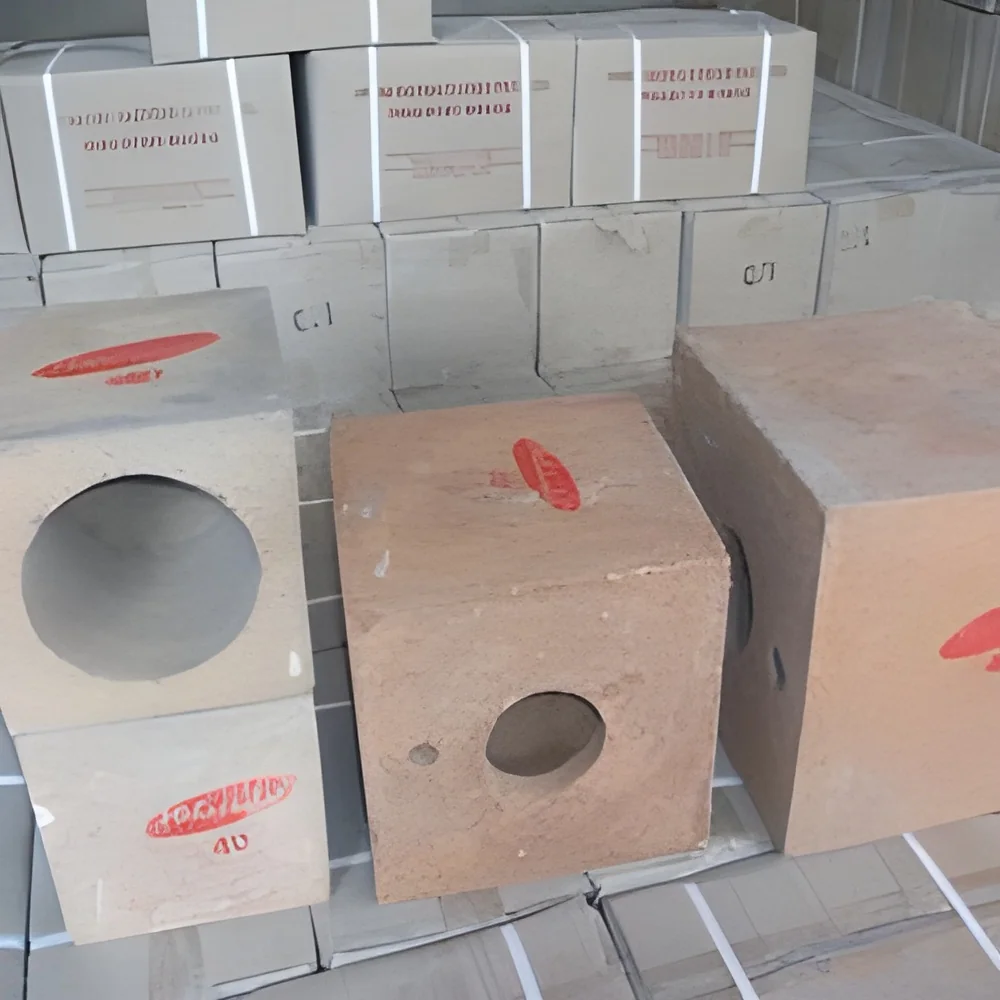
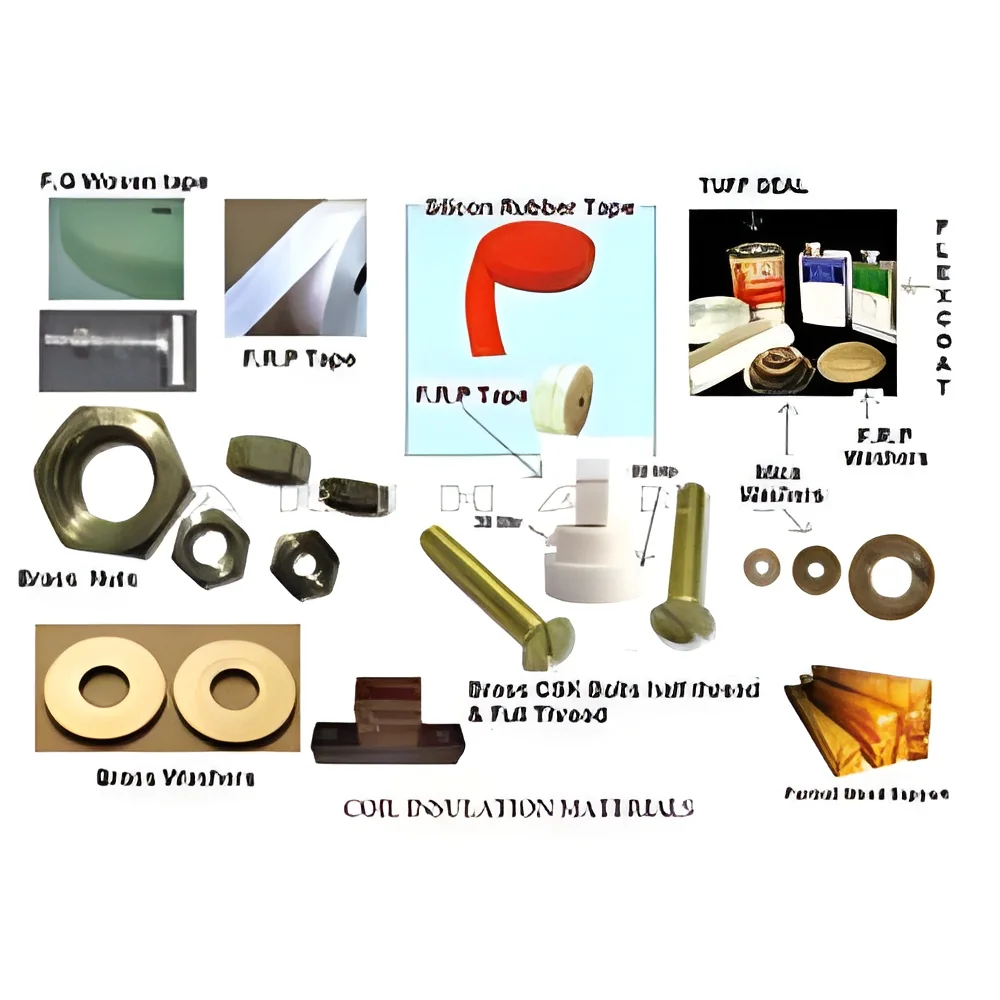
Thermal insulation materials are substances designed to reduce the transfer of heat between objects or environments. These materials are essential in various applications where temperature control is necessary. By limiting heat flow, thermal insulation enhances energy efficiency, helps maintain desired temperatures, and contributes to overall system performance. Commonly used in construction, manufacturing, and other industrial sectors, these materials play a crucial role in ensuring optimal thermal management.
In business applications, thermal insulation materials are utilized in building construction, HVAC systems, refrigeration, and pipelines. They are vital for energy conservation and can significantly lower operating costs by minimizing heat loss or gain. With increasing awareness of sustainability and energy efficiency, the demand for high-performance insulation materials is growing across multiple industries. This trend is further driven by regulatory requirements aimed at reducing energy consumption and enhancing environmental responsibility.
Key Features and Specifications
Thermal insulation materials come with a range of features and specifications that ensure their effectiveness in various applications. Understanding these specifications is crucial for selecting the right product for specific needs.
Key specifications include:
1. Thermal Conductivity
- Measures how well a material conducts heat.
- Typically expressed in watts per meter-kelvin (W/m·K), with lower values indicating better insulation performance.
2. Density
- Refers to the mass per unit volume of the material.
- Influences thermal performance and structural integrity, commonly measured in kilograms per cubic meter (kg/m³).
3. Compressive Strength
- Indicates the material's ability to withstand axial loads without failure.
- Measured in megapascals (MPa), essential for applications requiring structural support.
4. Fire Resistance
- Assesses the material's ability to resist combustion.
- Classified according to standards such as UL and CE, which indicate compliance with safety regulations.
5. Moisture Resistance
- Evaluates how well the material can resist water absorption.
- Important for applications in humid environments to prevent degradation and maintain thermal efficiency.
6. Temperature Range
- Defines the maximum and minimum temperatures the material can withstand.
- Critical for applications in extreme conditions, ensuring longevity and performance.
7. Acoustic Performance
- Measures the material's ability to dampen sound.
- Important in applications requiring noise reduction along with thermal insulation.
8. Environmental Impact
- Considers the sustainability and recyclability of the material.
- Increasingly important for companies focused on green building practices.
Selecting materials with the right specifications can significantly impact energy efficiency and operational costs.
Common Applications and Use Cases
Thermal insulation materials are utilized across diverse industries to improve energy efficiency and performance.
1. Construction: In residential and commercial buildings, thermal insulation is employed in walls, roofs, and floors to enhance energy efficiency and comfort.
2. HVAC Systems: Insulation is critical in heating, ventilation, and air conditioning systems to minimize energy loss and maintain optimal indoor temperatures.
3. Refrigeration: Insulation materials are essential in refrigerators and freezers to prevent heat gain and maintain low temperatures for food preservation.
4. Industrial Pipelines: Insulating pipes in industrial settings prevents heat loss during the transport of hot fluids, improving efficiency and reducing energy costs.
5. Automotive: Thermal insulation is used in vehicles to manage cabin temperatures and improve fuel efficiency by reducing the need for heating or cooling.
6. Aerospace: In aircraft, thermal insulation materials help protect sensitive components from extreme temperatures and enhance overall safety.
7. Marine: Insulation is important in shipbuilding to maintain temperature control in living quarters and cargo holds.
Product Variants and Subcategories
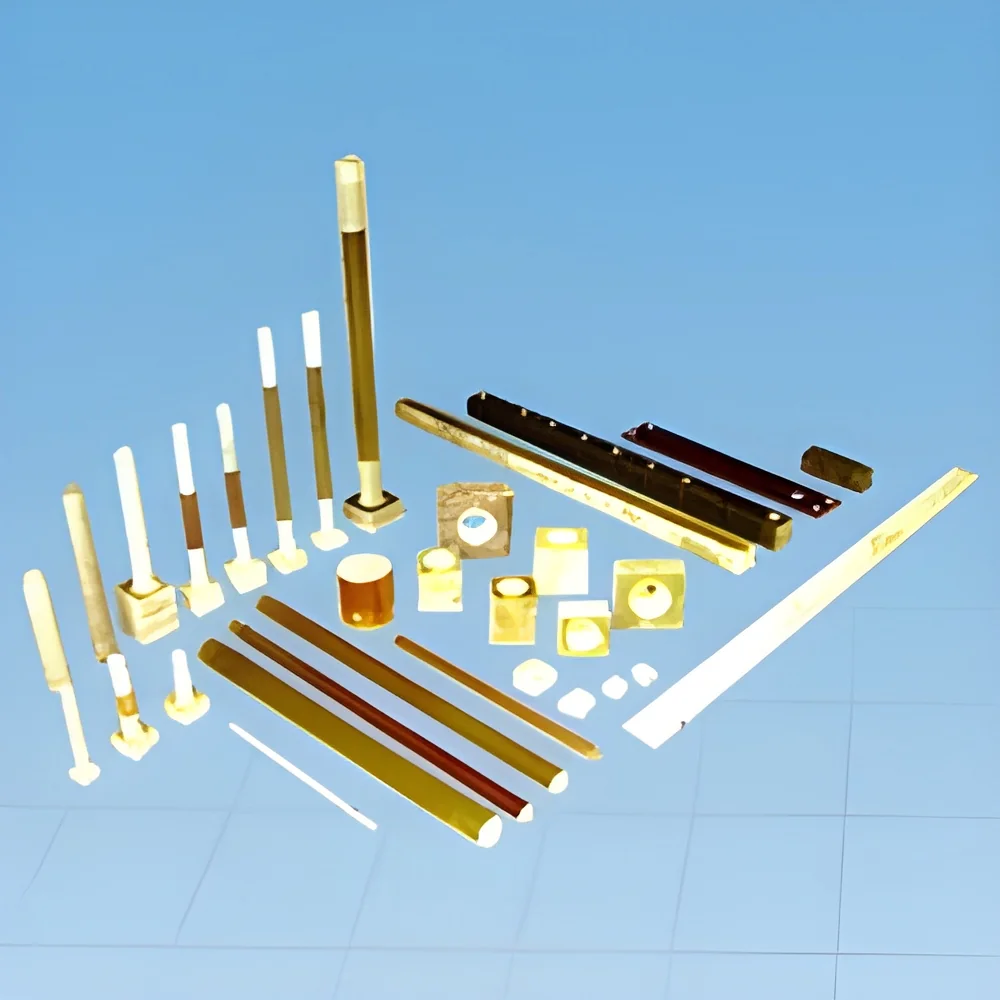
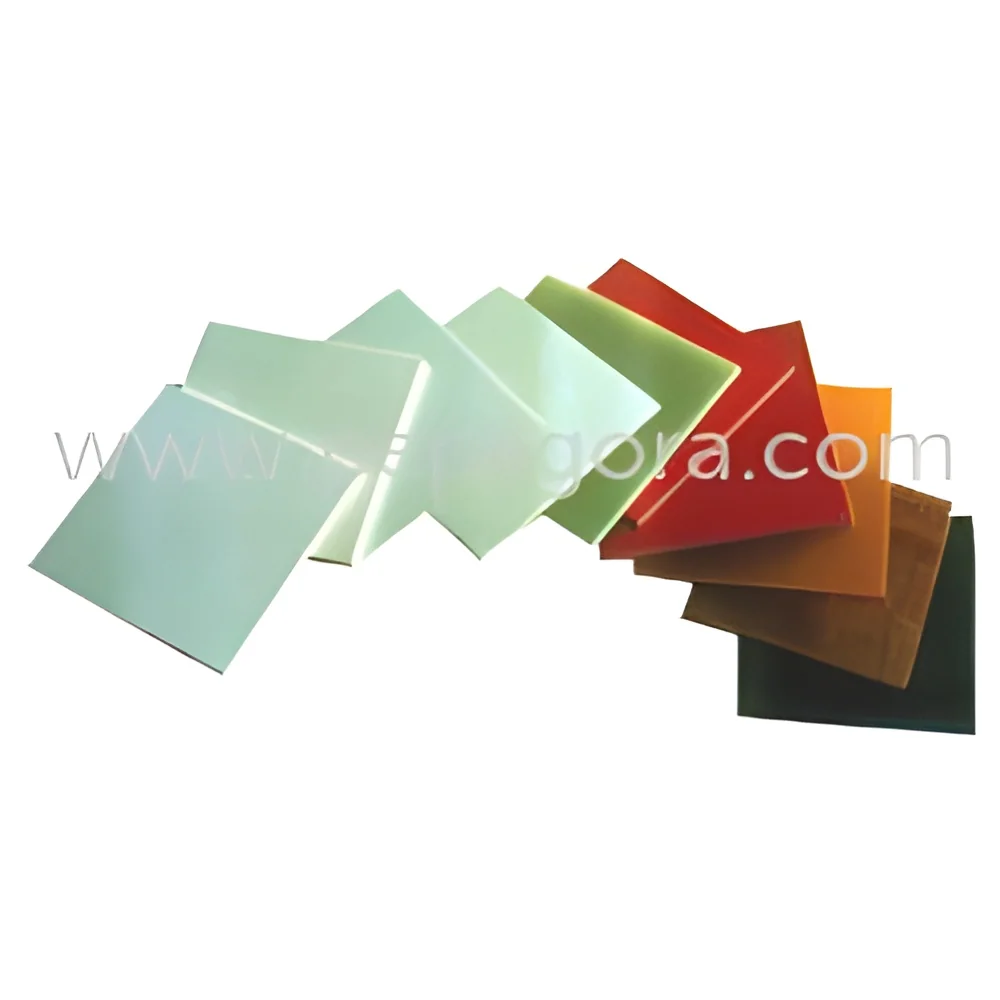
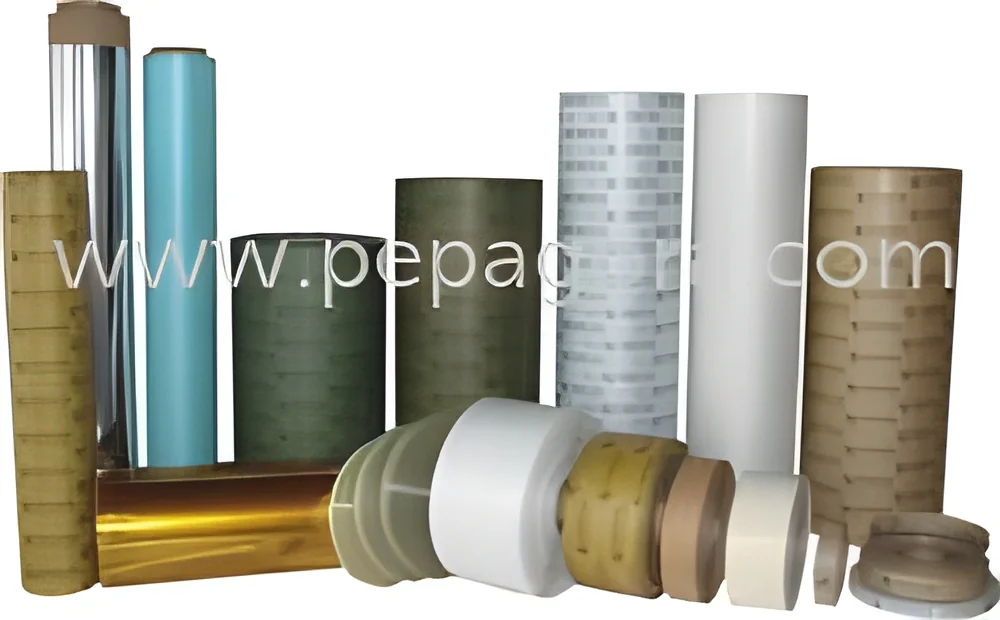
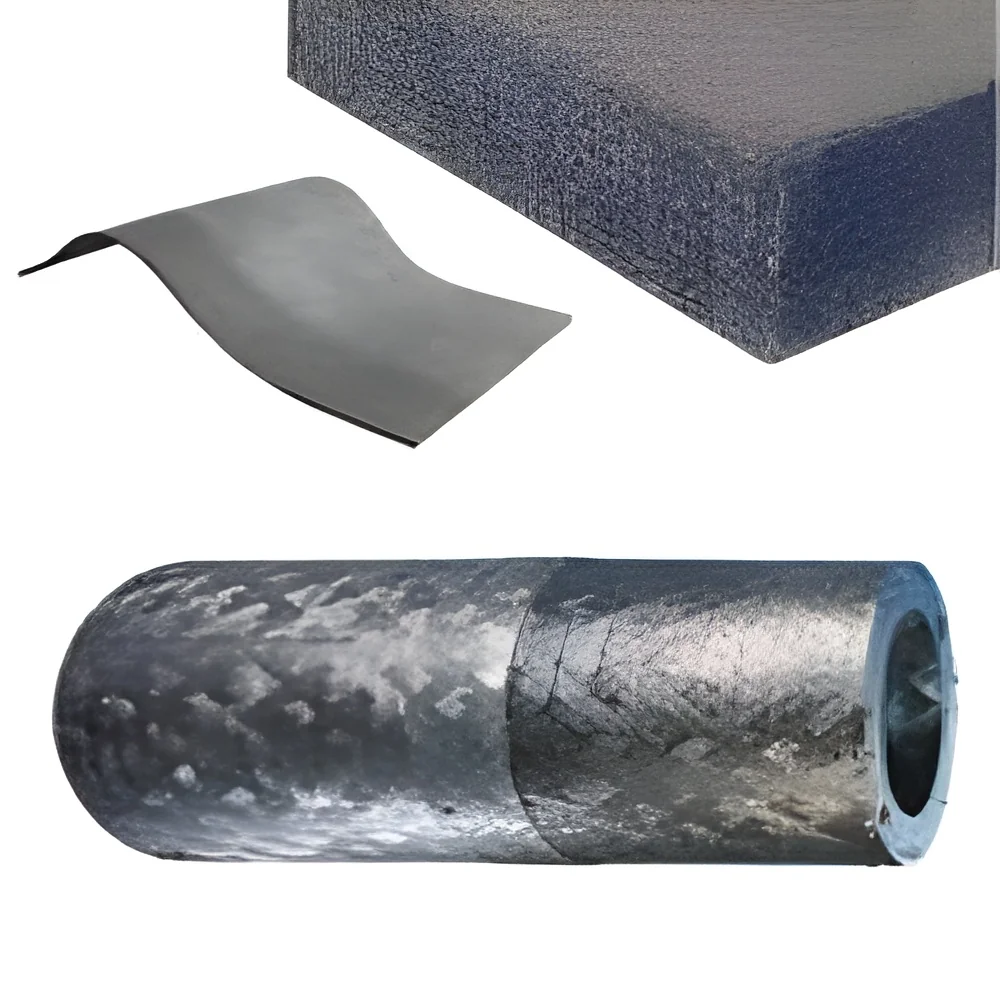
Thermal insulation materials encompass a variety of products tailored to meet different industrial needs.
Fiberglass Insulation
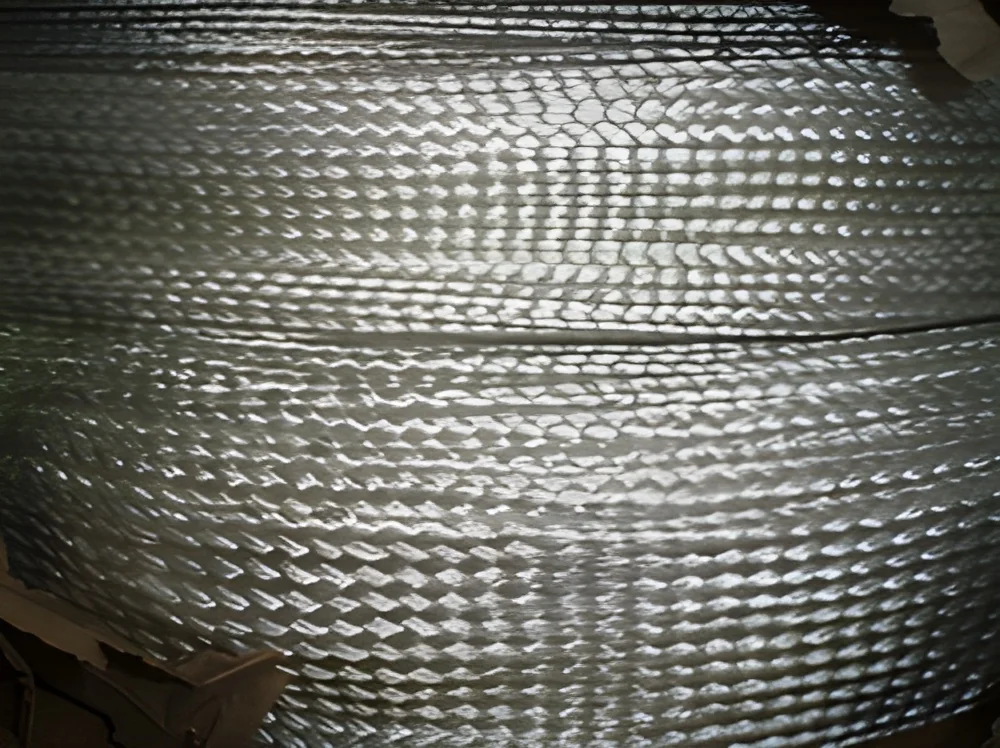
Fiberglass insulation is commonly used in residential and commercial buildings. It offers excellent thermal resistance and fire safety, making it a popular choice for walls, attics, and ductwork.
Foam Board Insulation
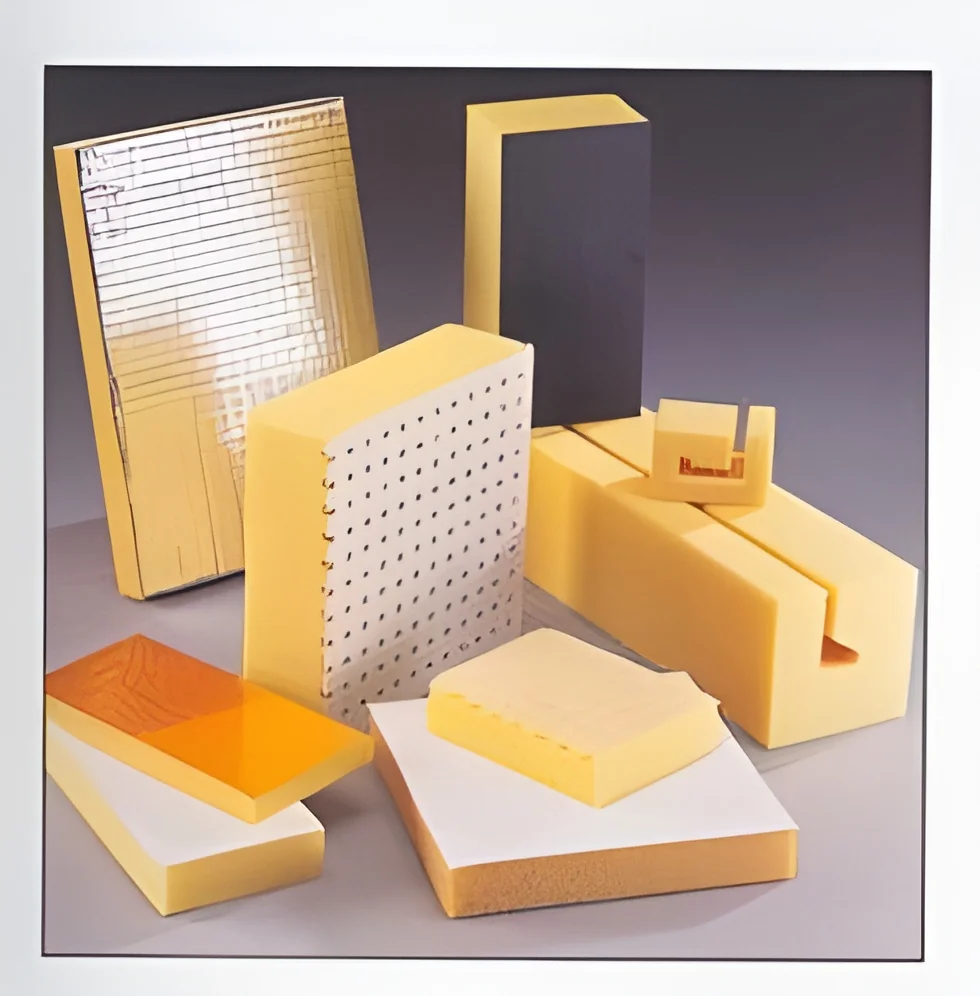
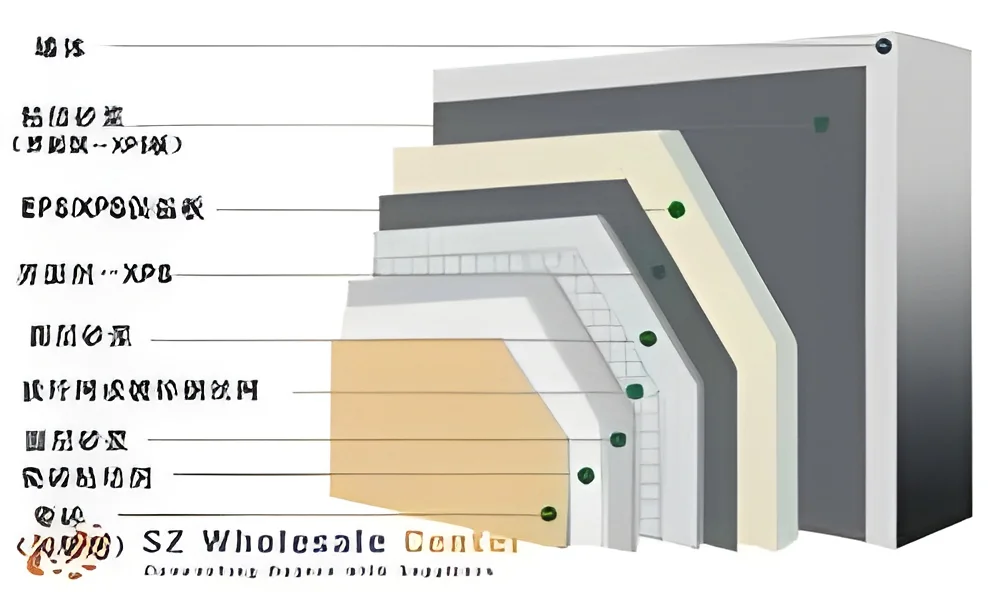
Foam board insulation is used in both new construction and retrofitting. It provides high insulation value with minimal thickness, making it ideal for use in tight spaces such as exterior walls and roofs.
Mineral Wool Insulation
Mineral wool insulation is known for its soundproofing and fire-resistant properties. It is widely used in commercial buildings and industrial applications, providing thermal and acoustic insulation.
Reflective Insulation
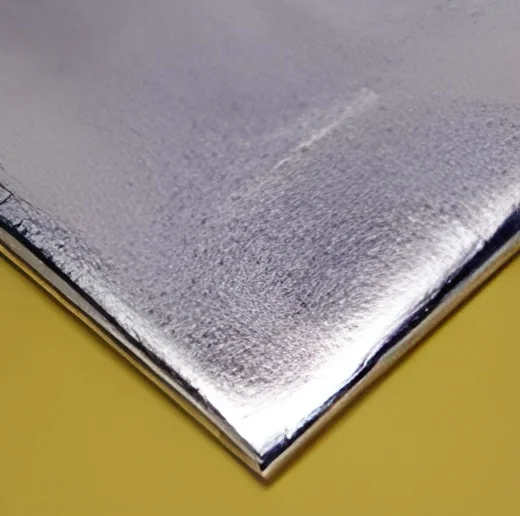
Reflective insulation materials are designed to reflect radiant heat. They are often used in attics and under roofs, helping to keep buildings cool in hot climates.
Benefits and Advantages
Thermal insulation materials provide numerous advantages that contribute to energy efficiency, cost savings, and enhanced comfort.
1. Energy Efficiency: Effective thermal insulation significantly reduces energy consumption, lowering utility bills and environmental impact.
2. Cost Savings: By minimizing heating and cooling needs, businesses can save on operational costs over time, offering a strong return on investment.
3. Enhanced Comfort: Proper insulation maintains stable indoor temperatures, improving comfort for occupants in residential and commercial spaces.
4. Noise Reduction: Many insulation materials also provide soundproofing, creating quieter environments in offices, homes, and industrial settings.
5. Fire Safety: Insulation materials with fire-resistant properties enhance safety in buildings, reducing the risk of fire-related incidents.
6. Environmental Sustainability: Choosing eco-friendly insulation materials contributes to sustainable building practices, appealing to environmentally conscious consumers.
Buying Guide for B2B Buyers
When sourcing thermal insulation materials, several factors should be considered to ensure the best choice for your needs.
1. Quality Assessment: Evaluate materials based on their performance specifications and certifications to ensure they meet industry standards.
2. Supplier Verification: Conduct thorough checks on suppliers, looking for established companies with positive reviews and a history of reliability.
3. Pricing and MOQ: Understand the pricing structure and minimum order quantities (MOQ) to ensure the solution fits your budget and project scale.
4. Delivery and Lead Times: Inquire about logistics, including lead times for delivery, to align with project schedules and avoid delays.
5. Compliance Requirements: Familiarize yourself with local and international compliance standards relevant to thermal insulation materials, ensuring your products meet necessary regulations.
Compliance and Certifications
Thermal insulation materials must adhere to various quality standards and certifications to ensure safety and effectiveness.
Relevant quality standards such as ISO 9001 play a critical role in governing manufacturing processes and ensuring consistent quality. These standards help businesses maintain high levels of quality control and operational efficiency.
Industry certifications, including UL and CE, provide assurance of product safety and compliance with regulatory requirements. Products bearing these certifications have undergone rigorous testing and evaluation to confirm their performance and safety characteristics.
Safety and testing requirements are essential to guarantee that insulation materials can withstand various conditions and hazards. This includes assessments for fire resistance, moisture resistance, and overall durability.
Regional compliance considerations may vary based on geographic location. It is crucial for businesses to stay informed about local regulations and standards governing thermal insulation materials to ensure compliance and avoid potential penalties.
Why Source Thermal Insulation Materials from Pepagora?
Pepagora provides a trusted platform for sourcing thermal insulation materials with several key advantages.
Verified Supplier Network: Pepagora offers a comprehensive network of verified suppliers, ensuring that buyers can source high-quality materials from reputable manufacturers. This vetting process helps mitigate risks associated with procurement.
Streamlined RFQ Process: The request for quotation (RFQ) system simplifies the procurement process. Buyers can easily submit their requirements and receive competitive quotes, making it efficient to compare options and make informed decisions.
Trade Assurance and Support: Pepagora emphasizes buyer protection through trade assurance measures. This includes support for resolving disputes and ensuring that transactions are completed smoothly.
Regional Coverage: With a strong presence in India, GCC, and Southeast Asia, Pepagora connects buyers with suppliers across a wide geographic area, facilitating access to diverse thermal insulation products suited to various market needs.

 IN
IN

 India
India