IN
IN₹
Apparel & Fashion
Description
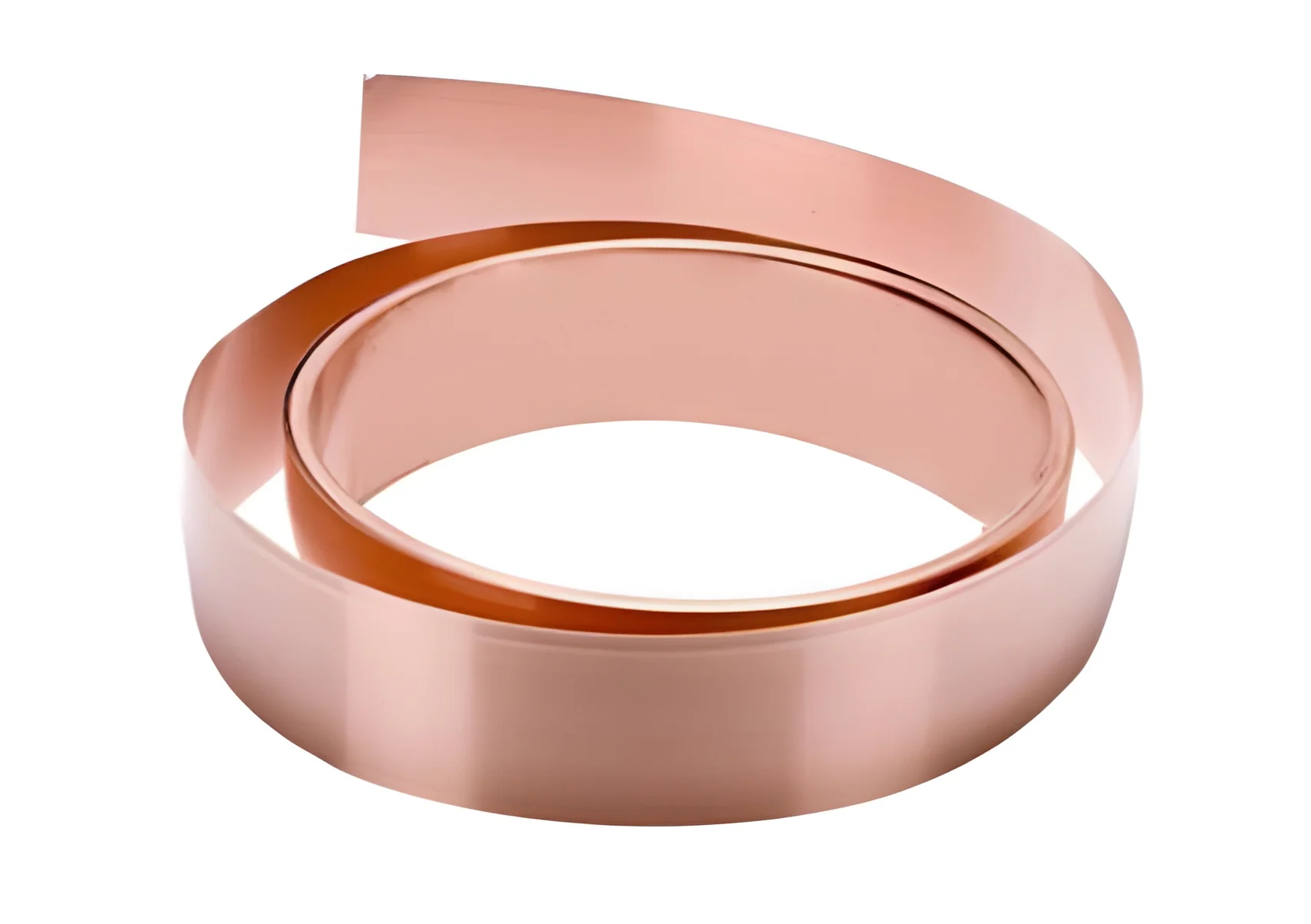
Bimetallic strips are fundamental thermal actuators engineered by bonding two distinct metal layers with different thermal expansion rates. When subjected to temperature changes, this composite structure bends predictably due to the unequal expansion of the metals. This simple yet highly effective principle enables automatic, mechanical response to heat, making these strips a cornerstone technology for sensing, control, and safety functions. They are valued for their durability, consistent performance across cycles, and ability to operate without external power sources, providing a fail-safe mechanism in critical applications.

These components are vital across a spectrum of industries. In manufacturing, they safeguard heavy machinery and process lines from thermal overload. The appliance industry relies on them for safety cut-offs in products like electric kettles and hair dryers. HVAC systems utilize them in thermostats for climate control, while the automotive and aerospace sectors ...
Bimetallic strips are fundamental thermal actuators engineered by bonding two distinct metal layers with different thermal expansion rates. When subjected to temperature changes, this composite structure bends predictably due to the unequal expansion of the metals. This simple yet highly effective principle enables automatic, mechanical response to heat, making these strips a cornerstone technology for sensing, control, and safety functions. They are valued for their durability, consistent performance across cycles, and ability to operate without external power sources, providing a fail-safe mechanism in critical applications.

These components are vital across a spectrum of industries. In manufacturing, they safeguard heavy machinery and process lines from thermal overload. The appliance industry relies on them for safety cut-offs in products like electric kettles and hair dryers. HVAC systems utilize them in thermostats for climate control, while the automotive and aerospace sectors integrate them into thermal indicators and protection circuits. Their versatility also extends to electrical panels, power distribution equipment, and consumer electronics, where reliable temperature management is non-negotiable for both performance and safety.

For businesses, integrating these bimetallic strips translates into enhanced product reliability and operational safety. Their proven design minimizes the risk of thermal failure in equipment, protecting valuable assets and reducing downtime. The long operational life and consistent actuation point lower maintenance needs and replacement costs. By offering a dependable, self-contained solution for temperature response, they simplify system design, improve end-product safety ratings, and help manufacturers meet stringent quality and compliance standards, building trust with end-users.

Key Features:
- Constructed from two bonded metals with differing thermal expansion coefficients for predictable bending.
- Designed for precise thermal sensitivity and consistent actuation at specified temperature thresholds.
- Offers high mechanical stability and resilience to withstand repeated thermal cycling and stress.
- Engineered for a long operational lifespan with minimal performance degradation over time.
- Provides a purely mechanical response, requiring no external power for core switching function.

Benefits:
- Ensures reliable and automatic temperature control and safety switching in diverse applications.
- Enhances product safety by providing a fail-safe mechanism to prevent overheating and damage.
- Reduces system complexity and cost by eliminating the need for electronic sensors in many cases.
- Delivers durable performance with low maintenance requirements, lowering total cost of ownership.
- Enables compliance with safety standards for electrical, industrial, and consumer products.
Specifications
| Additional Information | |
|---|---|
| Country of Origin | 106 |
Application
These precision-engineered bimetallic strips serve as the core component in countless thermal management systems. Their predictable and repeatable bending action in response to temperature changes makes them indispensable for creating reliable, automatic controls and safety cut-offs without the need for external power or complex electronics.
From simple household appliances to complex industrial machinery, these strips provide a fundamental solution for temperature-based actuation. Their robust construction allows them to function effectively in diverse environments, handling the thermal cycles and mechanical demands of continuous operation while maintaining accuracy and consistency over long service periods.
- Temperature regulation and on/off switching in residential and commercial thermostats for HVAC systems.
- Overload protection in motors, transformers, and power tools by breaking circuits during dangerous temperature rises.
- Safety cut-off devices in electric irons, water heaters, coffee makers, and kitchen appliances to prevent overheating.
- Temperature sensing and control mechanisms in industrial ovens, furnaces, and process heating equipment.
- Actuation for indicators, circuit breakers, and thermal relays in automotive, aerospace, and electrical panel applications.
Trade Details
| Available Stock | In Stock |
| Sample Availability | No |
Payment Terms
| Payment Terms |
|
Company Profile
Bimetal Bearings Ltd, Tamil Nadu
 Tamil Nadu, India
Tamil Nadu, IndiaIndustrial Equipment & Machinery•Manufacturer
Factory Details
Factory SizeBelow 1000 sqm
Bimetallic Strips For Thermal Sensing Temperature Control Switching Electrical Industrial
High-quality bimetallic strips for precise thermal sensing, temperature control, and switching in electrical and industrial systems, ensuring reliable operation.
Min. Order Quantity: 1 Foot
Shipping
Shipping fee and delivery date to be negotiated. Contact supplier now for more details.
Bimetal Bearings Ltd
 Tamil Nadu, India
Tamil Nadu, IndiaIndustrial Equipment & MachineryManufacturer