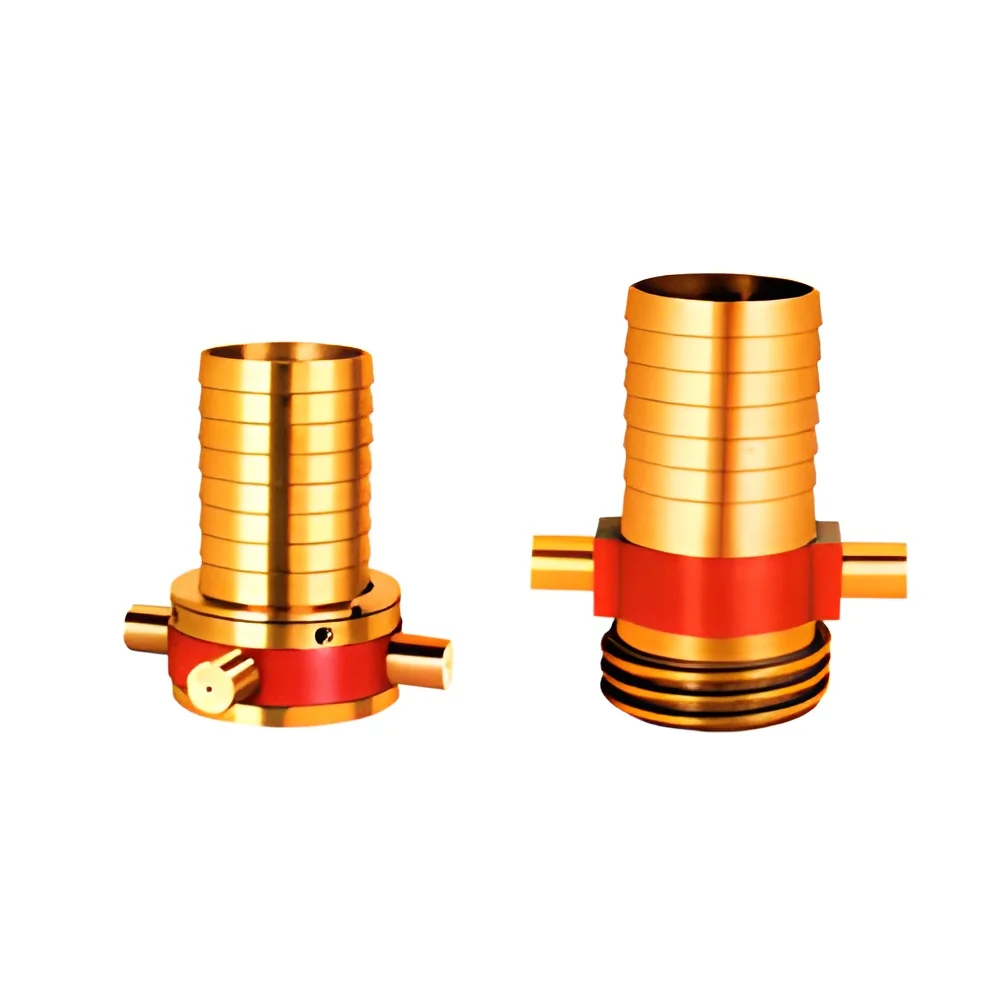
What are Suction Strainers?
Suction strainers are essential components used in various industrial processes to filter out unwanted debris and contaminants from liquids before they enter pumps and other equipment. These devices are typically installed on the suction side of a pump, ensuring that only clean fluid is drawn into the system. Suction strainers help prevent damage to equipment, reduce maintenance costs, and enhance overall operational efficiency.
The primary uses of suction strainers extend across multiple industries, including water treatment, oil and gas, chemical processing, and food and beverage manufacturing. In these applications, they play a critical role in maintaining the integrity of fluid systems by removing particulate matter that could lead to pump failure or reduced performance. The demand for suction strainers continues to grow as industries increasingly prioritize equipment protection and operational reliability.
In the current market context, suction strainers are recognized for their importance in maintaining the quality of fluid systems. As manufacturers seek to improve efficiencies and extend the lifespan of their equipment, the role of suction strainers becomes increasingly critical. Industry standards and regulations further emphasize the need for effective filtration solutions, making suction strainers a vital part of modern industrial operations.
Key Features and Specifications
Suction strainers are designed with specific features and specifications to meet the diverse needs of various applications. Their construction often includes durable materials capable of withstanding harsh environments. Understanding these specifications can help businesses select the right suction strainers for their needs.
Key specifications include:
1. Material Construction
- Typically made from stainless steel or plastic
- Resistant to corrosion and suitable for different fluid types
2. Mesh Size
- Various mesh sizes available to accommodate different filtration needs
- Common sizes range from 10 microns to 1000 microns
3. Flow Rate
- Designed to handle specific flow rates depending on the application
- Flow rates can vary significantly based on size and mesh configuration
4. Connection Types
- Available in various connection styles, including threaded and flanged
- Ensures compatibility with existing piping systems
5. Pressure Rating
- Rated for specific pressure levels to ensure safe operation
- Common pressure ratings range from 150 psi to 300 psi
6. Size Variations
- Offered in multiple sizes to fit different piping systems
- Standard sizes range from 1 inch to 12 inches in diameter
7. Temperature Resistance
- Capable of operating under various temperature conditions
- Typically ranges from -20°C to 100°C
8. Certification
- Many suction strainers comply with industry standards such as CE
- Ensures reliability and safety in application
Suction strainers bring numerous benefits to industrial operations. Assessing their features and specifications is crucial for selecting the right products for specific applications.
Common Applications and Use Cases
Suction strainers have versatile applications across numerous industries, helping to ensure smooth operations in various environments.
1. Water Treatment: In water treatment facilities, suction strainers protect pumps and filtration systems by removing sand, silt, and other debris from incoming water sources.
2. Oil and Gas: In the oil and gas sector, suction strainers are used to filter crude oil and natural gas before processing, preventing contamination that could disrupt operations.
3. Chemical Processing: Chemical plants utilize suction strainers to maintain the integrity of their fluid systems by filtering out particulates that could affect chemical reactions.
4. Food and Beverage: In food processing, suction strainers are critical for ensuring that liquids entering production lines are free from contaminants, thus adhering to safety and quality standards.
5. HVAC Systems: Suction strainers are used in HVAC systems to prevent debris from clogging pumps and reducing system efficiency.
6. Marine Applications: In marine environments, suction strainers protect engines and cooling systems by filtering seawater used in various operations.
7. Pharmaceutical Manufacturing: In the pharmaceutical industry, suction strainers ensure that fluids used in production are clean, preventing contamination of sensitive products.
Product Variants and Subcategories
Suction strainers come in various designs to suit different operational needs and environments. While specific subcategories are not available, the diversity within suction strainers allows for tailored solutions.
Stainless Steel Suction Strainers
These strainers are designed for durability and corrosion resistance, making them ideal for harsh chemical environments. They are commonly used in oil and gas applications where reliability is crucial.
Plastic Suction Strainers
Lightweight and resistant to corrosion, plastic suction strainers are often used in water treatment and food processing applications. They offer a cost-effective solution for filtering fluids without compromising quality.
Custom Suction Strainers
Many manufacturers offer custom suction strainers tailored to specific requirements. These can include unique mesh sizes, connection types, and materials, ensuring a perfect fit for specialized applications.
Benefits and Advantages
Suction strainers provide several key benefits that enhance operational efficiency and equipment longevity.
1. Equipment Protection: By filtering out debris and contaminants, suction strainers protect pumps and other machinery from damage, leading to reduced maintenance costs.
2. Improved Efficiency: Clean fluid systems operate more efficiently, minimizing energy consumption and maximizing output.
3. Extended Equipment Lifespan: Regular use of suction strainers can significantly extend the lifespan of pumping systems and related equipment.
4. Compliance Assurance: Many suction strainers meet industry standards and certifications, ensuring that operations remain compliant with regulations.
5. Versatility: Suction strainers can be used in a wide range of applications across various industries, making them a versatile solution for fluid filtration.
6. Cost-Effective: Investing in suction strainers can lead to long-term savings by reducing downtime and maintenance expenses associated with equipment failure.
Buying Guide for B2B Buyers
When sourcing suction strainers, several essential factors should be considered to ensure the right selection for your application.
1. Quality Assessment: It is crucial to evaluate the quality of suction strainers by examining materials, construction standards, and performance metrics. Look for products that meet industry certifications for reliability.
2. Supplier Verification: Vetting suppliers is vital to ensure that they have a proven track record in providing quality products. Check for customer reviews and request references to gauge their reputation.
3. Pricing and MOQ: Understand the pricing structure and minimum order quantities (MOQ) set by suppliers. This information is essential for budgeting and planning your procurement strategy.
4. Delivery and Lead Times: Confirm the delivery timelines and lead times for the suction strainers. Timely delivery is important for maintaining production schedules and avoiding delays.
5. Compliance Requirements: Be aware of any regulatory compliance requirements relevant to your industry. Ensure that the suction strainers you choose meet necessary standards for safety and quality.
Compliance and Certifications
Compliance and certifications are vital in ensuring that suction strainers meet industry standards for quality and safety. Many suction strainers adhere to ISO 9001, which emphasizes quality management systems. This certification ensures that products are manufactured consistently and meet customer expectations.
Additionally, suction strainers may hold certifications such as CE, which indicates compliance with European safety standards. These certifications are important for businesses that operate globally or within regulated industries.
Safety and testing requirements also play a crucial role in the manufacturing of suction strainers. Regular testing ensures that the products can withstand various operational conditions and maintain performance over time. It is essential to consider regional compliance factors when sourcing suction strainers, as different regions may have specific regulations governing industrial products.
Why Source Suction Strainers from Pepagora?
Pepagora offers a reliable platform for sourcing suction strainers, providing several key advantages to B2B buyers.
Verified Supplier Network: Pepagora has a robust network of verified suppliers, ensuring that buyers have access to high-quality products from reputable manufacturers. This verification process helps mitigate risks associated with sourcing.
Streamlined RFQ Process: The platform facilitates an efficient request for quotation (RFQ) process, allowing buyers to easily compare prices and specifications from multiple suppliers. This system simplifies the procurement process and saves time.
Trade Assurance and Support: Pepagora provides trade assurance to protect buyers throughout the purchasing process. With dedicated support, buyers can navigate any challenges that arise during sourcing.
Regional Coverage: Pepagora's geographic reach extends across India, the GCC, and Southeast Asia, making it easier for businesses to find suitable suppliers regardless of their location. This regional coverage enhances access to a diverse range of suction strainers tailored to specific industrial needs.

 IN
IN