What are Single Line Lubrication Systems?
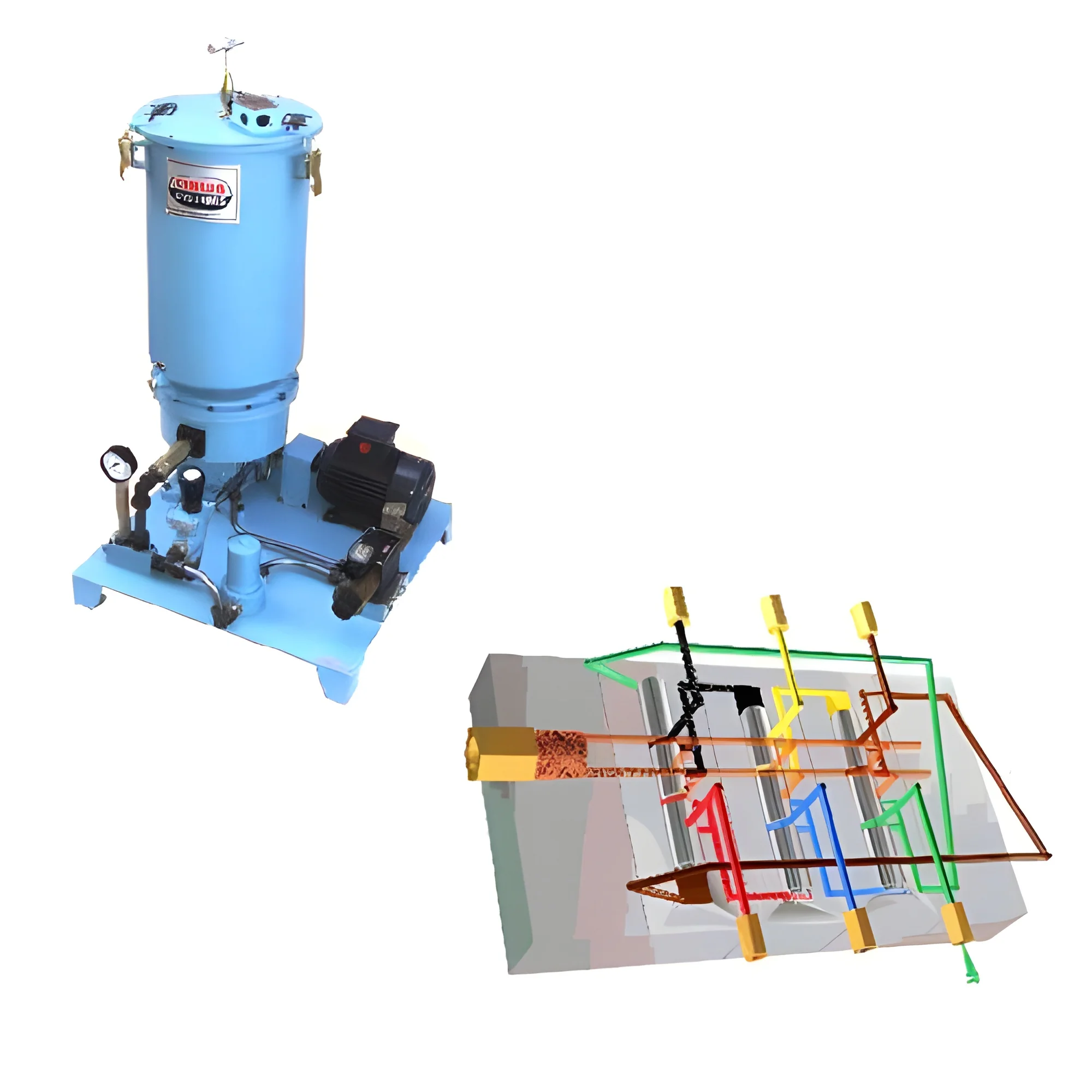
Single Line Lubrication Systems are automated solutions designed to provide precise lubrication to multiple points in machinery and equipment through a single line of distribution. These systems utilize a network of pipes, pumps, and valves to deliver lubricant efficiently to various components without the need for manual application. The primary advantage of these systems is their ability to ensure consistent lubrication, reducing friction and wear, which can lead to improved operational efficiency and extended equipment lifespan.
These systems are commonly used in industries where machinery operates continuously, such as manufacturing, automotive, and mining. They ensure that critical components receive the necessary lubrication at all times, minimizing downtime due to lubrication-related failures. In a market increasingly focused on automation and efficiency, Single Line Lubrication Systems are becoming essential for businesses seeking to improve maintenance practices and reduce operational costs.
The relevance of Single Line Lubrication Systems in the industrial landscape is significant. As businesses strive to enhance productivity while minimizing maintenance costs, these systems offer a reliable solution. With the growing trend towards smart manufacturing and predictive maintenance, the demand for automated lubrication solutions is expected to rise, positioning Single Line Lubrication Systems as a critical component in modern industrial operations.
Key Features and Specifications
Single Line Lubrication Systems come with several essential features that enhance their functionality and efficiency. Understanding these key specifications is crucial for businesses looking to implement such systems in their operations.
Key specifications include:
1. Lubrication Point Capacity
- Typically supports up to 20 lubrication points
- Ensures uniform distribution of lubricant to each point
2. Pump Type
- Gear or diaphragm pumps are commonly used
- Designed for high efficiency and durability
3. System Pressure
- Operating pressure usually ranges from 5 to 25 bar
- Ensures effective lubricant delivery under various conditions
4. Lubricant Type
- Compatible with grease and oil lubricants
- Flexibility in lubricant choices enhances system adaptability
5. Control Options
- Manual and automatic control options are available
- Automated systems often feature sensors for monitoring lubricant levels
6. Materials of Construction
- Made from corrosion-resistant materials
- Ensures longevity and reliability in harsh environments
7. Maintenance Requirements
- Low maintenance design with easy access for servicing
- Regular checks recommended to ensure optimal performance
8. Installation Flexibility
- Can be installed in various configurations to suit different layouts
- Adaptable to both new and existing machinery setups
These features collectively enhance the operational efficiency and reliability of Single Line Lubrication Systems, making them a smart choice for industries focused on maintenance and productivity.
Common Applications and Use Cases
Single Line Lubrication Systems find applications across various industries due to their efficiency in delivering lubrication.
1. Manufacturing: These systems are used in assembly lines and production machinery to maintain consistent lubrication, reducing wear and downtime.
2. Automotive: In automotive manufacturing, Single Line Lubrication Systems are employed to lubricate robotic arms and conveyor systems, enhancing production speed and reliability.
3. Mining: These systems are vital in mining operations for lubricating heavy equipment, ensuring they operate smoothly under harsh conditions.
4. Food and Beverage: In this industry, the systems help maintain hygiene by automating lubrication processes, reducing the risk of contamination.
5. Construction: Heavy machinery used in construction benefits from these systems, which provide reliable lubrication to extend equipment life.
6. Marine: Ships and marine equipment require consistent lubrication, making Single Line Lubrication Systems essential for operational efficiency.
7. Renewable Energy: Wind turbines utilize these systems to ensure that moving parts are adequately lubricated, contributing to their reliability and performance.
Product Variants and Subcategories
Single Line Lubrication Systems offer a variety of configurations to meet specific operational needs.
Standard Single Line Lubrication Systems
These systems are designed for general industrial applications, offering reliable performance for multiple lubrication points with straightforward installation.
Heavy-Duty Single Line Lubrication Systems
Specifically engineered for harsh environments, these systems are constructed from robust materials to withstand extreme conditions while providing consistent lubrication.
Compact Single Line Lubrication Systems
Ideal for smaller machinery and applications with limited space, these compact systems deliver the same efficiency in a more space-efficient design.
Automatic Single Line Lubrication Systems
Equipped with advanced sensors and control mechanisms, these systems automate the lubrication process, ensuring that machinery is always properly lubricated without manual intervention.
Benefits and Advantages
Investing in Single Line Lubrication Systems presents numerous advantages for businesses.
1. Increased Equipment Lifespan: Regular and precise lubrication minimizes wear and tear on machinery, extending its operational life.
2. Reduced Downtime: Automated systems decrease the likelihood of lubrication-related failures, leading to fewer interruptions in operations.
3. Enhanced Operational Efficiency: Consistent lubrication improves machine performance, enabling higher productivity levels.
4. Labor Savings: Automation reduces the need for manual lubrication, allowing personnel to focus on more critical tasks.
5. Improved Safety: By minimizing the risk of equipment failure, these systems enhance workplace safety for operators.
6. Cost Effectiveness: Long-term savings on maintenance and repairs contribute to overall cost efficiency, making these systems a sound investment.
Buying Guide for B2B Buyers
When considering the acquisition of Single Line Lubrication Systems, several factors should be taken into account to ensure the right choice is made.
1. Quality Assessment: Look for systems that meet industry standards and have a proven track record of reliability. Check for material durability and design effectiveness.
2. Supplier Verification: Vet suppliers to ensure they have a solid reputation and offer quality products. Consider their experience and customer reviews.
3. Pricing and MOQ: Understand the pricing structure and minimum order quantities. Compare quotes from multiple suppliers for the best value.
4. Delivery and Lead Times: Confirm delivery schedules and lead times to ensure timely installation and operation. Factor in logistics planning for seamless integration.
5. Compliance Requirements: Ensure the systems comply with relevant industry regulations and standards. This includes safety certifications and quality marks.
Compliance and Certifications
Compliance and certifications are crucial aspects of Single Line Lubrication Systems that ensure quality and safety in operations. Many systems adhere to international quality standards such as ISO 9001, which focuses on quality management systems to enhance customer satisfaction. Additionally, food-related applications may require compliance with HACCP guidelines to ensure safety in food processing environments.
CE certification is also important, indicating that the product meets European safety, health, and environmental protection standards. Furthermore, manufacturers must consider various safety and testing requirements specific to their operational regions, ensuring that the systems they provide meet local legislation and guidelines.
Regional compliance considerations can vary significantly. It is essential to familiarize oneself with the specific regulations that apply in the geographical areas where the systems will be used, particularly in industries with stringent safety and quality standards.
Why Source Single Line Lubrication Systems from Pepagora?
Pepagora provides a trusted platform for sourcing Single Line Lubrication Systems, offering several key advantages to B2B buyers.
Verified Supplier Network: Pepagora connects buyers with a network of verified suppliers who have been vetted for quality and reliability. This ensures that businesses can source high-quality systems with confidence.
Streamlined RFQ Process: The platform offers an efficient Request for Quotation (RFQ) process, allowing buyers to compare multiple quotes easily and select the best option for their needs.
Trade Assurance and Support: Pepagora provides trade assurance to protect buyers, ensuring that transactions are secure and that support is available throughout the purchasing process.
Regional Coverage: With a strong presence in India, the GCC, and Southeast Asia, Pepagora offers regional coverage that facilitates sourcing for businesses looking to expand their operations across these markets. This broad reach allows buyers to find suitable suppliers close to their operational bases, enhancing logistics and support.

 IN
IN