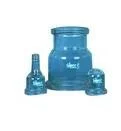
What are Sight Glasses & Level Indicators?
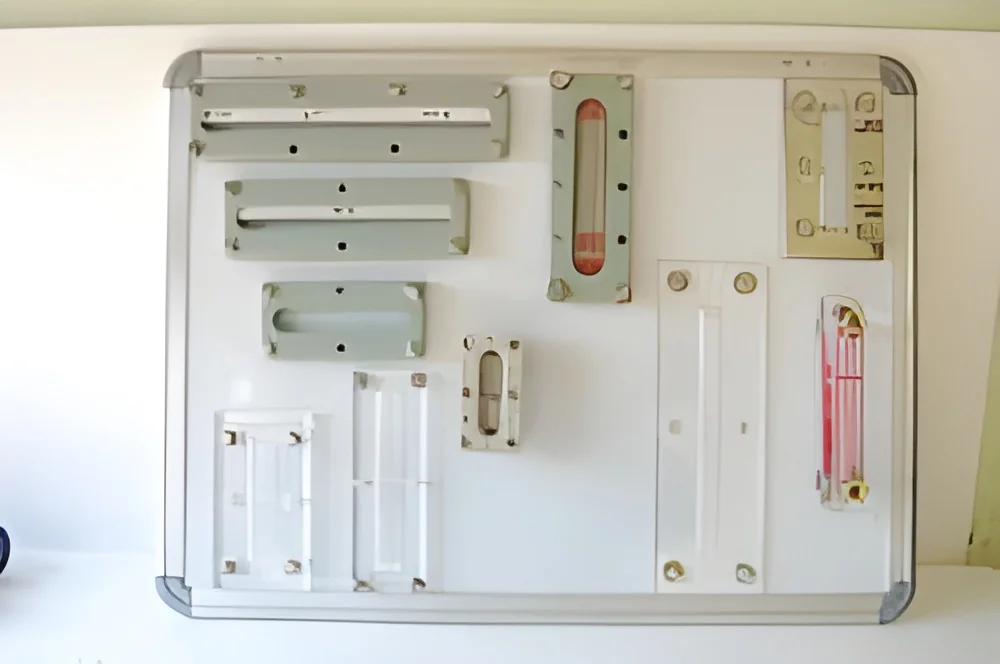
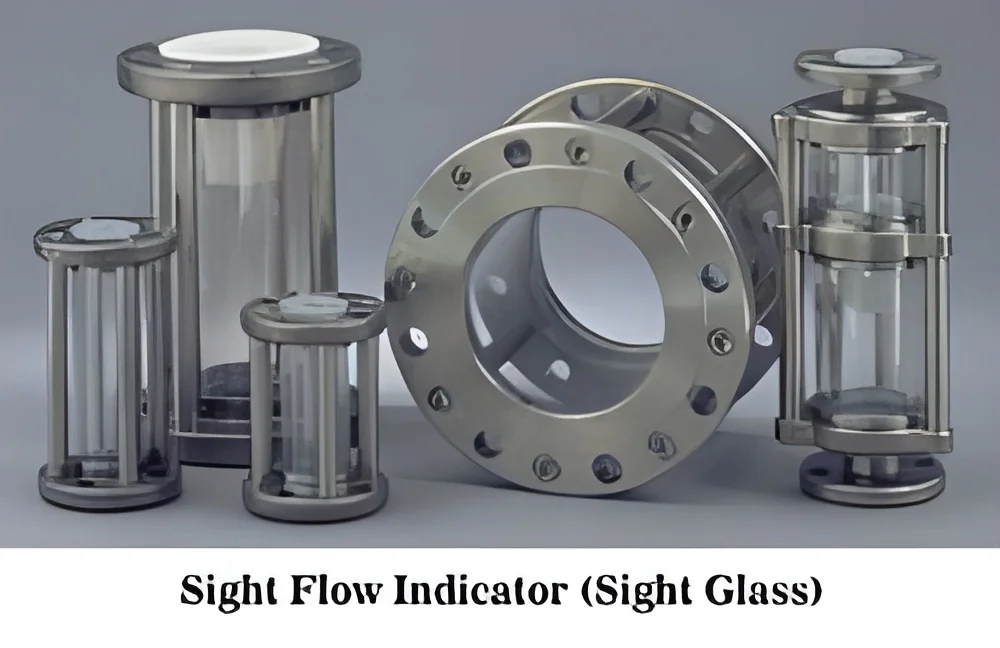
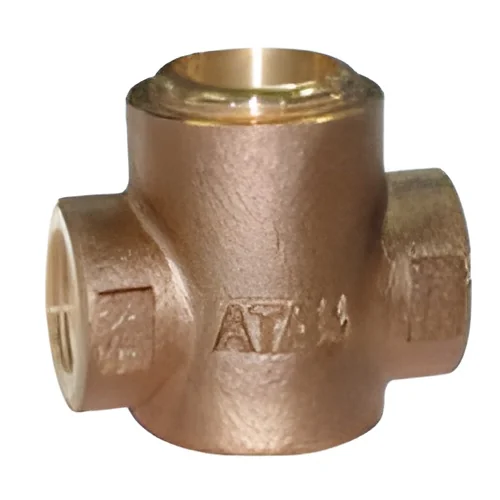
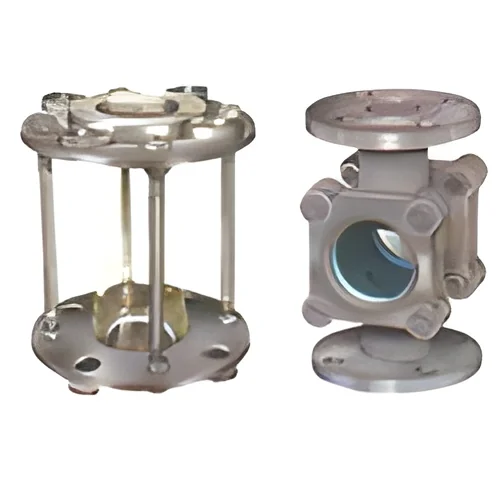
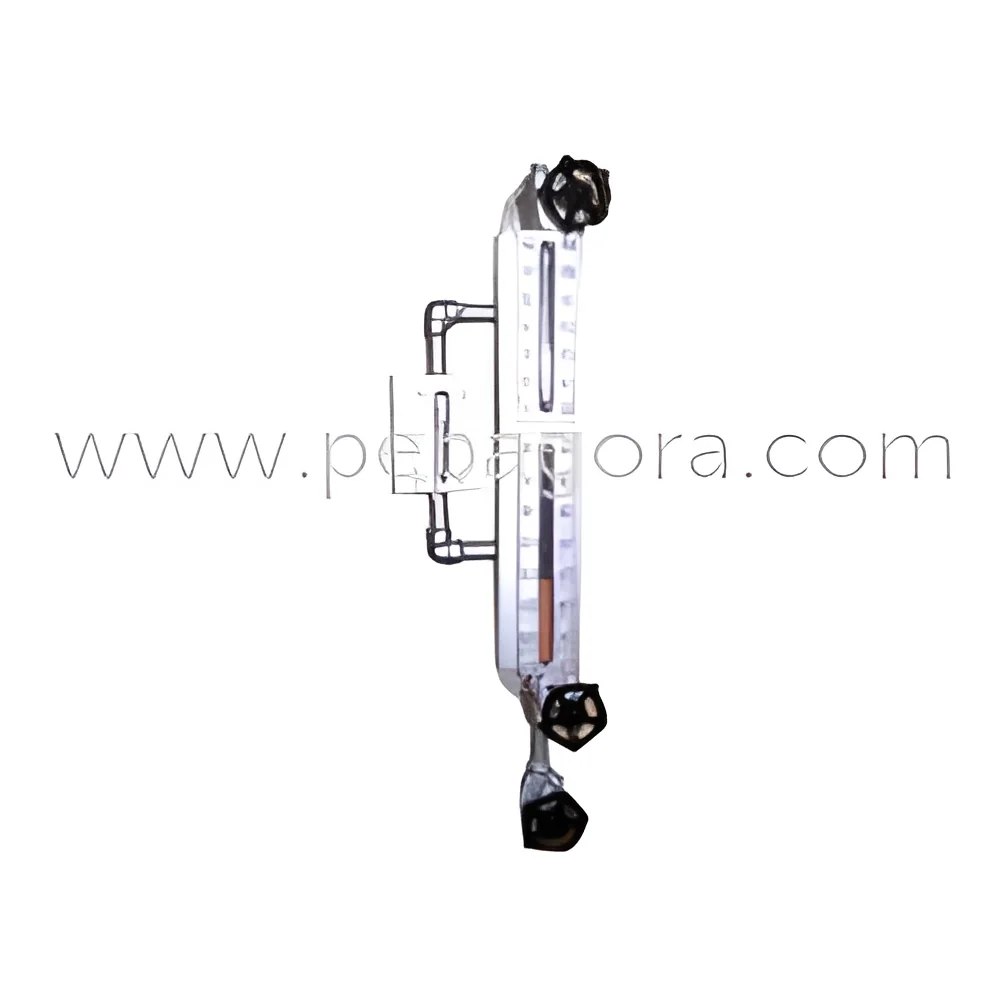
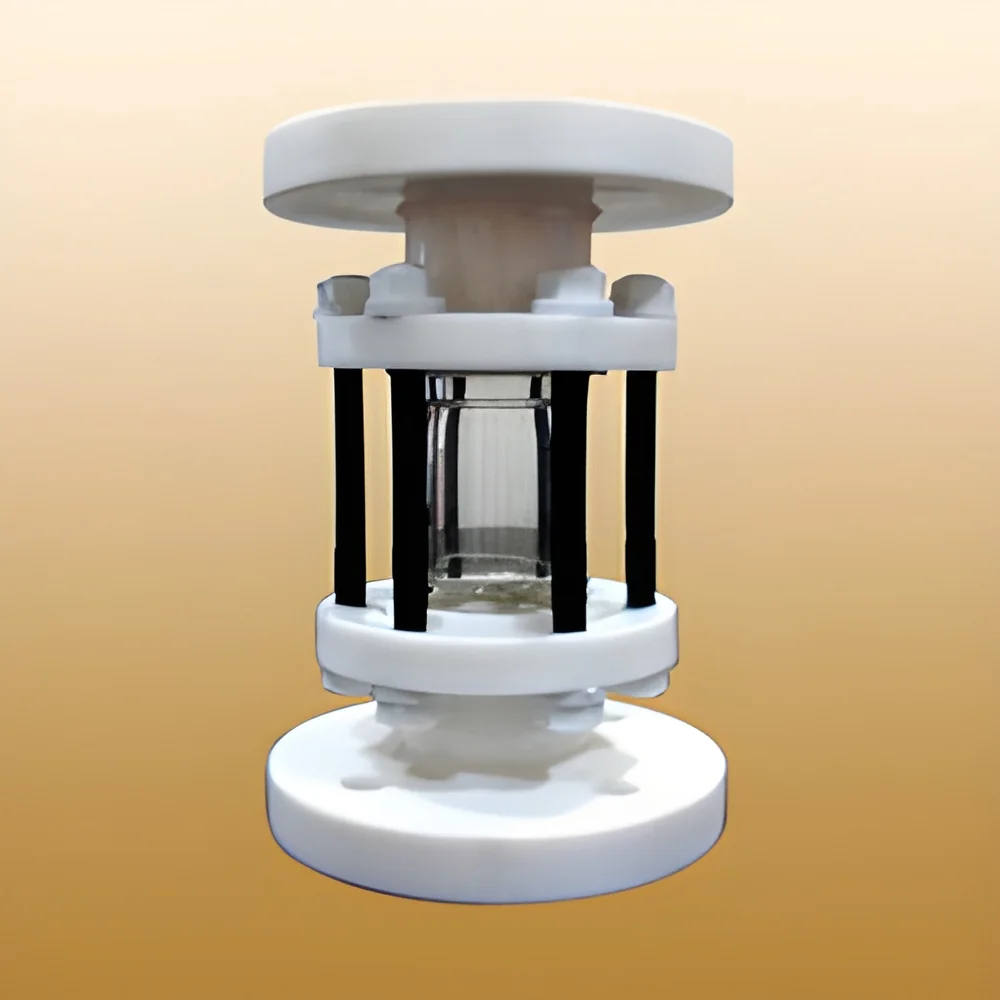
Sight glasses and level indicators are essential components used in various industrial applications to visually monitor the level and clarity of liquids and gases within a system. A sight glass is a transparent tube or panel that allows personnel to observe the contents of a vessel without the need to open it. Level indicators, on the other hand, are devices that provide a reliable reading of the liquid level in tanks and containers, often employing mechanical or electronic methods.
These tools find primary application in industries such as chemical processing, water treatment, food and beverage, and pharmaceuticals. They play a crucial role in ensuring safety and efficiency by allowing operators to monitor fluid levels continuously. In addition, sight glasses and level indicators help maintain optimal operating conditions, minimize downtime, and prevent accidents caused by overflows or leaks.
The relevance of sight glasses and level indicators in today's market is significant, as industries prioritize automation and real-time monitoring. As production processes become more complex, the demand for reliable measurement instruments increases. Industries are seeking accurate and durable solutions that not only enhance safety but also comply with stringent regulatory standards.
Key Features and Specifications
Sight glasses and level indicators offer a range of features tailored to meet various operational needs. Their specifications can vary based on the intended application and the conditions of use. Understanding these specifications is crucial for selecting the right product.
Key specifications include:
1. Material Construction
- Common materials include glass, acrylic, and various metals.
- Resistance to temperature and chemical corrosion varies by material.
2. Measurement Type
- Common types include float-based, magnetic, and electronic indicators.
- Each type has specific operational parameters and accuracy levels.
3. Size and Dimensions
- Available in various sizes to fit different tank configurations.
- Standard diameters often range from 1 inch to over 6 inches.
4. Pressure Ratings
- Designed to withstand specific pressure levels.
- Common ratings include up to 150 PSI or higher for industrial applications.
5. Temperature Range
- Suitable for various temperature environments.
- Typical ranges are from -40°C to 150°C, depending on the material.
6. Visibility Features
- Some models include backlighting or color-coded indicators.
- Enhanced visibility options help in quick assessments.
7. Installation Type
- Can be flanged, threaded, or welded depending on the installation requirements.
- Proper installation ensures accuracy and safety.
8. Compliance Standards
- Many products adhere to industry standards such as CE certification.
- Compliance ensures reliability and safety in operation.
In summary, the specifications of sight glasses and level indicators are diverse and cater to the needs of various industries. Understanding these features helps businesses make informed decisions when selecting the appropriate equipment.
Common Applications and Use Cases
Sight glasses and level indicators are widely utilized across multiple industries due to their reliability and functionality.
1. Chemical Processing: Used to monitor the levels of corrosive and hazardous liquids, ensuring safe handling and operation.
2. Water Treatment: Essential for tracking liquid levels in tanks and reservoirs, contributing to efficient water management systems.
3. Food and Beverage: Employed in processes to ensure the quality and safety of liquids, from brewing to bottling.
4. Pharmaceuticals: Used to maintain precise fluid levels in production processes, adhering to strict regulatory standards.
5. Oil and Gas: Critical for monitoring levels in pipelines and storage tanks, helping to prevent leaks and spills.
6. Power Generation: Utilized in boilers and cooling systems to monitor water levels, ensuring optimal performance and safety.
7. HVAC Systems: Used to observe liquid refrigerant levels, contributing to the efficiency of heating and cooling systems.
Product Variants and Subcategories
Sight glasses and level indicators come in various forms, each designed to meet specific needs.
Standard Sight Glass
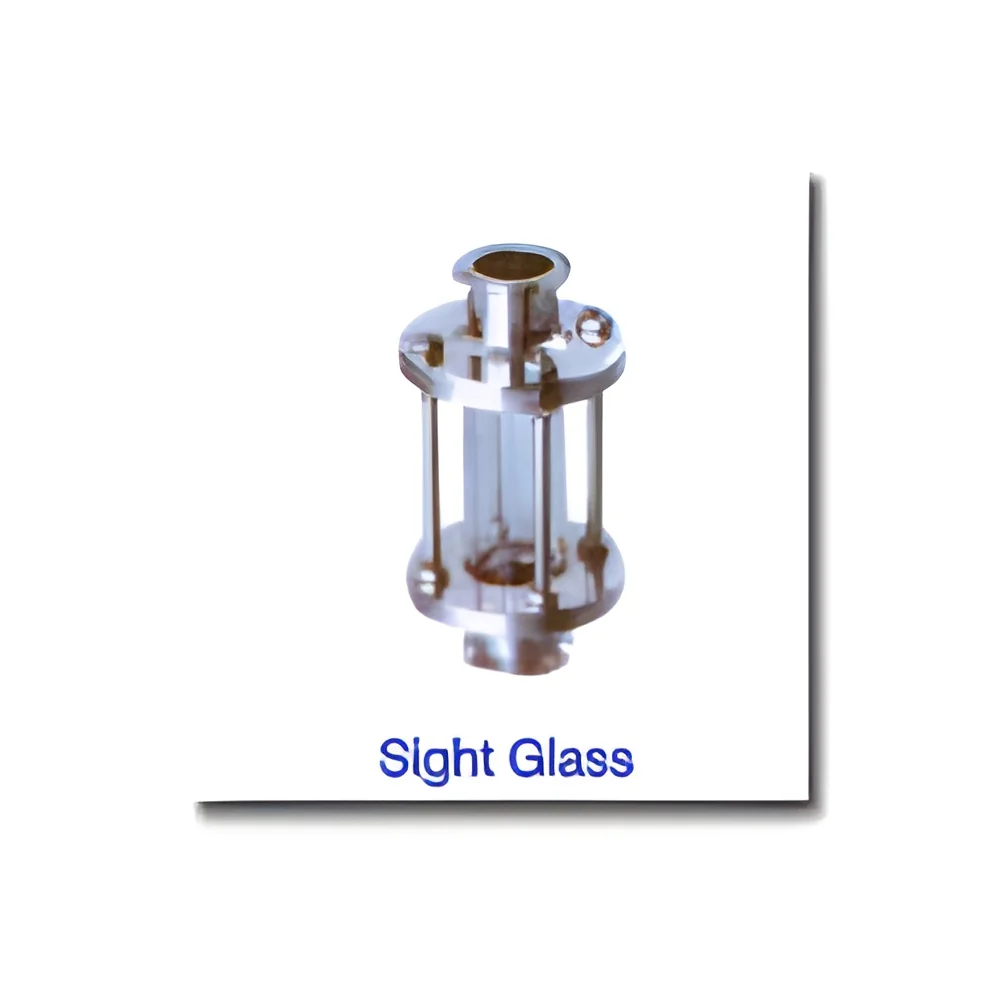
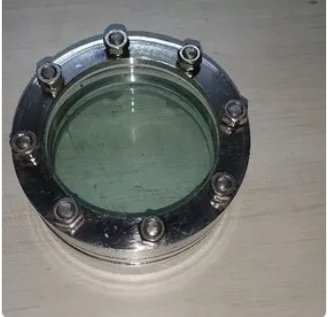
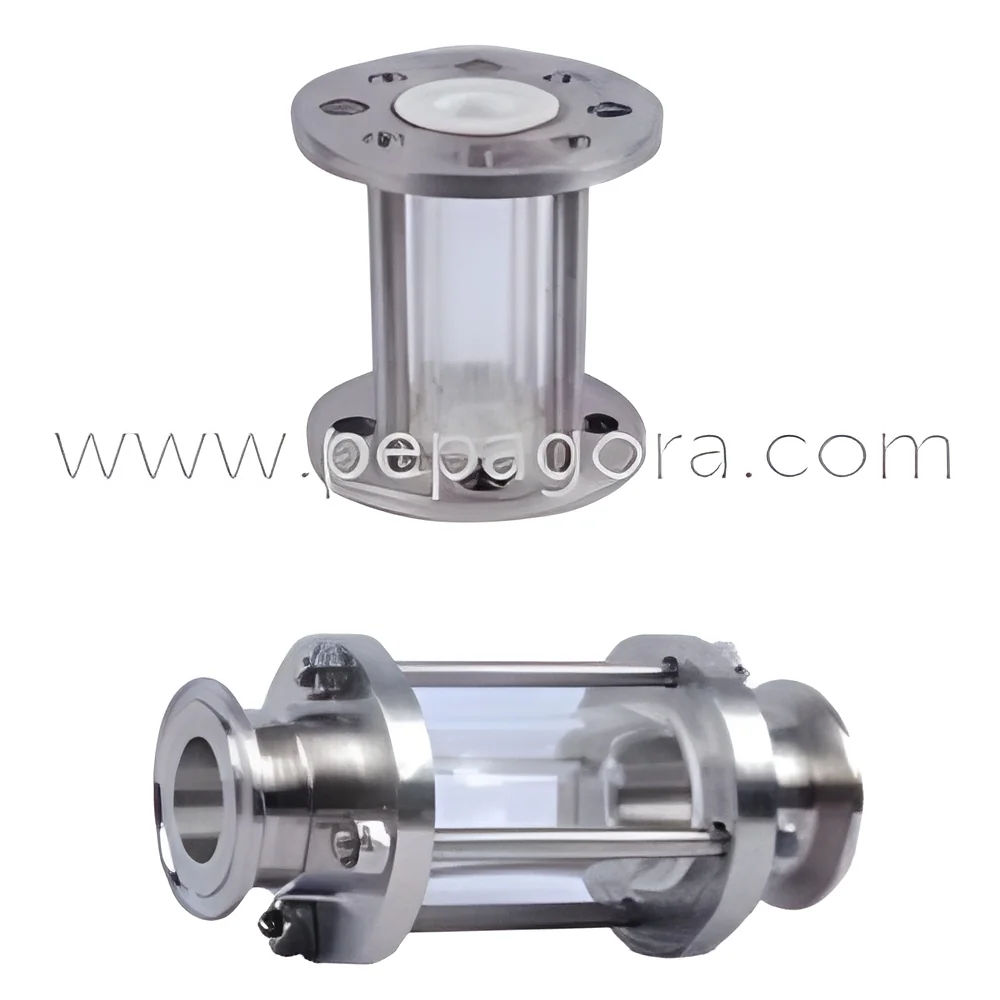
This variant allows for direct visual inspection of fluid levels and clarity. It is commonly used in applications where clear visibility is essential, such as in chemical tanks or food processing equipment.
Magnetic Level Indicator
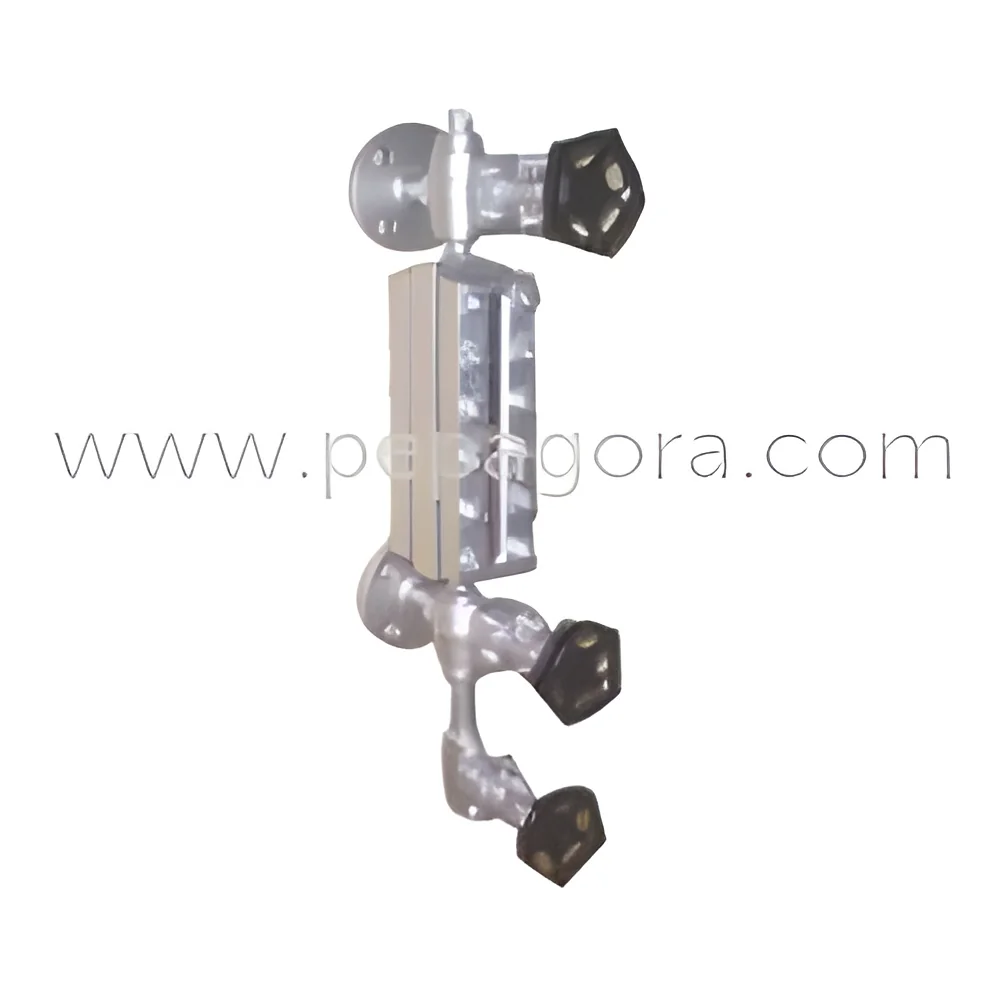
This type employs a magnetic float that rises and falls with the fluid level. It is ideal for applications that require a non-invasive method of monitoring liquid levels in pressurized systems.
Electronic Level Indicator
Utilizing sensors and digital displays, this variant offers precise measurements and alerts for low or high levels. It is suitable for environments where accuracy and remote monitoring are critical.
Benefits and Advantages
Implementing sight glasses and level indicators offers numerous advantages to businesses.
1. Enhanced Safety: Provides real-time monitoring of fluid levels, reducing the risk of spills and accidents.
2. Improved Efficiency: Enables operators to quickly assess liquid levels, optimizing production processes.
3. Cost Savings: Reduces downtime and maintenance costs by preventing overflows and equipment failures.
4. Compliance Assurance: Many products meet industry standards, ensuring adherence to safety regulations.
5. Versatility: Suitable for various applications across multiple industries, making them a valuable addition to any operation.
6. Easy Installation: Most variants can be easily integrated into existing systems, minimizing disruption during installation.
Buying Guide for B2B Buyers
When sourcing sight glasses and level indicators, several key factors should be considered to ensure the right fit for your application.
1. Quality Assessment: It is essential to evaluate the materials and construction of the products. Look for durable materials that can withstand the specific conditions of your operation.
2. Supplier Verification: Vet suppliers thoroughly to ensure they meet industry standards and have a good reputation. Check references and certifications.
3. Pricing and MOQ: Understand the cost structure and any minimum order quantities. Compare prices across suppliers to find competitive options.
4. Delivery and Lead Times: Consider logistics and the time frame for delivery. Ensure that the supplier can meet your timeline for installation.
5. Compliance Requirements: Verify that the products comply with relevant regulatory standards for your industry. This will ensure safety and reliability in your operations.
Compliance and Certifications
Sight glasses and level indicators must adhere to various compliance and certification standards to ensure their reliability and safety in industrial applications. One primary standard is ISO 9001, which focuses on quality management systems. Compliance with this standard indicates that the manufacturer has established processes to ensure consistent product quality.
In addition, CE certification is often required for these products, especially in European markets. This certification signifies that the product meets essential safety and environmental requirements. Safety and testing requirements are also crucial, as these products must be tested for pressure and temperature tolerances to operate safely in different environments.
Regional compliance considerations can vary, especially when dealing with international suppliers. It is vital to understand local regulations and standards to ensure that the products you source are compliant with the necessary guidelines.
Why Source Sight Glasses & Level Indicators from Pepagora?
Pepagora offers a reliable platform for sourcing sight glasses and level indicators, providing several advantages for B2B buyers.
Verified Supplier Network: All suppliers on Pepagora undergo a rigorous verification process. This ensures that buyers can trust the quality and reliability of the products they purchase.
Streamlined RFQ Process: The Request for Quotation (RFQ) process is designed to simplify sourcing. Buyers can easily submit requests and receive competitive quotes from multiple suppliers.
Trade Assurance and Support: Pepagora provides trade assurance to protect buyers against potential issues. This support ensures peace of mind during the purchasing process.
Regional Coverage: With a network that spans India, the GCC, and Southeast Asia, Pepagora connects buyers with suppliers in key markets, facilitating efficient sourcing and logistics.
By choosing Pepagora, businesses can access quality sight glasses and level indicators while benefiting from a comprehensive support system that enhances the sourcing experience.

 IN
IN