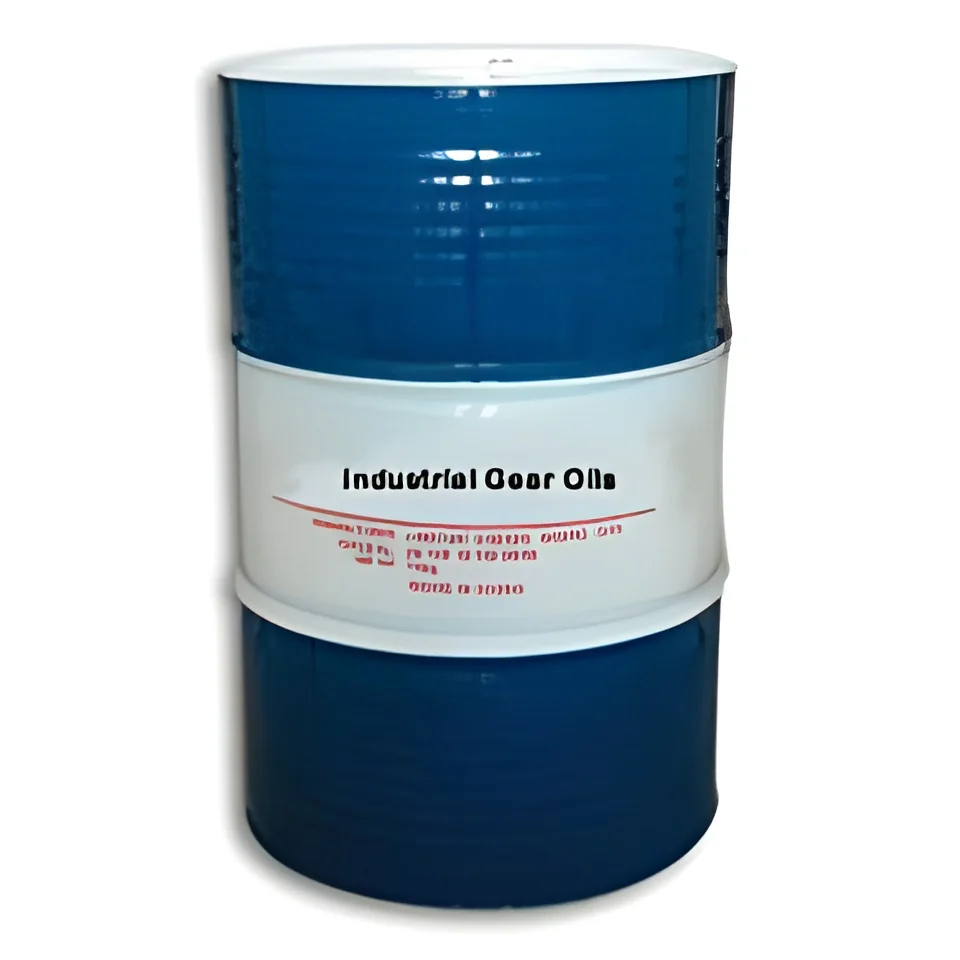
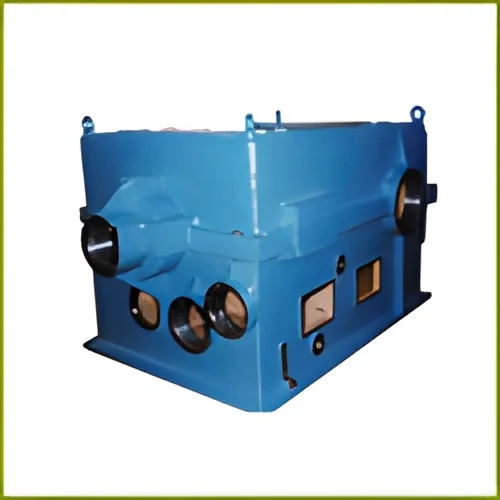
What are Industrial Gear Oils?
Industrial gear oils are specialized lubricants designed to reduce friction and wear between gears in machinery. These oils are formulated to maintain the efficiency and longevity of gear systems by providing essential lubrication under various operating conditions. Industrial gear oils can be mineral-based or synthetic and are critical in ensuring smooth operation in heavy-duty applications.
The primary uses of industrial gear oils span across diverse industries including manufacturing, automotive, and mining. They are utilized in gearboxes, differentials, and other gear mechanisms where high-pressure and high-temperature conditions are prevalent. By minimizing wear and tear, these oils help maintain operational effectiveness and reduce maintenance costs.
In a competitive market, the relevance of industrial gear oils is underscored by the need for reliable machinery performance. As industries evolve and machinery becomes more complex, the demand for high-quality gear oils continues to rise. Businesses are increasingly focused on enhancing equipment efficiency and reliability, making industrial gear oils a crucial component of their operational strategy.
Key Features and Specifications
Industrial gear oils exhibit several key features that ensure optimal performance in demanding environments. These include high shear stability, excellent oxidation resistance, and the ability to operate effectively in a broad temperature range. The specifications of these oils are vital for users to select the appropriate product for their specific applications.
Key specifications include:
1. Viscosity Grade
- Represents the thickness of the oil at specific temperatures.
- Common ranges include ISO VG 32, 46, and 68.
2. Pour Point
- Indicates the lowest temperature at which the oil can flow.
- Typically ranges from -20°C to -30°C.
3. Flash Point
- The temperature at which the oil can vaporize to form an ignitable mixture.
- Often exceeds 200°C.
4. Additive Package
- Enhances performance attributes such as anti-wear and anti-foam properties.
5. FZG Failure Load Stage
- Measures the load-carrying capacity of the oil.
- Ratings can include FZG stage 12 or higher.
6. Oxidation Stability
- Resistance to breakdown at high temperatures.
- Measured through methods like the TOST test.
7. Corrosion Protection
- Ability to prevent rust and corrosion in metal components.
8. Compatibility
- Suitability for various types of gear materials, including steel and non-ferrous metals.
These specifications play a critical role in ensuring that industrial gear oils meet the required performance standards for various applications.
Common Applications and Use Cases
Industrial gear oils are essential in numerous applications across different sectors.
1. Manufacturing: Used in conveyor systems and high-speed gearboxes to ensure smooth operation and reduce downtime.
2. Automotive: Integral in vehicle differentials and manual transmissions, providing lubrication under extreme conditions.
3. Mining: Employed in heavy machinery gear systems to withstand harsh environments and heavy loads.
4. Marine: Utilized in propulsion systems and gearboxes to protect against corrosion and wear.
5. Construction: Applied in equipment such as excavators and cranes, ensuring reliability in demanding tasks.
6. Energy: Important in wind turbines and other power generation equipment, maintaining efficiency and longevity.
7. Agriculture: Used in tractor transmissions and gearboxes to enhance performance and durability.
Product Variants and Subcategories
Industrial gear oils come in various formulations to meet the specific needs of different applications.
Mineral Gear Oils
These are traditional oils derived from refining crude oil. They offer reliable lubrication and are cost-effective for standard applications.
Synthetic Gear Oils
Formulated from chemical compounds, these oils provide superior performance under extreme conditions. They are ideal for high-load and high-temperature applications.
Biodegradable Gear Oils
These environmentally friendly options are designed to minimize ecological impact while providing effective lubrication.
High-Performance Gear Oils
Engineered for specialized applications, they offer enhanced protection and efficiency, suitable for high-stress environments.
Benefits and Advantages
Choosing industrial gear oils brings several advantages to businesses.
1. Enhanced Equipment Longevity: By reducing wear, these oils help extend the lifespan of machinery.
2. Increased Efficiency: Proper lubrication minimizes friction, leading to smoother operations and lower energy consumption.
3. Cost Savings: Reduced maintenance and downtime translate to significant savings over time.
4. Protection Against Corrosion: Many industrial gear oils contain additives that prevent rust and prolong gear life.
5. Versatility: Suitable for a wide range of applications across various industries.
6. Improved Performance: High-quality gear oils ensure that machinery operates at optimal levels, even under challenging conditions.
Buying Guide for B2B Buyers
When sourcing industrial gear oils, it is essential to consider several factors to ensure the best fit for your operational needs.
1. Quality Assessment: Determine the quality of the oil by checking for industry certifications and performance standards that align with your requirements.
2. Supplier Verification: Vet potential suppliers to ensure they have a reliable track record and provide high-quality products.
3. Pricing and MOQ: Understand the pricing structure and minimum order quantities to optimize your purchasing process.
4. Delivery and Lead Times: Confirm logistics capabilities to ensure timely delivery of your orders to avoid disruptions in operations.
5. Compliance Requirements: Verify that the gear oils meet regional regulatory standards to ensure safety and effectiveness.
Compliance and Certifications
Industrial gear oils must adhere to various quality standards and certifications to ensure they are safe and effective for use. Relevant quality standards include ISO 9001, which focuses on quality management systems, and CE certifications, which indicate compliance with European safety directives.
Safety and testing requirements are crucial in ensuring that gear oils perform reliably under a range of conditions. Manufacturers must conduct rigorous testing to confirm the oils meet performance benchmarks and safety requirements.
Regional compliance considers different regulations in various markets, which can impact the formulation and labeling of industrial gear oils. Businesses must stay informed about these regulations to ensure their products are compliant and suitable for their intended applications.
Why Source Industrial Gear Oils from Pepagora?
Pepagora provides a trusted platform for sourcing industrial gear oils, offering several key advantages for businesses.
Verified Supplier Network: Our platform connects buyers with a network of verified suppliers, ensuring access to high-quality products. This verification process builds trust and reliability in sourcing.
Streamlined RFQ Process: Pepagora simplifies the request for quotation process, allowing buyers to easily compare options and obtain competitive pricing from multiple suppliers, saving time and effort.
Trade Assurance and Support: Buyers receive protection when sourcing through Pepagora, which includes support throughout the purchasing process. This assurance builds confidence in transactions.
Regional Coverage: With a presence in India, the GCC, and Southeast Asia, Pepagora provides broad geographic reach, enabling businesses to source industrial gear oils efficiently across different regions.
By choosing Pepagora, companies can enhance their sourcing experience for industrial gear oils, ensuring they find the right products to meet their operational needs.

 IN
IN