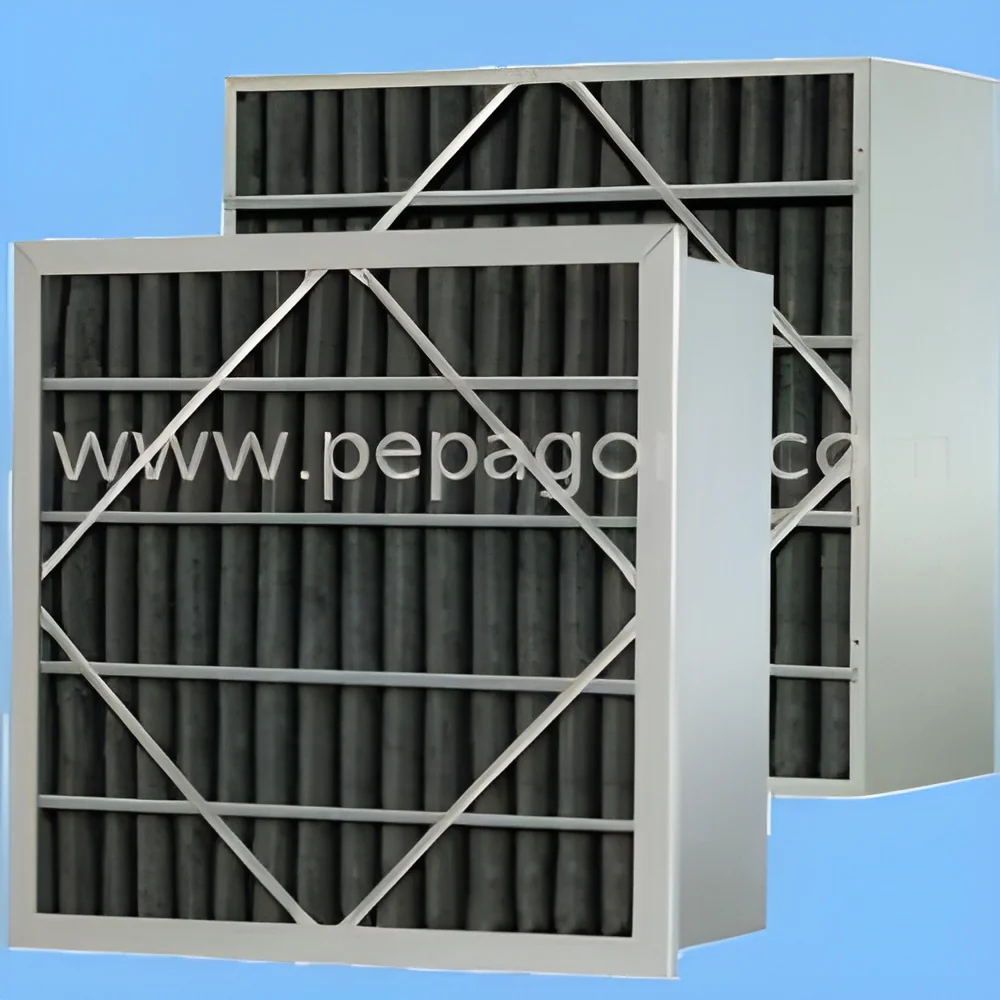
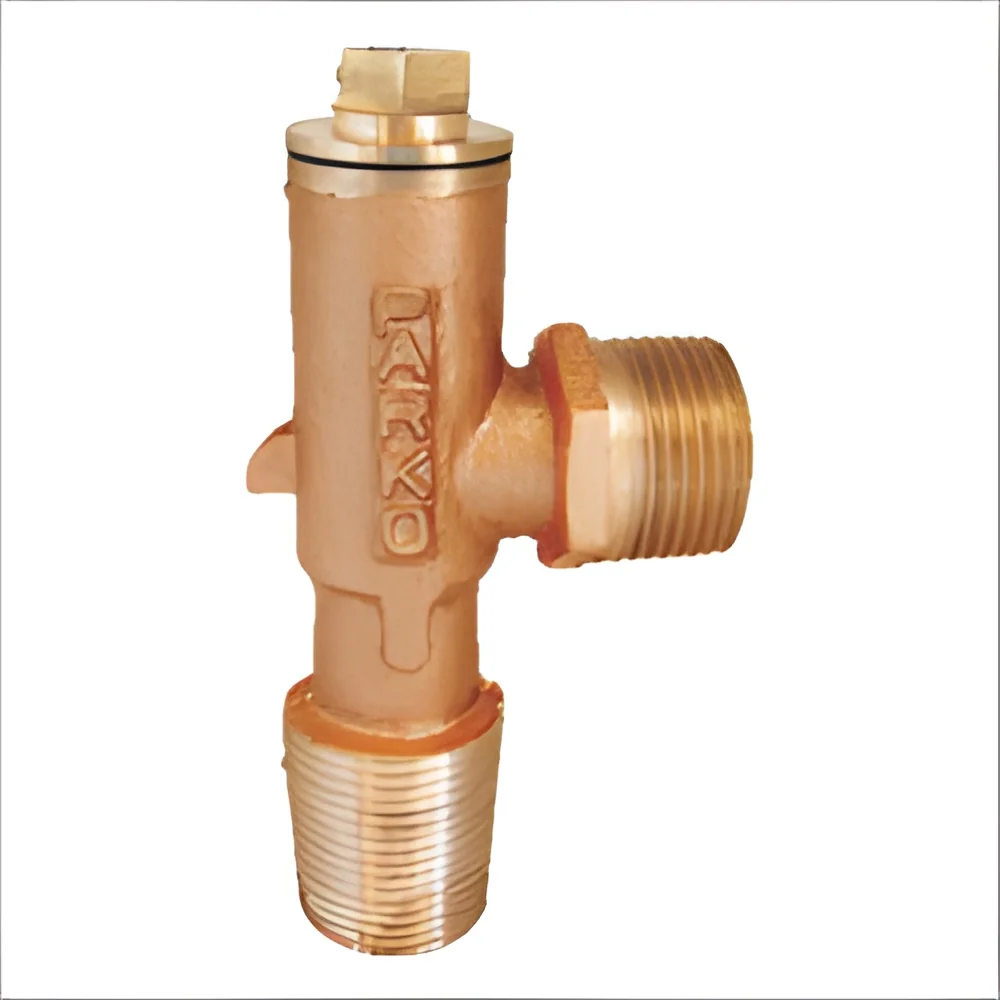
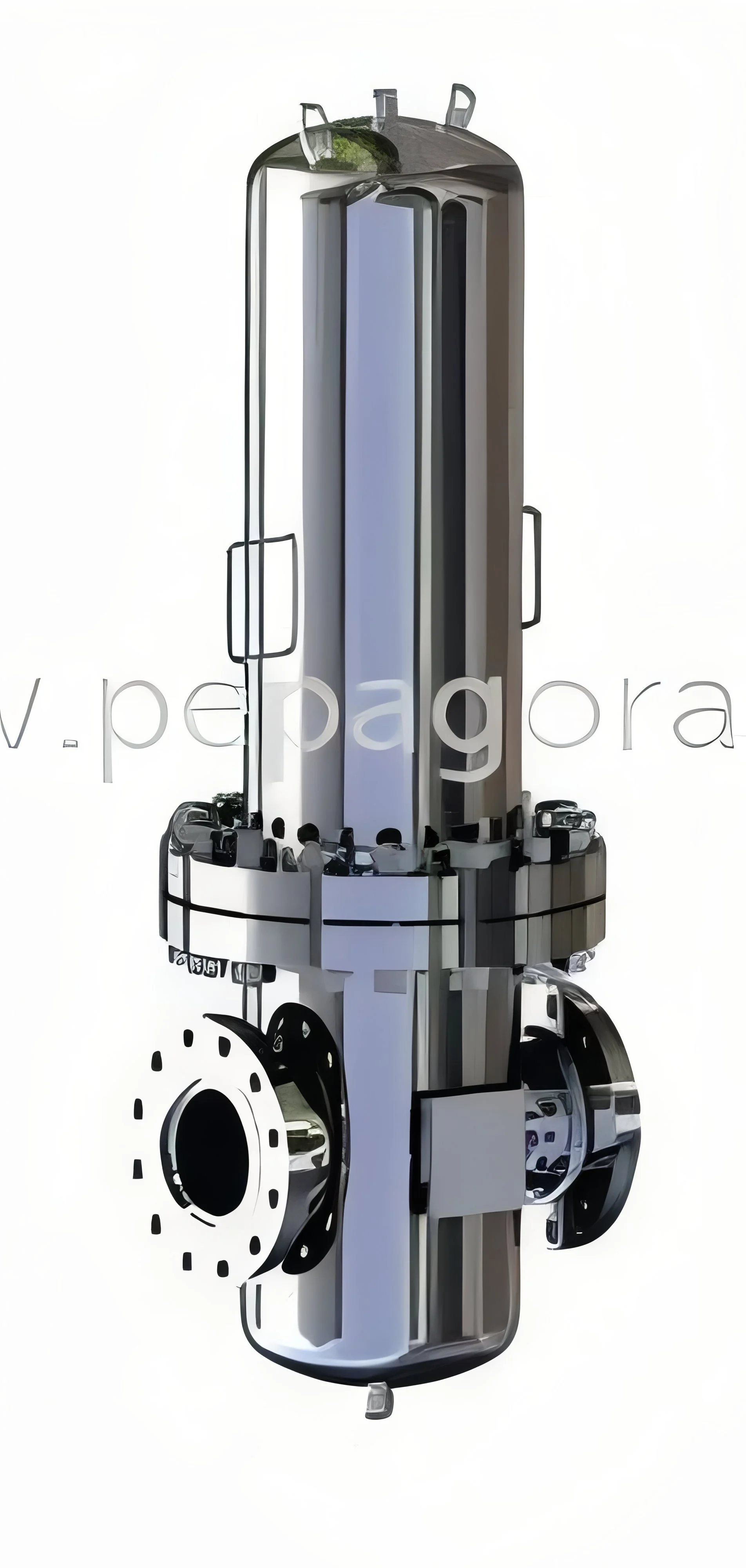
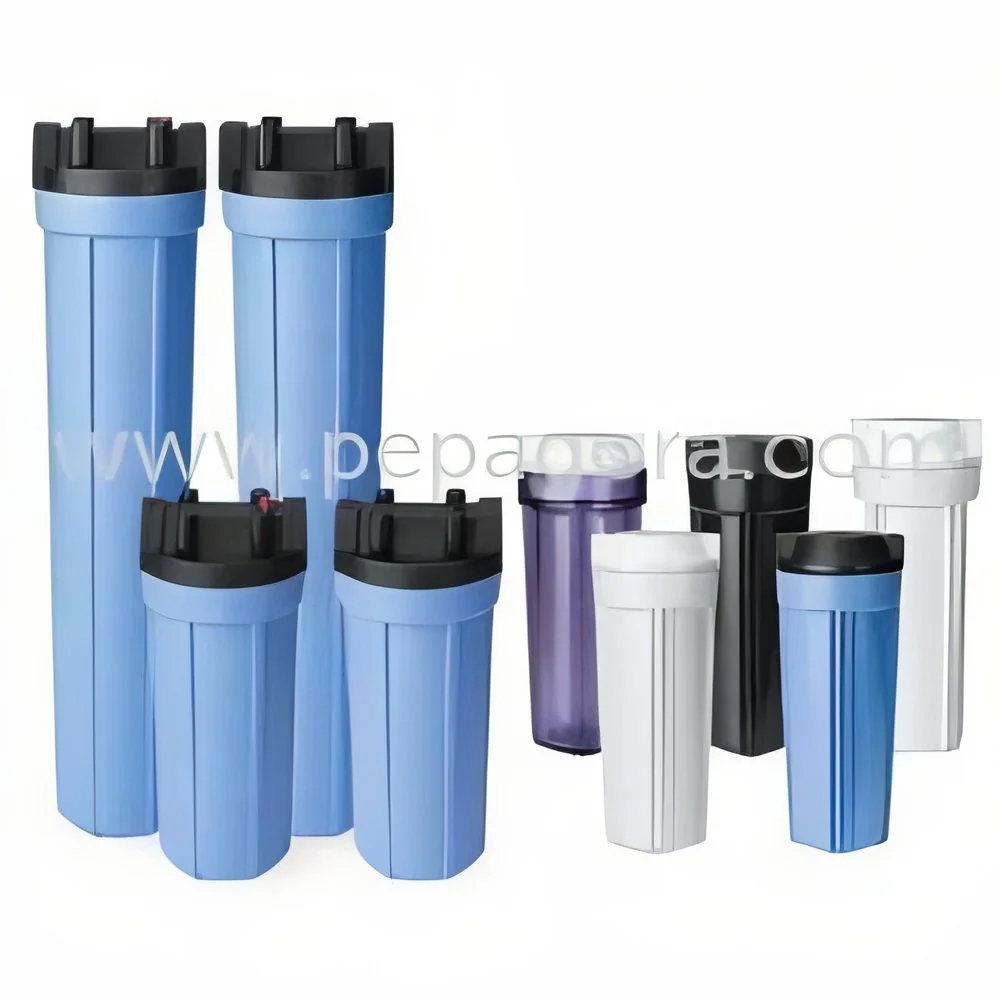
What are Other Lubrication & Filtration Systems?
Other Lubrication & Filtration Systems encompass a range of technologies and products designed to enhance the performance and longevity of machinery by reducing friction and ensuring clean operation. These systems typically integrate lubrication solutions with filtration mechanisms to maintain optimal operating conditions in machinery and equipment. By effectively managing the flow of lubricants and removing contaminants, these systems are crucial for ensuring smooth and efficient operation.
These systems find primary usage in various industrial applications, including manufacturing, automotive, construction, and energy sectors. They play a vital role in the maintenance of heavy machinery, engines, and production equipment, where improper lubrication or contamination can lead to severe operational failures. The increasing demand for efficiency and reliability in industrial processes drives the need for robust lubrication and filtration solutions.
In today's competitive market, the relevance of Other Lubrication & Filtration Systems is underscored by the growing emphasis on equipment reliability and maintenance cost reduction. Companies are increasingly investing in advanced lubrication and filtration technologies to enhance productivity and minimize downtime. This trend is further supported by the rise of automation and smart technologies in industrial settings, which require sophisticated systems to ensure optimal performance.
Key Features and Specifications
Other Lubrication & Filtration Systems offer various features that enhance their performance and usability. Understanding these specifications is essential for businesses looking to invest in effective solutions.
Key specifications include:
1. Filtration Efficiency
- Measures the ability to remove particulate contaminants from lubricants.
- Typically ranges from 5 to 99 percent efficiency, depending on the application.
2. Flow Rate
- Indicates the volume of lubricant that can be processed within a given time frame.
- Common rates vary from 1 liter per minute to several hundred liters per minute.
3. Operating Temperature Range
- Defines the temperatures within which the system can function effectively.
- Data not available on specific temperature ranges.
4. Lubricant Compatibility
- Specifies the types of lubricants that can be used with the system.
- Often includes mineral oils, synthetic oils, and bio-lubricants.
5. System Pressure Rating
- Indicates the maximum pressure the system can withstand.
- Typical ratings range from 5 to 150 bar.
6. Maintenance Intervals
- Specifies how often maintenance should be performed.
- Ranges from weekly to annual checks, depending on usage and environment.
7. Size and Weight
- Important for installation considerations in limited spaces.
- Varies widely based on system design and capacity.
8. Certification Standards
- Indicates compliance with industry standards such as CE certification.
- Ensures that the product meets safety and quality regulations.
In summary, understanding the key features and specifications of Other Lubrication & Filtration Systems can help businesses select the right solutions tailored to their operational needs.
Common Applications and Use Cases
Other Lubrication & Filtration Systems are versatile and serve various industries.
1. Manufacturing: These systems are critical in manufacturing processes where machinery operates under high stress. They reduce wear and tear on machine components, ensuring longer equipment life.
2. Automotive: In the automotive industry, lubrication and filtration systems maintain engine performance and efficiency. They help prevent engine wear and ensure cleaner operation.
3. Construction: Heavy machinery used in construction relies on effective lubrication and filtration to perform optimally. These systems enhance reliability and reduce downtime.
4. Oil and Gas: In the oil and gas sector, lubrication and filtration systems are essential for drilling equipment and machinery, where contaminants can severely impact performance.
5. Power Generation: Power plants utilize these systems to ensure the reliable operation of turbines and generators, minimizing the risk of failures.
6. Food Processing: In food processing applications, maintaining clean machinery is crucial. Lubrication and filtration systems help ensure compliance with health and safety standards.
7. Aerospace: Aerospace applications demand high precision and reliability. These systems play a vital role in the maintenance of aircraft components, ensuring safety and performance.
Product Variants and Subcategories
The diversity of Other Lubrication & Filtration Systems allows for customization based on specific needs and applications.
Automatic Lubrication Systems
These systems provide continuous lubrication to machinery, reducing the risk of human error. They are ideal for applications where regular maintenance is challenging.
Centralized Filtration Systems
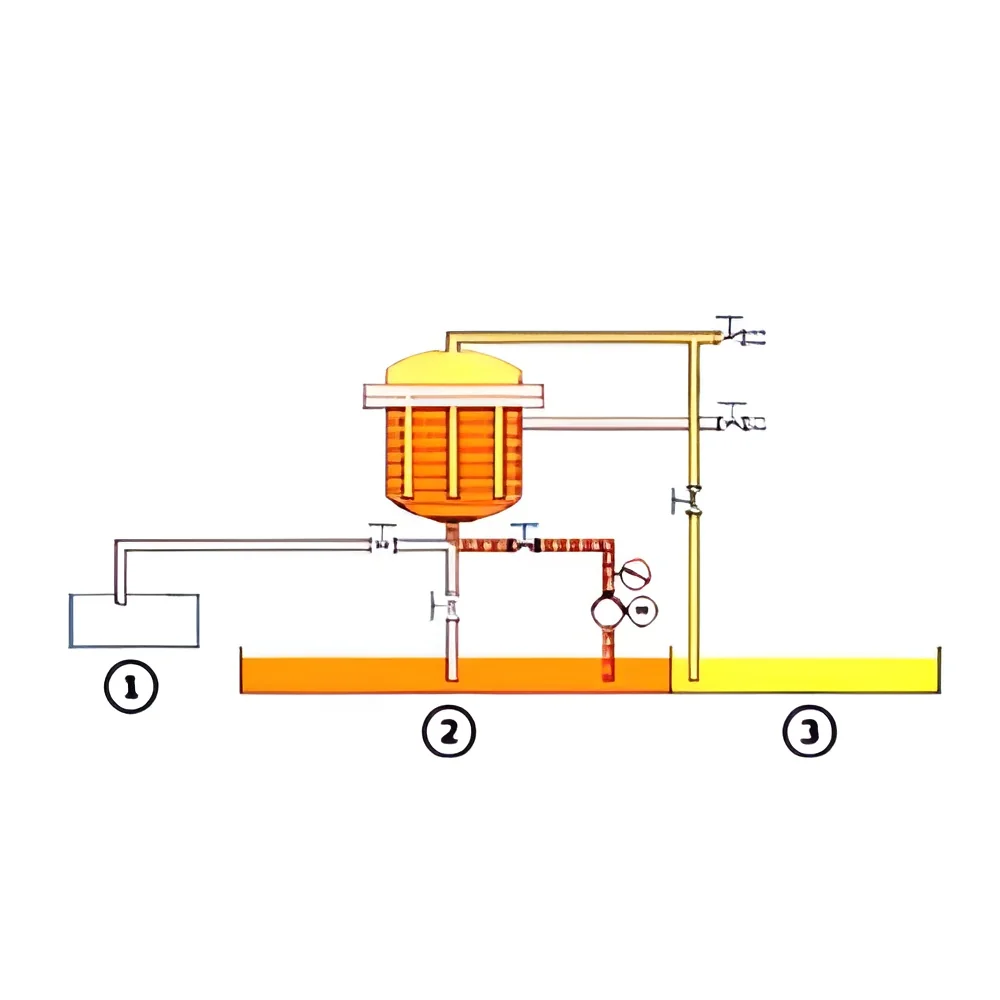
These systems filter lubricants for multiple machines from a single point. They enhance efficiency by reducing the number of filtration units needed in a facility.
Portable Filtration Systems
Designed for mobility, these systems are used in various locations for on-the-spot filtration and lubrication. They are particularly useful in industries where equipment is frequently moved.
Benefits and Advantages
Investing in Other Lubrication & Filtration Systems offers numerous benefits to businesses.
1. Enhanced Equipment Longevity: Regular lubrication and proper filtration significantly extend the lifespan of machinery, leading to lower replacement costs.
2. Reduced Downtime: Effective systems minimize the risk of equipment failure, resulting in increased operational efficiency and reduced downtime.
3. Improved Operational Efficiency: By maintaining optimal lubrication conditions, these systems help machinery operate at peak performance, improving productivity.
4. Lower Maintenance Costs: With reliable lubrication and filtration, businesses can reduce the frequency and cost of maintenance activities.
5. Environmental Compliance: Many systems are designed to meet environmental regulations, helping businesses minimize their ecological footprint.
6. Increased Safety: Proper lubrication reduces the risk of accidents caused by equipment failure, enhancing workplace safety.
Buying Guide for B2B Buyers
When sourcing Other Lubrication & Filtration Systems, several factors should be considered to ensure a successful purchase.
1. Quality Assessment: Evaluate the quality of the systems based on manufacturer reputation and product reviews. High-quality components are essential for reliable performance.
2. Supplier Verification: Vet potential suppliers to ensure they have a proven track record and can provide the necessary support. Check for certifications and customer feedback.
3. Pricing and MOQ: Understand the pricing structure and minimum order quantities to ensure they align with your budget and needs. Compare several suppliers to find the best value.
4. Delivery and Lead Times: Discuss delivery schedules and lead times. Timely delivery is crucial for maintaining operational schedules.
5. Compliance Requirements: Ensure that the systems meet relevant industry standards and certifications. Compliance with regulations can impact operational viability.
Compliance and Certifications
Compliance and certifications are vital for Other Lubrication & Filtration Systems, ensuring they meet industry standards for quality and safety.
Relevant quality standards include ISO 9001, which focuses on maintaining consistent product quality and customer satisfaction. Adhering to these standards demonstrates a commitment to quality.
Industry certifications, such as CE certification, indicate compliance with European safety standards. This certification assures buyers that the product meets essential health and safety requirements.
Safety and testing requirements vary by region and application. It is essential for manufacturers to conduct proper testing to ensure products can operate safely under specified conditions.
Regional compliance considerations are also important, as different regions may have specific regulations that must be adhered to. Understanding these regulations can help businesses avoid legal challenges.
Why Source Other Lubrication & Filtration Systems from Pepagora?
Pepagora provides a trusted platform for sourcing Other Lubrication & Filtration Systems with several key advantages.
Verified Supplier Network: Pepagora features a network of verified suppliers, ensuring buyers can connect with reputable manufacturers. This verification process helps mitigate risks associated with sourcing.
Streamlined RFQ Process: The platform offers a streamlined Request for Quotation (RFQ) process, allowing buyers to efficiently obtain quotes from multiple suppliers. This feature simplifies decision-making and helps secure competitive pricing.
Trade Assurance and Support: Pepagora provides trade assurance, offering buyers protection throughout the purchasing process. This support fosters confidence in transactions and encourages repeat business.
Regional Coverage: With a broad geographic reach, including India, GCC, and Southeast Asia, Pepagora connects buyers with suppliers across multiple regions. This extensive network facilitates sourcing opportunities for businesses looking to expand their reach.

 IN
IN