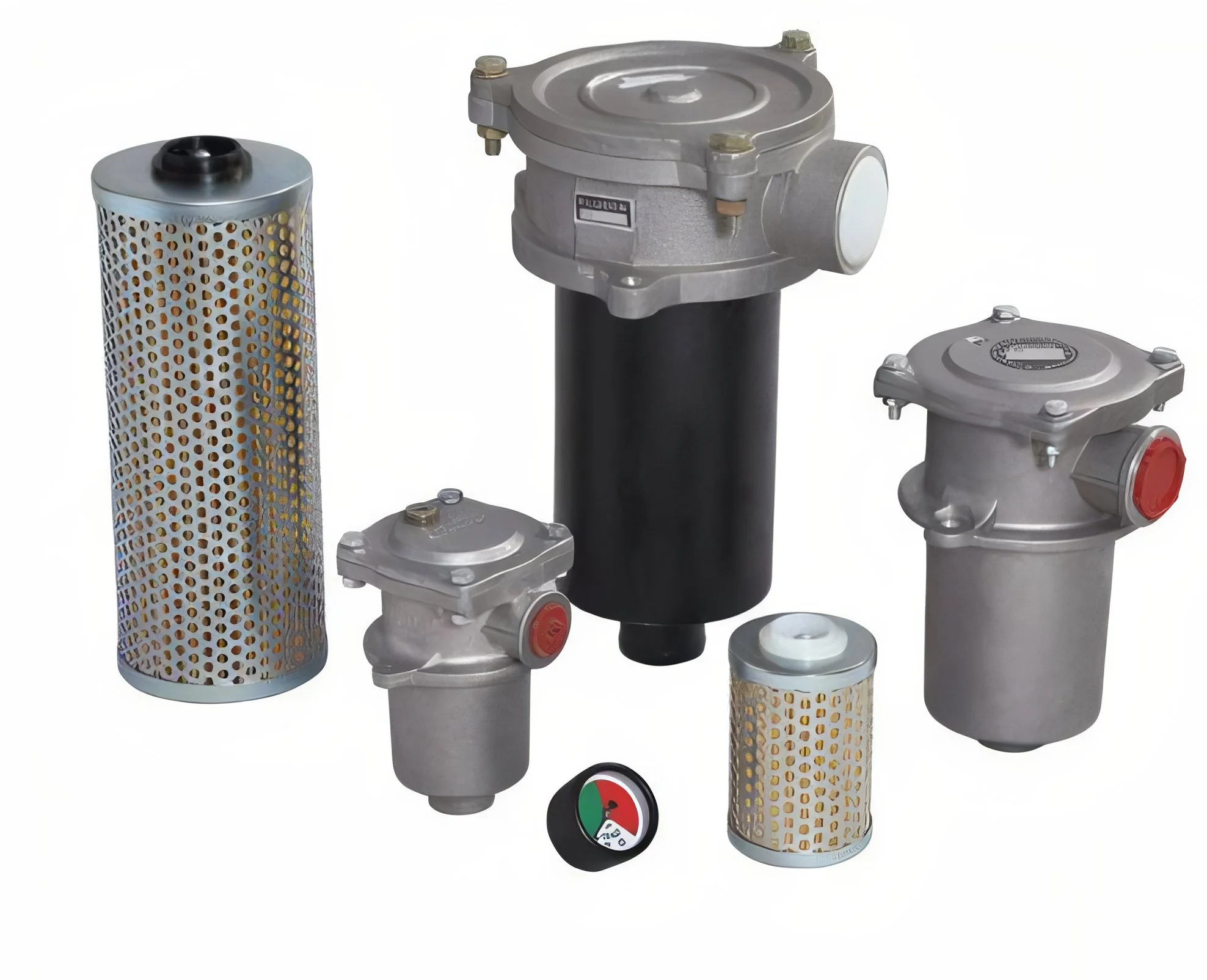
What are Return Line Filters?
Return Line Filters are integral components in hydraulic systems designed to remove contaminants from fluid returning to the reservoir. These filters are typically installed in the return line, which carries fluid back after it has passed through various components of the hydraulic circuit. By filtering out particles, debris, and impurities, Return Line Filters help maintain the efficiency and longevity of hydraulic systems.
These filters are widely used in industries such as manufacturing, construction, and agriculture, where hydraulic machinery operates under demanding conditions. They ensure the cleanliness of hydraulic fluid, which is essential for preventing wear and tear on components, reducing maintenance costs, and enhancing system performance. As hydraulic systems become more complex, the significance of Return Line Filters in safeguarding operational integrity continues to grow.
In the current market, there is increasing recognition of the importance of filtration solutions in ensuring system reliability. The demand for high-quality Return Line Filters is driven by the need for improved efficiency and reduced downtime across various sectors. As industries evolve, the role of these filters becomes more critical, making them a key area of focus for manufacturers and operators alike.
Key Features and Specifications
Return Line Filters come with a range of features designed to optimize filtration efficiency and system performance. Understanding these specifications is crucial for selecting the right filter for specific applications.
Key specifications include:
1. Filtration Rating
- Defines the size of particles the filter can effectively remove
- Common ratings range from 10 to 25 microns
2. Flow Rate
- Indicates the maximum fluid flow the filter can handle
- Typical flow rates range from 10 to 500 liters per minute
3. Pressure Drop
- Measures the loss of pressure across the filter
- Acceptable pressure drops usually range between 0.5 to 2 bar
4. Temperature Range
- Specifies the operational temperature limits of the filter
- Common temperature ranges are between -20°C to 80°C
5. Filter Media
- Material used for filtration, impacting performance and durability
- Options include synthetic, metal screen, and cellulose
6. Mounting Type
- Describes how the filter is installed in the system
- Options include inline, flange, and cartridge styles
7. Housing Material
- The material of the filter casing, affecting strength and corrosion resistance
- Common materials include aluminum, stainless steel, and plastic
8. Maintenance Indicators
- Features that signal when a filter needs servicing or replacement
- Common indicators include visual inspections and pressure gauge readings
In summary, selecting the right Return Line Filter involves consideration of several key specifications. Understanding these features can help ensure optimal performance and longevity of hydraulic systems.
Common Applications and Use Cases
Return Line Filters are utilized across various industries, each benefiting from their filtration capabilities.
1. Manufacturing: In manufacturing plants, Return Line Filters protect hydraulic systems in machines such as injection molding equipment and CNC machines, ensuring smooth operation and reducing equipment wear.
2. Construction: Heavy construction machinery like excavators and bulldozers rely on these filters to maintain fluid cleanliness, enhancing performance and minimizing downtime due to hydraulic failures.
3. Agriculture: In agricultural equipment, including tractors and harvesters, Return Line Filters help maintain hydraulic fluid quality, which is essential for efficient operation in demanding field conditions.
4. Mining: Mining equipment uses Return Line Filters to ensure that hydraulic systems function effectively in harsh environments, preventing damage from dust and debris.
5. Marine: In marine applications, these filters protect hydraulic systems in vessels, where exposure to saltwater and other contaminants can lead to rapid deterioration.
6. Automotive: In automotive manufacturing and service, Return Line Filters are crucial for hydraulic systems in assembly lines and repair shops, ensuring reliability in operations.
7. Aerospace: Aerospace systems utilize Return Line Filters to maintain the integrity of hydraulic systems in aircraft, where cleanliness is critical for safety and performance.
Product Variants and Subcategories
Return Line Filters come in various configurations to meet diverse application needs. Each variant is designed with specific features to enhance performance in particular environments.
Inline Return Line Filters
These filters offer a compact design suitable for installation in tight spaces. They are easy to replace and maintain, making them ideal for mobile equipment and machinery.
Cartridge Return Line Filters
Cartridge filters provide an efficient filtration solution with easy servicing capabilities. They are commonly used in stationary hydraulic systems where space is less of a concern.
Flanged Return Line Filters
Flanged filters are designed for high-flow applications. Their robust construction allows for integration into larger systems, ensuring durability and longevity.
Benefits and Advantages
Return Line Filters provide numerous advantages that contribute to overall system efficiency and reliability.
Key benefits include:
1. Enhanced Equipment Life: By removing contaminants, these filters significantly reduce wear on hydraulic components, extending their operational lifespan.
2. Improved System Efficiency: Clean hydraulic fluid enhances the efficiency of hydraulic systems, leading to better performance and lower energy consumption.
3. Reduced Maintenance Costs: Regular filtration helps prevent failures that can lead to costly repairs and downtime, resulting in overall savings.
4. Increased Reliability: With effective contaminants removal, Return Line Filters ensure that hydraulic systems operate smoothly and reliably, even under heavy loads.
5. Environmental Protection: By maintaining fluid cleanliness, these filters contribute to reducing environmental impact, as cleaner systems result in fewer leaks and spills.
6. Customizable Options: Many Return Line Filters can be tailored to meet specific industry requirements, ensuring optimal performance for unique applications.
Buying Guide for B2B Buyers
When sourcing Return Line Filters, it is essential to consider specific factors to ensure a successful purchase.
1. Quality Assessment: Look for filters that meet industry standards and specifications. High-quality materials and construction will provide better performance and longevity.
2. Supplier Verification: Vet potential suppliers by checking their credentials, customer reviews, and certifications. A reliable supplier will offer consistent quality and support.
3. Pricing and MOQ: Understand the cost structure and minimum order quantities. Compare prices across different suppliers to find the best value without compromising quality.
4. Delivery and Lead Times: Inquire about delivery schedules and lead times. Timely delivery is crucial for maintaining operations, especially in critical applications.
5. Compliance Requirements: Ensure that the filters comply with relevant industry regulations and standards. This includes certifications such as CE, which indicates adherence to safety and quality benchmarks.
Compliance and Certifications
Compliance with industry standards is vital for the effectiveness and safety of Return Line Filters. These filters often adhere to quality management standards such as ISO 9001, ensuring a consistent level of quality in manufacturing processes.
Certifications like CE indicate that the filters meet European safety and environmental requirements. This is particularly important for businesses operating in regions with stringent regulatory frameworks.
In addition to these standards, Return Line Filters should undergo safety and performance testing to verify their reliability. Manufacturers must also consider regional compliance, as different markets may have specific regulations governing hydraulic components.
Why Source Return Line Filters from Pepagora?
Pepagora offers a trusted platform for sourcing Return Line Filters, providing several key advantages for B2B buyers.
Verified Supplier Network: We connect buyers with a network of verified suppliers who meet stringent quality and reliability standards. This ensures that you receive high-quality products that meet your needs.
Streamlined RFQ Process: Our platform simplifies the request for quotation process, allowing buyers to easily compare options and make informed purchasing decisions quickly and efficiently.
Trade Assurance and Support: Pepagora offers trade assurance, providing buyers with protection and support throughout the purchasing process. This ensures peace of mind when sourcing critical components.
Regional Coverage: With a strong presence in regions like India, GCC, and Southeast Asia, Pepagora facilitates access to a wide range of suppliers and products, ensuring that buyers can find the right Return Line Filters for their specific applications.

 IN
IN