What are Centralized Lubrication Units?
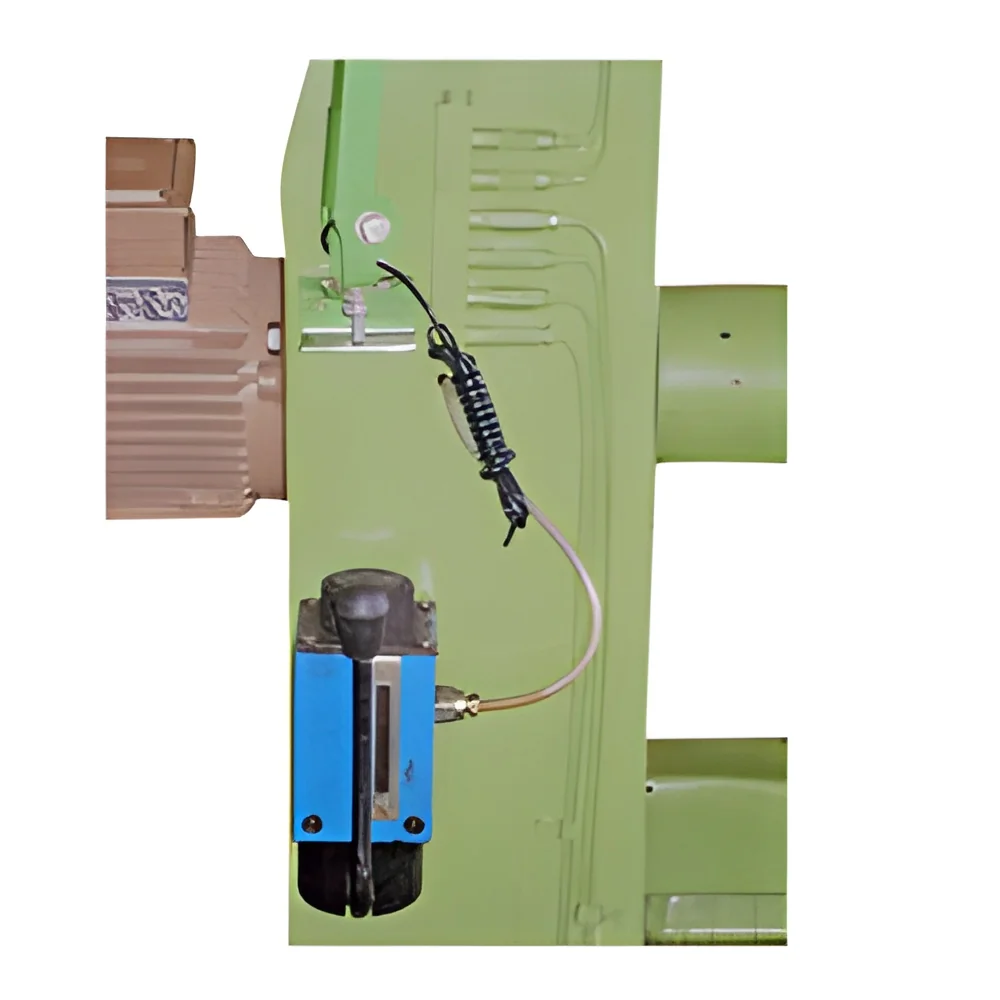
Centralized lubrication units are systems designed to deliver precise amounts of lubricant to multiple points in machinery or equipment. These systems ensure that various moving parts receive consistent lubrication, which is vital for reducing friction and wear, thereby enhancing the efficiency and lifespan of machinery. Centralized lubrication units can be manual or automatic, allowing for flexibility based on operational needs.
The primary uses of centralized lubrication units extend across various industries, including manufacturing, mining, construction, and transportation. They are used in any application where machinery operates continuously and requires regular lubrication to maintain optimal performance. Businesses benefit from reduced maintenance costs and improved productivity through the use of these systems. As industries worldwide seek to optimize operations and reduce downtime, the relevance of centralized lubrication units continues to grow.
In the current market context, the demand for centralized lubrication systems is driven by the increasing complexity of machinery and an emphasis on preventive maintenance. Companies are recognizing the importance of implementing efficient lubrication practices to avoid costly breakdowns and repairs. As a result, centralized lubrication units are becoming a standard component in modern industrial operations.
Key Features and Specifications
Centralized lubrication units come equipped with several key features designed for efficiency and reliability. Their specifications are crucial for ensuring they meet the operational demands of various applications.
Key specifications include:
1. Lubrication Method
- Automatic or manual operation
- Options for time-based or quantity-based delivery
2. Control System
- Integrated control panels for monitoring and adjustments
- Compatibility with existing machinery control systems
3. Delivery Pressure
- Operating pressure typically ranging from 1 to 10 MPa
- Adjustable settings for different lubrication needs
4. Capacity
- Storage tank capacities ranging from 5 liters to over 100 liters
- Options for larger systems to reduce refill frequency
5. Number of Outlets
- Configurations available for 1 to 100 lubrication points
- Customizable setups based on machinery layout
6. Temperature Range
- Operating temperatures typically from -20°C to 70°C
- Adaptability for extreme industrial conditions
7. Material Construction
- Durable materials such as steel or high-grade plastics
- Resistance to corrosion and wear for longevity
8. Safety Features
- Built-in pressure relief valves and overflow protection
- Compliance with safety standards to prevent leaks and failures
In summary, understanding the features and specifications of centralized lubrication units is essential for selecting the right system that meets the specific needs of an operation.
Common Applications and Use Cases
Centralized lubrication units have broad applications across multiple industries, making them versatile tools for improving machinery performance.
1. Manufacturing: These systems are widely used in production lines to ensure that conveyor belts, gears, and bearings receive consistent lubrication, reducing wear and increasing throughput.
2. Mining: In harsh environments, centralized lubrication units protect heavy machinery such as excavators and haul trucks, ensuring reliability despite dust and moisture exposure.
3. Construction: On construction sites, these units help maintain equipment like cranes and bulldozers, minimizing downtime and enhancing operational efficiency.
4. Transportation: Centralized lubrication is critical in trucking and rail operations, where it ensures that moving parts in vehicles and locomotives are properly lubricated, enhancing safety and performance.
5. Agriculture: Farming machinery such as tractors and harvesters benefit from centralized lubrication systems, which help maintain optimal performance during peak operation periods.
6. Marine: In marine applications, these units are essential for maintaining the engines and moving parts of ships, contributing to safety and efficiency in harsh marine environments.
7. Energy: Wind turbines and other energy generation equipment use centralized lubrication to ensure smooth operation, reducing maintenance costs and downtime.
Product Variants and Subcategories
Centralized lubrication units come in various types to accommodate different applications and operational needs.
Automatic Lubrication Systems
These systems provide continuous lubrication without the need for manual intervention, making them ideal for high-demand environments. They often include timers and sensors to ensure optimal lubrication intervals.
Manual Lubrication Systems
Designed for smaller operations, these systems require manual activation to deliver lubricant. They are typically used in settings where machinery operates intermittently and do not require constant lubrication.
Grease Lubrication Units
These units are specifically designed for dispensing grease, ensuring proper application in heavy-duty machinery where grease is preferred for its viscosity and protective qualities.
Oil Lubrication Units
Focused on delivering oil to machinery, these units are essential in applications where fluid lubrication is necessary for optimal performance.
Benefits and Advantages
Centralized lubrication units offer numerous advantages that enhance operational efficiency and machinery reliability.
1. Increased Equipment Longevity: By ensuring consistent lubrication, these units reduce wear and tear on components, extending the life of machinery.
2. Reduced Maintenance Costs: With less frequent breakdowns and repairs, businesses save on maintenance expenses and downtime.
3. Improved Productivity: Automated systems ensure that lubrication is applied precisely when needed, allowing machinery to operate at peak efficiency.
4. Safety Enhancements: Proper lubrication reduces the risk of machinery failure, enhancing safety for operators and reducing workplace accidents.
5. Customization Options: Many centralized lubrication systems can be tailored to meet specific operational requirements, enhancing their effectiveness.
6. Environmental Benefits: By minimizing lubricant waste and leakage, these systems contribute to more sustainable operational practices.
Buying Guide for B2B Buyers
When sourcing centralized lubrication units, several factors should guide the purchasing decision to ensure optimal performance and value.
1. Quality Assessment: Evaluate the quality of materials and construction standards to ensure durability and reliability. Look for certifications that indicate adherence to industry standards.
2. Supplier Verification: Vet suppliers by checking their reputation, customer reviews, and service history. Ensuring they have a reliable track record can prevent future complications.
3. Pricing and MOQ: Understand the price range for different models and the minimum order quantities. This helps in budgeting and planning purchases effectively.
4. Delivery and Lead Times: Clarify delivery timelines and logistics to ensure that the units arrive when needed without causing delays in operations.
5. Compliance Requirements: Be aware of local and international compliance standards to ensure that the selected lubrication units meet regulatory requirements.
Compliance and Certifications
Centralized lubrication units must comply with various quality standards to ensure safety and reliability. Relevant standards include ISO 9001, which focuses on quality management systems, and CE marking, which indicates conformity with health, safety, and environmental protection standards within the European Economic Area.
Additionally, industry-specific certifications may apply depending on the application, such as HACCP for food safety in food processing environments. Safety and testing requirements ensure that lubrication systems function correctly under pressure and temperature extremes, while regional compliance considerations may vary based on local regulations.
It is crucial for buyers to verify that the lubrication units meet these compliance requirements to avoid legal and operational issues.
Why Source Centralized Lubrication Units from Pepagora?
Pepagora offers a reliable platform for sourcing centralized lubrication units, providing several key advantages for B2B buyers.
Verified Supplier Network: Pepagora ensures that all suppliers are vetted for quality and reliability, giving buyers confidence in their purchasing decisions. This helps minimize risks associated with subpar products.
Streamlined RFQ Process: The request for quotation process is designed to be efficient, allowing buyers to quickly receive and compare quotes from multiple suppliers. This saves time and aids in making informed decisions.
Trade Assurance and Support: Buyers are protected through trade assurance programs, ensuring that transactions are secure and that any issues are addressed promptly. This support enhances buyer confidence.
Regional Coverage: Pepagora's extensive network spans India, the Gulf Cooperation Council, and Southeast Asia, providing buyers with access to a wide range of suppliers and products tailored to their specific needs. This geographic reach facilitates smoother transactions and logistics.

 IN
IN