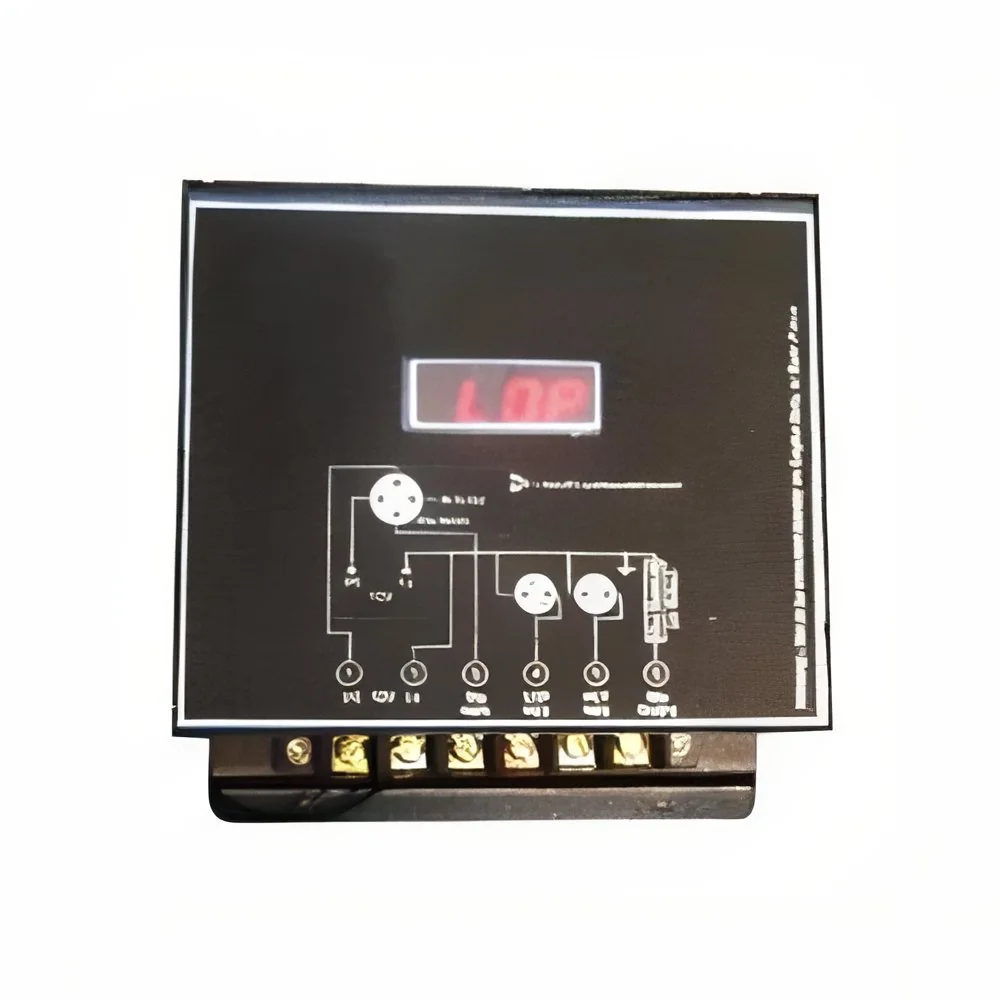
What are Lubrication Controllers?
Lubrication controllers are sophisticated devices designed to manage and regulate the application of lubricants in various machinery and equipment. They ensure that the right amount of lubricant is delivered to specific points, optimizing performance and reducing wear. These controllers can automate the lubrication process, thereby enhancing efficiency and reliability in operations.
Primarily used in manufacturing, automotive, and industrial settings, lubrication controllers play a crucial role in maintaining machinery health. By providing precise lubrication, these devices help prevent overheating, reduce friction, and extend the lifespan of equipment. They are particularly beneficial in environments where machinery operates under heavy loads or in high-speed applications.
As industries increasingly focus on automated solutions and predictive maintenance, the demand for lubrication controllers continues to rise. The global market is evolving to incorporate advanced technologies, such as IoT capabilities and real-time monitoring, making lubrication controllers a vital component for modern industrial operations.
Key Features and Specifications
Lubrication controllers come equipped with various features that enhance their functionality and ease of use. Understanding these features is essential for selecting the right controller for specific applications.
Key specifications include:
1. Control Method
- This specification defines how the controller manages the lubrication process, including manual, automatic, or programmable settings.
2. Operating Range
- This includes temperature and pressure ranges within which the controller can effectively operate, ensuring suitability for various environments.
3. Power Supply
- Most lubrication controllers require specific voltage and power settings, which can vary widely depending on the model.
4. Lubricant Compatibility
- Controllers are designed to work with specific types of lubricants, which is crucial for ensuring optimal performance.
5. Monitoring Features
- Advanced models may include sensors for monitoring lubricant levels, flow rates, and system pressure, facilitating proactive maintenance.
6. Interface Options
- Features may include digital displays, alarms, or connectivity options for integration into broader automation systems.
7. Size and Weight
- The physical dimensions and weight of the controller can impact installation and usability.
8. Certifications
- Many lubrication controllers come with certifications such as CE, ensuring compliance with industry standards.
Understanding these specifications can help businesses choose a lubrication controller that meets their operational needs effectively.
Common Applications and Use Cases
Lubrication controllers are versatile tools that find applications across various industries.
1. Manufacturing: In manufacturing settings, lubrication controllers help manage lubrication for conveyor systems, reducing friction and wear while increasing operational efficiency.
2. Automotive: In automotive assembly lines, these controllers ensure that critical components are adequately lubricated, which is essential for maintaining quality and performance.
3. Mining: In mining operations, lubrication controllers are used to maintain heavy machinery, minimizing downtime and enhancing reliability in harsh environments.
4. Food Processing: These devices help ensure compliance with hygiene standards by managing lubrication in food processing machinery while preventing contamination.
5. Steel Production: In steel mills, lubrication controllers are crucial for managing the lubrication of rolling mills, ensuring smooth operation under high loads.
6. Renewable Energy: In wind turbines, lubrication controllers help extend the lifespan of gearboxes and bearings, which are critical for efficient energy production.
7. Construction: In construction equipment, these controllers ensure that machinery operates smoothly, reducing maintenance costs and downtime.
Product Variants and Subcategories
While specific subcategories of lubrication controllers are not available, there are various models tailored to different needs.
Standard Lubrication Controller
This model is designed for general applications, providing basic automation features and consistent performance across various machinery.
Advanced Lubrication Controller
This variant includes enhanced monitoring capabilities and integration with IoT systems, allowing for real-time data analysis and maintenance alerts.
Compact Lubrication Controller
Ideal for smaller machinery or tight spaces, this controller provides essential lubrication management without compromising on performance.
Portable Lubrication Controller
Designed for use in mobile applications, this variant is lightweight and easy to transport, making it suitable for various on-site lubrication tasks.
Benefits and Advantages
Choosing the right lubrication controller can provide significant advantages to businesses.
1. Increased Efficiency: Automation of the lubrication process reduces human error and ensures optimal lubricant application, leading to increased operational efficiency.
2. Cost Savings: By minimizing wear and tear on machinery, lubrication controllers can help reduce maintenance costs and prolong the lifespan of equipment.
3. Enhanced Reliability: With precise lubrication management, machinery operates smoothly, reducing the likelihood of unexpected breakdowns.
4. Improved Safety: Proper lubrication reduces the risk of equipment failure, which can lead to workplace accidents and hazards.
5. Environmental Compliance: Many lubrication controllers are designed to minimize waste and ensure compliance with environmental regulations by managing lubricant usage effectively.
6. Data-Driven Insights: Advanced models offer real-time monitoring and data collection, enabling businesses to make informed decisions regarding maintenance and operational improvements.
Buying Guide for B2B Buyers
When sourcing lubrication controllers, it is crucial to consider several key factors to ensure you select the right product for your needs.
1. Quality Assessment: Evaluate the quality of the lubrication controller by checking certifications and compliance with industry standards. Look for reliable performance metrics and user reviews.
2. Supplier Verification: Vet potential suppliers to ensure they have a solid reputation in the market. Look for established companies with a history of providing quality products and good customer service.
3. Pricing and MOQ: Consider the cost of lubrication controllers and any minimum order quantities (MOQ) that may apply. Compare prices across different suppliers to find the best value for your budget.
4. Delivery and Lead Times: Assess the logistics involved in the procurement process. Ensure suppliers can meet your delivery timelines to avoid disruptions in your operations.
5. Compliance Requirements: Be aware of any regional compliance standards that apply to lubrication controllers. Ensure that the products you choose meet all necessary regulatory requirements.
Compliance and Certifications
Compliance and certifications are critical aspects of lubrication controllers, ensuring that they meet industry standards and safety requirements.
Many lubrication controllers adhere to quality standards such as ISO 9001, which signifies a commitment to quality management systems. Compliance with HACCP and GDP standards is also vital, especially in industries where hygiene and safety are paramount.
Furthermore, industry certifications like CE indicate that the product meets European safety, health, and environmental protection standards. These certifications help ensure that lubrication controllers are safe to use and effective in their applications.
Safety and testing requirements are also critical, as they ensure that the products can withstand the conditions they will face in real-world applications. Additionally, regional compliance considerations may vary, so it's essential to ensure that the products meet local regulations and standards.
Why Source Lubrication Controllers from Pepagora?
Pepagora offers a trusted platform for sourcing lubrication controllers, providing several key advantages for businesses looking to enhance their operations.
Verified Supplier Network: Pepagora has a rigorous supplier verification process, ensuring that you have access to reputable suppliers who meet high-quality standards. This helps mitigate risks associated with unreliable suppliers.
Streamlined RFQ Process: The request for quotation (RFQ) system on Pepagora allows buyers to easily obtain quotes from multiple suppliers, facilitating comparison and informed decision-making.
Trade Assurance and Support: Pepagora offers trade assurance, providing buyers with protection against issues such as product quality or delivery delays. This support enhances confidence in your purchasing decisions.
Regional Coverage: With a strong presence in India, the Gulf Cooperation Council (GCC), and Southeast Asia, Pepagora provides a comprehensive network that facilitates sourcing across diverse markets. This geographic reach ensures that businesses can find suitable lubrication controllers tailored to their specific needs.

 IN
IN