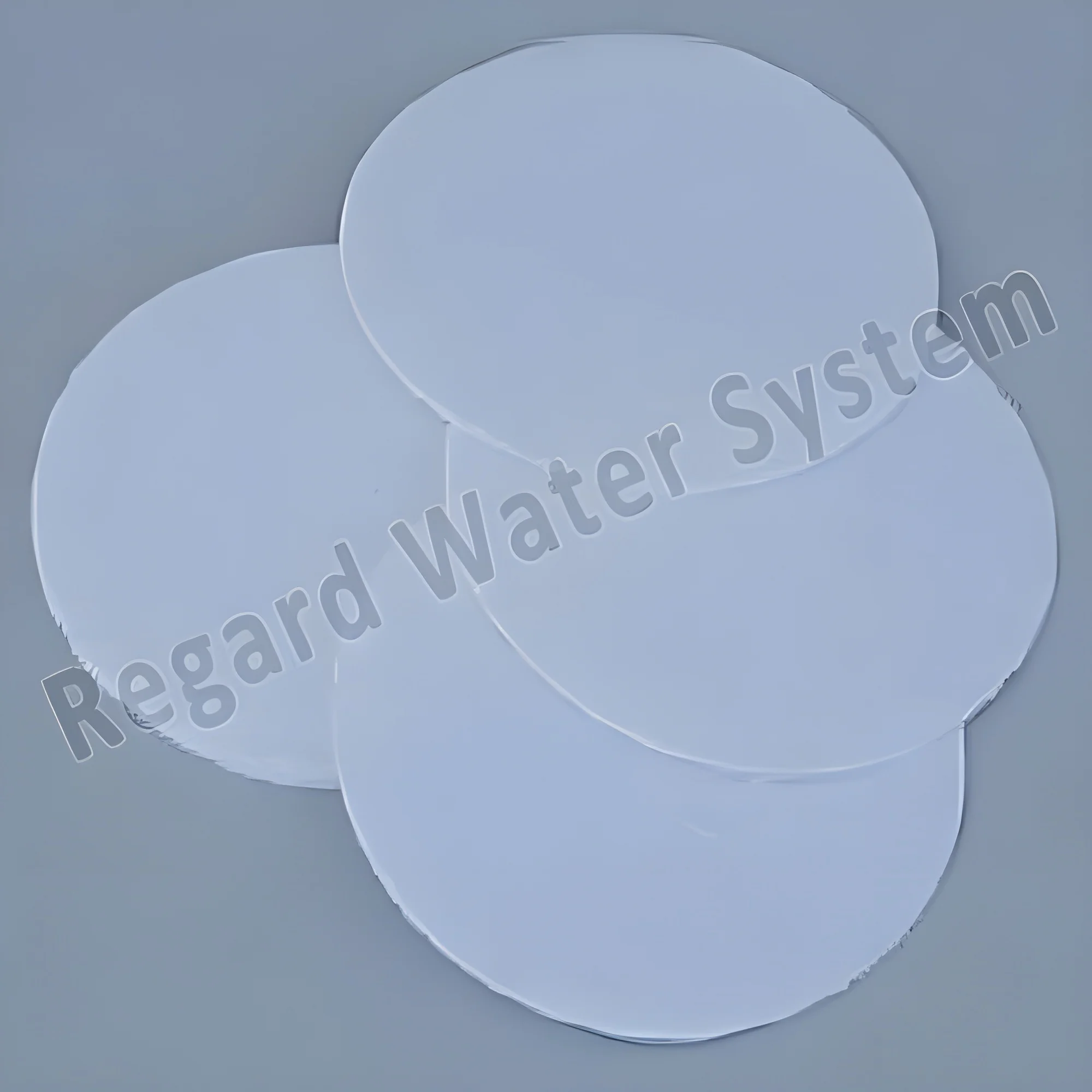
What are Paper Filter Elements?
Paper Filter Elements are essential components used in various filtration systems to separate solid particles from liquids or gases. They are made from specially processed paper that provides a high level of filtration efficiency. These elements work by allowing the fluid to pass through while trapping contaminants, ensuring the purity and quality of the fluid being processed.
These filter elements find primary uses in industries such as manufacturing, automotive, and food processing. In manufacturing, they are often used in hydraulic and lubrication systems to maintain clean fluids. In the automotive sector, these filters help protect engines by filtering out impurities from fuel and oil. In food processing, they ensure that liquids like juices and oils are free from unwanted particles, contributing to product quality.
The relevance of Paper Filter Elements in the market is significant. As industries increasingly prioritize efficiency and compliance with health standards, the demand for reliable filtration solutions grows. High-quality filter elements are crucial for maintaining operational efficiency, extending equipment life, and meeting regulatory requirements.
Key Features and Specifications
Paper Filter Elements come equipped with several key features that enhance their performance and adaptability across various applications. It is important to understand these specifications when selecting the right filter for your needs.
Key specifications include:
1. Filtration Efficiency
- This specification indicates the percentage of particles that can be removed from the fluid.
- Typical ranges are between 95% to 99.9% depending on the application.
2. Flow Rate
- This refers to the maximum volume of fluid that can pass through the filter in a given time.
- Common flow rates can range from 5 to 100 liters per minute.
3. Operating Temperature
- The maximum temperature at which the filter can function effectively.
- Data not available for specific temperature ranges.
4. Compatibility with Fluids
- This specifies the types of fluids the filter can be used with, such as oils, fuels, or water.
- Most filters are designed to be compatible with a wide range of industrial fluids.
5. Dimensions
- Overall size and shape of the filter element, which must fit specific equipment.
- Standard sizes vary, but custom options may be available.
6. Lifespan
- The duration for which the filter can operate effectively before needing replacement.
- Typical lifespans range from 6 months to 2 years, depending on usage conditions.
7. Material Composition
- The type of paper and any additional materials used in the filter construction.
- High-quality cellulose and synthetic fibers are commonly employed.
8. Certifications
- Compliance with industry standards such as CE, ensuring safety and performance.
- Relevant certifications enhance trust in product quality.
Choosing the right specifications is critical to ensure optimal performance in your filtration processes.
Common Applications and Use Cases
Paper Filter Elements are utilized across various industries, each with unique filtration needs.
1. Automotive: In automotive applications, these filters are critical for maintaining clean engine oil and fuel. They help improve engine performance and longevity by removing contaminants that could cause damage.
2. Manufacturing: In manufacturing processes, Paper Filter Elements are used in hydraulic systems to ensure the cleanliness of hydraulic fluids. This prevents wear and tear on machinery and enhances operational efficiency.
3. Food and Beverage: In the food and beverage industry, filters play a vital role in ensuring that liquids are free from particles. This is essential for maintaining product quality and meeting health standards.
4. Pharmaceutical: In the pharmaceutical industry, filters are used to ensure that raw materials and finished products are free from contaminants. This is crucial for compliance with strict regulatory standards.
5. Chemical Processing: In chemical processing, Paper Filter Elements help separate unwanted solids from liquids during production. This enhances product purity and reduces the risk of equipment damage.
6. Water Treatment: These filters are employed in water treatment facilities to remove impurities from drinking water, ensuring safety and compliance with health regulations.
7. HVAC Systems: In heating, ventilation, and air conditioning systems, Paper Filter Elements are used to improve air quality by trapping dust and other particulates.
Product Variants and Subcategories
Paper Filter Elements come in various configurations to meet diverse application requirements. Although specific subcategories are not available, the following variants are commonly used.
Standard Paper Filter Element
This variant is designed for general filtration applications and offers reliable performance in various industries. It is suitable for hydraulic and lubrication systems, ensuring fluid cleanliness.
High-Performance Filter Element
Engineered for demanding applications, this variant provides enhanced filtration efficiency and durability. It is ideal for industries that require rigorous filtration standards, such as pharmaceuticals and chemicals.
Custom Filter Element
Tailored to specific needs, custom filter elements can be designed based on particular dimensions, flow rates, and filtration efficiencies. They are perfect for unique applications where standard filters may not suffice.
Benefits and Advantages
Paper Filter Elements offer numerous benefits that contribute to operational efficiency and product quality.
1. High Filtration Efficiency: These filters excel at removing contaminants, ensuring the purity of fluids and extending equipment life.
2. Cost-Effectiveness: By preventing wear and tear on machinery, these filters help reduce maintenance costs and downtime.
3. Versatility: Suitable for various applications, from automotive to food processing, making them a flexible choice for many industries.
4. Compliance Assurance: Many Paper Filter Elements come with certifications that ensure they meet industry standards, providing peace of mind to buyers.
5. Easy Installation: These filters are designed for straightforward installation, reducing setup time and labor costs.
6. Environmental Impact: By improving fluid quality, these filters can contribute to reduced waste and a lower environmental footprint.
Buying Guide for B2B Buyers
When sourcing Paper Filter Elements, it is essential to consider several factors to ensure you make the right choice.
1. Quality Assessment: Evaluate filters based on their filtration efficiency, material composition, and any certifications. High-quality filters lead to better performance and longer lifespans.
2. Supplier Verification: Vet potential suppliers by checking their reputation, customer reviews, and experience in the industry. This ensures you partner with reliable sources.
3. Pricing and MOQ: Understand the pricing structure and the minimum order quantity (MOQ) required by suppliers. This helps in budget planning and ensures you meet supplier requirements.
4. Delivery and Lead Times: Consider the logistics involved, including delivery times and shipping options. Reliable suppliers should provide clear timelines to avoid disruptions in your operations.
5. Compliance Requirements: Ensure that the filters meet industry-specific regulations and standards. Compliance can impact product quality and marketability.
Compliance and Certifications
Paper Filter Elements are subject to various quality standards and certifications that ensure their reliability and safety in industrial applications.
ISO 9001 is a widely recognized quality management standard that emphasizes consistent quality in manufacturing processes. Adhering to this standard can help ensure that Paper Filter Elements are produced with high quality and efficiency.
CE certification indicates that the filter elements meet European Union health, safety, and environmental protection standards. This is especially important for suppliers looking to market their products in EU member states.
Safety and testing requirements also play a crucial role in the production of Paper Filter Elements. Manufacturers often conduct rigorous testing to ensure that their products perform well under specified conditions.
Regional compliance considerations vary by location. It is essential for manufacturers and buyers to understand local regulations governing the use of filter elements in their specific industries.
Why Source Paper Filter Elements from Pepagora?
Pepagora provides a trusted platform for sourcing Paper Filter Elements, offering many advantages that simplify the procurement process.
Verified Supplier Network: Pepagora ensures all suppliers are thoroughly vetted, providing buyers with access to a network of reliable manufacturers. This reduces the risk associated with sourcing from unknown suppliers.
Streamlined RFQ Process: The Request for Quotation (RFQ) system at Pepagora allows buyers to easily request quotes from multiple suppliers. This competitive environment enables buyers to find the best pricing and terms.
Trade Assurance and Support: Buyers are protected through trade assurance programs that guarantee product quality and timely delivery. This support fosters confidence in purchasing decisions.
Regional Coverage: Pepagora's reach extends across India, the Gulf Cooperation Council (GCC), and Southeast Asia. This broad coverage allows buyers to find local suppliers and ensure timely delivery of products.
Overall, Pepagora stands out as a valuable resource for businesses looking to procure high-quality Paper Filter Elements efficiently and securely.

 IN
IN