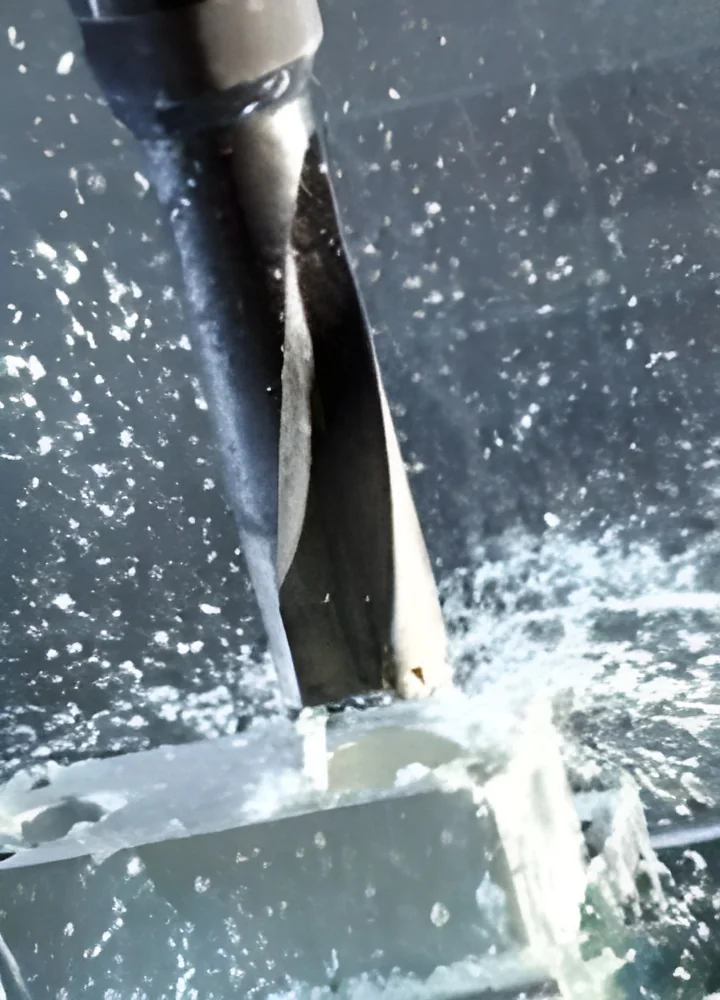
What are Cutting Fluids & Coolants?
Cutting fluids and coolants are essential substances used in machining and metalworking processes to enhance productivity and efficiency. These fluids serve multiple functions, including cooling, lubricating, and removing chips or debris generated during cutting operations. By reducing friction and heat between the cutting tool and the workpiece, they help extend tool life and improve surface finish, ultimately leading to better product quality.
In industrial settings, cutting fluids are typically employed in various applications such as milling, turning, drilling, and grinding. Their use is critical in sectors like automotive, aerospace, and manufacturing, where precision engineering is paramount. Companies leverage these fluids to optimize operational performance, reduce downtime, and lower overall production costs. With the growing emphasis on sustainable manufacturing, the market for cutting fluids and coolants is evolving, with increased focus on bio-based and environmentally friendly formulations.
As industries continue to advance technologically, the relevance of cutting fluids and coolants remains significant. The demand for high-performance fluids that meet various operational needs is on the rise, reflecting the dynamic and competitive landscape of the industrial sector.
Key Features and Specifications
Cutting fluids and coolants come with various features and specifications that enhance their effectiveness in machining operations. Understanding these specifications is crucial for selecting the right product for specific applications.
Key specifications include:
1. Viscosity
- Affects the fluid's flow and ability to cover surfaces.
- Typical ranges can vary from 5 to 100 centistokes.
2. Flash Point
- Indicates the temperature at which the fluid can ignite.
- Essential for safety considerations, typically above 150 degrees Celsius.
3. pH Level
- Influences the fluid's corrosion resistance and stability.
- Generally maintained between 7 and 9 for optimal performance.
4. Concentration Ratio
- Refers to the dilution level of the fluid with water.
- Common ratios range from 5:1 to 20:1, depending on application requirements.
5. Lubricity
- Describes the fluid's ability to reduce friction.
- Higher lubricity improves tool life and surface finish.
6. Biostability
- Resistance to microbial growth and degradation.
- Important for maintaining fluid quality over time.
7. Compatibility
- Ability to work effectively with various materials.
- Critical to ensure no adverse reactions occur during machining.
8. Residue Formation
- Refers to the amount of residue left after use.
- Lower residue formation is preferred to reduce cleanup efforts.
These specifications help manufacturers choose the right cutting fluids and coolants to meet their specific needs and operational requirements.
Common Applications and Use Cases
Cutting fluids and coolants find use across multiple industries, each with unique applications that benefit from their properties.
1. Automotive Industry: Cutting fluids are used in machining engine components, transmissions, and other critical parts, ensuring precision and quality in production.
2. Aerospace Industry: Fluids are essential for the machining of lightweight alloys and complex geometries found in aircraft components, where high performance and safety standards are vital.
3. Metalworking Industry: These fluids aid in various processes, including casting and forging, by reducing friction and improving surface finishes on metal parts.
4. Tool Manufacturing: Cutting fluids are crucial in the production of tools, where they enhance tool life and performance through effective cooling and lubrication.
5. Electronics Manufacturing: Fluids help in the precision machining of components such as connectors and circuit boards, where cleanliness and accuracy are paramount.
6. Medical Device Production: Cutting fluids are used in machining components for surgical instruments and implants, ensuring high-quality finishes and compliance with stringent standards.
7. Construction Equipment: These fluids are employed in machining heavy-duty components that require durability and strength.
Product Variants and Subcategories
Cutting fluids and coolants come in a diverse range of formulations to cater to various machining needs. Understanding these variants helps industries select the most suitable product for specific applications.
Water-Soluble Fluids: These cutting fluids are mixed with water to create a coolant that provides excellent cooling and lubricating properties. They are commonly used in high-speed machining applications.
Neat Oils: Neat oils are undiluted cutting fluids that offer superior lubrication, making them ideal for heavy-duty machining operations where maximum friction reduction is required.
Synthetic Fluids: These are formulated using synthetic materials to provide excellent cooling and lubrication while minimizing environmental impact. They are suitable for industries seeking eco-friendly solutions.
Biodegradable Fluids: These cutting fluids are designed to break down naturally in the environment, making them a sustainable choice for companies focused on reducing their ecological footprint.
Benefits and Advantages
Using cutting fluids and coolants in machining processes offers numerous benefits that contribute to overall operational efficiency.
1. Improved Tool Life: Cutting fluids reduce friction and heat, extending the lifespan of cutting tools, which leads to lower replacement costs.
2. Enhanced Surface Finish: These fluids help achieve smoother finishes on machined parts, improving product quality and reducing the need for secondary operations.
3. Reduced Downtime: Efficient cooling and lubrication minimize wear and tear on machinery, leading to less downtime for maintenance and repairs.
4. Increased Productivity: By optimizing machining conditions, cutting fluids enable faster cycle times and higher throughput, enhancing overall productivity.
5. Better Chip Removal: The use of cutting fluids aids in the effective removal of chips and debris from the work area, keeping the machining process clean and efficient.
6. Environmental Compliance: Many cutting fluids are designed to meet environmental regulations, helping companies maintain compliance while reducing their ecological impact.
Buying Guide for B2B Buyers
When sourcing cutting fluids and coolants, it is essential for B2B buyers to consider several key factors to make informed decisions.
1. Quality Assessment: Buyers should evaluate the quality of cutting fluids by reviewing manufacturer specifications and performance data to ensure they meet industry standards.
2. Supplier Verification: It is crucial to vet suppliers by checking their certifications, reputation, and history to ensure reliability and consistent product quality.
3. Pricing and MOQ: Buyers need to understand the pricing structures and minimum order quantities (MOQ) to ensure they align with budgetary constraints and purchasing needs.
4. Delivery and Lead Times: Consideration of logistics and lead times is important for planning production schedules and ensuring timely availability of cutting fluids.
5. Compliance Requirements: Buyers must ensure that the products sourced meet all relevant regulatory and safety requirements for their specific industry and region.
Compliance and Certifications
Compliance with industry standards and certifications is vital for cutting fluids and coolants to ensure safety and quality in manufacturing processes.
Relevant quality standards such as ISO 9001 ensure that manufacturers adhere to consistent quality management systems, which is crucial for production reliability. Additionally, HACCP (Hazard Analysis Critical Control Points) helps identify and mitigate risks associated with the use of cutting fluids in manufacturing environments.
Industry certifications like CE indicate that products meet European safety, health, and environmental protection standards. This certification is particularly important for companies exporting products to the European market.
Safety and testing requirements must be met to ensure that cutting fluids do not pose health risks to workers or the environment. Regular testing for toxicity and performance ensures compliance with safety regulations.
Regional compliance considerations can vary, so buyers need to be aware of local laws and regulations governing the use of cutting fluids in their specific operational areas.
Why Source Cutting Fluids & Coolants from Pepagora?
Pepagora provides a trusted platform for sourcing cutting fluids and coolants, offering several key advantages for B2B buyers.
Verified Supplier Network: Pepagora connects buyers with a network of verified suppliers, ensuring that all products meet high standards of quality and safety. This network simplifies the sourcing process, providing peace of mind to manufacturers.
Streamlined RFQ Process: The Request for Quotation (RFQ) process on Pepagora is designed to be user-friendly, allowing buyers to quickly obtain quotes from multiple suppliers. This efficiency helps maintain competitive pricing and ensures timely responses.
Trade Assurance and Support: Pepagora offers trade assurance, protecting buyers against potential risks associated with transactions. Additionally, their customer support team is available to assist with inquiries and resolve issues, enhancing the overall purchasing experience.
Regional Coverage: With a strong presence in India, the GCC, and Southeast Asia, Pepagora provides broad market reach, allowing buyers to access cutting fluids and coolants that meet their specific regional needs. This geographic coverage enhances the platform's convenience and effectiveness for sourcing industrial products.

 IN
IN