What are Greases (Lithium, Moly, Synthetic)?
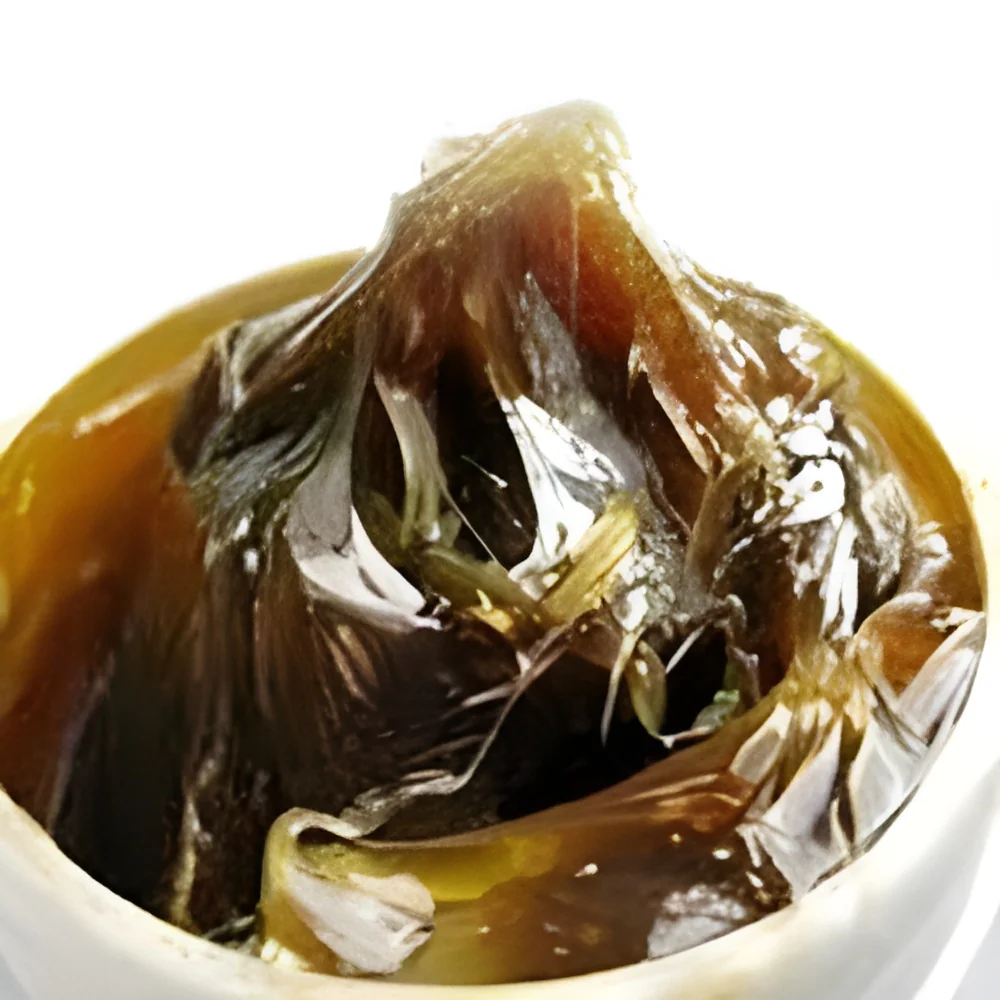
Greases are lubricants composed of a base oil, thickener, and various additives that enhance their performance. Lithium, molybdenum (moly), and synthetic greases are the most commonly used types in industrial applications. Lithium greases are known for their water resistance and versatility, making them suitable for a wide range of machinery. Moly greases contain molybdenum disulfide, which provides exceptional load-carrying capabilities and reduces wear under heavy loads. Synthetic greases are formulated from synthetic base oils, offering superior temperature stability and resistance to oxidation.
These greases have diverse applications across multiple industries. They are used in automotive, aerospace, manufacturing, and construction sectors where machinery and equipment require reliable lubrication to enhance performance and extend service life. Businesses rely on these products to minimize friction, reduce wear, and prevent breakdowns, ultimately improving operational efficiency. The market for greases continues to grow as industries seek to optimize equipment performance and reduce maintenance costs.
๐๐ฒ๐ ๐๐ฒ๐ฎ๐๐๐ฟ๐ฒ๐ ๐ฎ๐ป๐ฑ ๐ฆ๐ฝ๐ฒ๐ฐ๐ถ๐ณ๐ถ๐ฐ๐ฎ๐๐ถ๐ผ๐ป๐
Greases, particularly lithium, moly, and synthetic types, offer unique features tailored to meet specific operational demands. Understanding their specifications helps businesses choose the right lubricant for their applications.
Key specifications include:
1. NLGI Grade
- Indicates the consistency of the grease.
- Common grades range from 0 (very soft) to 6 (very hard).
2. Operating Temperature Range
- Defines the temperature limits within which the grease can perform effectively.
- Typical ranges for lithium grease are -20ยฐC to 120ยฐC, while synthetic grease can extend up to 200ยฐC.
3. Base Oil Viscosity
- Refers to the thickness of the base oil used in the grease.
- Measured in centistokes (cSt) at 40ยฐC.
4. Water Resistance
- Indicates the grease's ability to withstand moisture without losing effectiveness.
- Often evaluated through tests like the 4-ball wear test.
5. Load Carrying Capacity
- Determines how much load the grease can handle before failing.
- Measured using the Timken OK Load test.
6. Oxidation Stability
- Assesses the grease's resistance to degradation at high temperatures.
- Measured by the pressure drop in the oxidation stability test.
7. Compatibility
- Refers to the grease's ability to mix with other lubricants without adverse effects.
- Important for applications where multiple greases may come into contact.
8. Additive Package
- Describes the various additives that enhance performance.
- Can include anti-wear, extreme pressure, and corrosion inhibitors.
These specifications help businesses select greases that align with their operational needs and equipment requirements.
๐๐ผ๐บ๐บ๐ผ๐ป ๐๐ฝ๐ฝ๐น๐ถ๐ฐ๐ฎ๐๐ถ๐ผ๐ป๐ ๐ฎ๐ป๐ฑ ๐จ๐๐ฒ ๐๐ฎ๐๐ฒ๐
Greases are integral to many industries, facilitating smooth operation and reducing wear in machinery.
1. Automotive: Greases are widely used in vehicles for lubrication of bearings, gears, and joints, enhancing performance and longevity.
2. Aerospace: In aviation, greases are essential for lubricating moving parts of aircraft, ensuring safety and reliability under extreme conditions.
3. Manufacturing: Greases are utilized in production machinery to minimize friction and wear, thereby increasing efficiency and reducing downtime.
4. Construction: Heavy machinery such as excavators and bulldozers rely on greases for lubrication, ensuring optimal functionality in demanding environments.
5. Marine: Greases protect components from saltwater corrosion and ensure reliable lubrication for marine engines and equipment.
6. Agriculture: Greases are used in farm equipment to maintain performance and extend service life under harsh working conditions.
7. Mining: In mining operations, greases are crucial for lubricating equipment that operates under heavy loads and extreme temperatures.
๐ฃ๐ฟ๐ผ๐ฑ๐๐ฐ๐ ๐ฉ๐ฎ๐ฟ๐ถ๐ฎ๐ป๐๐ ๐ฎ๐ป๐ฑ ๐ฆ๐๐ฏ๐ฐ๐ฎ๐๐ฒ๐ด๐ผ๐ฟ๐ถ๐ฒ๐
Greases are available in various formulations to suit specific applications and operational requirements.
Lithium Grease
Lithium greases are versatile and water-resistant, making them ideal for general-purpose applications. They provide excellent stability and protection against rust and corrosion, making them suitable for automotive and industrial use.
Moly Grease
Moly greases incorporate molybdenum disulfide, providing enhanced load-carrying capacity. They are ideal for high-pressure applications, such as in heavy machinery, where reducing wear is critical.
Synthetic Grease
Synthetic greases offer superior performance across a wide temperature range, making them suitable for extreme conditions. They resist oxidation and breakdown, ensuring long-lasting protection in demanding applications.
๐๐ฒ๐ป๐ฒ๐ณ๐ถ๐๐ ๐ฎ๐ป๐ฑ ๐๐ฑ๐๐ฎ๐ป๐๐ฎ๐ด๐ฒ๐
Utilizing greases such as lithium, moly, and synthetic types offers significant advantages to businesses.
1. Enhanced Equipment Life: Proper lubrication reduces wear and tear on machinery, extending service life and minimizing replacement costs.
2. Reduced Downtime: Greases prevent breakdowns, contributing to smoother operations and less downtime for maintenance.
3. Improved Efficiency: Effective lubrication minimizes friction, leading to higher efficiency and productivity in machinery.
4. Operational Versatility: Greases can be tailored for various applications, ensuring optimal performance in diverse environments.
5. Cost-Effective Solutions: Investing in quality greases can reduce overall maintenance costs by preventing failures and extending service intervals.
6. Environmental Protection: Many modern greases are formulated to be environmentally friendly, reducing the impact of lubricants on ecosystems.
๐๐๐๐ถ๐ป๐ด ๐๐๐ถ๐ฑ๐ฒ ๐ณ๐ผ๐ฟ ๐๐ฎ๐ ๐๐๐๐ฒ๐ฟ๐
When sourcing greases, businesses should consider several critical factors to ensure they select the right product for their needs.
1. Quality Assessment: Look for greases that meet industry standards and have undergone rigorous testing for performance and safety.
2. Supplier Verification: Vet potential suppliers by checking their credentials, certifications, and industry reputation to ensure reliability.
3. Pricing and MOQ: Compare pricing across different suppliers and understand minimum order quantities to find the best deal for your budget.
4. Delivery and Lead Times: Assess logistics capabilities, including delivery schedules and lead times to ensure timely availability of products.
5. Compliance Requirements: Be aware of regulatory compliance for lubricants in your region, including certifications like CE, to ensure product safety and legality.
๐๐ผ๐บ๐ฝ๐น๐ถ๐ฎ๐ป๐ฐ๐ฒ ๐ฎ๐ป๐ฑ ๐๐ฒ๐ฟ๐๐ถ๐ณ๐ถ๐ฐ๐ฎ๐๐ถ๐ผ๐ป๐
Greases must adhere to various quality standards and certifications to ensure reliability and safety in industrial applications. Key standards include ISO 9001, which outlines quality management systems, and HACCP for food safety management. Additionally, compliance with Good Distribution Practices (GDP) ensures that products are handled correctly throughout the supply chain.
Industry certifications, such as CE marking, indicate that products meet European safety and environmental protection standards. Safety and testing requirements are crucial, as they ensure that greases perform effectively under specified conditions without posing risks to users or equipment.
Regional compliance considerations may vary, so businesses must stay informed about local regulations regarding lubricants to maintain compliance in their operations.
Why Source Greases (Lithium, Moly, Synthetic) from Pepagora?
Pepagora offers a comprehensive platform for sourcing greases, providing several key advantages for B2B buyers.
Verified Supplier Network: Pepagora connects buyers with a network of verified suppliers, ensuring that all products meet high-quality standards and industry specifications.
Streamlined RFQ Process: The Request for Quotation (RFQ) system simplifies the procurement process, allowing buyers to compare offers and select the best option efficiently.
Trade Assurance and Support: Buyers benefit from trade assurance policies that protect their transactions, providing peace of mind throughout the purchasing process.
Regional Coverage: Pepagora has extensive reach across India, the GCC, and Southeast Asia, making it easy for businesses to source greases tailored to their specific regional needs.