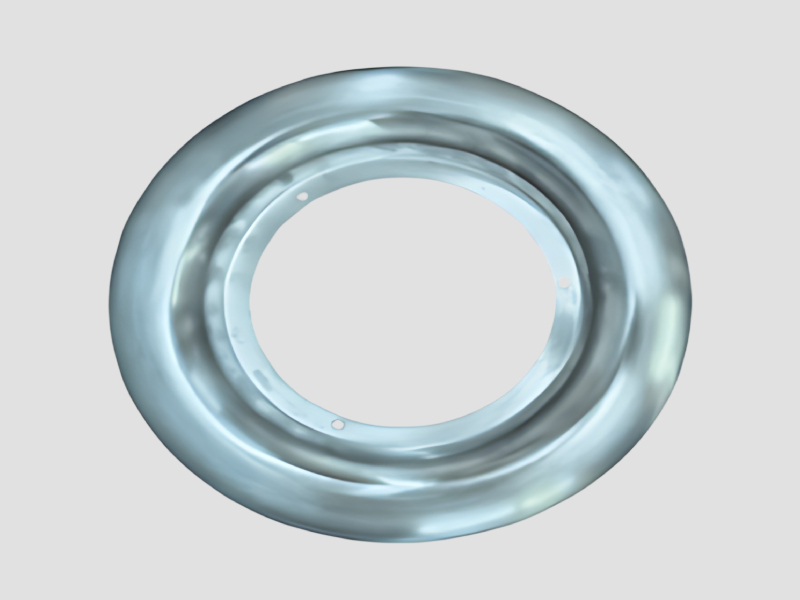
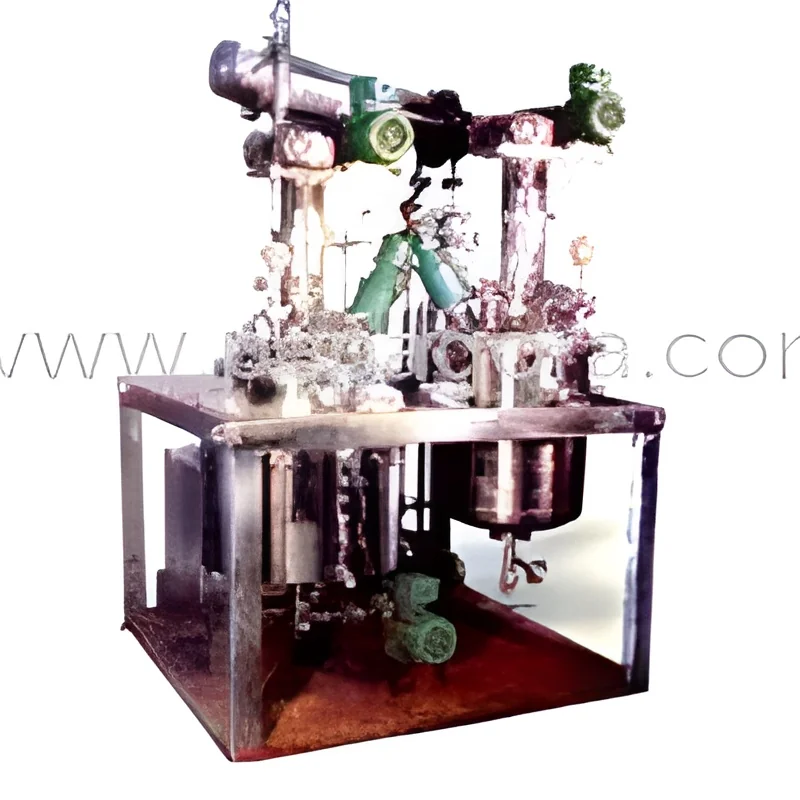
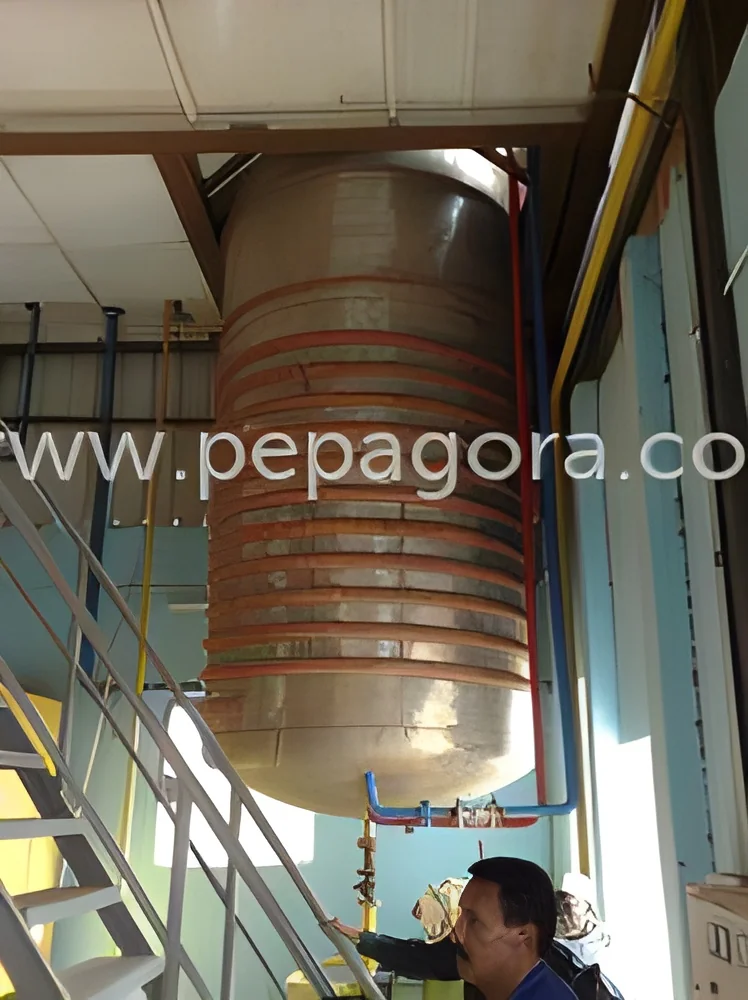
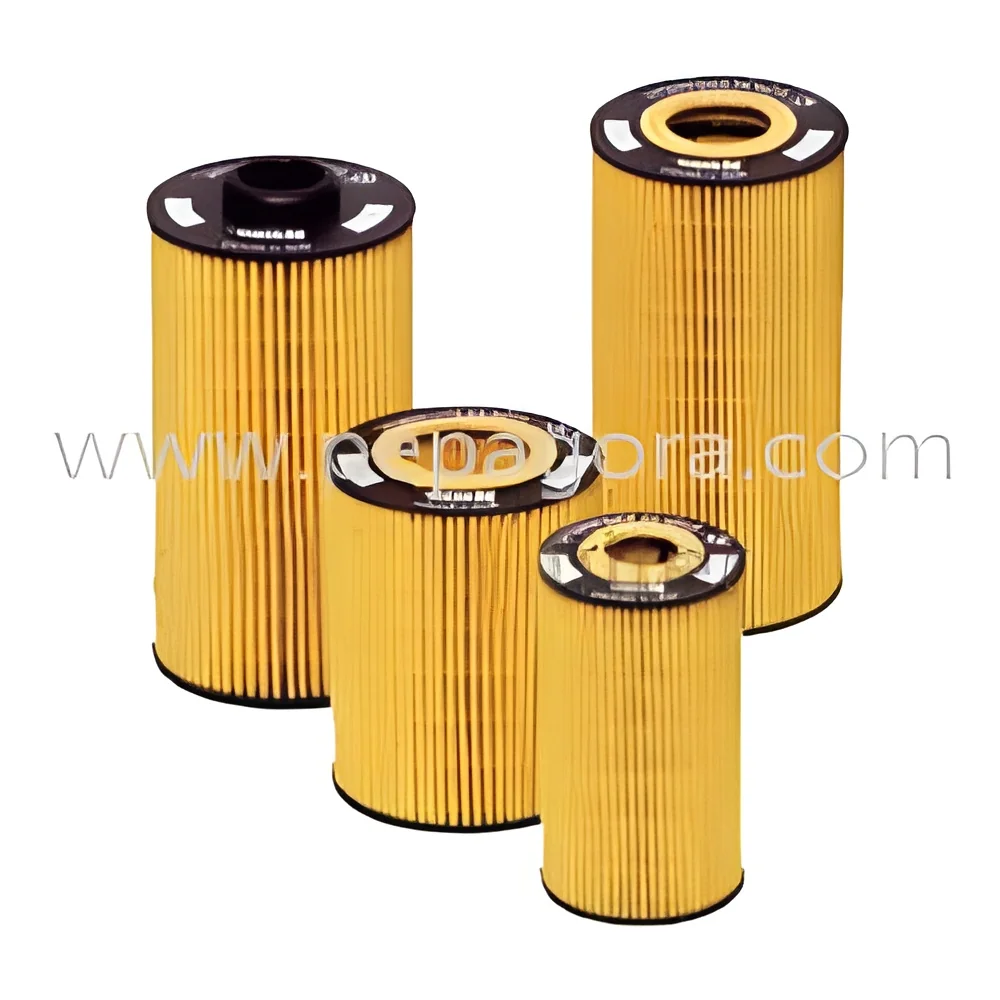
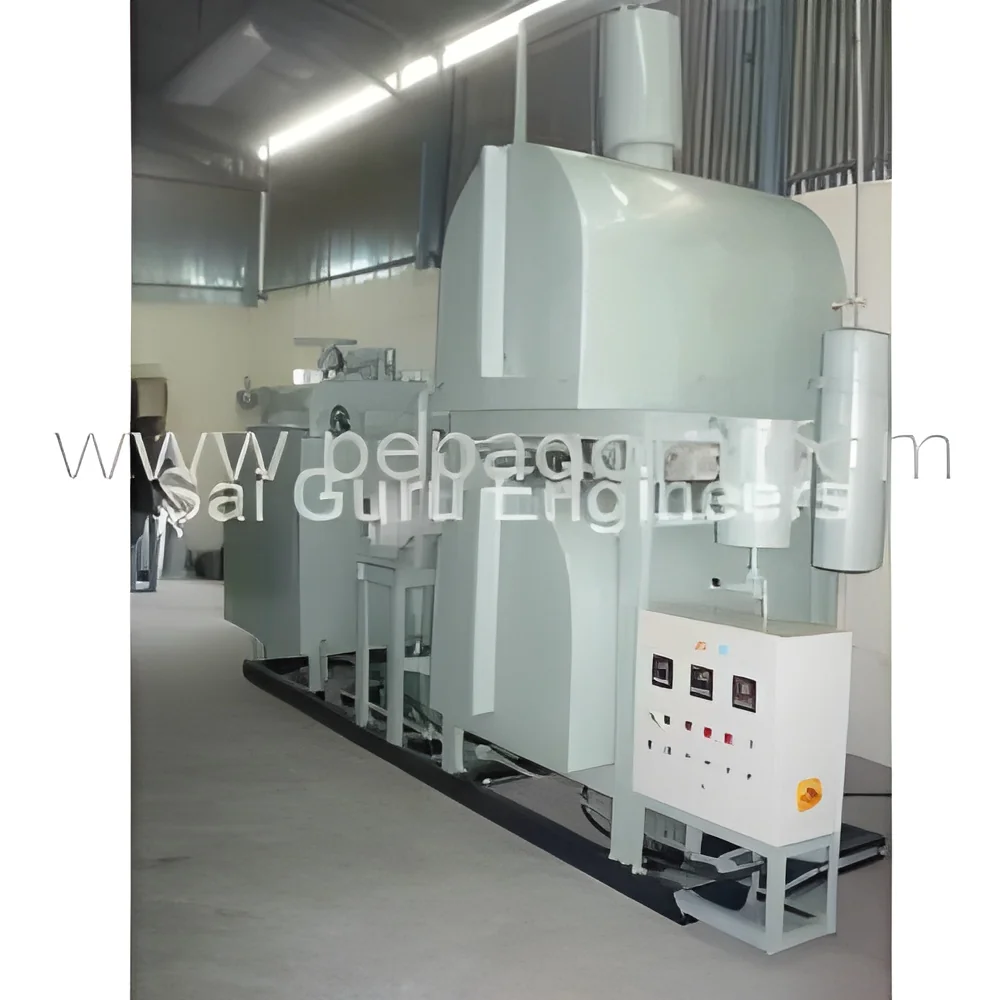
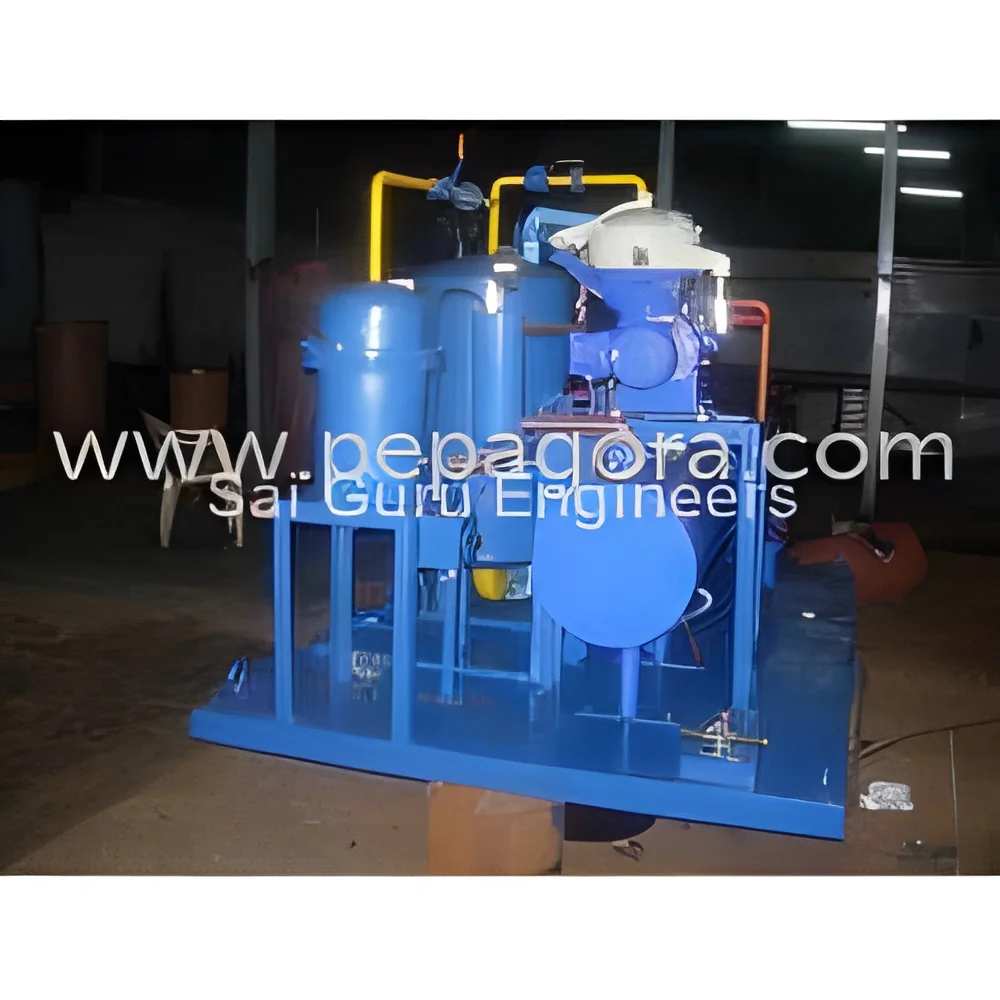
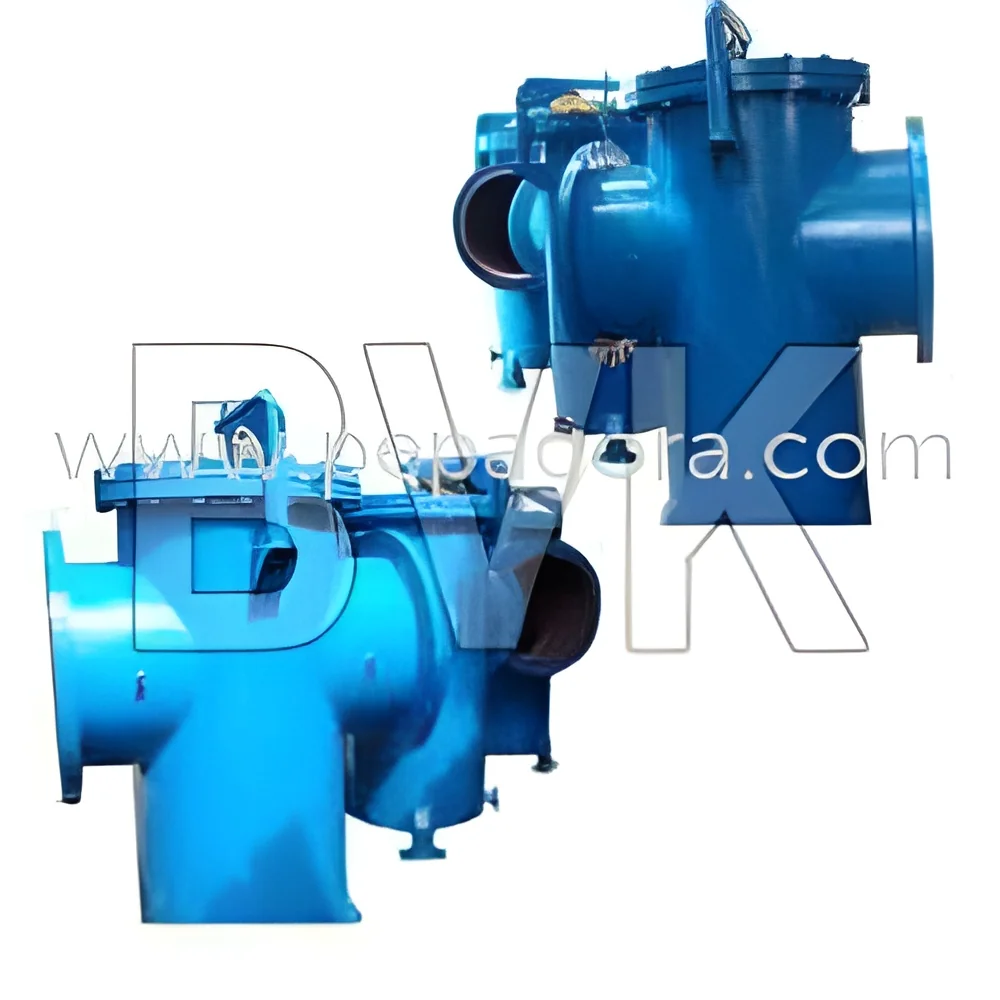
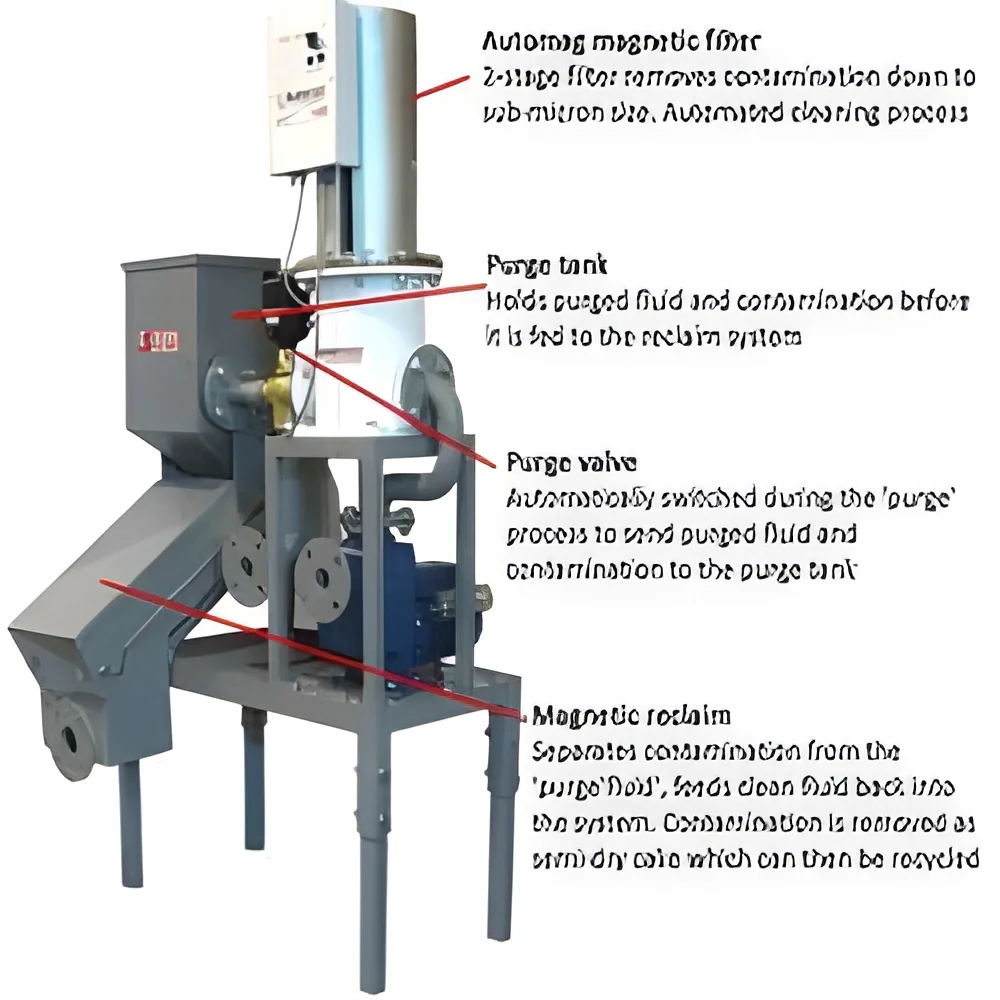
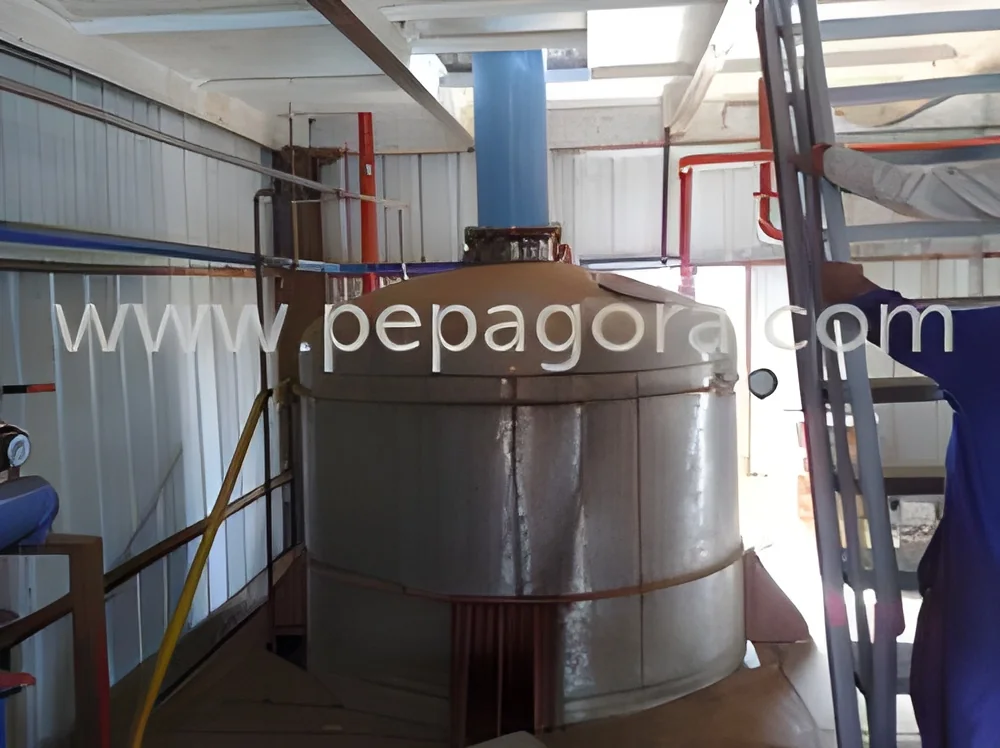
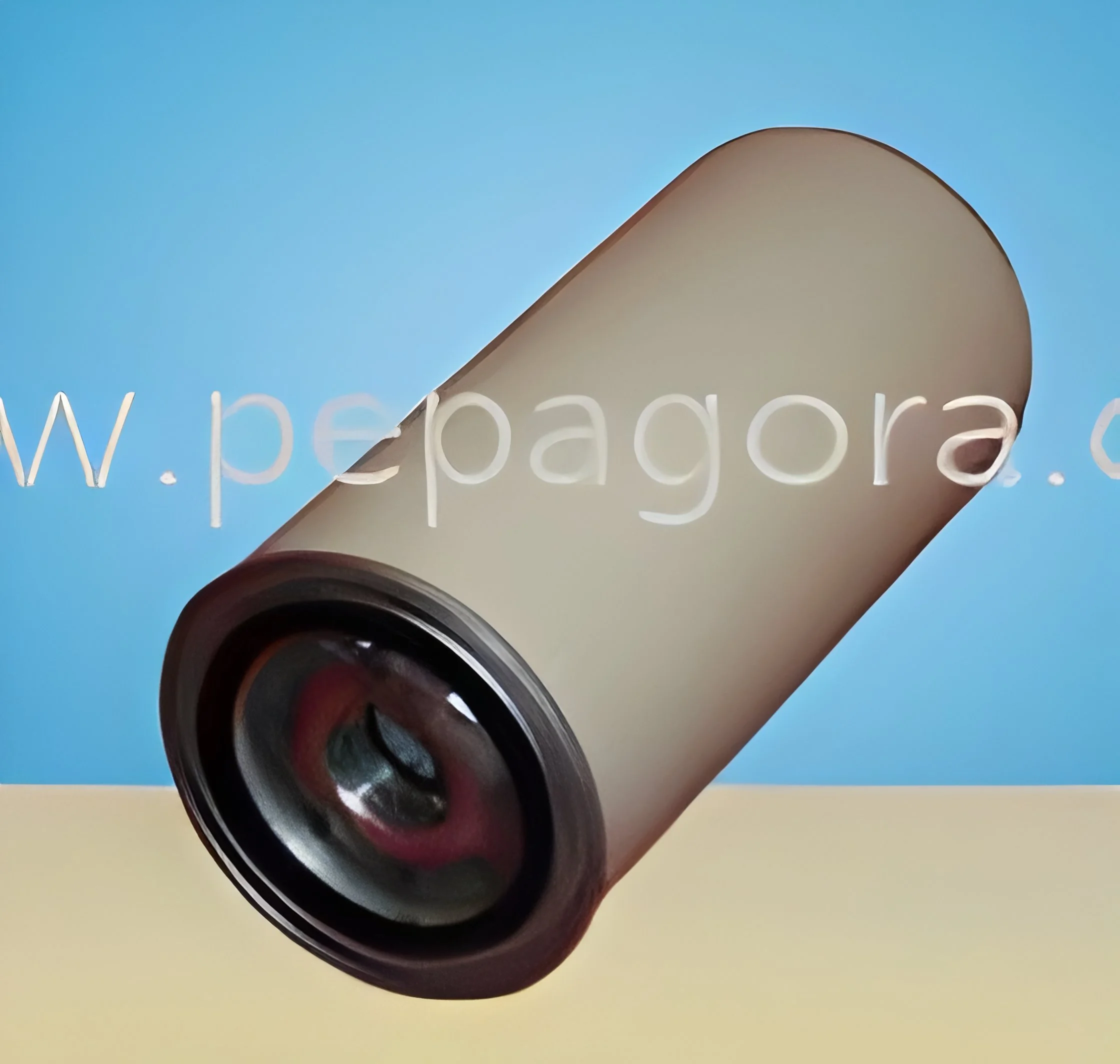
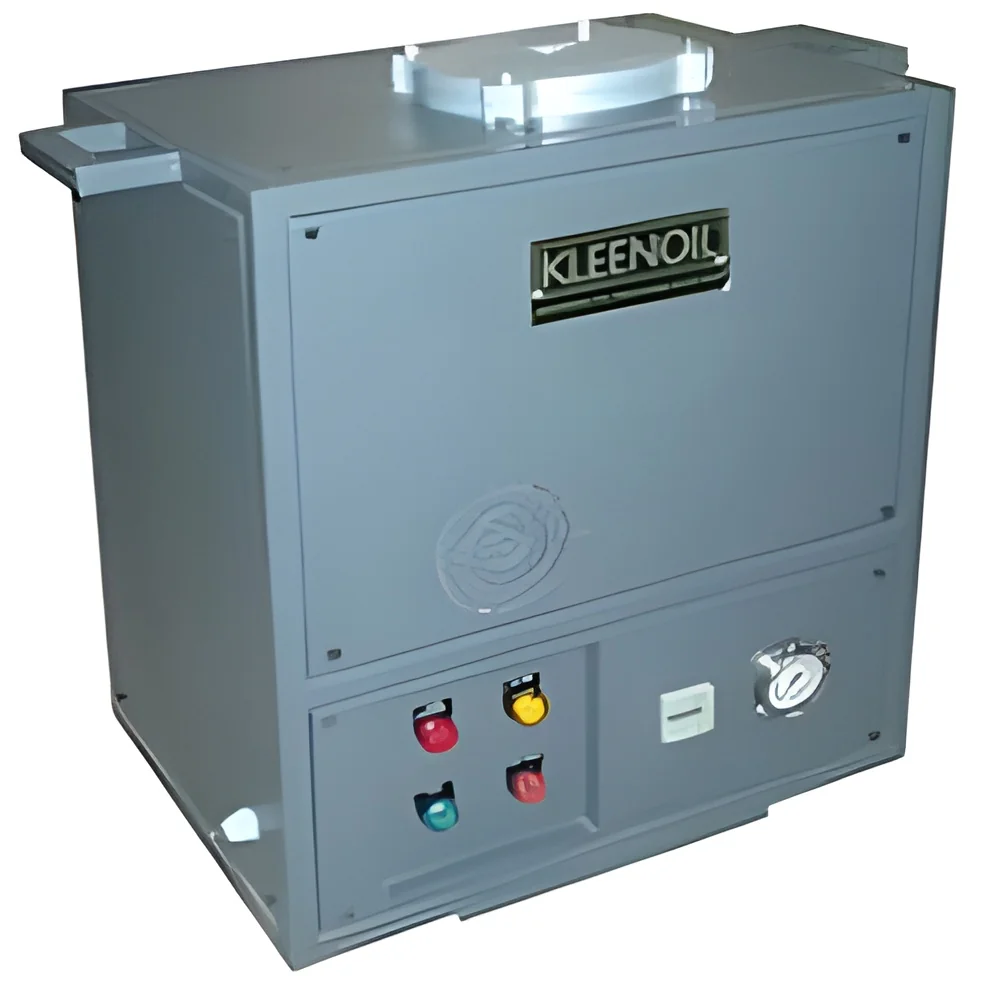
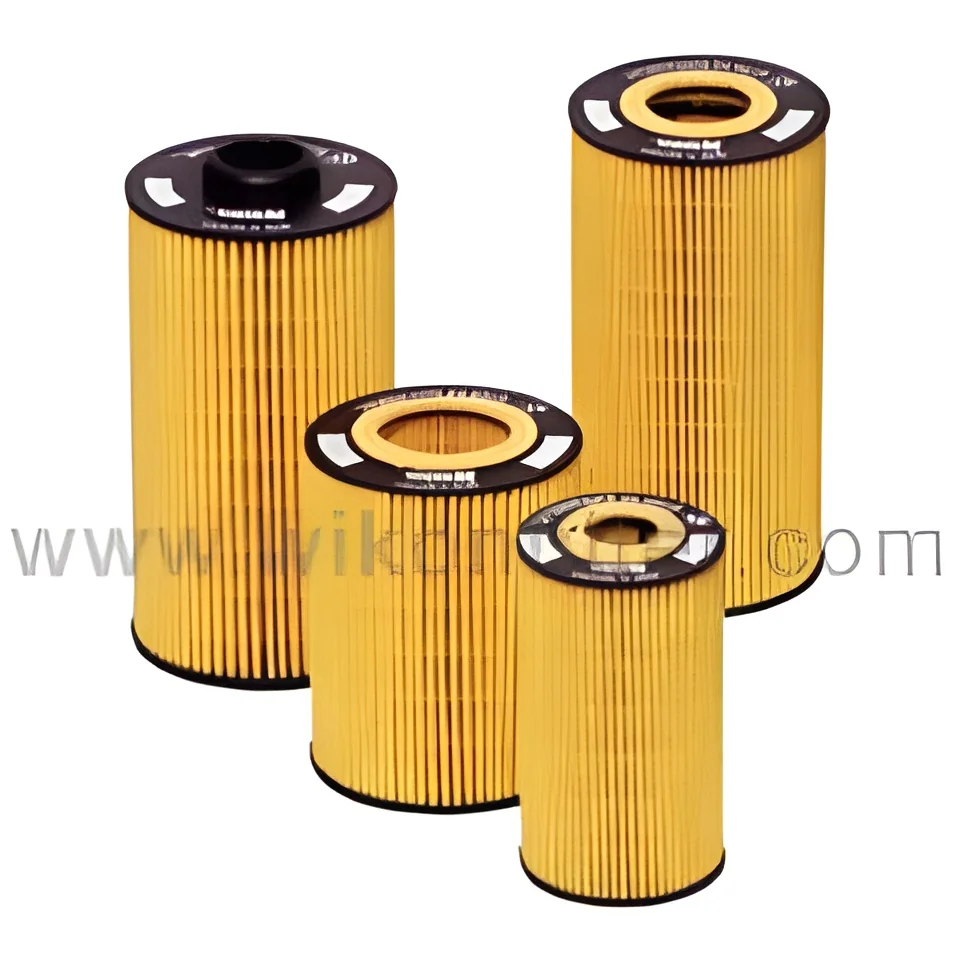
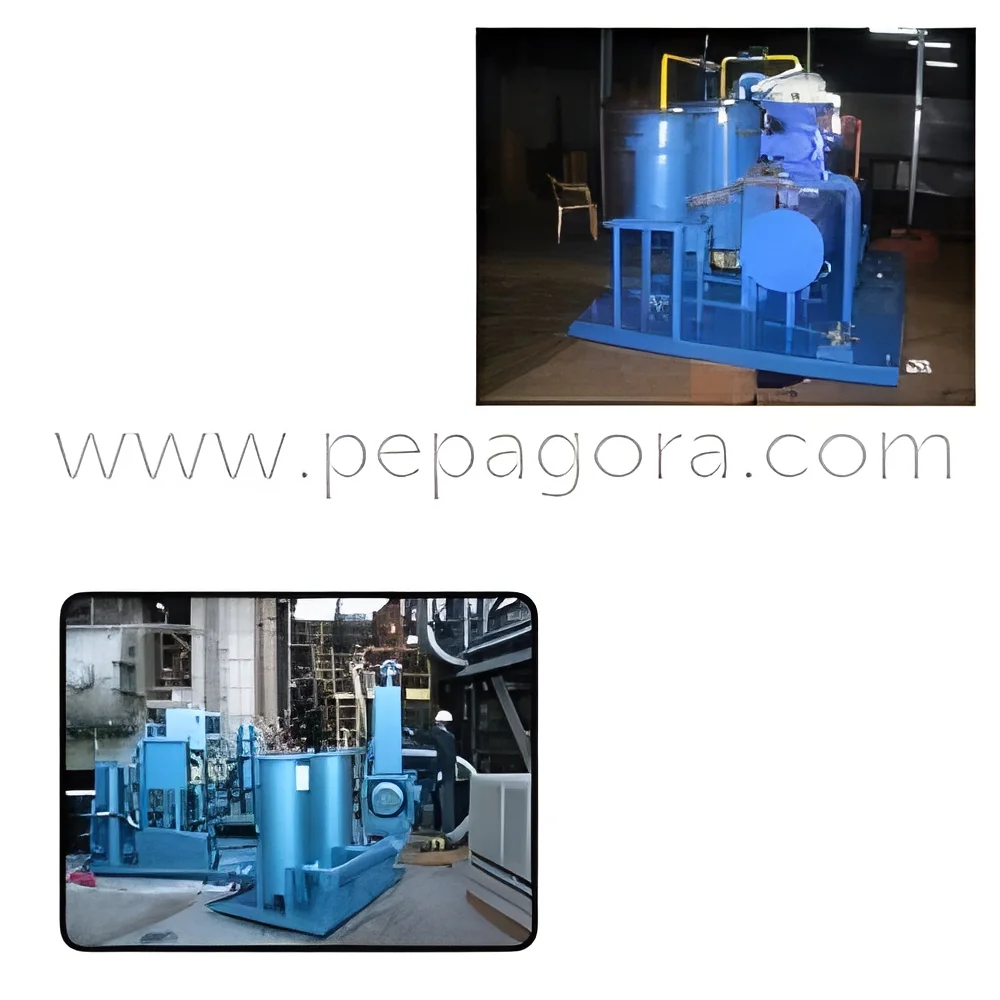
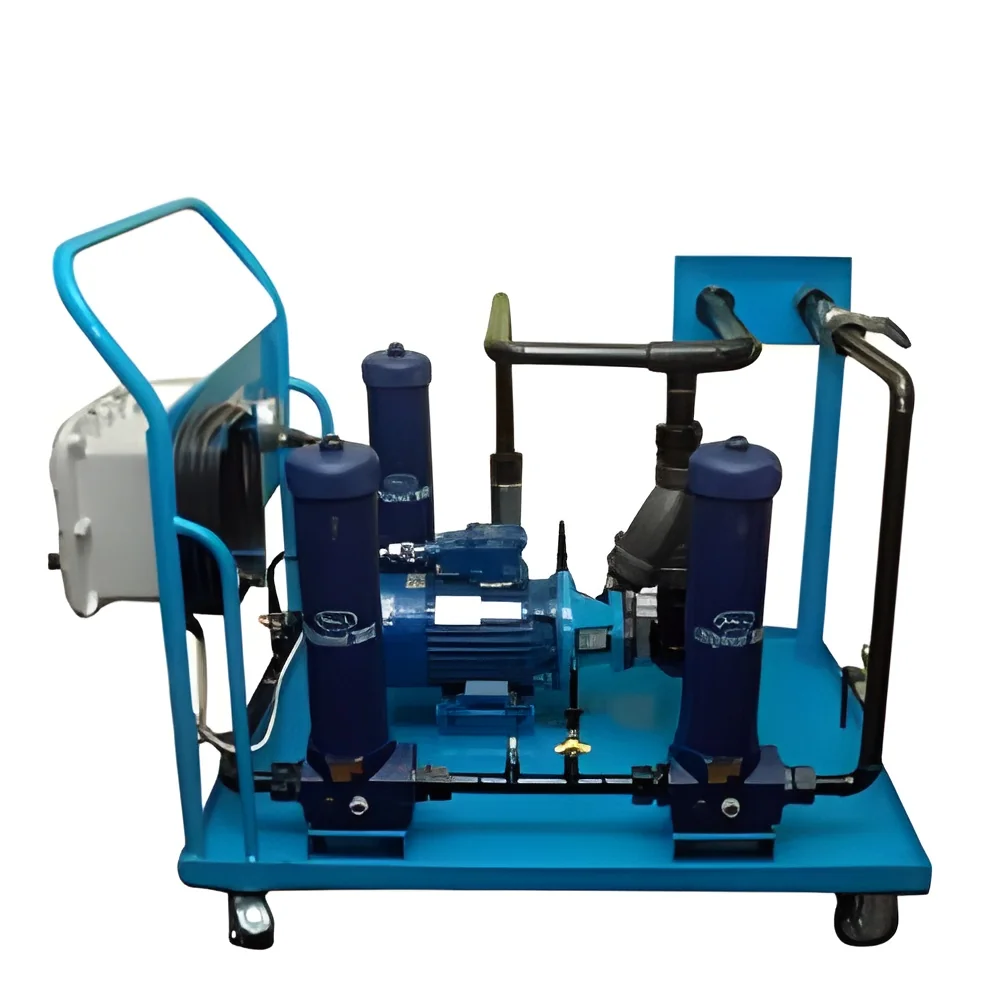
What are Industrial Oil Filtration Units?
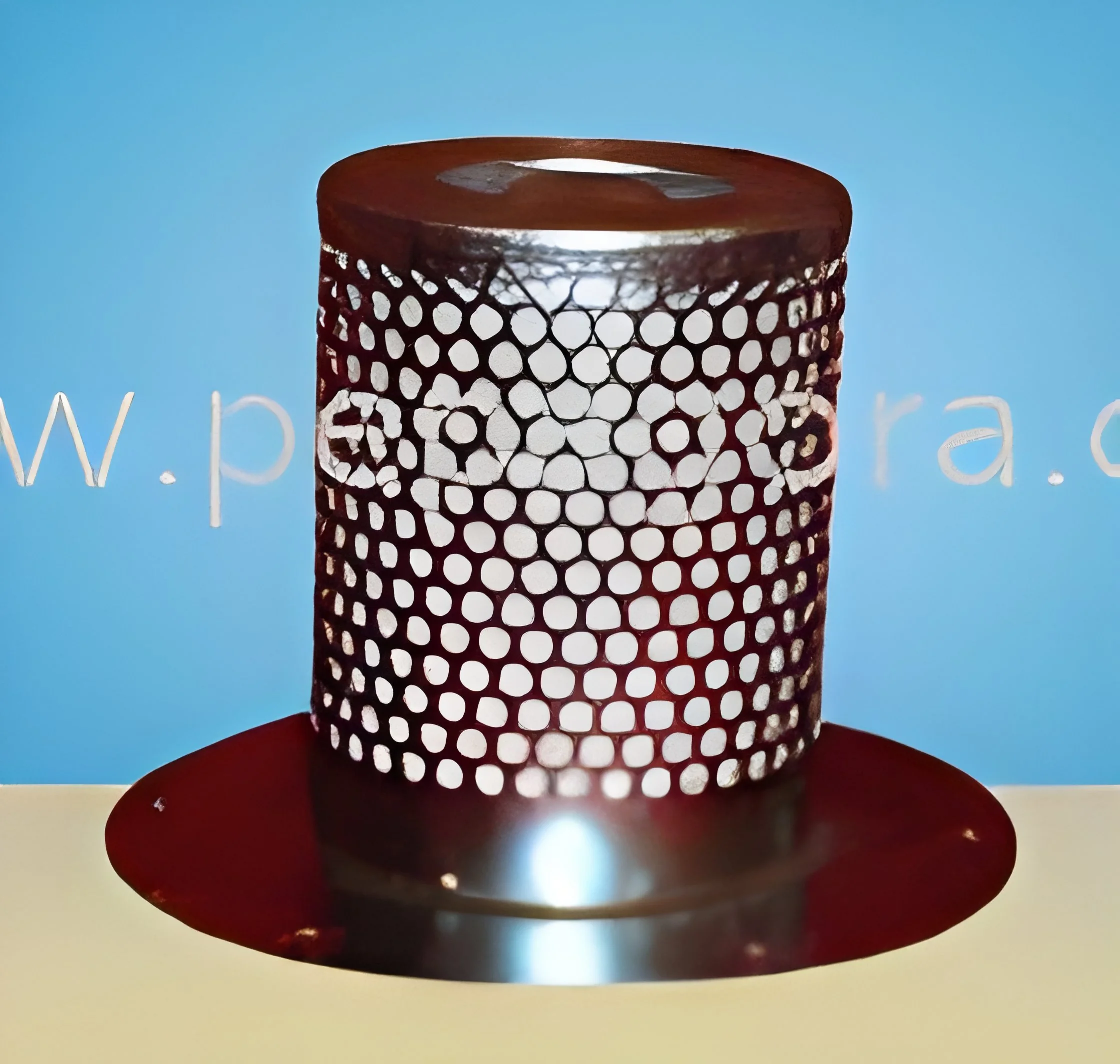
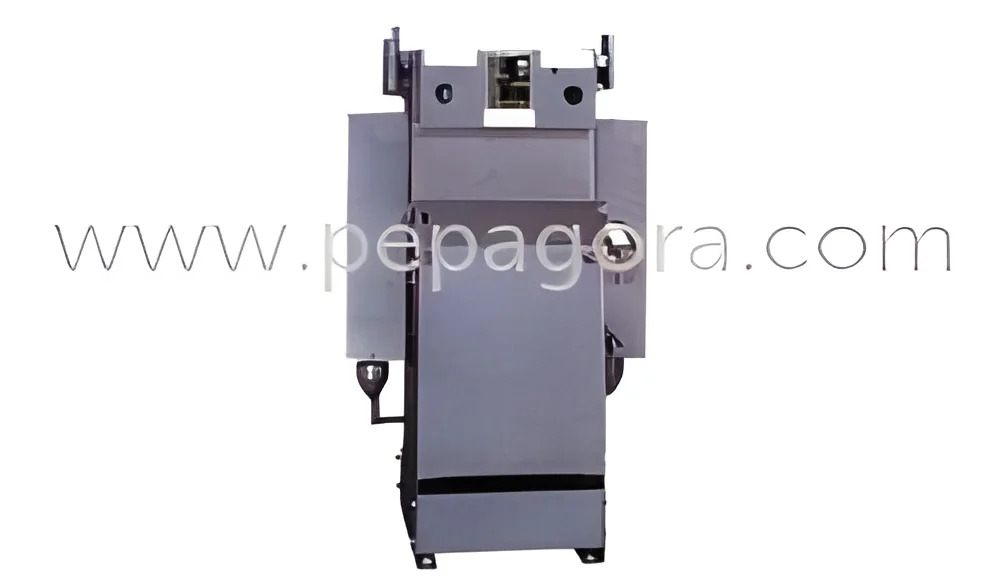
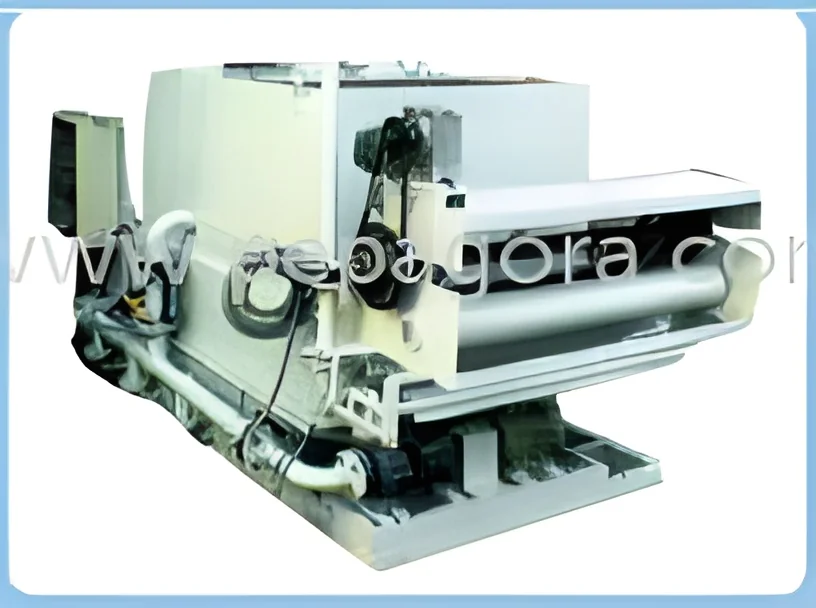
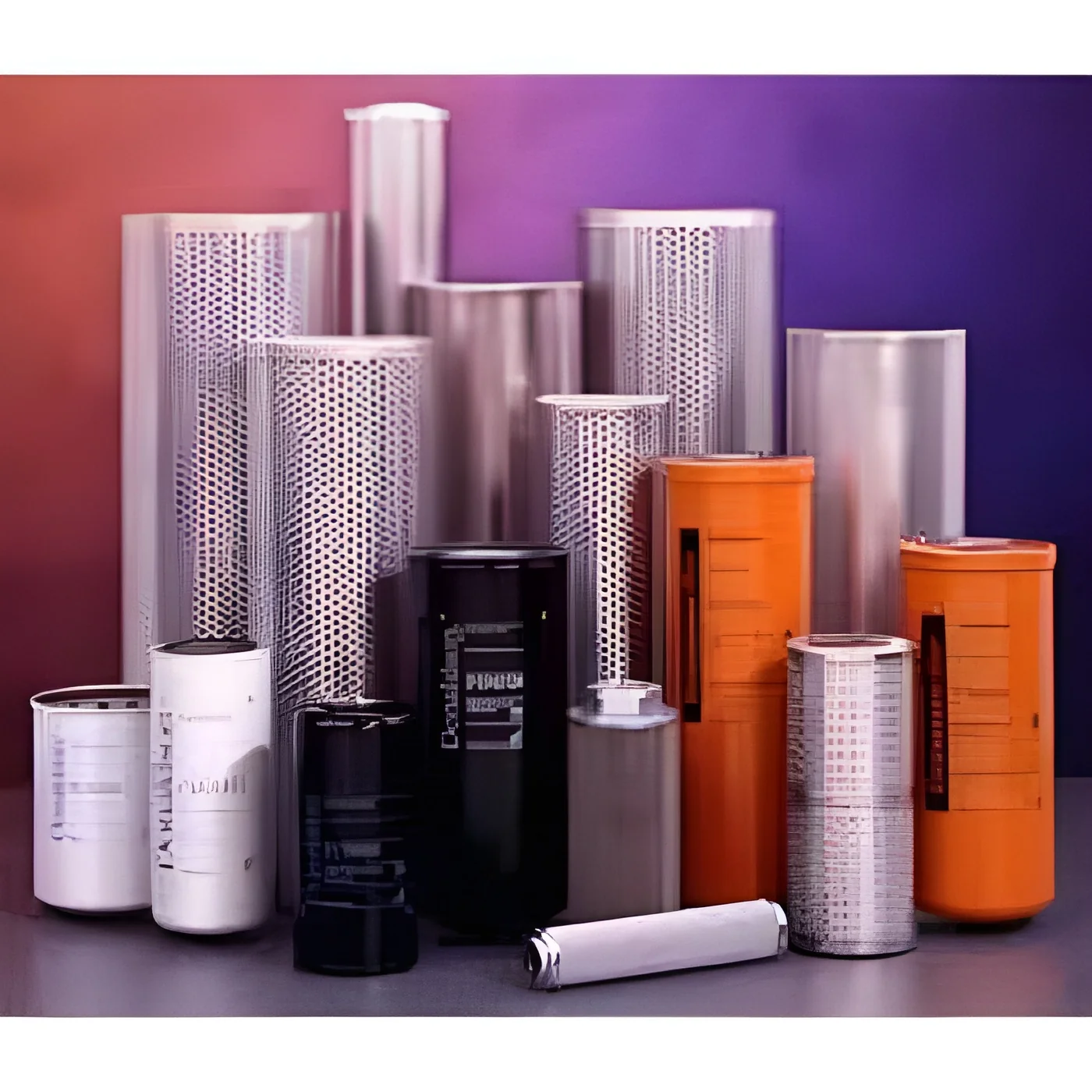
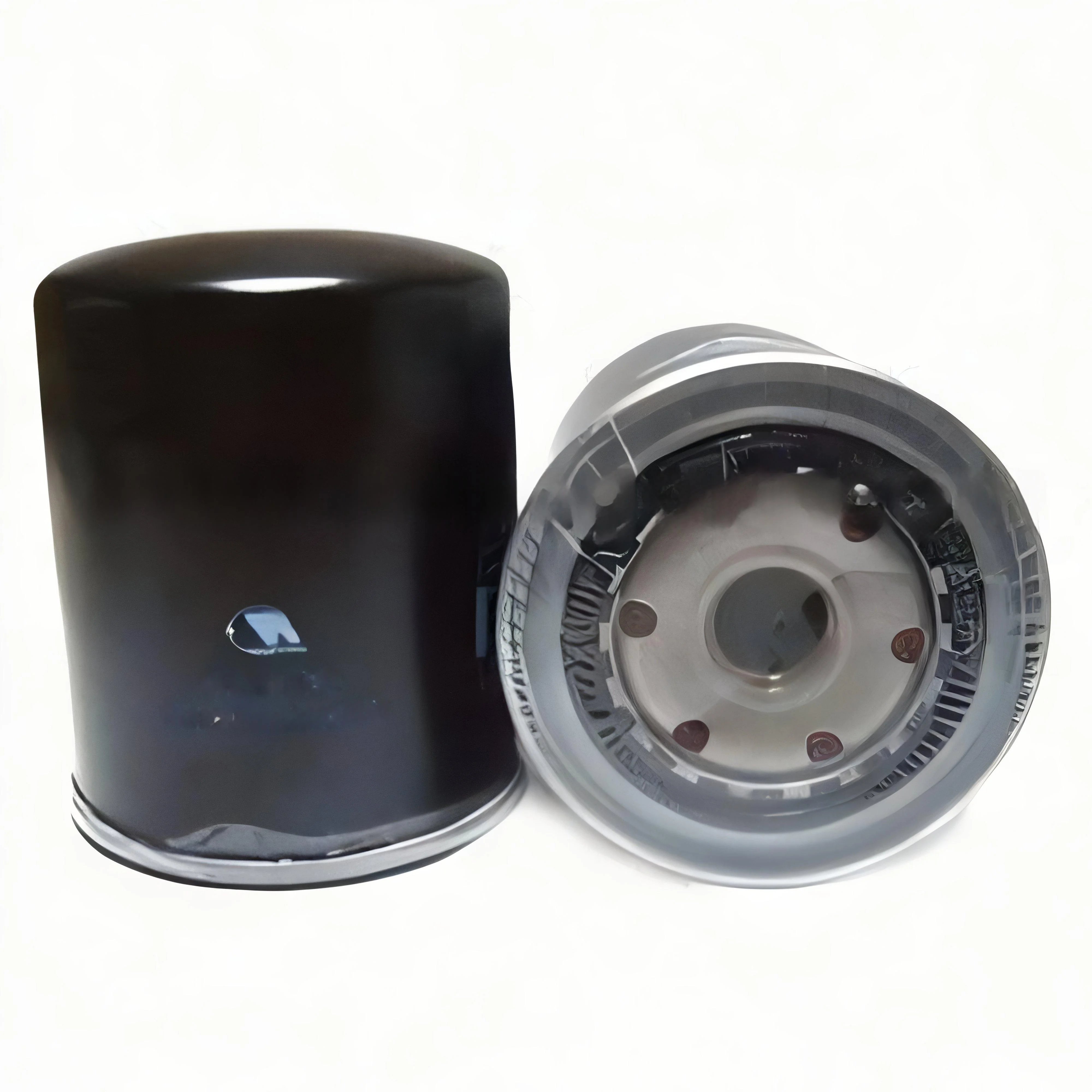
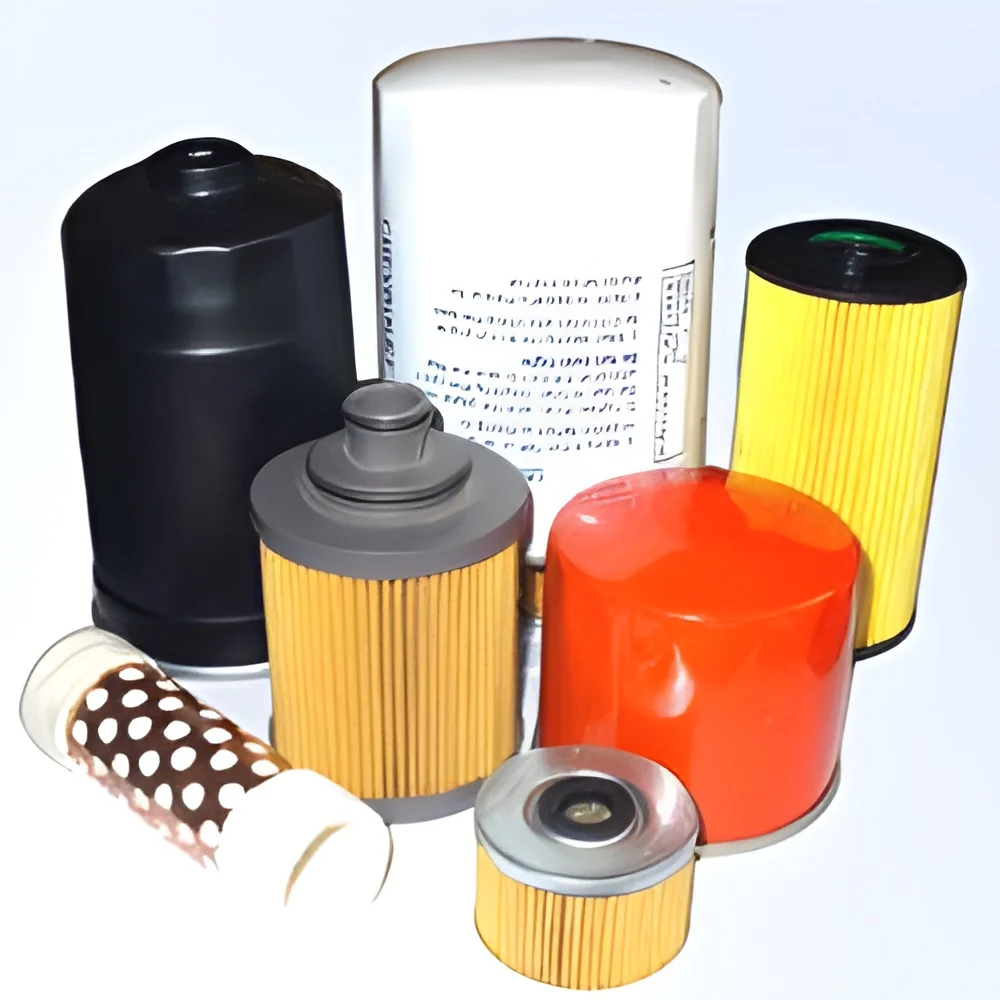
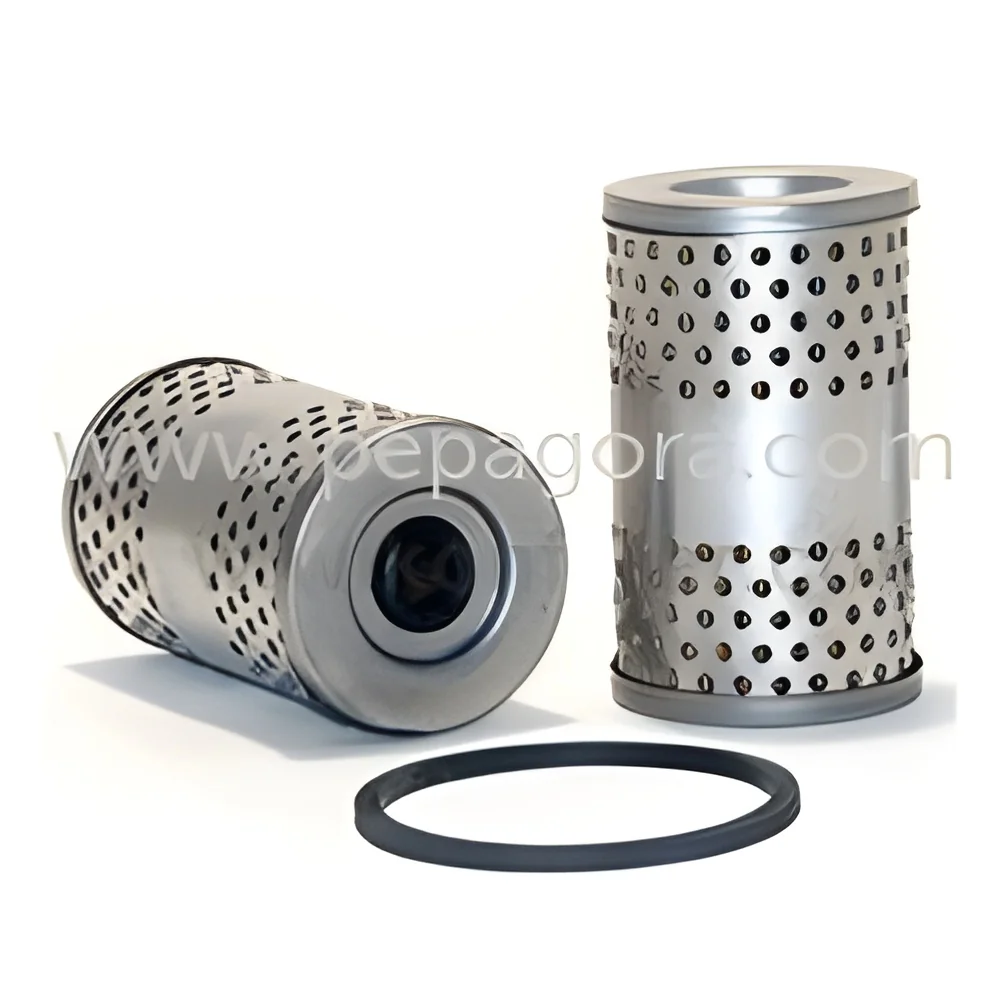
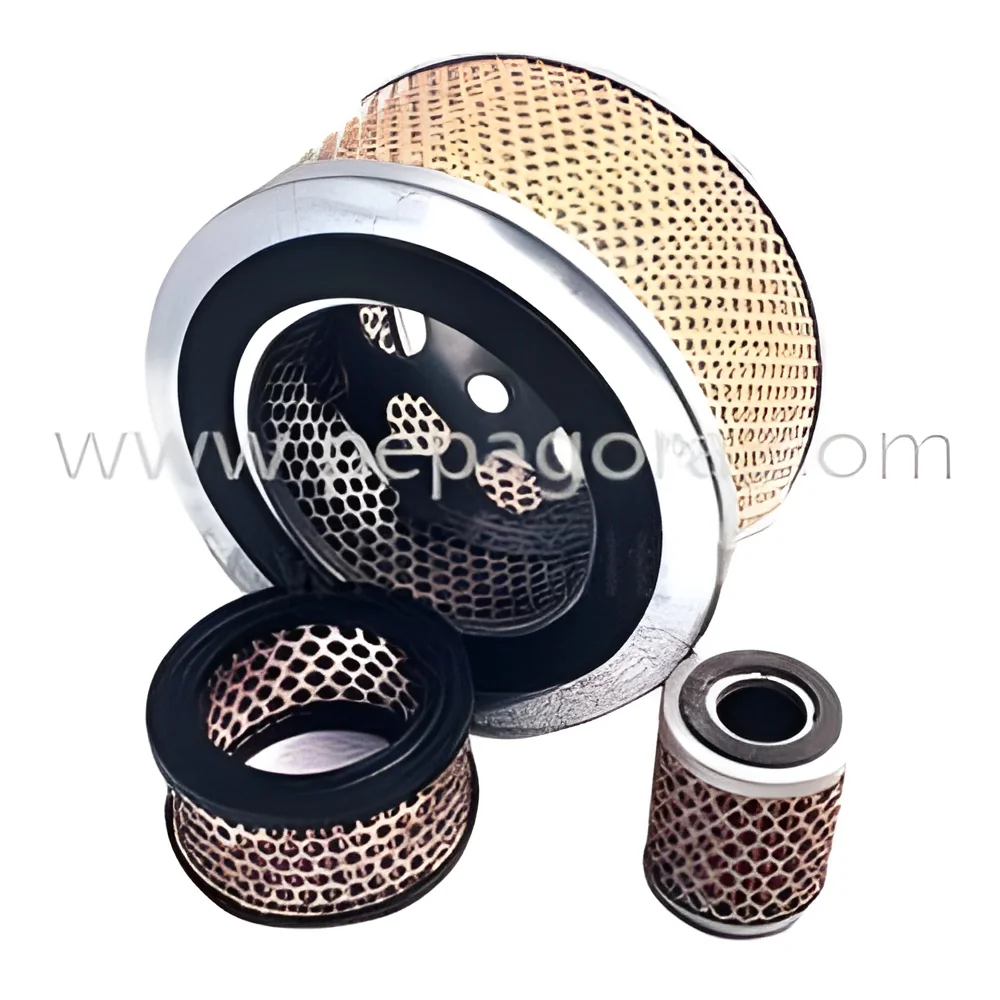
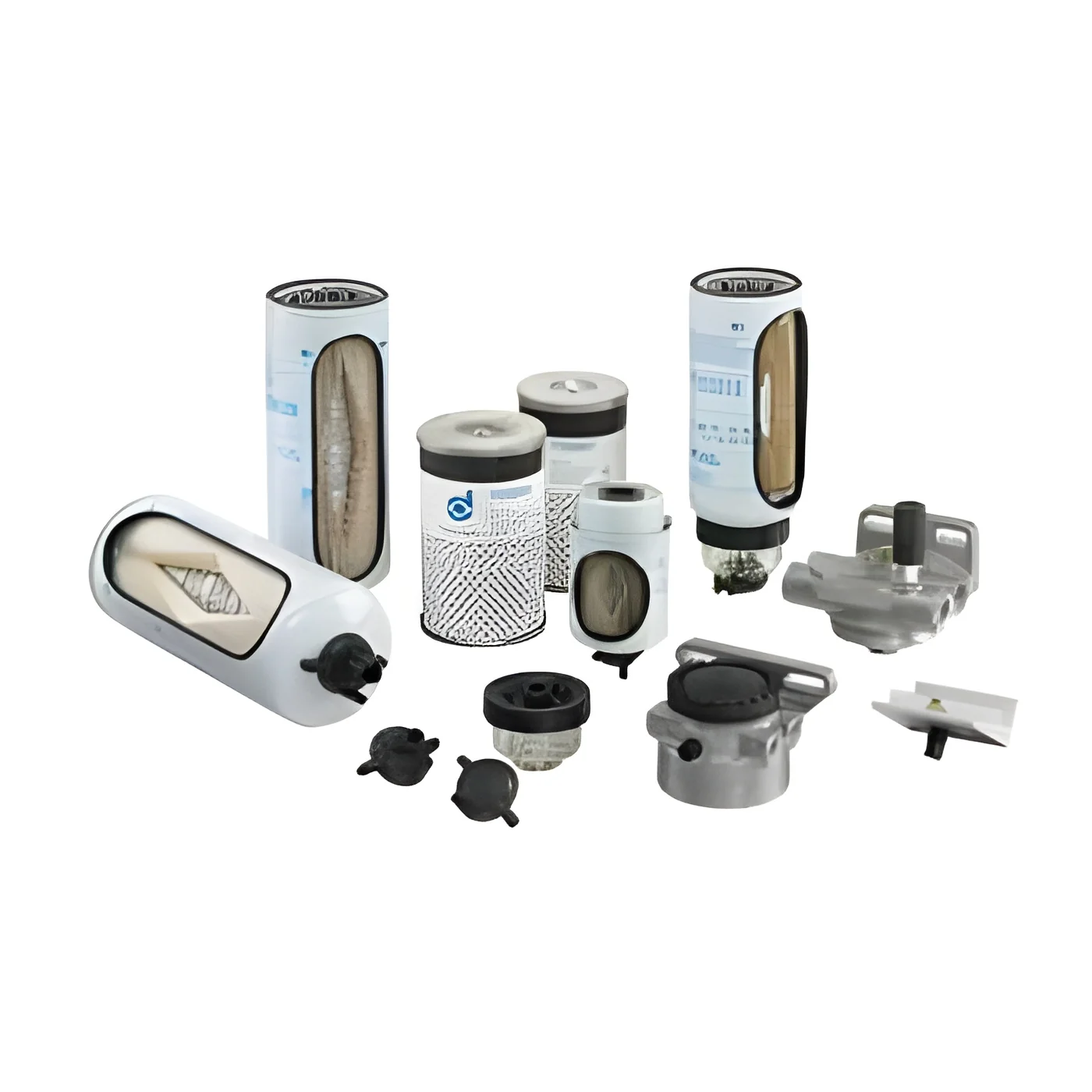
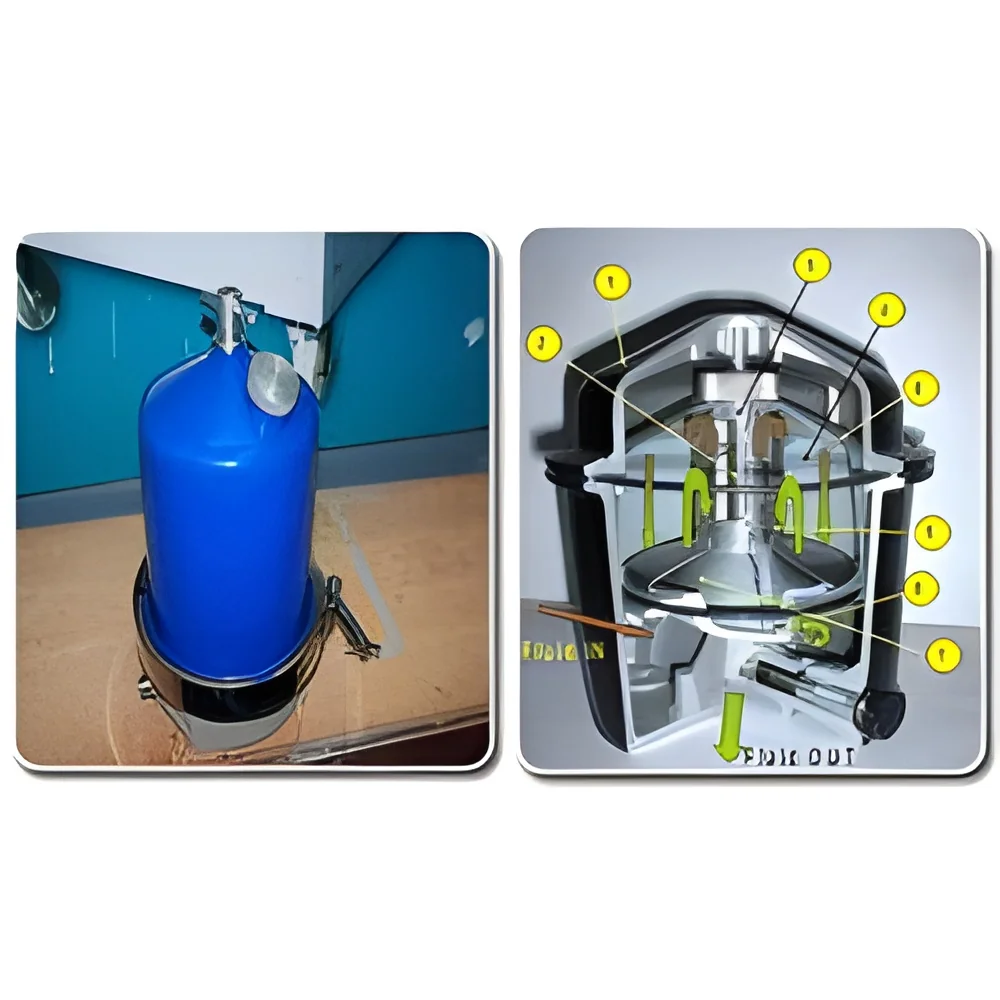
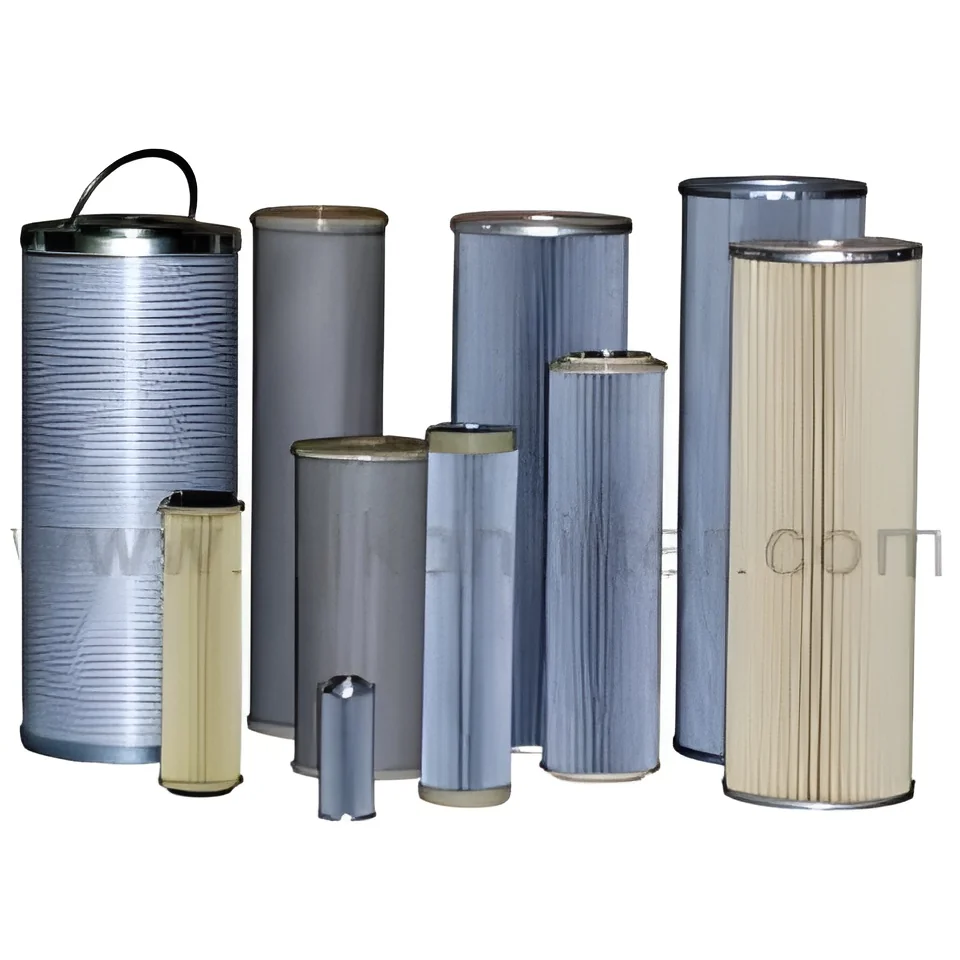
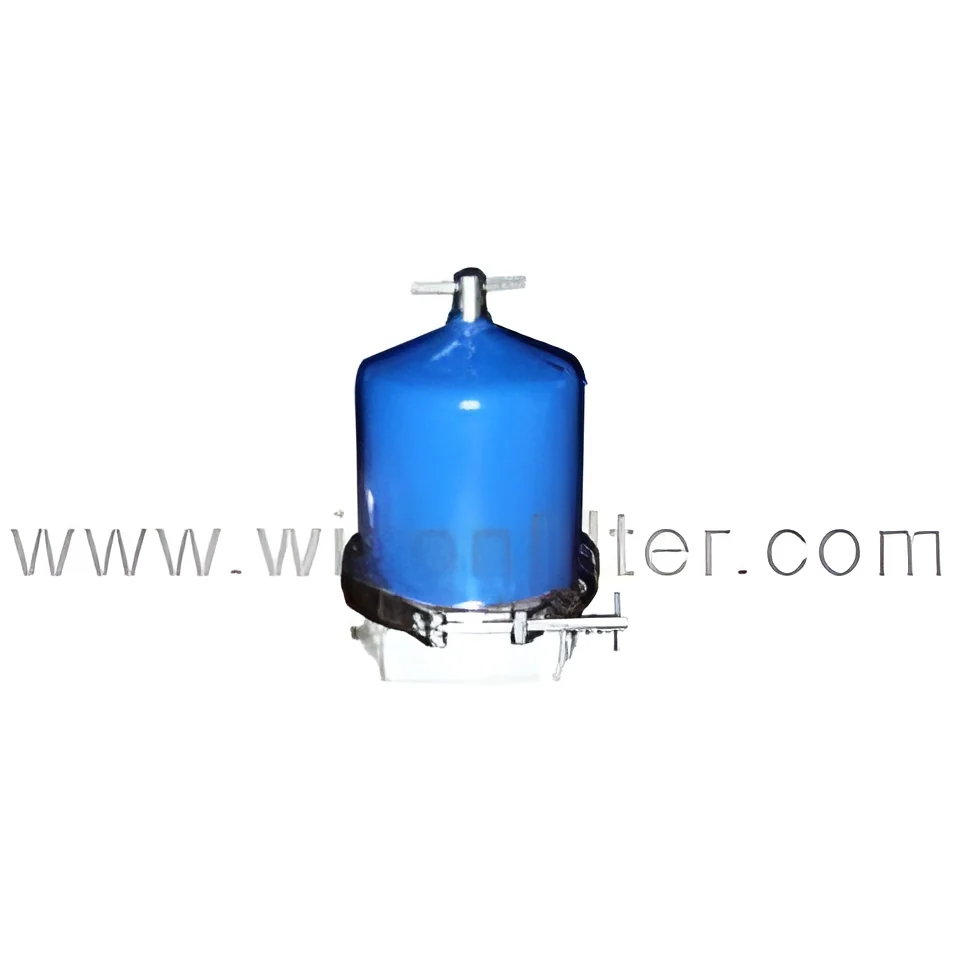
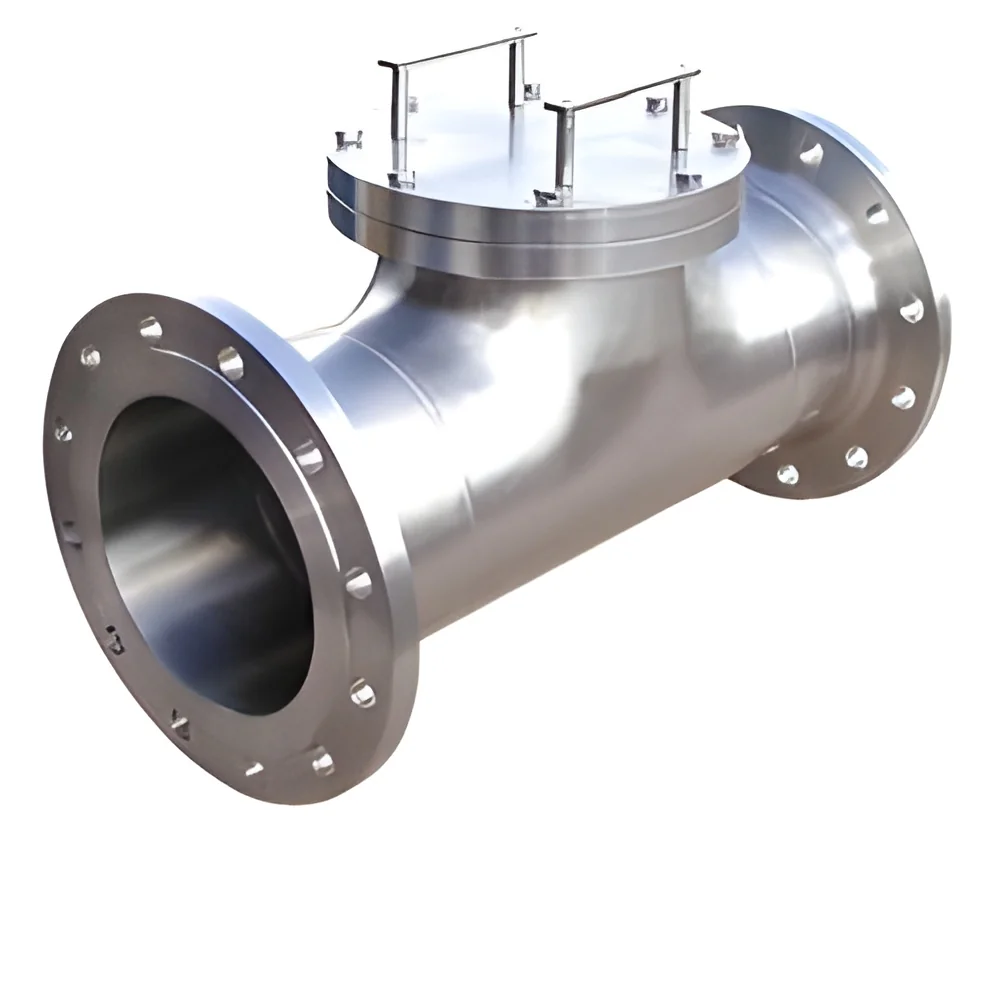
Industrial oil filtration units are specialized devices designed to remove contaminants from industrial lubricants and oils. These units play a crucial role in maintaining the quality and performance of lubricants used in various machinery and equipment. By filtering out impurities such as dirt, moisture, and metal particles, these systems help extend the life of oils and reduce wear on machinery components.
These filtration units are used across multiple sectors, including manufacturing, automotive, and power generation. They are essential for ensuring optimal machine performance and reducing unexpected downtime caused by oil contamination. This improves operational efficiency and can lead to significant cost savings for businesses by minimizing the frequency of oil changes and repairs.
As industries increasingly focus on sustainability and operational efficiency, the demand for industrial oil filtration units is on the rise. Companies are recognizing the importance of maintaining high oil quality to enhance equipment reliability and reduce environmental impact. The market for these filtration units is becoming more competitive, with advancements in technology leading to more efficient and effective filtration solutions.
Key Features and Specifications
Industrial oil filtration units come equipped with various features that enhance oil purification processes. These units vary in design, size, and specifications, catering to different industrial needs.
Key specifications include:
1. Filtration Efficiency
- Typically ranges from 1 to 5 microns
- High-performance filters capable of removing fine particles
2. Flow Rate
- Commonly offered in rates from 10 to 200 liters per minute
- Adjustable flow rates to meet specific application needs
3. Operating Pressure
- Standard operating pressure between 3 to 10 bar
- Allows for efficient oil circulation and filtration
4. Tank Capacity
- Tank sizes ranging from 50 to 500 liters
- Sufficient capacity for continuous operation in industrial settings
5. Power Requirements
- Generally requires between 0.5 to 5 kW
- Energy-efficient options available
6. Material of Construction
- Often made of stainless steel or carbon steel
- Durable construction to withstand harsh operating conditions
7. Maintenance Indicators
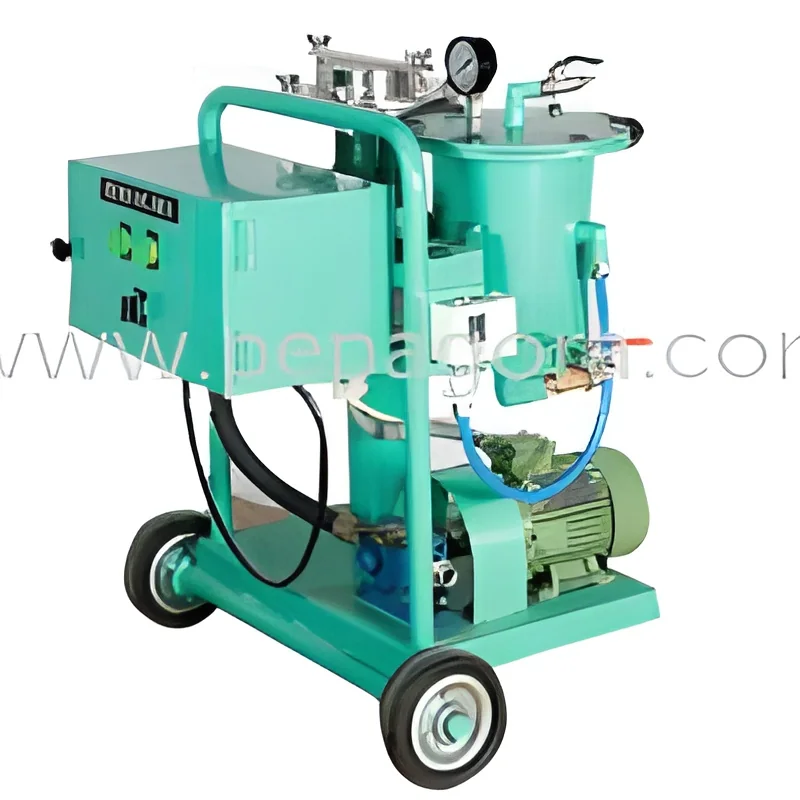
- Equipped with pressure gauges and filter change alerts
- Simplifies maintenance and ensures optimal performance
8. Certifications
- Typically compliant with CE standards
- Ensures safety and reliability in industrial applications
In summary, these specifications highlight the versatility and functionality of industrial oil filtration units, making them essential for maintaining oil quality in various industries.
Common Applications and Use Cases
Industrial oil filtration units serve a wide range of industries, showcasing their versatility and importance in maintaining oil quality.
1. Manufacturing: In manufacturing facilities, these units are used to filter oils and lubricants in CNC machines and hydraulic systems, ensuring smooth operation and reducing wear on components.
2. Automotive: Automotive workshops utilize oil filtration units to maintain the quality of engine oils during servicing, thus enhancing engine performance and extending service intervals.
3. Power Generation: In power plants, these units filter lubricants used in turbines and generators, ensuring efficient operation and minimizing the risk of equipment failure.
4. Marine: The maritime industry employs these filtration systems to maintain lubricant quality in engines and machinery on vessels, which is crucial for operational safety.
5. Food Processing: In food manufacturing, oil filtration units help maintain the quality of lubricants used in processing equipment, ensuring compliance with health and safety regulations.
6. Aerospace: Aerospace applications require high-precision oil filtration to ensure the reliability of critical systems in aircraft, where oil cleanliness is paramount.
7. Mining: In mining operations, these units are vital for filtering oils used in heavy machinery, reducing downtime and maintenance costs.
Product Variants and Subcategories
Industrial oil filtration units come in a variety of designs and configurations to meet diverse industrial needs.
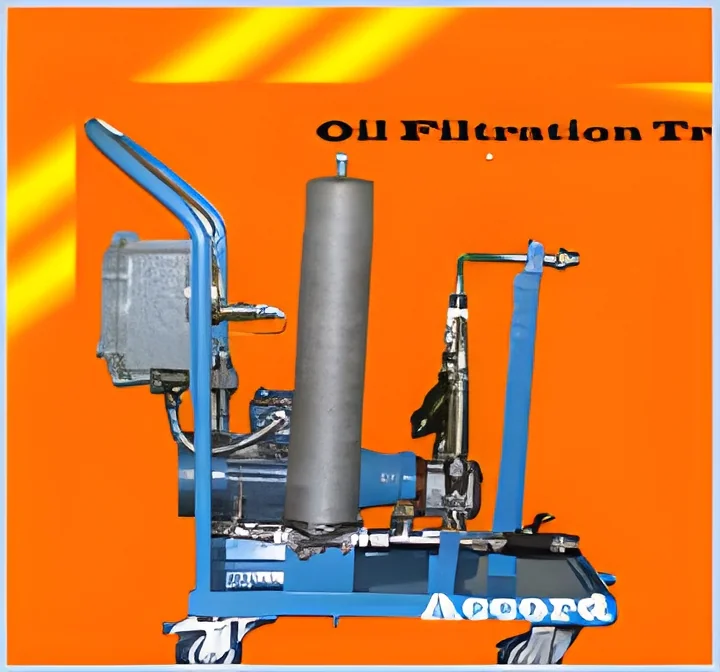
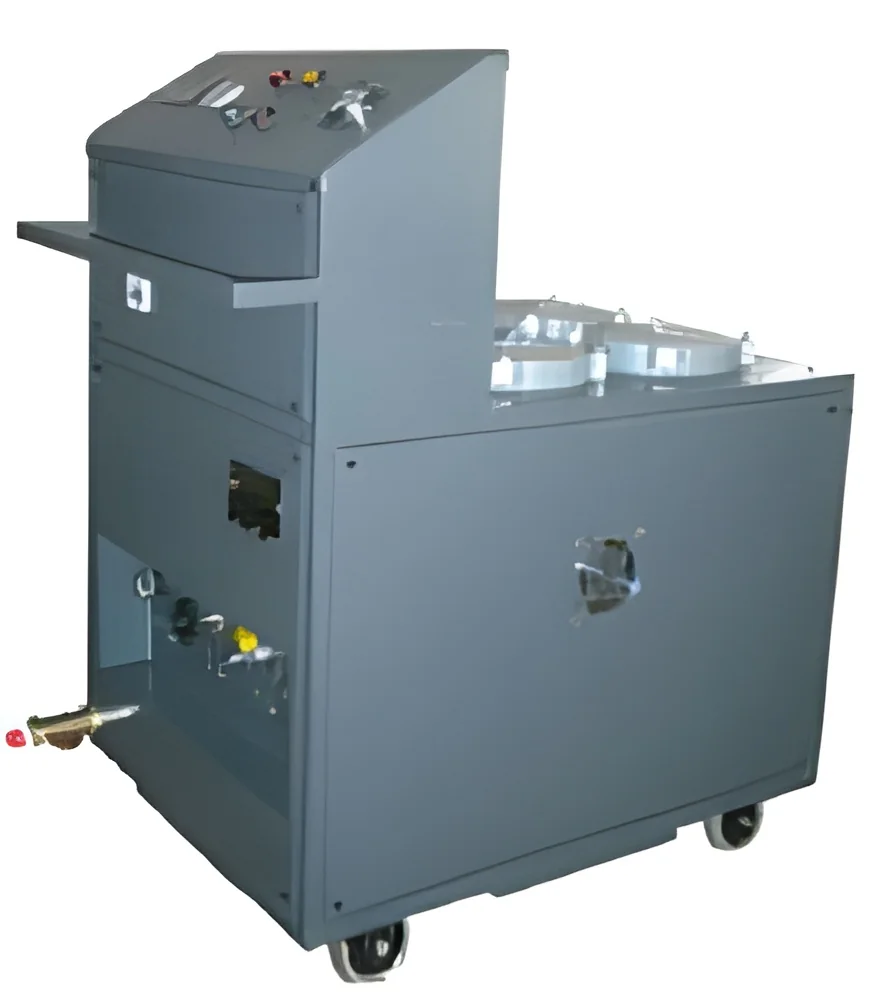
Portable Oil Filtration Units
These units are designed for mobility, allowing easy transport between different machines. They are ideal for smaller operations or facilities that require flexibility in oil maintenance.
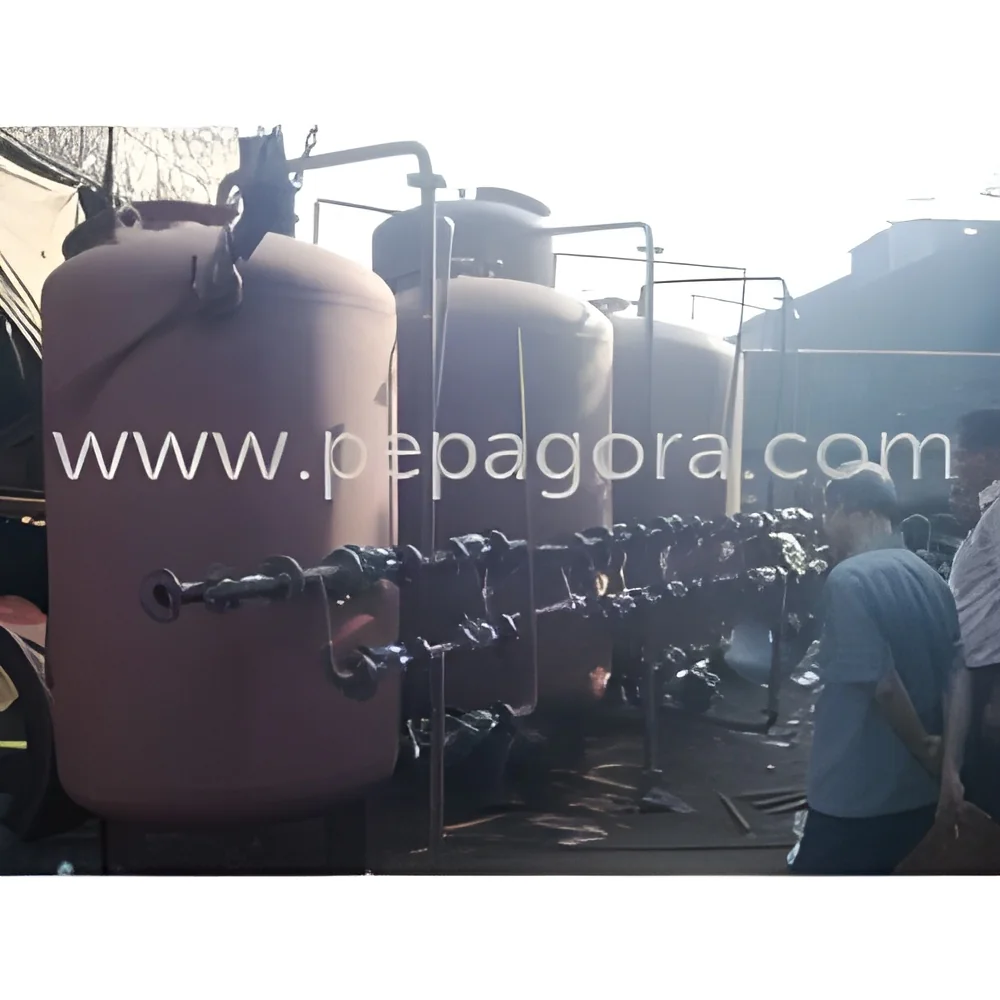
Stationary Oil Filtration Units
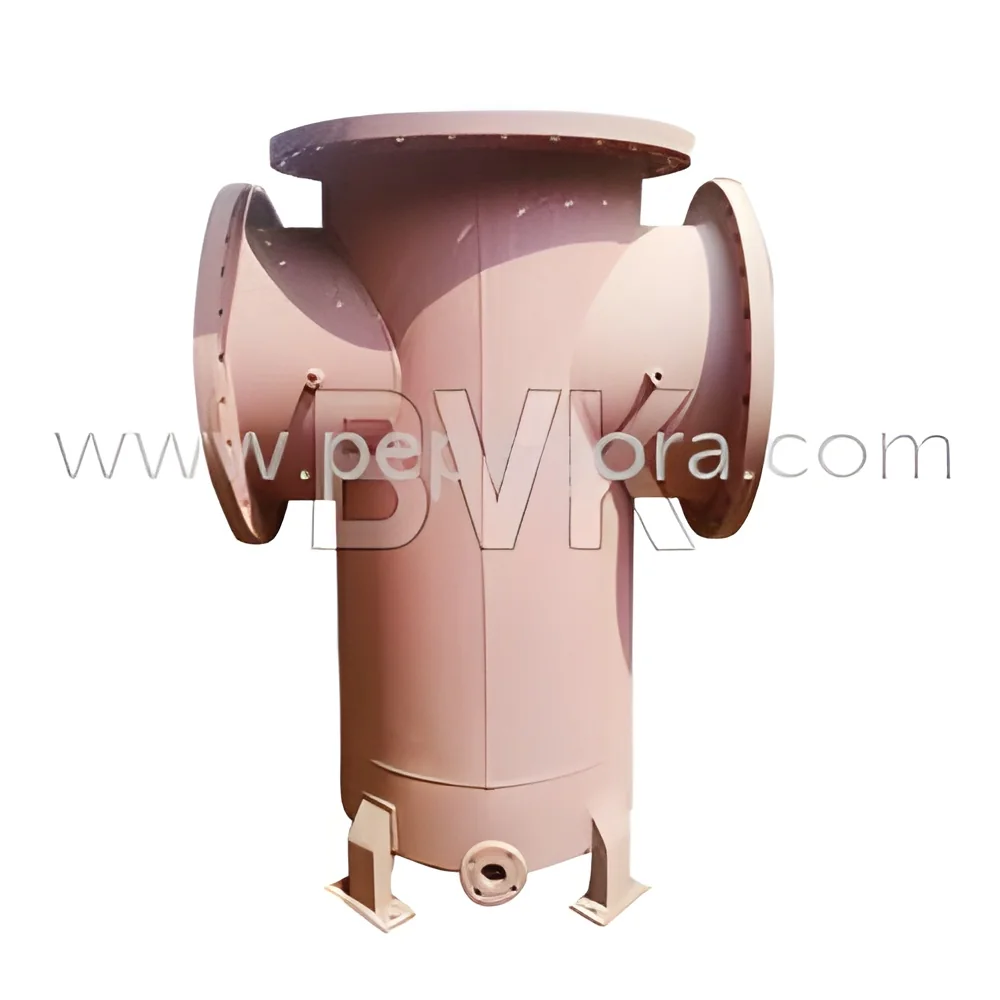
Stationary models are designed for permanent installation in a facility. They typically offer higher flow rates and larger tank capacities, making them suitable for high-volume operations.
Skid-Mounted Filtration Systems
These systems are built on a skid for easy setup and transport. They are often used in remote locations or job sites where space and mobility are considerations.
Custom Oil Filtration Solutions
Some manufacturers offer tailored filtration solutions that can be designed to meet specific operational needs, ensuring optimal performance in unique environments.
Benefits and Advantages
Industrial oil filtration units provide significant benefits that enhance operational efficiency and equipment longevity.
1. Improved Oil Quality: By removing contaminants, these units help maintain the integrity of lubricants, leading to improved machinery performance.
2. Reduced Downtime: Clean oil minimizes the risk of equipment failure, ensuring continuous operation and reducing costly downtime.
3. Cost Efficiency: Extending oil life through filtration reduces the frequency of oil changes, leading to lower operational costs.
4. Environmental Compliance: Effective filtration helps minimize waste and ensures compliance with environmental regulations.
5. Enhanced Equipment Lifespan: Clean lubricants reduce wear on machinery, contributing to longer service life and reliability.
6. Easy Maintenance: Many filtration units come with maintenance indicators, simplifying the upkeep process and ensuring optimal performance.
Buying Guide for B2B Buyers
When sourcing industrial oil filtration units, it is essential to consider several factors to ensure a successful purchase.
1. Quality Assessment: Look for units that meet industry standards and have proven reliability. Consider the filtration efficiency and the material of construction to ensure durability.
2. Supplier Verification: Vet suppliers carefully, checking their reputation, experience, and customer reviews. A reliable supplier will offer support and service post-purchase.
3. Pricing and MOQ: Understand the pricing structure and minimum order quantities. Compare costs among different suppliers to find the best value for your investment.
4. Delivery and Lead Times: Inquire about delivery timelines and logistics to ensure timely availability of the units. This is especially important for urgent operational needs.
5. Compliance Requirements: Ensure that the units comply with relevant industry regulations and safety standards. This is crucial for maintaining operational integrity and avoiding legal issues.
Compliance and Certifications
Compliance with quality standards is crucial for the performance and reliability of industrial oil filtration units. Many units adhere to ISO 9001 standards, which focus on quality management systems. This ensures that manufacturers maintain consistent quality in their products and processes.
Additionally, industry certifications such as CE are important, indicating that the products meet European safety and health requirements. This certification is vital for buyers looking to ensure the safety and reliability of their filtration solutions.
Safety and testing requirements must also be considered during the selection process. Units should undergo rigorous testing to verify their performance and safety under various working conditions.
Regional compliance considerations may vary, so it is essential for buyers to be aware of local regulations that apply to oil filtration units in their respective markets.
Why Source Industrial Oil Filtration Units from Pepagora?
Pepagora provides a trusted platform for sourcing industrial oil filtration units, offering several key advantages to buyers.
Verified Supplier Network: Pepagora connects buyers with a network of verified suppliers, ensuring that all manufacturers meet high standards of quality and reliability. This verification process helps buyers make informed purchasing decisions.
Streamlined RFQ Process: The platform offers an efficient Request for Quotation (RFQ) system that simplifies the sourcing process. Buyers can easily request quotes from multiple suppliers, helping them compare options and secure the best deals.
Trade Assurance and Support: Pepagora prioritizes buyer protection, offering trade assurance that minimizes risks associated with online purchasing. Their customer support team is available to assist with any queries or issues during the transaction process.
Regional Coverage: With a strong presence in India, the GCC, and Southeast Asia, Pepagora offers extensive geographic reach. This makes it easier for businesses in these regions to find and source the industrial oil filtration units that meet their specific needs.

 IN
IN