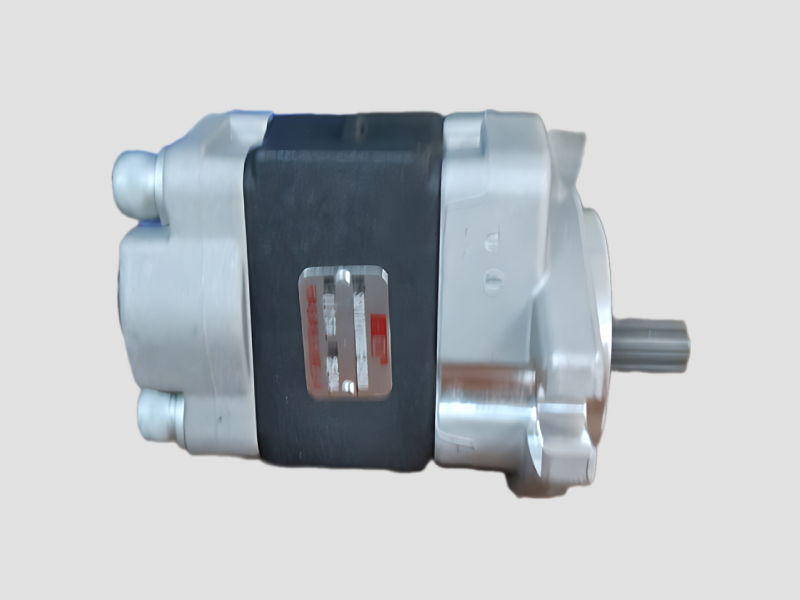
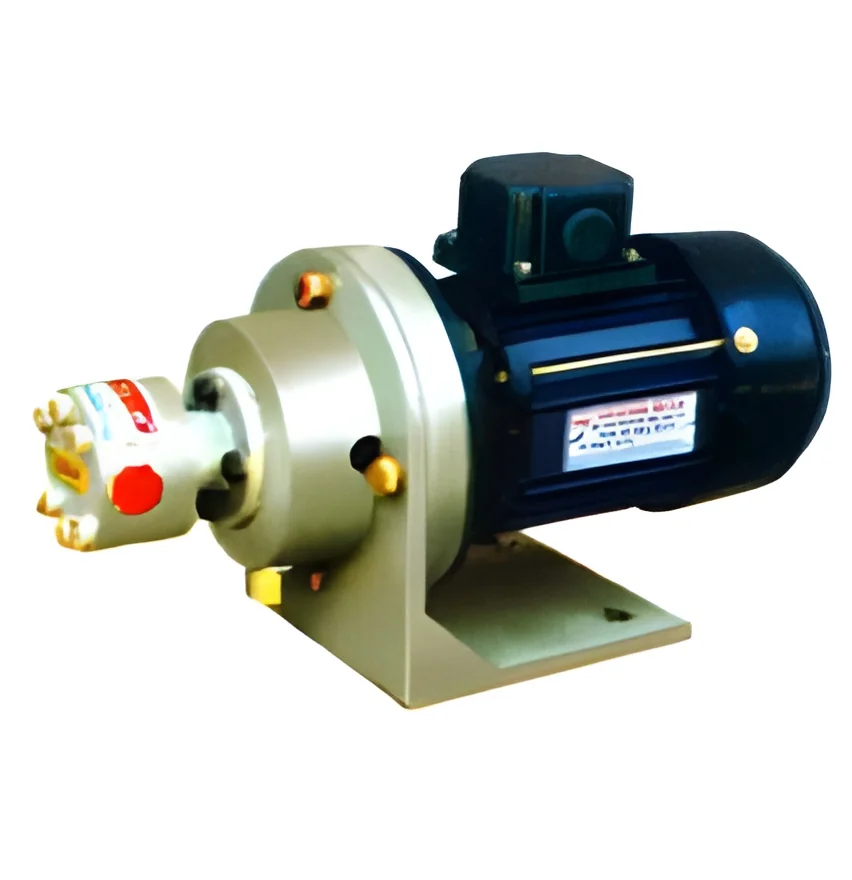
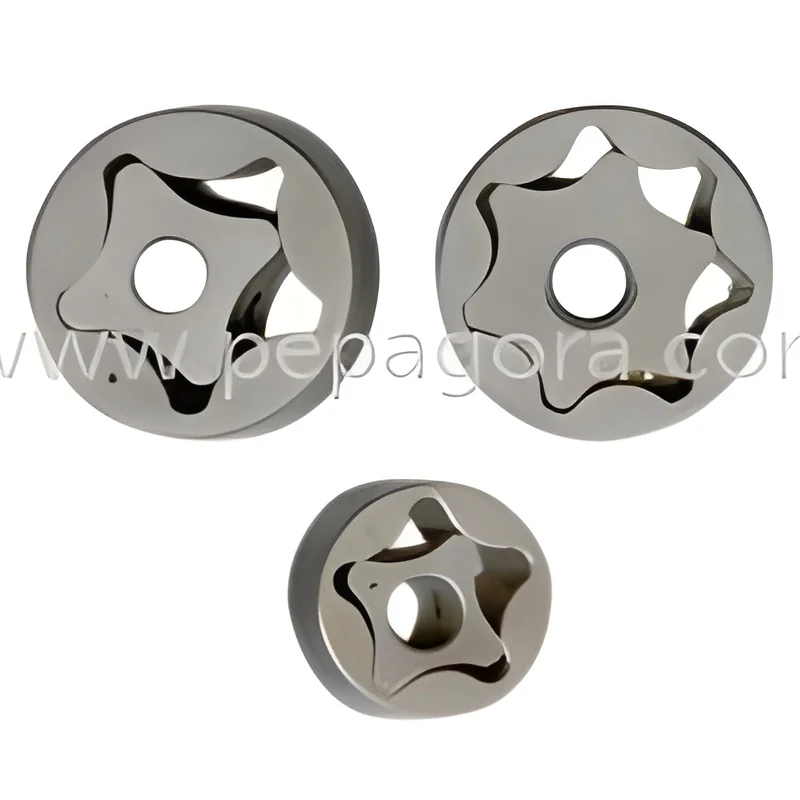
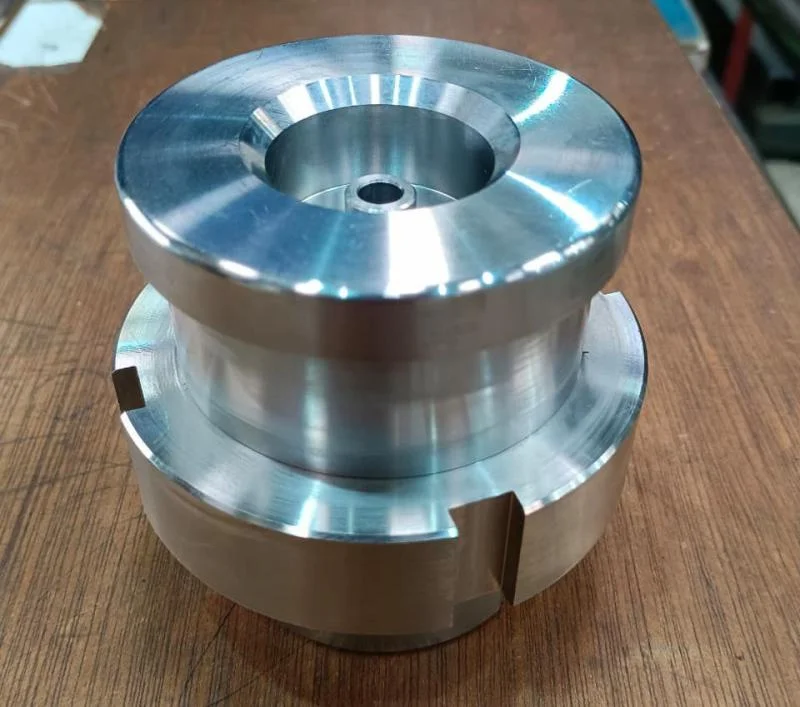
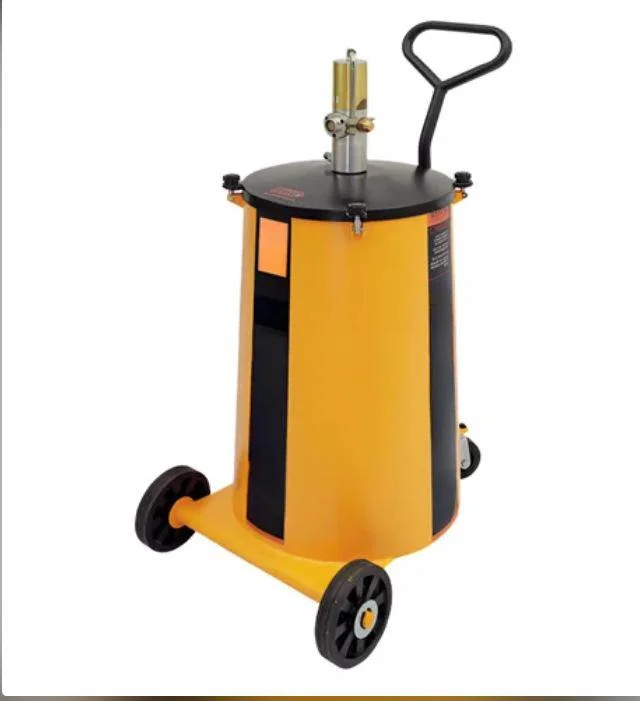
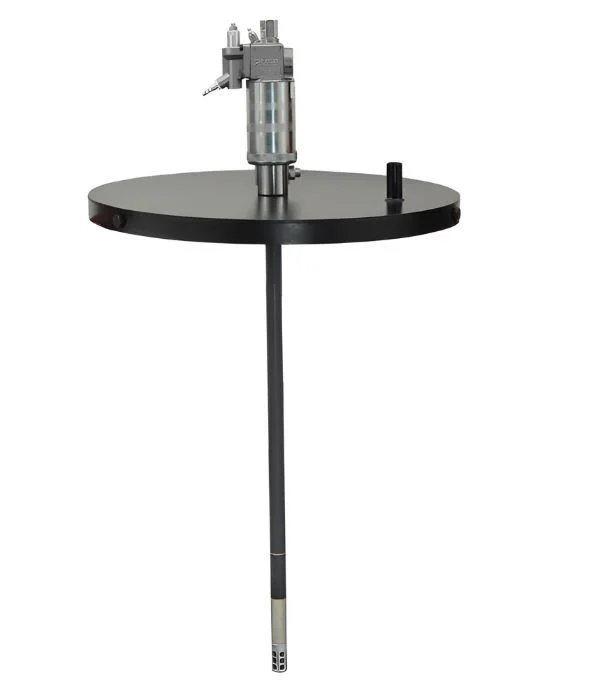
What are Oil Pumps & Dispensers?
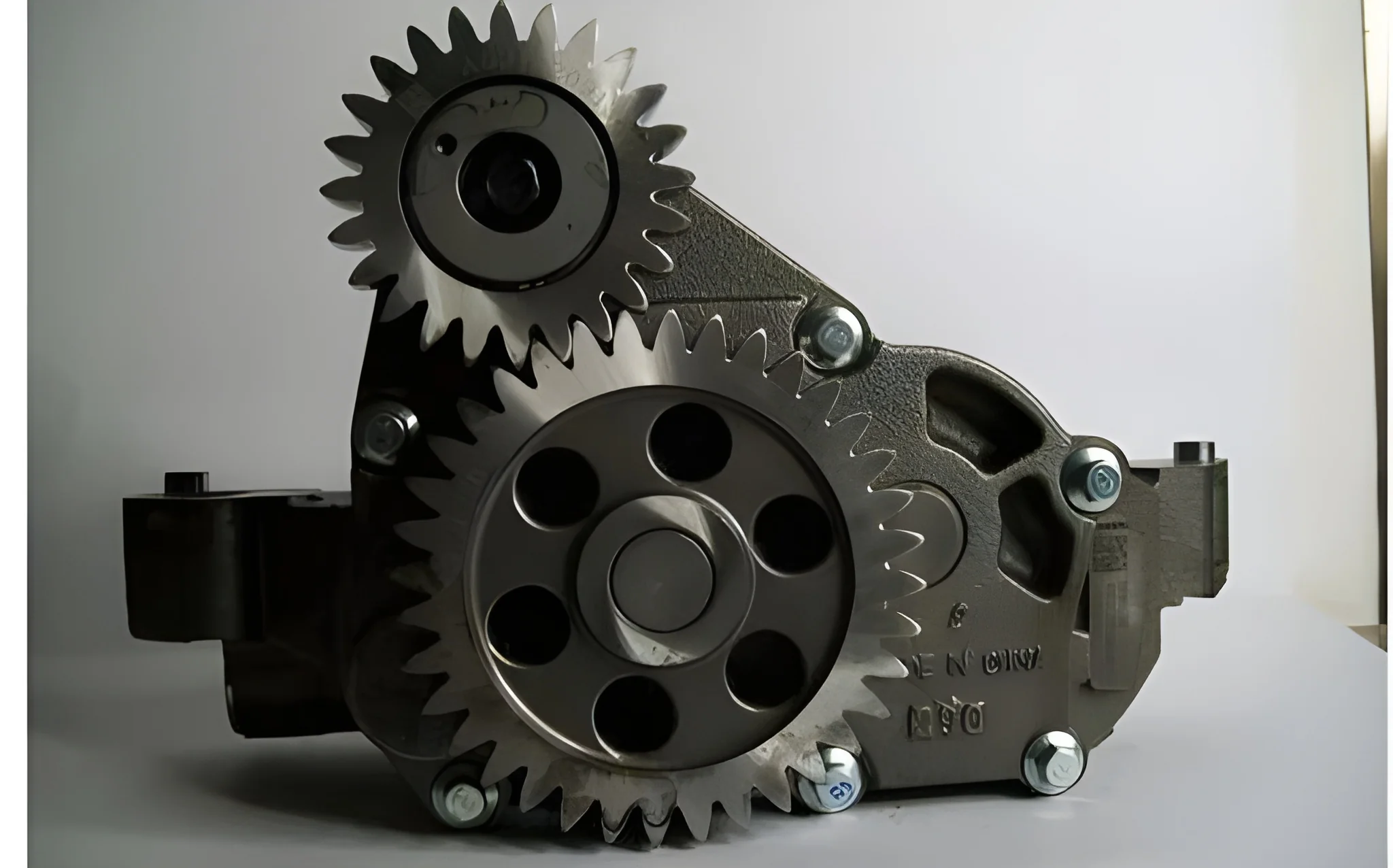
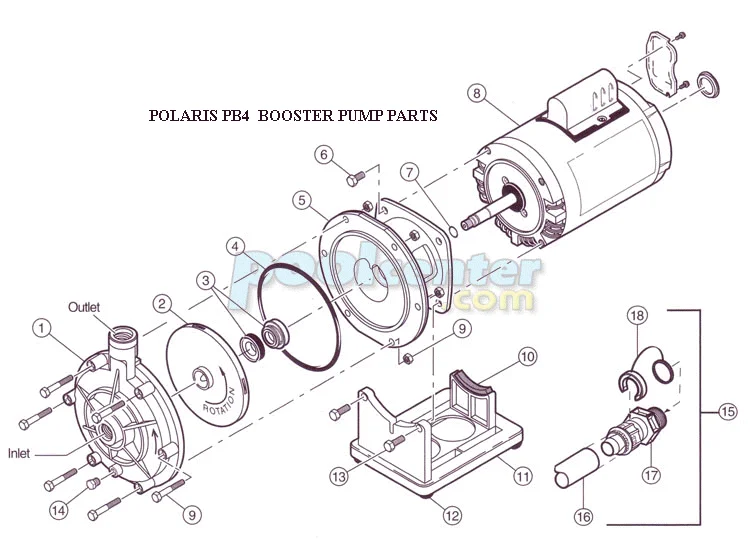
Oil pumps and dispensers are critical devices used for the efficient transfer and dispensing of oil in various industrial settings. They facilitate the movement of oil from storage containers to equipment or vehicles and can be used for both petroleum-based and synthetic oils. These devices ensure precise control over the amount of oil dispensed, which is essential for maintaining equipment performance and longevity.
The primary applications of oil pumps and dispensers span multiple industries, including automotive, manufacturing, and agriculture. In the automotive sector, they are used to refill engines and other machinery with essential lubricants. In manufacturing, oil pumps ensure the proper functioning of machinery by providing necessary lubrication. In agriculture, these devices are crucial for farm equipment maintenance, ensuring optimal performance during operations.
The relevance of oil pumps and dispensers in today's market cannot be overstated. As industries become more reliant on efficient machinery, the demand for reliable oil dispensing solutions continues to grow. This trend is further driven by the increasing emphasis on maintenance and operational efficiency in various sectors, making these devices vital components in production and operational processes.
Key Features and Specifications
Oil pumps and dispensers come equipped with several key features that enhance their functionality and usability. Understanding these specifications is crucial for buyers looking to invest in quality equipment.
Key specifications include:
1. Flow Rate
- Determines the speed at which oil can be dispensed.
- Typically ranges from 5 to 30 liters per minute.
2. Capacity
- Refers to the amount of oil that can be held in the dispenser.
- Common capacities range from 20 to 200 liters.
3. Power Source
- Can be manual or powered by electricity or air.
- Electric models often provide greater efficiency.
4. Material Construction
- Often made from durable materials like stainless steel or high-grade plastic.
- Ensures longevity and resistance to corrosion.
5. Dispensing Accuracy
- Features that ensure precise measurement during dispensing.
- Variability can be within 0.5% to 2% of the total volume.
6. Safety Features
- Includes automatic shut-off valves and pressure relief systems.
- Essential for preventing overfilling and spills.
7. Portability
- Some models are designed for easy transport.
- Often include wheels or handles for convenience.
8. User Interface
- Digital displays for monitoring dispensed quantities.
- Simplifies operation and improves user experience.
In summary, understanding the key features and specifications of oil pumps and dispensers is vital for making informed purchasing decisions. Whether for a small workshop or a large industrial facility, selecting the right pump can significantly impact operational efficiency.
Common Applications and Use Cases
Oil pumps and dispensers are versatile tools applied across various industries and applications.
1. Automotive: In automotive repair shops, oil pumps are essential for changing oil in vehicles and ensuring proper lubrication of engine components.
2. Manufacturing: In production facilities, these devices are used to maintain machinery by providing the necessary lubricants, enhancing performance and reducing wear.
3. Agriculture: Farmers utilize oil dispensers to service tractors and other farm equipment, which are critical for effective agricultural operations.
4. Construction: Oil pumps are used to fuel heavy machinery and equipment, ensuring that operations remain uninterrupted on construction sites.
5. Marine: In the maritime industry, oil dispensers are critical for maintaining the engines of boats and ships, ensuring they operate efficiently and safely.
6. Aviation: Oil pumps are utilized for dispensing lubricants in aircraft, which is vital for ensuring safety and performance during flights.
7. Mining: In mining operations, oil dispensers are used to service heavy equipment that requires regular lubrication to function effectively under harsh conditions.
Product Variants and Subcategories
Oil pumps and dispensers come in various types to cater to different needs and applications. This diversity allows businesses to choose the most suitable option for their specific requirements.
Manual Oil Dispensers
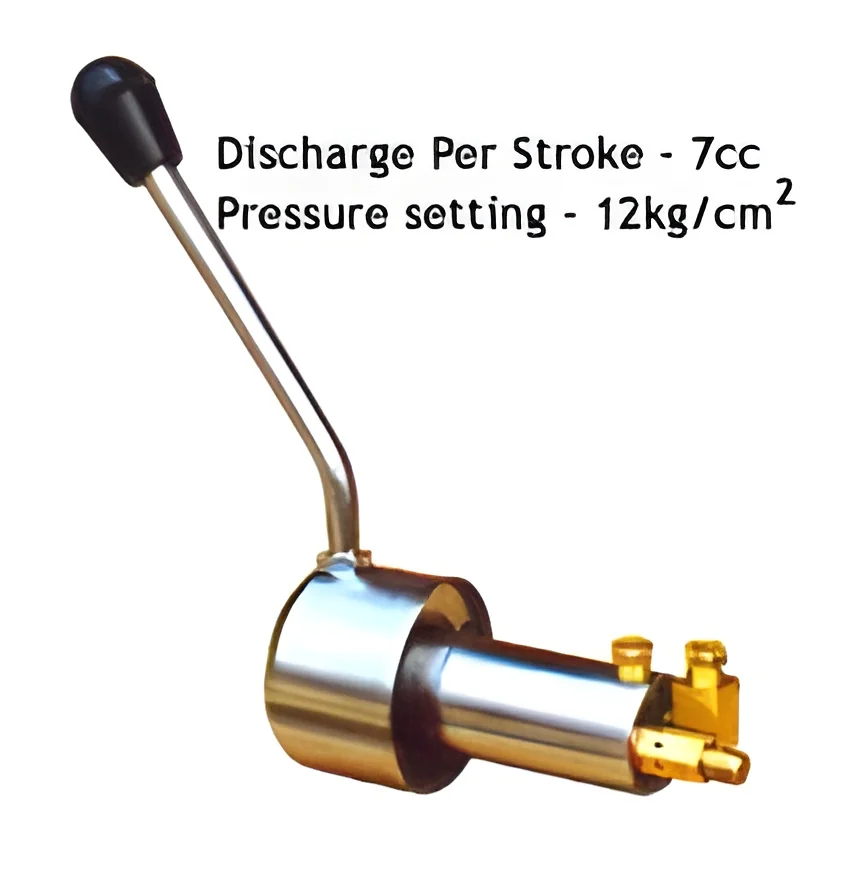
These dispensers are operated manually and are ideal for smaller operations or low-volume dispensing tasks. They are user-friendly and require no power source, making them suitable for remote locations.
Electric Oil Pumps
Electric models provide automated dispensing and are designed for high-volume applications. They come with features like digital displays and automatic shut-off, enhancing efficiency and accuracy.
Air-Operated Pumps
These pumps use compressed air for dispensing oil, making them suitable for environments where electricity may not be available. They are efficient and can handle various oil types.
Portable Oil Dispensers
These variants are designed for mobility and are ideal for fieldwork. They often come with wheels and lightweight materials, facilitating easy transport to different job sites.
Stationary Oil Pumps
These pumps are fixed installations used in larger operations and storage facilities. They are designed for heavy-duty use and can handle large quantities of oil.
Benefits and Advantages
Investing in oil pumps and dispensers offers numerous benefits for businesses looking to optimize their operations.
1. Improved Efficiency: These devices enable quick and accurate dispensing of oil, reducing downtime during maintenance and operations.
2. Cost Savings: By ensuring precise measurements, oil pumps minimize waste and reduce costs associated with over-spending on oil.
3. Enhanced Equipment Longevity: Proper lubrication extends the life of machinery and equipment, leading to lower replacement costs over time.
4. User-Friendly Operation: Many models come with easy-to-read displays and intuitive controls, making them accessible to all users.
5. Safety Features: With built-in safety measures, these dispensers help prevent spills and overfilling, ensuring a safer working environment.
6. Versatility: Oil pumps and dispensers can be used across multiple industries, making them a valuable asset for businesses of all types.
Buying Guide for B2B Buyers
When sourcing oil pumps and dispensers, it is essential for B2B buyers to consider several key factors to ensure they make the right choice.
1. Quality Assessment: Look for pumps that meet industry standards and come with warranties. High-quality materials and construction are critical for durability.
2. Supplier Verification: Vet potential suppliers thoroughly. Ensure they have a solid reputation and are known for delivering reliable products.
3. Pricing and MOQ: Consider the cost of the pumps and any minimum order quantities. Compare prices across different suppliers to find the best deal.
4. Delivery and Lead Times: Understand suppliers' delivery capabilities and lead times. Timely delivery is crucial for maintaining operational schedules.
5. Compliance Requirements: Ensure that the products meet relevant regulatory standards and certifications to avoid compliance issues in your operations.
Compliance and Certifications
Oil pumps and dispensers must adhere to various compliance standards to ensure safety and quality in their operation. Key industry standards include ISO 9001, which focuses on quality management systems, ensuring that manufacturers provide consistent quality in their products.
Additionally, products may need to meet HACCP (Hazard Analysis Critical Control Point) requirements, especially in industries where lubrication and oil dispensing could impact food safety or product quality.
CE certification is also important, particularly in European markets, as it indicates that the product complies with EU safety and health standards.
Manufacturers should also consider regional compliance requirements, as regulations can vary significantly across different countries and regions. Understanding and adhering to these standards is vital for maintaining product integrity and ensuring consumer safety.
Why Source Oil Pumps & Dispensers from Pepagora?
Pepagora offers a reliable platform for sourcing oil pumps and dispensers, providing numerous advantages for businesses looking for quality and efficiency.
Verified Supplier Network: Pepagora connects buyers with a network of verified suppliers, ensuring that all products meet high standards of quality and reliability.
Streamlined RFQ Process: The platform offers an easy-to-use request for quotation (RFQ) system, allowing buyers to quickly request and receive quotes from multiple suppliers, saving time and effort.
Trade Assurance and Support: Pepagora provides trade assurance, protecting buyers from potential risks associated with transactions. The support team is available to assist with any inquiries or issues that may arise during the purchasing process.
Regional Coverage: With a strong presence in India, the GCC, and Southeast Asia, Pepagora provides extensive geographical reach. This ensures that businesses in these regions can easily source the oil pumps and dispensers they need, regardless of their location.

 IN
IN