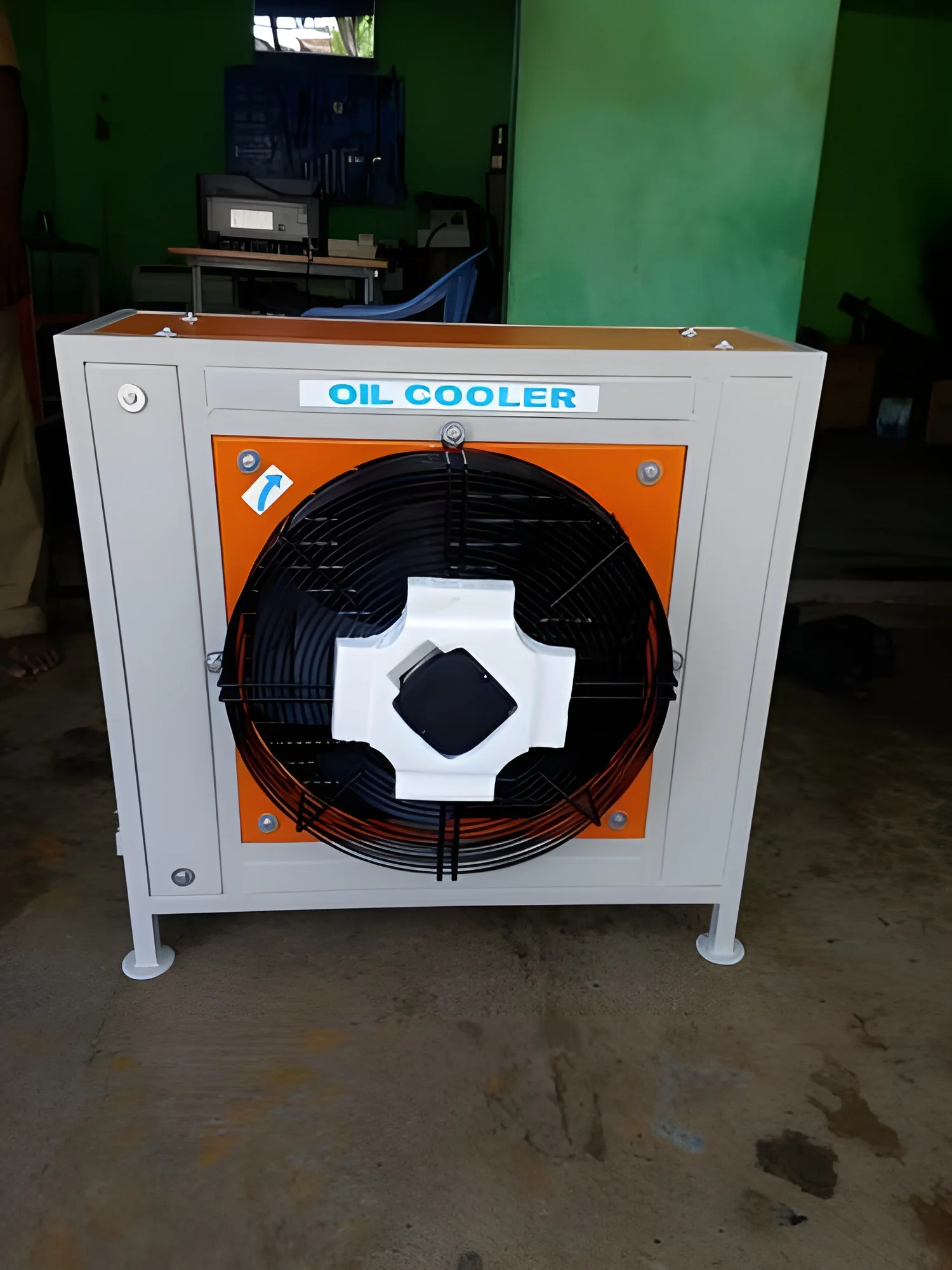
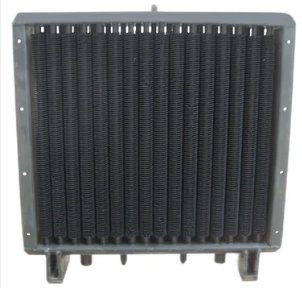
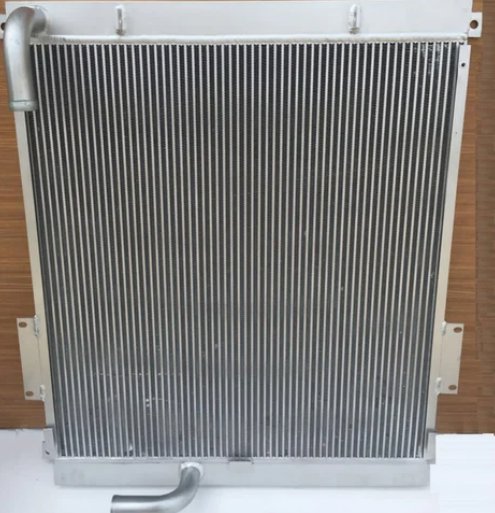
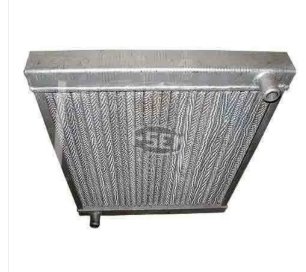
What are Oil Circulation Systems?
Oil circulation systems are essential components in various industrial applications that involve the movement and management of lubricating oil. These systems are designed to ensure that oil flows consistently through machinery and equipment, providing necessary lubrication to prevent wear and tear. The systems typically consist of pumps, filters, reservoirs, and piping that work together to maintain optimal oil conditions.
These systems are primarily used in industries such as manufacturing, automotive, and energy. In manufacturing, they help lubricate machinery to enhance operational efficiency and prolong equipment life. In the automotive industry, oil circulation systems are crucial for engine performance and longevity. The energy sector also relies on these systems for the smooth operation of turbines and compressors. As industries continue to evolve, the demand for efficient oil circulation systems continues to grow, driving innovation and development in this market.
Key Features and Specifications
Oil circulation systems come with a range of features designed to enhance their performance and reliability. Understanding these features is critical for businesses looking to invest in such systems.
Key specifications include:
1. Flow Rate
- Indicates the volume of oil that can be circulated in a given time.
- Typically measured in liters per minute (L/min) or gallons per minute (GPM).
2. Operating Pressure
- Refers to the pressure at which the system operates effectively.
- Commonly ranges from 1 to 10 bar, depending on the application.
3. Reservoir Capacity
- The size of the oil reservoir that stores lubricating oil.
- Can vary from small tanks of 5 liters to large systems holding over 500 liters.
4. Filtration Efficiency
- The ability of the system to remove contaminants from the oil.
- Often expressed as a percentage, with higher efficiency meaning better performance.
5. Temperature Range
- Indicates the operational temperature limits of the system.
- Generally suitable for ambient temperatures from -10 to 70 degrees Celsius.
6. Material Construction
- Includes the types of materials used for pumps, pipes, and reservoirs.
- Common materials include stainless steel and high-density polyethylene.
7. Monitoring Features
- Systems may include sensors for real-time monitoring of oil quality and flow.
- Such features enhance system reliability and maintenance planning.
8. Compliance Standards
- Compliance with industry standards such as ISO or CE certification.
- Ensures that products meet safety and quality requirements.
In summary, understanding the key features and specifications of oil circulation systems is crucial for making informed purchasing decisions. These systems play a vital role in maintaining the efficiency and longevity of industrial equipment.
Common Applications and Use Cases
Oil circulation systems are utilized across various industries, each with specific applications.
1. Manufacturing: These systems are vital in production lines to lubricate machinery and reduce friction, leading to increased efficiency and lower maintenance costs.
2. Automotive: They are essential in vehicles for engine lubrication, ensuring optimal performance and preventing overheating.
3. Energy: Oil circulation systems are used in power generation facilities, particularly with turbines and compressors, to maintain operational efficiency.
4. Aerospace: These systems support aircraft engines by providing necessary lubrication during flight operations.
5. Marine: Used in ships to lubricate engines, gearboxes, and other critical components, ensuring reliability at sea.
6. Construction: Heavy machinery relies on oil circulation systems to operate efficiently under demanding conditions.
7. HVAC: These systems help in maintaining lubrication in heating and cooling equipment, enhancing performance and energy efficiency.
Product Variants and Subcategories
Oil circulation systems are available in various types, catering to different industrial needs.
Standard Oil Circulation System
This variant is designed for general lubrication applications in manufacturing and automotive industries. It features a robust pump, a large reservoir, and efficient filtration to ensure prolonged equipment life.
High-Temperature Oil Circulation System
Engineered for operations that require higher temperature tolerances, this variant is used in energy production and aerospace applications. It includes specialized materials that withstand extreme conditions.
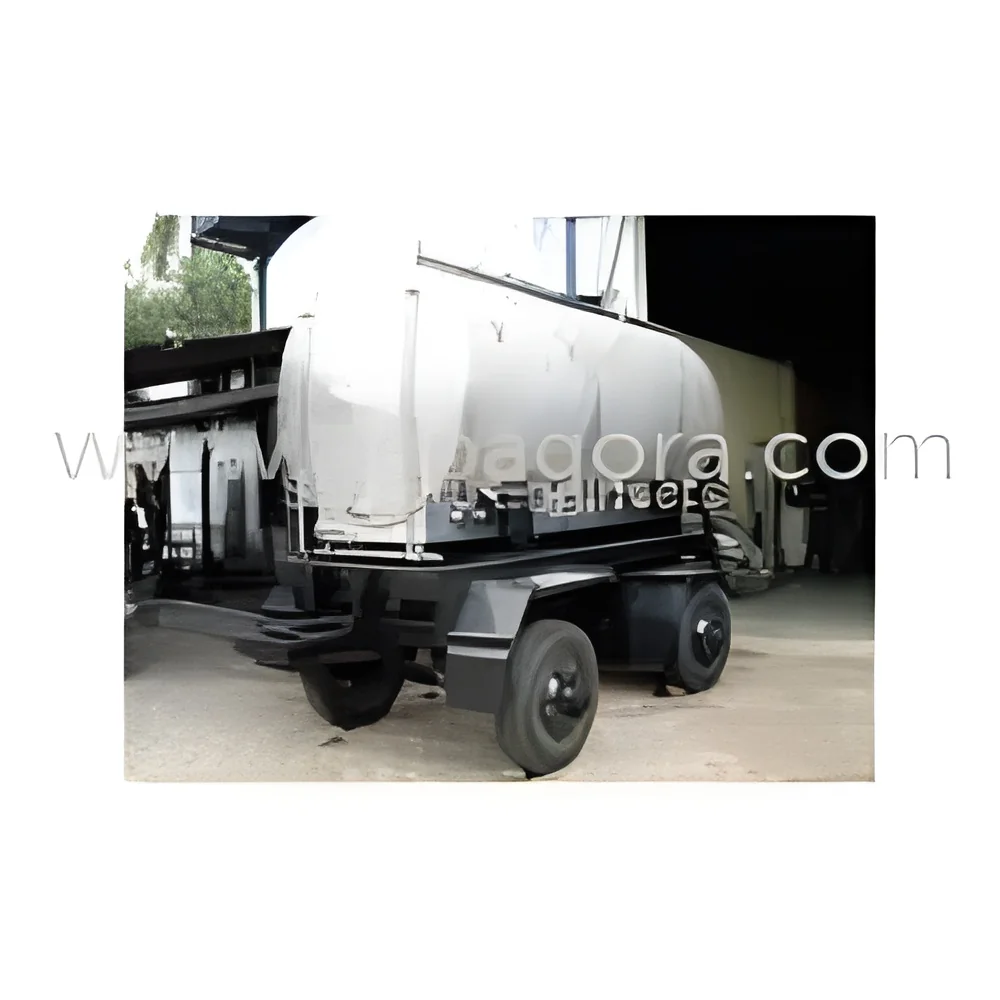
Mobile Oil Circulation System
This portable system is ideal for maintenance and repair work in various industries. It allows for easy transportation and quick setup, making it perfect for on-site applications.
Automatic Oil Circulation System
This variant features advanced sensors and monitoring capabilities, allowing for automated management of oil flow and quality. It is particularly beneficial in high-demand manufacturing environments.
Benefits and Advantages
Investing in oil circulation systems offers several key benefits for businesses.
1. Improved Equipment Longevity: Regular lubrication through these systems helps minimize wear and tear on machinery, extending the life of critical components.
2. Enhanced Operational Efficiency: Oil circulation systems ensure that machinery runs smoothly, reducing downtime and increasing productivity.
3. Cost Savings: By preventing equipment failure and minimizing maintenance needs, these systems can lead to significant cost reductions over time.
4. Consistent Oil Quality: With filtration and monitoring features, oil circulation systems maintain high oil quality, ensuring optimal performance.
5. Environmental Compliance: Many systems are designed to meet environmental regulations, promoting sustainability in industrial operations.
6. Customization Options: Businesses can often tailor systems to meet specific requirements, ensuring the right fit for their operations.
Buying Guide for B2B Buyers
When sourcing oil circulation systems, several factors should be considered to ensure a suitable purchase.
1. Quality Assessment: Evaluate the quality of materials and components used in the system. Look for certifications and standards that indicate reliability.
2. Supplier Verification: Vet potential suppliers through reviews, references, and industry reputation to ensure they are trustworthy and experienced.
3. Pricing and MOQ: Understand the pricing structure and minimum order quantities (MOQs) to align with your budget and needs.
4. Delivery and Lead Times: Consider logistics and delivery schedules to ensure that systems arrive on time for your operational requirements.
5. Compliance Requirements: Ensure the system meets local and international compliance standards relevant to your industry.
Compliance and Certifications
Oil circulation systems must adhere to various quality standards and certifications to ensure safety and reliability.
Relevant standards include ISO 9001, which focuses on quality management systems, and HACCP, which addresses food safety concerns in applicable industries. Additionally, compliance with Good Distribution Practices (GDP) is essential for systems used in sensitive environments.
Industry certifications such as CE and UL indicate that these systems meet specific safety and performance requirements, providing peace of mind to buyers.
Safety and testing requirements are critical in ensuring that the systems perform reliably under expected operational conditions. Regional compliance considerations may vary, so it is essential to consult local regulations that apply to your industry.
Why Source Oil Circulation Systems from Pepagora?
Pepagora provides a trusted platform for sourcing oil circulation systems, offering several key advantages to B2B buyers.
Verified Supplier Network: Pepagora connects buyers with a network of verified suppliers, ensuring that all listed companies meet stringent quality and reliability standards. This reduces the risk of purchasing from unverified sources.
Streamlined RFQ Process: The request for quotation (RFQ) process on Pepagora is designed to be efficient, allowing buyers to receive competitive quotes from multiple suppliers quickly. This simplifies decision-making and helps businesses find the best deals.
Trade Assurance and Support: Buyers receive protection through trade assurance, ensuring that their transactions are secure. Customer support is available to assist with any queries or issues that may arise during the purchasing process.
Regional Coverage: Pepagora has a strong presence in regions including India, the Gulf Cooperation Council (GCC), and Southeast Asia. This geographic reach allows for diverse sourcing options and supports businesses looking to expand their operations in these markets.

 IN
IN