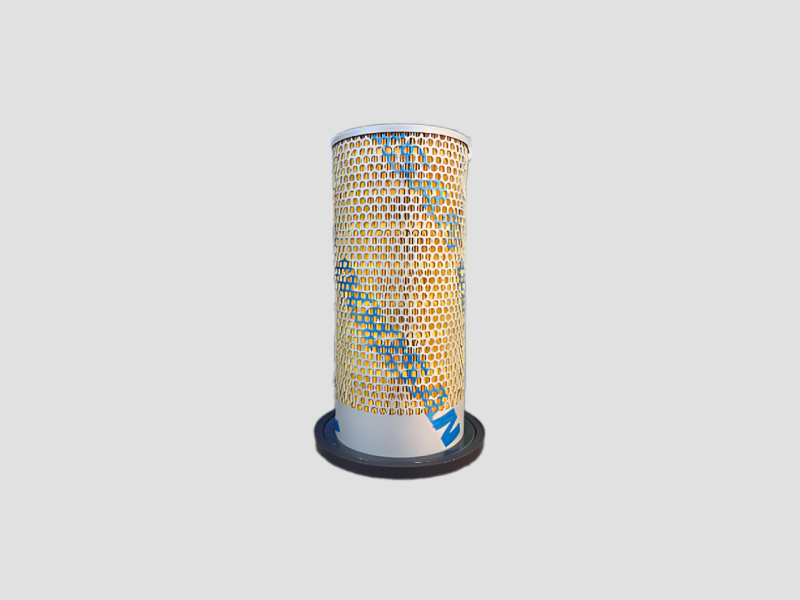
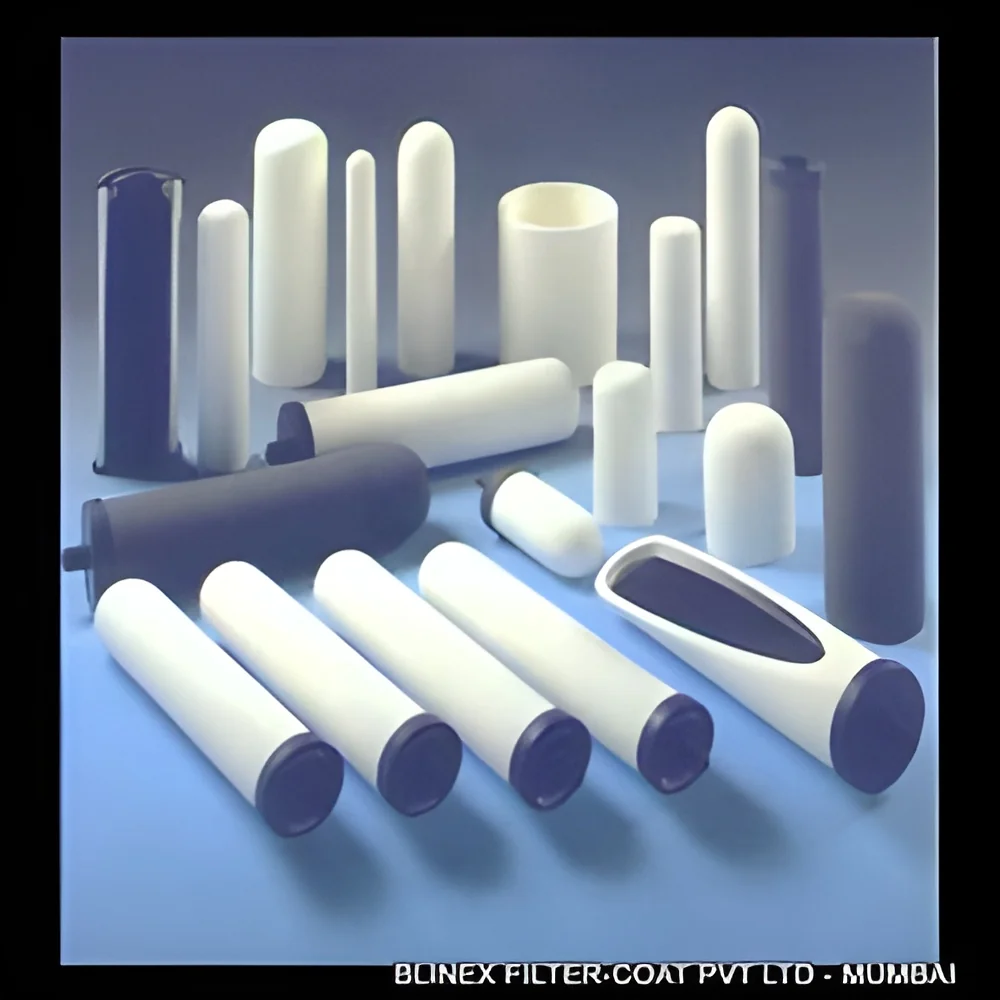
What are Air Intake Filters?
Air intake filters are critical components designed to remove contaminants from the air entering an engine or a ventilation system. By filtering out dust, dirt, and other particles, these filters help ensure that the engine runs efficiently and that the air quality in a controlled environment remains high. The primary function of air intake filters is to protect sensitive machinery and equipment from damage caused by airborne pollutants.
In business applications, air intake filters are widely used in various industrial sectors, including automotive, manufacturing, and commercial HVAC systems. They play a crucial role in enhancing operational efficiency, prolonging equipment lifespan, and reducing maintenance costs. Additionally, the relevance of air intake filters in today’s market is underscored by the growing focus on environmental sustainability and performance optimization. Companies are increasingly adopting high-quality filtration solutions to meet stricter regulatory standards and to improve their overall operational reliability.
Key Features and Specifications
Air intake filters come with several key features that determine their performance and suitability for various applications. Understanding these specifications is essential for selecting the right product.
Key specifications include:
1. Filtration Efficiency
- This specification indicates the filter's ability to capture airborne particles.
- Typically expressed as a percentage, with higher percentages indicating better filtration.
2. Airflow Rate
- The volume of air that can pass through the filter within a specific time frame.
- Measured in cubic feet per minute (CFM) or liters per second (L/s).
3. Filter Material
- Common materials include synthetic fibers, cellulose, and foam.
- Each material offers different advantages in terms of durability and filtration capability.
4. Operating Temperature Range
- The range of temperatures in which the filter can operate effectively.
- Specific ranges are not available for all products.
5. Humidity Tolerance
- The filter's ability to perform in various humidity conditions.
- Specific tolerances are not indicated for all products.
6. Dimensions
- Standard sizes include length, width, and thickness.
- Ensures compatibility with specific equipment.
7. Service Life
- The expected lifespan of the filter before replacement is required.
- Can vary significantly based on usage conditions.
8. Compliance Certifications
- Indicates adherence to industry standards such as CE.
- Important for quality assurance and regulatory compliance.
In summary, selecting air intake filters involves evaluating these key specifications to ensure that the product meets the requirements of the intended application.
Common Applications and Use Cases
Air intake filters find applications across a variety of industries, enhancing air quality and protecting equipment.
1. Automotive Industry: Air intake filters are essential in vehicles to ensure clean air enters the engine, promoting efficient combustion and reducing emissions.
2. Manufacturing Facilities: Used in production equipment to prevent dust and debris from entering machinery, thereby reducing wear and tear and minimizing downtime.
3. HVAC Systems: In commercial buildings, air intake filters help maintain indoor air quality by trapping allergens and pollutants, creating a healthier environment for occupants.
4. Power Generation: In power plants, these filters protect turbines and generators from particulates that could cause operational failures.
5. Agriculture: Air intake filters are utilized in agricultural machinery to ensure optimal performance by preventing dirt and debris from entering engines.
6. Marine Industry: Essential for maintaining air quality and engine efficiency in boats and ships, where exposure to saltwater can lead to corrosion.
7. Pharmaceutical Manufacturing: In clean rooms, air intake filters help maintain sterile conditions by filtering airborne contaminants.
Product Variants and Subcategories
Air intake filters come in various configurations and designs, catering to different needs and applications.
Panel Filters
These filters are commonly used in HVAC systems. They offer a flat design that allows for easy installation and replacement. Their efficiency in trapping dust makes them suitable for commercial and residential applications.
Pleated Filters
Pleated filters have a larger surface area due to their folded design, which enhances their filtration capacity. They are ideal for environments with high dust levels, such as manufacturing plants.
High-Efficiency Particulate Air (HEPA) Filters
HEPA filters are designed to capture very small particles, making them essential in cleanroom applications and healthcare settings. They ensure a high level of air purity.
Synthetic Filters
These filters are made from synthetic materials that provide durability and high filtration efficiency. They are commonly used in automotive and industrial applications where long service life is required.
Benefits and Advantages
Investing in air intake filters offers several advantages for businesses.
1. Enhanced Equipment Protection: By filtering out harmful particles, these filters protect machinery from wear and tear, extending the lifespan of equipment.
2. Improved Air Quality: Air intake filters ensure cleaner air in industrial and commercial environments, contributing to better health outcomes for employees and customers.
3. Increased Operational Efficiency: Clean air enhances the performance of engines and HVAC systems, leading to lower energy consumption and operating costs.
4. Compliance with Regulatory Standards: Utilizing high-quality air intake filters helps businesses meet strict industry regulations related to air quality and emissions.
5. Reduced Maintenance Costs: Regular use of air intake filters minimizes equipment breakdown and the need for frequent maintenance, saving time and resources.
6. Customization Options: Many manufacturers offer customizable filters to meet specific operational requirements, providing tailored solutions for unique challenges.
Buying Guide for B2B Buyers
When sourcing air intake filters, several factors should be taken into account to ensure a successful purchase.
1. Quality Assessment: Evaluate the quality of filters based on material, construction, and filtration efficiency. Look for products that meet industry standards and have positive reviews from users.
2. Supplier Verification: Vet suppliers by checking their credentials and reputation in the market. Ensure they provide reliable support and have a track record of timely deliveries.
3. Pricing and MOQ: Consider the pricing structure and minimum order quantities (MOQ) that fit your budget and needs. Compare quotes from different suppliers to find the best value.
4. Delivery and Lead Times: Assess logistics capabilities and delivery timelines to ensure that filters can be supplied when needed. Timely delivery is crucial for maintaining operational efficiency.
5. Compliance Requirements: Ensure that the filters meet necessary regulatory standards for your industry, including certifications like CE. This is vital for ensuring safety and quality.
Compliance and Certifications
Air intake filters are subject to various quality standards and certifications that ensure their performance and safety.
ISO 9001 is a widely recognized quality management standard that demonstrates a company's commitment to quality in manufacturing processes. Compliance with this standard indicates that the filters are produced under stringent quality controls.
CE certification is essential for products sold in the European market. It signifies that the air intake filters meet relevant health, safety, and environmental protection standards, assuring buyers of their reliability.
Safety and testing requirements are also critical, especially in industries where air quality is paramount. Filters must undergo rigorous testing to ensure they perform effectively under specified conditions.
Regional compliance considerations may vary, so it is important to check local regulations and standards applicable to air intake filters in specific markets.
Why Source Air Intake Filters from Pepagora?
Pepagora provides a trusted platform for sourcing air intake filters, offering several key advantages that benefit B2B buyers.
Verified Supplier Network: Pepagora connects buyers with a network of verified suppliers, ensuring that all listed products meet quality standards and regulatory requirements. This verification process helps buyers make informed decisions based on trust.
Streamlined RFQ Process: The request for quotation (RFQ) process is designed to be user-friendly, allowing buyers to easily submit their requirements and receive competitive quotes from multiple suppliers. This efficiency simplifies the procurement process.
Trade Assurance and Support: Pepagora offers trade assurance, providing buyers with protection throughout the purchasing process. This includes support in case of disputes, ensuring a smooth transaction experience.
Regional Coverage: With a focus on markets in India, the GCC, and Southeast Asia, Pepagora offers extensive regional coverage. This geographic reach enables businesses to source air intake filters that meet local requirements and conditions effectively.

 IN
IN