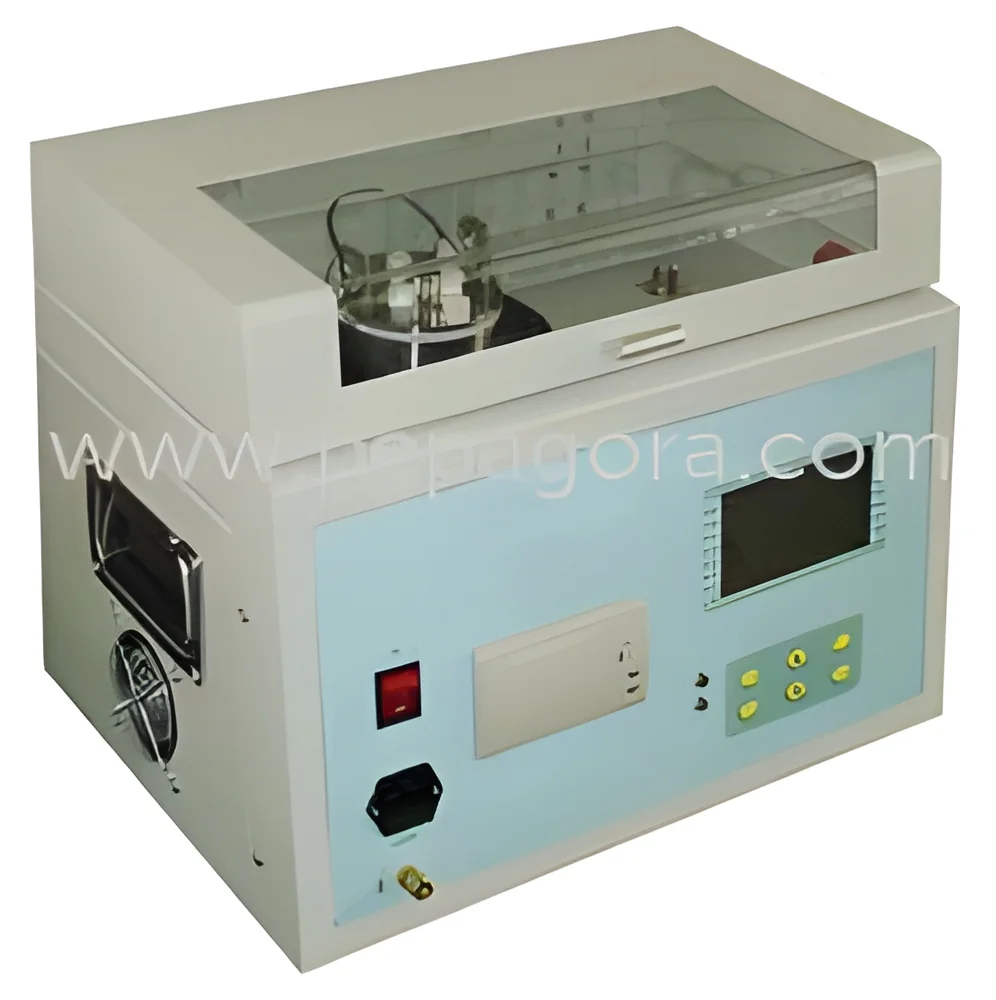
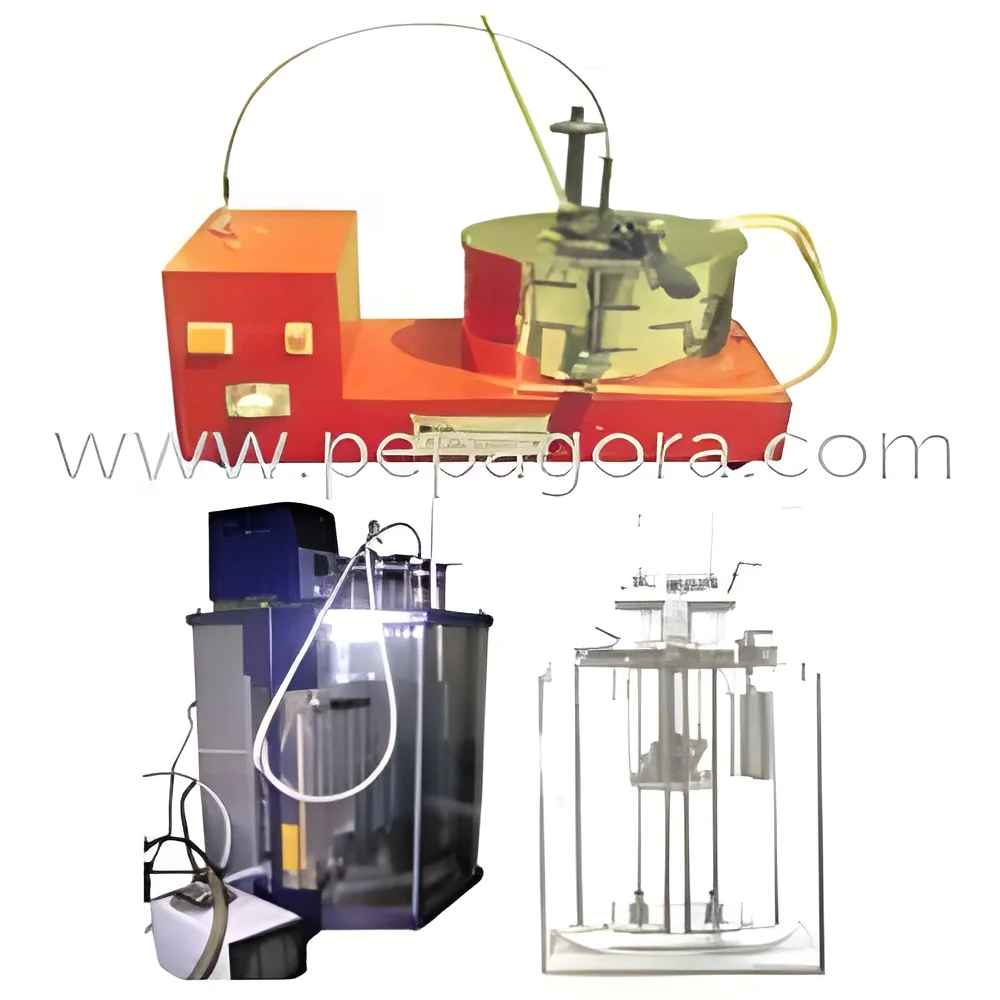
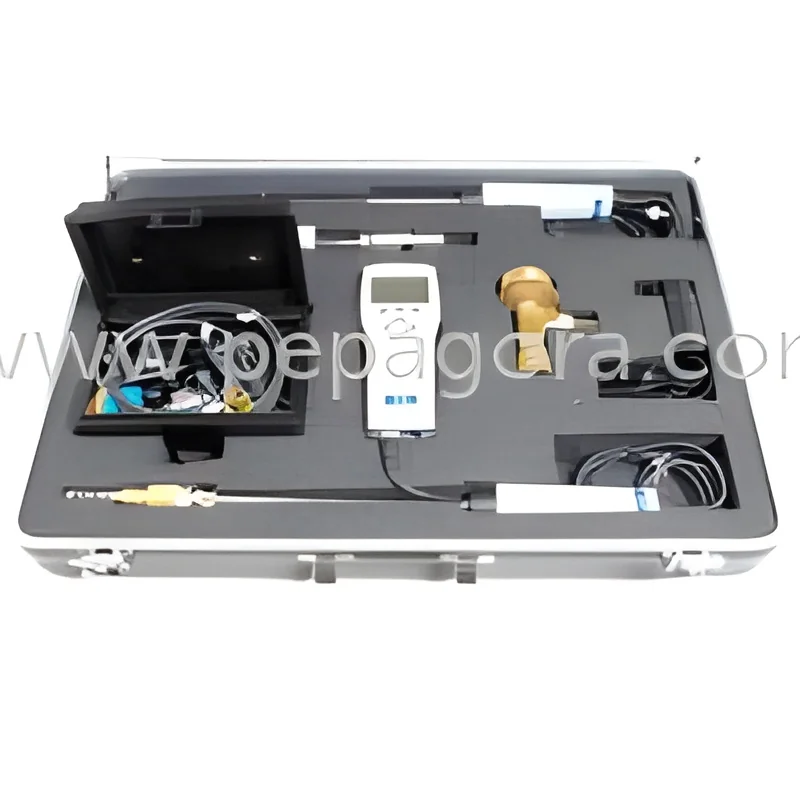
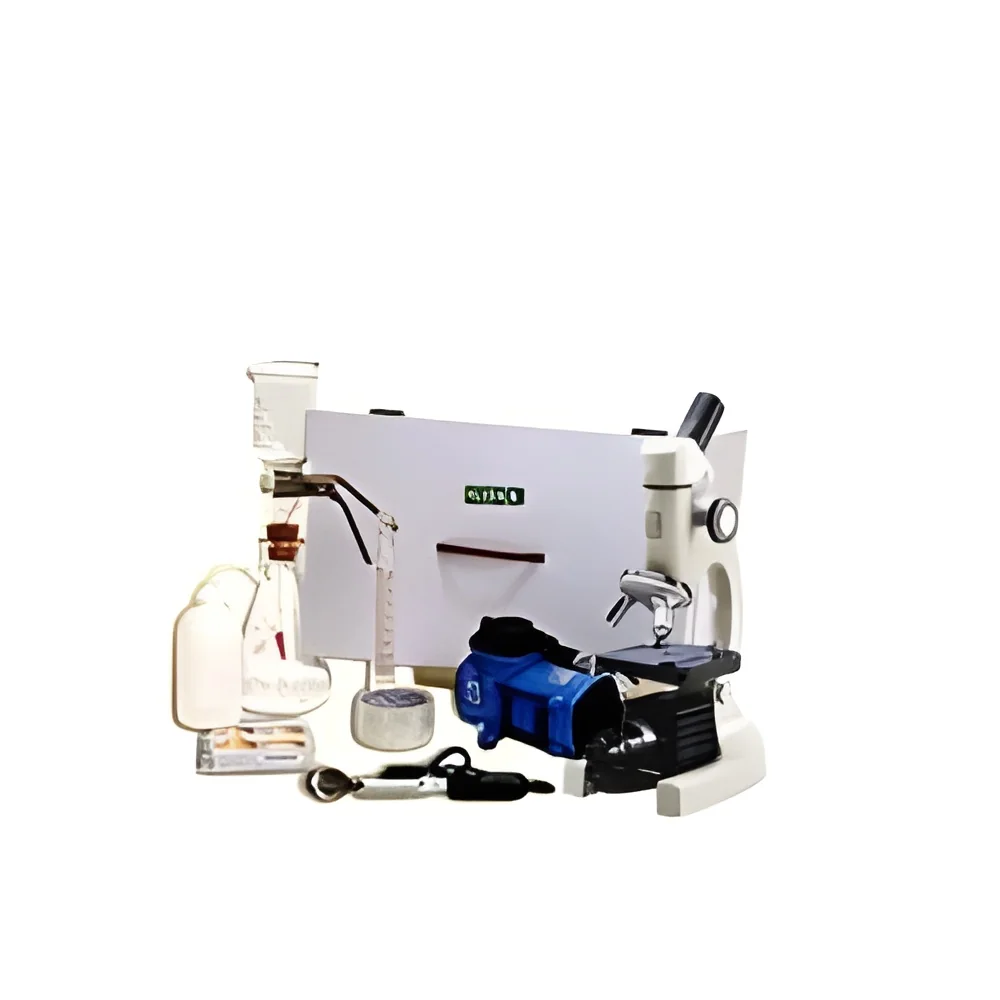
What are Oil Quality Monitoring Devices?
Oil Quality Monitoring Devices are essential tools used in various industrial applications to assess and ensure the quality of oils, particularly lubricants and fuels. These devices measure various parameters that indicate the condition of the oil, enabling users to maintain optimal performance and extend the life of machinery. By providing real-time data, these devices help in detecting contaminants, measuring viscosity, and assessing degradation levels, which are critical for preventive maintenance.
These devices are widely used in industries such as manufacturing, automotive, and energy, where the reliability of machinery is paramount. Businesses utilize oil quality monitoring to minimize downtime, reduce maintenance costs, and enhance operational efficiency. Furthermore, with increasing regulations on environmental safety and operational efficiency, the demand for these monitoring devices is growing, making them a vital component in modern industrial processes.
In the current market context, the shift towards automation and the integration of IoT technologies in manufacturing processes have spurred advancements in oil quality monitoring solutions. Companies are increasingly investing in sophisticated monitoring systems that offer enhanced features and greater accuracy, ensuring compliance with industry standards and improving overall productivity.
Key Features and Specifications
Oil Quality Monitoring Devices come equipped with numerous features designed to enhance their effectiveness and usability. These devices offer a range of specifications that cater to the diverse needs of industries.
Key specifications include:
1. Monitoring Features
- Continuous monitoring of oil quality parameters
- Real-time data transmission to central systems
2. Temperature Tolerance
- Operates effectively within specified temperature ranges
- Ensures reliability in extreme conditions
3. Humidity Control
- Designed to function optimally in various humidity levels
- Protects components from moisture-related damage
4. Data Logging
- Capability to store historical data for trend analysis
- Facilitates informed decision-making based on past performance
5. User Interface
- Intuitive display for easy reading of parameters
- Customizable alerts for specific oil quality issues
6. Connectivity Options
- Integration with existing monitoring systems via various protocols
- Supports wireless communication for remote monitoring
7. Calibration Requirements
- User-friendly calibration processes to ensure accurate readings
- Regular calibration schedules for maintaining device accuracy
8. Certifications
- Compliance with industry standards, including CE certification
- Assurance of quality and safety in operation
In summary, these features and specifications are crucial for ensuring reliable performance and effective monitoring of oil quality in various industrial settings.
Common Applications and Use Cases
Oil Quality Monitoring Devices find application across a multitude of industries, each requiring precise oil management.
1. Manufacturing: In manufacturing plants, these devices monitor lubricants used in machinery, ensuring optimal performance and reducing wear and tear.
2. Automotive: In the automotive sector, they are utilized to assess engine oils, aiding in maintenance schedules and enhancing engine longevity.
3. Energy: In the energy industry, particularly in power generation, these devices help monitor lubricating oils in turbines and generators, ensuring operational efficiency.
4. Marine: Oil quality monitoring is critical in the marine sector to maintain the performance of engines and reduce environmental impact.
5. Aerospace: In aerospace applications, these devices are essential for ensuring the reliability of lubricants used in aircraft systems.
6. Food Processing: The food industry requires strict adherence to safety standards, and oil quality monitoring helps ensure compliance and product safety.
7. Chemical Processing: These devices help monitor oils used in chemical production, preventing contamination and ensuring product quality.
Product Variants and Subcategories
Oil Quality Monitoring Devices come in various models and configurations to meet specific industry needs.
Portable Oil Quality Monitors
These compact devices are designed for on-the-go assessments, making them ideal for field testing and maintenance checks. They provide quick readings and can be easily transported between different locations.
Fixed Oil Quality Monitoring Systems
These systems are installed in a specific location and provide continuous monitoring of oil quality in large machinery or storage tanks. They offer robust data logging capabilities and can be integrated with existing plant monitoring systems.
Remote Oil Quality Monitoring Solutions
These advanced systems utilize IoT technology to provide real-time monitoring over the internet. They are perfect for businesses looking to monitor multiple sites without physical presence, allowing for centralized data analysis.
Benefits and Advantages
Oil Quality Monitoring Devices offer numerous benefits that can significantly enhance operational efficiency.
1. Improved Equipment Longevity: By monitoring oil quality, businesses can prevent machinery failures, extending the lifespan of equipment.
2. Cost Reduction: Regular monitoring helps in identifying issues early, reducing maintenance costs and unplanned downtime.
3. Enhanced Safety: These devices help ensure compliance with safety regulations by preventing oil-related failures that could lead to accidents.
4. Increased Productivity: With reliable machinery performance, businesses can maintain higher levels of productivity and efficiency.
5. Environmental Compliance: Monitoring oil quality aids in meeting environmental regulations by preventing oil spills and contamination.
6. Data-Driven Decisions: Continuous monitoring provides valuable data that can inform maintenance schedules and operational strategies.
Buying Guide for B2B Buyers
When sourcing Oil Quality Monitoring Devices, it is essential to consider several key factors to ensure the right selection for your needs.
1. Quality Assessment: Look for devices that meet industry standards and quality certifications. Verify that the product has undergone rigorous testing to ensure reliability and accuracy.
2. Supplier Verification: Take the time to vet suppliers thoroughly. Check their reputation, customer reviews, and experience in the industry to ensure you are dealing with a reliable partner.
3. Pricing and MOQ: Evaluate the pricing structure and minimum order quantities offered by suppliers. Ensure that the pricing aligns with your budget while considering the quality of the devices.
4. Delivery and Lead Times: Assess the supplier's ability to meet your delivery requirements. Understand the lead times and ensure they can provide timely delivery for your operations.
5. Compliance Requirements: Confirm that the devices comply with relevant industry regulations and standards. This is crucial for ensuring safe and efficient operations.
Compliance and Certifications
Oil Quality Monitoring Devices must meet various compliance and certification standards to ensure they are safe and effective for industrial use.
One of the primary quality standards is ISO 9001, which outlines criteria for a quality management system. Adhering to this standard ensures that manufacturers consistently provide products that meet customer and regulatory requirements.
Additionally, the CE certification demonstrates that the devices comply with European health, safety, and environmental protection standards. This certification is vital for businesses looking to operate in or export to Europe.
Safety and testing requirements are also critical, ensuring that devices can withstand the rigors of industrial environments while providing accurate readings. Regional compliance considerations may vary, so it's essential to understand the specific regulations applicable to your location and industry.
Why Source Oil Quality Monitoring Devices from Pepagora?
Pepagora offers a reliable platform for sourcing Oil Quality Monitoring Devices, providing several key advantages that benefit B2B buyers.
Verified Supplier Network: Pepagora ensures that all suppliers on the platform are thoroughly vetted. This verification process guarantees that buyers can trust the quality and reliability of the devices they purchase.
Streamlined RFQ Process: The Request for Quotation (RFQ) system is user-friendly, allowing buyers to easily compare offers from different suppliers. This process facilitates informed decision-making and helps buyers find the best deals.
Trade Assurance and Support: Pepagora provides trade assurance to protect buyers throughout the purchasing process. This includes support for dispute resolution and ensuring that products meet agreed-upon specifications.
Regional Coverage: Pepagora has a broad geographic reach, servicing markets in India, the GCC, and Southeast Asia. This extensive coverage ensures that businesses in these regions can easily access high-quality oil quality monitoring solutions.

 IN
IN