IN
IN₹
Apparel & Fashion
Description
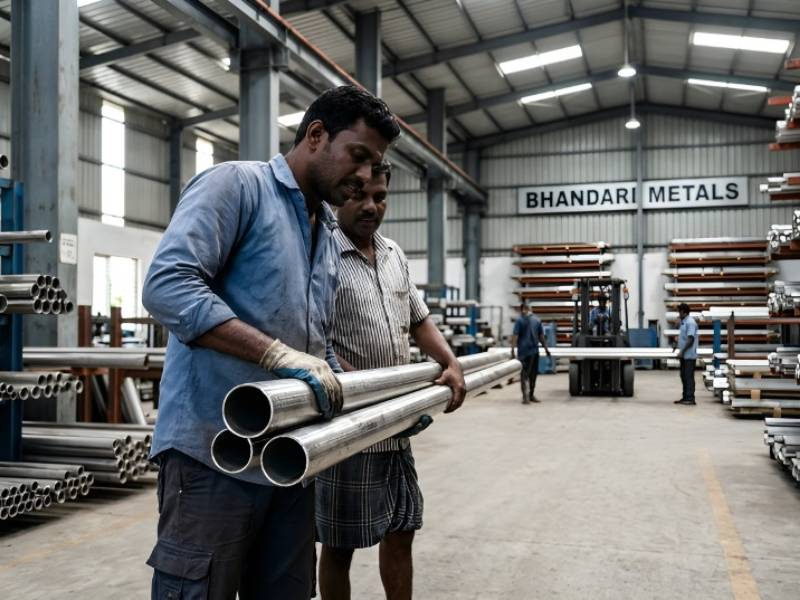
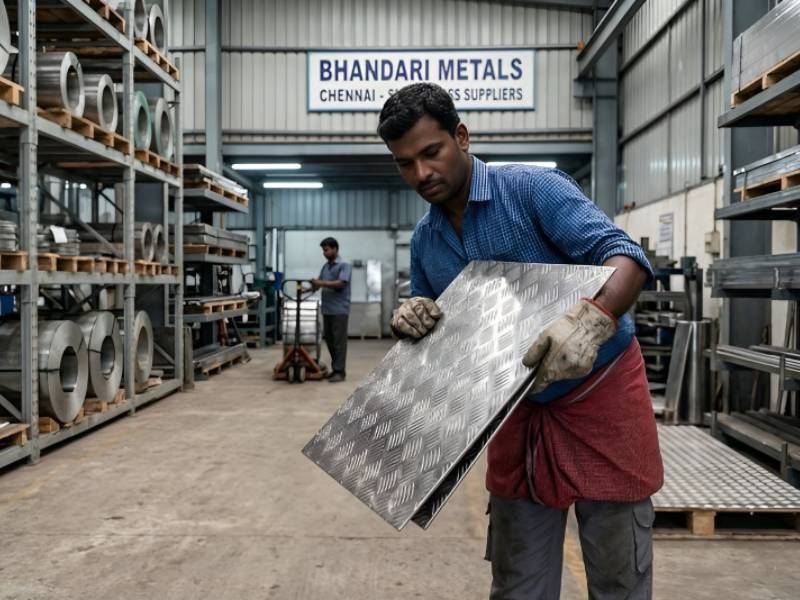
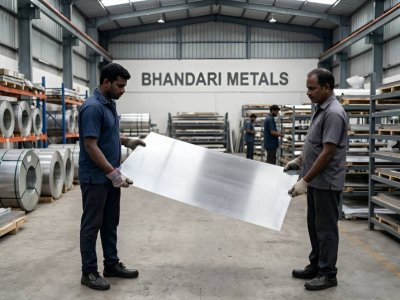
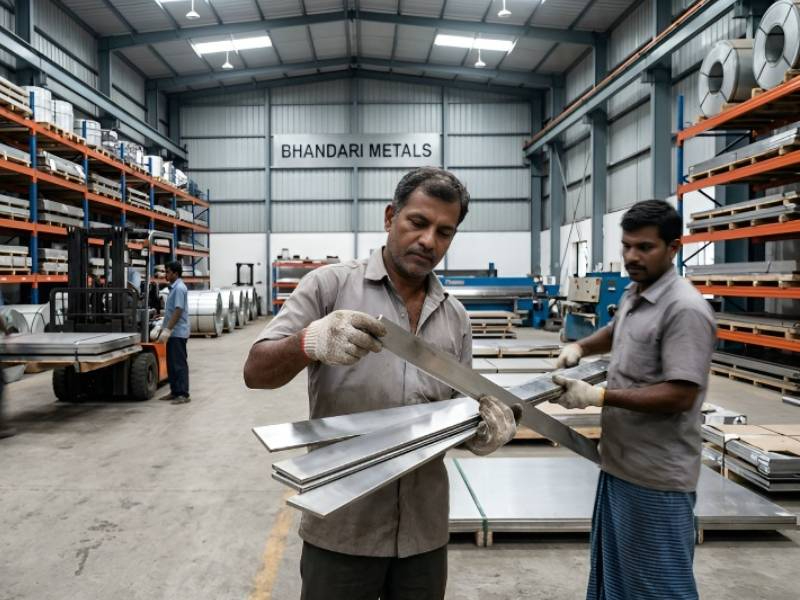
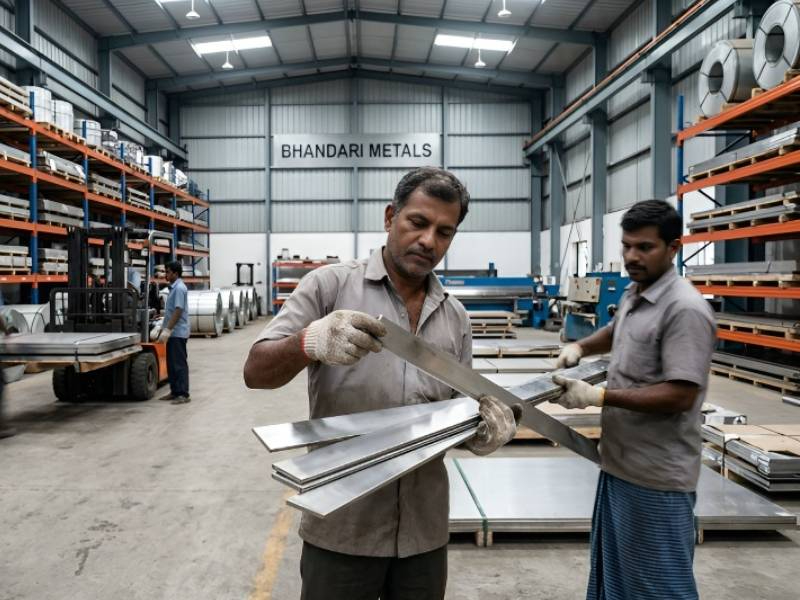
304 Stainless Steel Sheets are specially designed for demanding food and pharmaceutical environments where hygiene, corrosion resistance, and durability are paramount. These sheets are crafted from high-quality 304 grade stainless steel, known for its excellent resistance to oxidation and corrosion from organic acids, alkalis, and chlorides. The non-reactive surface prevents contamination, making them ideal for direct contact with food products and sensitive pharmaceutical compounds. Each sheet features a smooth, polished finish that facilitates easy cleaning and sterilization, meeting stringent sanitary standards such as FDA and 3-A. Available in various thicknesses and sizes, these sheets offer versatility for fabrication into tanks, vessels, and equipment components. Their robust construction ensures long service life even under frequent washdowns and exposure to harsh cleaning agents.

These sheets are widely used across industries that prioritize cleanliness and material integrity...
304 Stainless Steel Sheets are specially designed for demanding food and pharmaceutical environments where hygiene, corrosion resistance, and durability are paramount. These sheets are crafted from high-quality 304 grade stainless steel, known for its excellent resistance to oxidation and corrosion from organic acids, alkalis, and chlorides. The non-reactive surface prevents contamination, making them ideal for direct contact with food products and sensitive pharmaceutical compounds. Each sheet features a smooth, polished finish that facilitates easy cleaning and sterilization, meeting stringent sanitary standards such as FDA and 3-A. Available in various thicknesses and sizes, these sheets offer versatility for fabrication into tanks, vessels, and equipment components. Their robust construction ensures long service life even under frequent washdowns and exposure to harsh cleaning agents.

These sheets are widely used across industries that prioritize cleanliness and material integrity. In food processing, they are the go-to choice for meat and poultry processing lines, dairy equipment, bakery machinery, and beverage storage tanks. The pharmaceutical industry relies on them for the construction of cleanroom equipment, bioreactors, storage vessels, and piping systems that handle sterile products. Additionally, they are employed in breweries and wineries for fermentation tanks, in chemical processing for mild corrosive environments, and in healthcare for surgical instruments and medical device housings. Their adaptability to various fabrication methods—welding, bending, and cutting—makes them a versatile solution for custom equipment manufacturing.

For B2B buyers, these 304 Stainless Steel Sheets deliver unmatched reliability and value. The material's inherent corrosion resistance reduces maintenance costs and extends equipment lifespan, offering a lower total cost of ownership. Their ease of fabrication allows for quick customization to meet specific project requirements, minimizing downtime. Compliance with international quality standards ensures consistent performance across batches. By choosing these sheets, businesses gain a competitive edge through improved product safety, reduced contamination risks, and enhanced operational efficiency. Whether for new installations or replacements, these sheets provide a dependable foundation for critical processing applications.

Key Features:
- High-quality 304 grade stainless steel with excellent corrosion resistance.
- Smooth, polished surface for easy cleaning and sterilization.
- Non-reactive material safe for food and pharmaceutical contact.
- Available in various thicknesses and sizes for versatile fabrication.
- Durable construction withstands frequent washdowns and chemical exposure.

Benefits:
- Ensures product purity and safety in sanitary applications.
- Reduces maintenance costs and extends equipment lifespan.
- Facilitates compliance with FDA, 3-A, and other hygiene standards.
- Offers design flexibility for custom equipment and components.
- Enhances operational efficiency with minimal contamination risks.
Specifications
| Additional Information | |
|---|---|
| Country of Origin | India |
Application
304 Stainless Steel Sheets are essential in industries requiring high hygiene and corrosion resistance. In food processing, they are used for machinery, storage tanks, and conveyor systems, ensuring non-reactivity with acidic foods and easy sanitation. For pharmaceutical manufacturing, these sheets
are ideal for reactors, mixing vessels, and cleanroom surfaces, meeting strict regulatory standards for contamination control. Their durability and smooth finish make them suitable for beverage production lines, dairy equipment, and chemical handling where resistance to corrosive agents is critical.
Real-world applications:
- Food processing equipment and storage tanks for dairy, meat, and beverage production.
- Pharmaceutical reactors, mixing vessels, and cleanroom surfaces.
- Medical device components requiring non-reactive and sterile surfaces.
- Brewery and winery fermentation tanks and piping systems.
- Chemical storage and processing tanks for mild corrosive environments.
Trade Details
| Available Stock | In Stock |
| Sample Availability | No |
Payment Terms
| Payment Terms |
|
| Payment Methods |
|
Company Profile

Bhandari Metals, Tamil Nadu
 Tamil Nadu, India
Tamil Nadu, India16 yrs
Distributor / Wholesaler
Turn Over
₹25 Lakhs – ₹1 Crore
Factory Details
Factory SizeBelow 1000 sqm
Contract ManufacturingOEM Service
304 Stainless Steel Sheets For Food And Pharmaceutical Use
304 Stainless Steel Sheets offer superior corrosion resistance and hygiene for food and pharmaceutical processing equipment, storage tanks, and pipelines. Ideal for B2B buyers seeking durable, easy-to-clean sheets with non-reactive properties for sanitary applications.
Min. Order Quantity: 1 piece
Shipping
Shipping fee and delivery date to be negotiated. Contact supplier now for more details.
Bhandari Metals Tamil Nadu, India
Tamil Nadu, IndiaDistributor / Wholesaler