IN
IN₹
Apparel & Fashion
Description
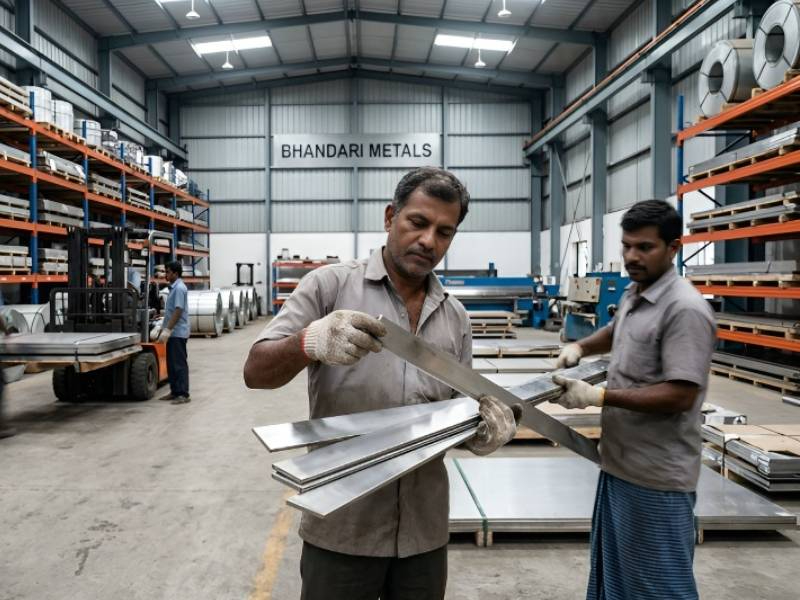
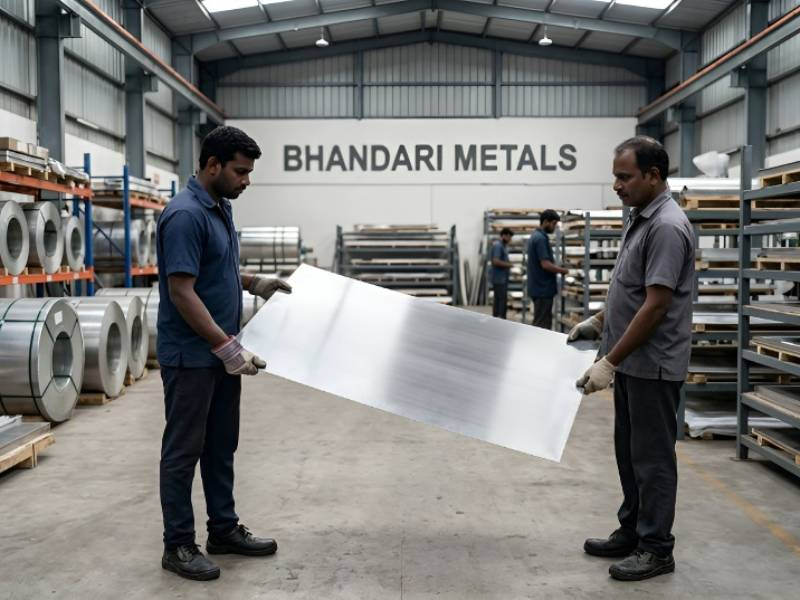
316L Stainless Steel Sheets are a premium material choice for industries that demand exceptional corrosion resistance and durability. With a low carbon content of 0.03% max, these sheets offer superior weldability without sensitization, making them ideal for applications that require clean, sterile environments. They are highly resistant to pitting and crevice corrosion in chloride-rich environments, such as seawater and chemical processing. The sheets are available in various thicknesses and sizes to meet specific project requirements, ensuring a perfect fit for critical equipment. Their non-reactive surface is easy to clean and maintain, which is essential for pharmaceutical and food processing sectors.

These sheets are widely used in the pharmaceutical industry for manufacturing bioreactors, storage tanks, and piping systems that must comply with strict hygiene standards. In the marine sector, they are employed in shipbuilding, offshore platforms, and desalination plants where expo...
316L Stainless Steel Sheets are a premium material choice for industries that demand exceptional corrosion resistance and durability. With a low carbon content of 0.03% max, these sheets offer superior weldability without sensitization, making them ideal for applications that require clean, sterile environments. They are highly resistant to pitting and crevice corrosion in chloride-rich environments, such as seawater and chemical processing. The sheets are available in various thicknesses and sizes to meet specific project requirements, ensuring a perfect fit for critical equipment. Their non-reactive surface is easy to clean and maintain, which is essential for pharmaceutical and food processing sectors.

These sheets are widely used in the pharmaceutical industry for manufacturing bioreactors, storage tanks, and piping systems that must comply with strict hygiene standards. In the marine sector, they are employed in shipbuilding, offshore platforms, and desalination plants where exposure to corrosive saltwater is constant. The medical field relies on these sheets for surgical instruments and implantable devices due to their biocompatibility and strength. Additionally, they are used in food processing for conveying systems and mixing vessels that require frequent sanitation. The chemical industry benefits from their resistance to a wide range of acids and alkalis, making them suitable for reactors and heat exchangers.

The business value of these sheets lies in their long service life, reduced maintenance costs, and compliance with international standards such as ASTM A240. By choosing 316L, buyers invest in a material that minimizes downtime and replacement frequency. The sheets are sourced from reliable manufacturers with strict quality control, ensuring consistent mechanical properties and surface finish. This reliability translates to safer operations and higher productivity for end-users. For businesses looking for a durable, corrosion-resistant solution, these sheets offer a proven track record in demanding applications across multiple industries.

Key Features:
- Low carbon content (max 0.03%) for enhanced weldability and reduced sensitization
- Excellent resistance to pitting, crevice corrosion, and stress corrosion cracking
- High tensile strength and durability for heavy-duty applications
- Non-reactive, easy-to-clean surface suitable for sterile environments
- Available in customizable thicknesses and sizes to fit specific requirements

Benefits:
- Extends equipment lifespan by resisting corrosion in harsh environments
- Reduces maintenance and replacement costs through superior durability
- Ensures product purity and safety in pharmaceutical and food applications
- Simplifies fabrication and installation with enhanced weldability
- Meets global standards, providing confidence for international projects
Specifications
| Additional Information | |
|---|---|
| Country of Origin | India |
Application
These 316L Stainless Steel Sheets are engineered for environments where corrosion resistance and hygiene are critical. The low carbon content enhances weldabil
ity and minimizes carbide precipitation, making them suitable for clean-in-place systems in pharmaceutical manufacturing and seawater-exposed marine structures.
Real-world applications:
- Pharmaceutical reactors and storage tanks requiring sterile conditions
- Offshore oil rig platforms and ship hulls exposed to saltwater
- Medical implant tools and surgical equipment needing biocompatibility
- Food processing conveyors and mixers that demand easy sanitation
- Chemical distillation columns and heat exchangers handling aggressive media
Trade Details
| Available Stock | In Stock |
| Sample Availability | No |
Payment Terms
| Payment Terms |
|
| Payment Methods |
|
Company Profile

Bhandari Metals, Tamil Nadu
 Tamil Nadu, India
Tamil Nadu, India16 yrs
Distributor / Wholesaler
Turn Over
₹25 Lakhs – ₹1 Crore
Factory Details
Factory SizeBelow 1000 sqm
Contract ManufacturingOEM Service
316L Stainless Steel Sheets For Pharmaceutical And Marine Applications
316L Stainless Steel Sheets with low carbon content and superior corrosion resistance for pharmaceutical and marine applications, offering reliability in demanding environments.
Min. Order Quantity: 1 piece
Shipping
Shipping fee and delivery date to be negotiated. Contact supplier now for more details.
Bhandari Metals Tamil Nadu, India
Tamil Nadu, IndiaDistributor / Wholesaler