𝗪𝗵𝗮𝘁 𝗮𝗿𝗲 𝗦𝘁𝗮𝗶𝗻𝗹𝗲𝘀𝘀 𝗦𝘁𝗲𝗲𝗹 𝗙𝗮𝘀𝘁𝗲𝗻𝗲𝗿𝘀?
Stainless steel fasteners are hardware components made from stainless steel, designed to join or secure two or more objects together. They include a variety of products, such as bolts, nuts, screws, washers, and anchors. Known for their corrosion resistance and durability, stainless steel fasteners are ideal for applications in harsh environments, including chemical and marine industries.
These fasteners are used extensively across multiple sectors, including construction, automotive, aerospace, and manufacturing. Their resistance to rust and ability to withstand high temperatures make them suitable for both indoor and outdoor applications. Businesses leverage stainless steel fasteners to ensure structural integrity and longevity in their products, particularly in industries where safety and reliability are paramount.
As industries evolve, the demand for stainless steel fasteners continues to grow. The global market is driven by the need for high-quality, durable materials that can withstand challenging conditions. Additionally, advancements in manufacturing processes have expanded the types of stainless steel fasteners available, catering to a broader range of applications and enhancing their relevance in modern manufacturing.
𝗞𝗲𝘆 𝗙𝗲𝗮𝘁𝘂𝗿𝗲𝘀 𝗮𝗻𝗱 𝗦𝗽𝗲𝗰𝗶𝗳𝗶𝗰𝗮𝘁𝗶𝗼𝗻𝘀
Stainless steel fasteners come with various features and specifications that cater to different industrial needs. Understanding these specifications is essential for selecting the right fasteners for specific applications.
Key specifications include:
1. Material Grade
- Common grades include 304, 316, and 410.
- Each grade offers different levels of corrosion resistance and strength.
2. Thread Type
- Options include coarse, fine, and self-tapping threads.
- Thread type affects the fastening strength and compatibility with other components.
3. Head Style
- Common styles include hex, pan, and socket heads.
- Head style determines the type of tool needed for installation.
4. Finish
- Options range from passivated to polished or coated finishes.
- Finishing enhances corrosion resistance and aesthetic appeal.
5. Size and Dimensions
- Available in various lengths and diameters to suit different needs.
- Proper sizing is crucial for ensuring a secure fit and functionality.
6. Load Capacity
- Load ratings define the maximum weight the fastener can support.
- Essential for ensuring safety in load-bearing applications.
7. Compliance Standards
- Fasteners may comply with standards such as ASTM and ASME.
- Compliance ensures quality and reliability.
8. Packaging Options
- Available in bulk, kits, or custom packaging.
- Important for inventory management and ease of use.
Understanding these specifications helps businesses choose the right stainless steel fasteners that meet their operational requirements.
𝗖𝗼𝗺𝗺𝗼𝗻 𝗔𝗽𝗽𝗹𝗶𝗰𝗮𝘁𝗶𝗼𝗻𝘀 𝗮𝗻𝗱 𝗨𝘀𝗲 𝗖𝗮𝘀𝗲𝘀
Stainless steel fasteners are versatile and find applications across various industries.
1. Construction: Used in structural frameworks, roofing, and cladding for their strength and corrosion resistance.
2. Automotive: Essential for securing components such as engines, chassis, and body panels, where durability is critical.
3. Aerospace: Utilized in airframes and engine parts, where reliability and lightweight materials are crucial.
4. Marine: Ideal for boat construction and maintenance due to their resistance to saltwater and corrosion.
5. Manufacturing: Employed in machinery and equipment assembly, ensuring long-lasting performance.
6. Food Processing: Used in equipment and installations to meet hygiene and safety standards.
7. HVAC: Essential for securing ducts and components in heating, ventilation, and air conditioning systems.
These applications highlight the importance of stainless steel fasteners in ensuring safety and performance in various industrial contexts.
𝗣𝗿𝗼𝗱𝘂𝗰𝘁 𝗩𝗮𝗿𝗶𝗮𝗻𝘁𝘀 𝗮𝗻𝗱 𝗦𝘂𝗯𝗰𝗮𝘁𝗲𝗴𝗼𝗿𝗶𝗲𝘀
Stainless steel fasteners come in various forms, each tailored for specific uses.
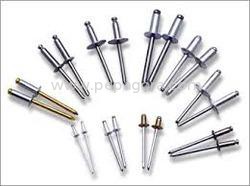
Hex Bolts: These fasteners feature a six-sided head and are commonly used in construction and machinery assembly. Their robust design allows for high torque applications.
Screws: Available in various styles such as wood screws, machine screws, and self-tapping screws. Each type is designed for specific materials and applications.
Nuts: Used in conjunction with bolts, nuts provide a secure fastening solution. They come in different shapes and sizes, including hex and lock nuts for enhanced security.
Washers: These flat discs are used to distribute load and prevent damage to the surface. They are essential in applications where vibration is a concern.
Anchors: Designed for securing objects to concrete or masonry, anchors provide a strong hold in challenging environments.
Each variant serves specific needs, making it crucial for buyers to select the right type based on their application requirements.
𝗕𝗲𝗻𝗲𝗳𝗶𝘁𝘀 𝗮𝗻𝗱 𝗔𝗱𝘃𝗮𝗻𝘁𝗮𝗴𝗲𝘀
Choosing stainless steel fasteners offers numerous advantages for businesses.
1. Corrosion Resistance: Stainless steel’s natural resistance to rust and corrosion extends the lifespan of fasteners in harsh environments.
2. Strength and Durability: These fasteners provide superior strength, making them suitable for high-load applications without compromising integrity.
3. Aesthetic Appeal: Stainless steel has a clean, polished appearance, enhancing the visual quality of finished products.
4. Temperature Resistance: Suitable for both high and low-temperature applications, stainless steel fasteners maintain their performance across a range of conditions.
5. Low Maintenance: Due to their durability and resistance to corrosion, stainless steel fasteners require minimal maintenance.
6. Recyclability: Stainless steel is a recyclable material, making these fasteners an environmentally friendly option.
These benefits make stainless steel fasteners a preferred choice for many industries, contributing to product longevity and reliability.
𝗕𝘂𝘆𝗶𝗻𝗴 𝗚𝘂𝗶𝗱𝗲 𝗳𝗼𝗿 𝗕𝟮𝗕 𝗕𝘂𝘆𝗲𝗿𝘀
When sourcing stainless steel fasteners, B2B buyers should consider several factors to ensure they make informed purchasing decisions.
1. Quality Assessment: Evaluate the quality of the fasteners by checking for compliance with industry standards and certifications. This ensures reliability and performance.
2. Supplier Verification: Vet suppliers by assessing their reputation, reviews, and delivery history. A reliable supplier is crucial for consistent quality and timely delivery.
3. Pricing and MOQ: Understand the pricing structure and minimum order quantities. It’s important to balance cost with quality to avoid compromising on essential specifications.
4. Delivery and Lead Times: Discuss logistics and lead times with suppliers to ensure timely delivery of fasteners. Delays can impact project timelines.
5. Compliance Requirements: Be aware of any regulatory compliance requirements relevant to your industry. Ensure that the fasteners meet all necessary safety and quality standards.
Considering these factors will help buyers navigate the procurement process effectively and select the best stainless steel fasteners for their needs.
𝗖𝗼𝗺𝗽𝗹𝗶𝗮𝗻𝗰𝗲 𝗮𝗻𝗱 𝗖𝗲𝗿𝘁𝗶𝗳𝗶𝗰𝗮𝘁𝗶𝗼𝗻𝘀
Stainless steel fasteners must adhere to various quality standards and certifications to ensure safety and reliability in industrial applications.
Key quality standards include ISO 9001, which outlines requirements for a quality management system, ensuring consistent quality and customer satisfaction. Other relevant standards may include HACCP for food safety and GDP for good distribution practices.
Industry certifications, such as CE marking, signify that the fasteners comply with European safety and health requirements. Compliance with these standards is critical for businesses operating in regulated sectors.
Safety and testing requirements are also essential, as fasteners may be subject to rigorous testing to ensure their performance under load and environmental conditions.
In addition, regional compliance considerations may vary, requiring businesses to stay informed about specific regulations that apply in their operational areas. This compliance ensures that fasteners are suitable for their intended applications and meet safety standards.
𝗪𝗵𝘆 𝗦𝗼𝘂𝗿𝗰𝗲 𝗦𝘁𝗮𝗶𝗻𝗹𝗲𝘀𝘀 𝗦𝘁𝗲𝗲𝗹 𝗙𝗮𝘀𝘁𝗲𝗻𝗲𝗿𝘀 𝗳𝗿𝗼𝗺 𝗣𝗲𝗽𝗮𝗴𝗼𝗿𝗮?
Pepagora provides a trusted platform for sourcing stainless steel fasteners, offering several key advantages to B2B buyers.
Verified Supplier Network: Pepagora maintains a robust network of verified suppliers, ensuring that buyers can access high-quality fasteners from reputable manufacturers. This verification process enhances trust and reliability in sourcing.
Streamlined RFQ Process: The platform features a streamlined Request for Quote (RFQ) process, allowing buyers to quickly obtain competitive quotations from multiple suppliers. This efficiency helps businesses make informed purchasing decisions.
Trade Assurance and Support: Buyers benefit from trade assurance, providing protection against potential transaction issues. Pepagora also offers dedicated support, assisting buyers throughout the sourcing process.
Regional Coverage: With a focus on regions such as India, the GCC, and Southeast Asia, Pepagora offers extensive geographic reach. This ensures that buyers can find suitable suppliers in their local markets, facilitating easier communication and logistics.
By choosing Pepagora, businesses can secure high-quality stainless steel fasteners while enjoying a seamless sourcing experience tailored to their needs.

 IN
IN

 India
India