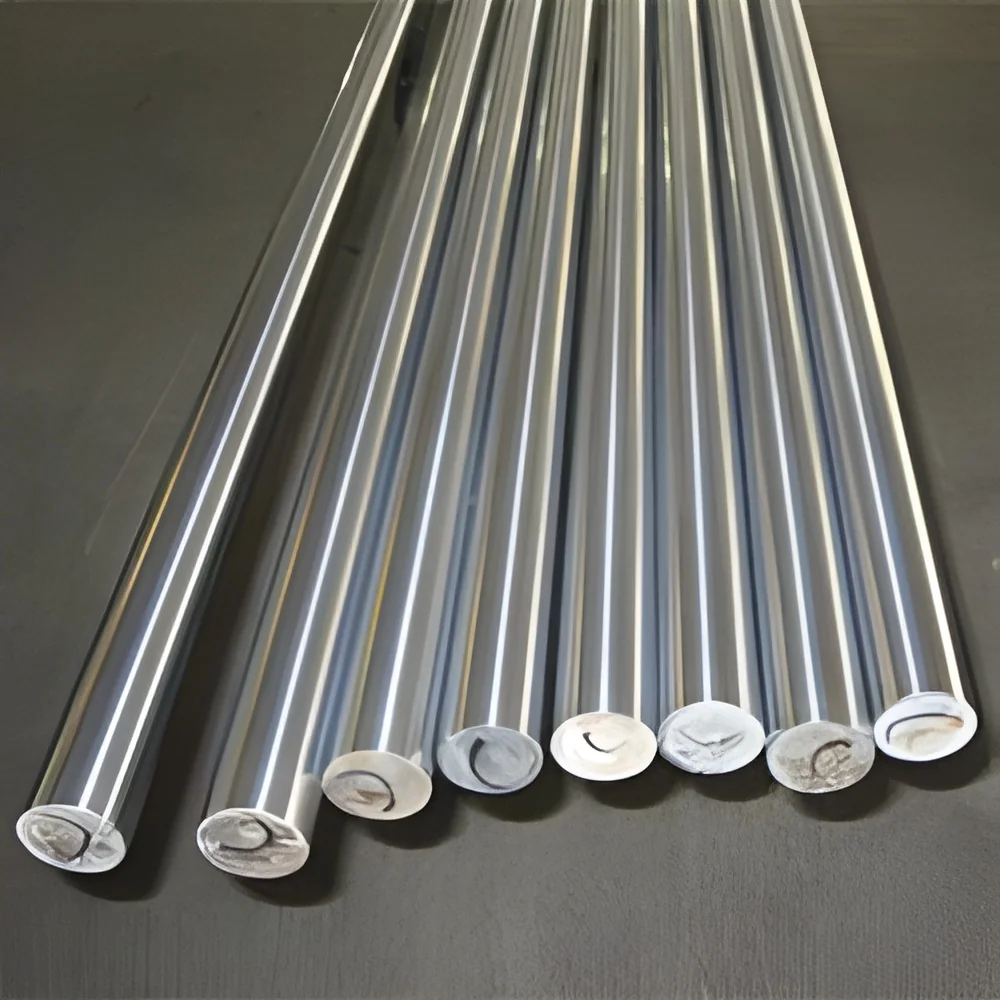
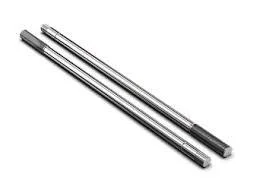
What are Tie Rods?
Tie rods are essential components used in various mechanical systems to provide support and stability. They are typically elongated rods that connect different parts of a structure or system, ensuring that forces are evenly distributed. These rods are often made from high-strength materials, designed to withstand tensile forces while maintaining structural integrity.
Tie rods find primary applications in industries such as construction, automotive, and aerospace. In construction, they are used to reinforce concrete structures, while in automotive applications, they play a critical role in steering mechanisms. The aerospace industry also employs tie rods in aircraft structures for load-bearing purposes. The relevance of tie rods in these industries is underscored by their ability to enhance safety and reliability, making them indispensable in modern engineering.
Key Features and Specifications
Tie rods come with several key features that enhance their functionality and reliability. Understanding these specifications is crucial for selecting the right tie rod for specific applications.
Key specifications include:
1. Material Composition
- Typically made from high-strength steel or alloy steel
- Offers durability and resistance to deformation
2. Diameter
- Available in various diameters, usually ranging from 10 mm to 30 mm
- Size selection depends on the load requirements of the application
3. Length
- Customizable lengths ranging from 100 mm to over 2000 mm
- Ensures fit for specific structural needs
4. Load Capacity
- Rated load capacities can vary significantly, often between 500 kg to 5000 kg
- Selection based on the application’s load requirements
5. Thread Type
- Commonly available in both left-hand and right-hand threads
- Ensures compatibility with various fastening systems
6. Finish
- Options for different finishes, including zinc plating and powder coating
- Enhances corrosion resistance and durability
7. Certifications
- Compliance with industry standards such as CE certification
- Ensures reliability and safety in applications
8. Temperature Resistance
- Designed to function effectively in a range of temperatures
- Specific ranges not available, but should be considered based on application
Tie rods are engineered to meet stringent specifications, ensuring they perform effectively in demanding environments.
Common Applications and Use Cases
Tie rods serve a wide array of industries and applications, highlighting their versatility and importance.
1. Construction: In construction, tie rods are used to stabilize and support structures such as bridges and high-rise buildings, preventing any unwanted movement.
2. Automotive: Tie rods are critical in vehicle steering systems, connecting the steering rack to the wheels, ensuring precise steering control and stability.
3. Aerospace: The aerospace industry utilizes tie rods in aircraft for load-bearing applications, ensuring structural integrity during flight.
4. Manufacturing: In manufacturing settings, tie rods are used in machinery and equipment to maintain alignment and support heavy loads.
5. Marine: Tie rods are found in marine applications, providing structural support for ships and offshore platforms, ensuring safety and stability at sea.
6. Agricultural Equipment: Agricultural machinery employs tie rods to maintain the alignment of components, enabling efficient operation under heavy loads.
7. Railways: In railway systems, tie rods are used to secure track components, ensuring safety and stability for rail transport.
Product Variants and Subcategories
Tie rods come in various forms to cater to different industrial needs. Each variant is designed with specific features to enhance performance in its respective application.
Standard Tie Rods
These are the most commonly used tie rods, available in standard lengths and diameters. They are suitable for a wide range of applications, offering reliability and strength.
Heavy-Duty Tie Rods
Designed for high-load applications, heavy-duty tie rods feature enhanced material strength and larger diameters. They are ideal for construction and heavy machinery applications.
Adjustable Tie Rods
These tie rods allow for length adjustments, making them suitable for applications where precise measurements are necessary. They are often used in machinery and equipment requiring frequent modifications.
Benefits and Advantages
Tie rods offer several advantages that make them vital in various applications.
1. Structural Integrity: Tie rods help maintain the structural integrity of buildings and machinery, ensuring safety and longevity.
2. Load Distribution: They effectively distribute loads across different parts of a structure, reducing the risk of failure.
3. Versatility: With various sizes and configurations available, tie rods can be used in diverse applications across multiple industries.
4. Customization: Many suppliers offer customization options, allowing businesses to find tie rods that meet their specific needs.
5. Cost-Effectiveness: By providing reliable support and stability, tie rods can reduce maintenance costs and downtime in machinery and structures.
6. Easy Installation: Tie rods are designed for straightforward installation, minimizing labor costs and time.
Buying Guide for B2B Buyers
When sourcing tie rods, it is essential to consider several key factors to ensure you make an informed decision.
1. Quality Assessment: Evaluate the material quality and manufacturing processes to ensure that the tie rods meet industry standards and requirements.
2. Supplier Verification: Vet suppliers thoroughly to confirm their reliability and reputation in the market. Look for testimonials and reviews from previous clients.
3. Pricing and MOQ: Understand the pricing structure and minimum order quantities (MOQ) required by suppliers. This will help you budget effectively and negotiate better terms.
4. Delivery and Lead Times: Consider the logistics involved in the procurement process. Ensure that suppliers can meet your required delivery timelines to avoid project delays.
5. Compliance Requirements: Be aware of any regulatory compliance needed for your industry. Ensure that the tie rods sourced meet the necessary certifications and standards.
Compliance and Certifications
Tie rods must adhere to various quality standards and certifications to ensure their reliability and safety. One of the most recognized standards is ISO 9001, which outlines requirements for quality management systems. This certification ensures that manufacturers consistently provide products that meet customer and regulatory requirements.
In addition to ISO standards, tie rods may also carry CE certification, indicating compliance with European safety standards. This certification is critical for products sold in the European market, ensuring they meet necessary safety and performance criteria.
Furthermore, tie rods must pass various safety and testing requirements relevant to their industry applications. This includes load testing and structural integrity assessments to verify that they can withstand operational stresses.
Regional compliance considerations may also apply, depending on the geographic market. Manufacturers need to ensure that their products comply with local regulations and standards in different regions.
Why Source Tie Rods from Pepagora?
Pepagora provides a trusted platform for sourcing tie rods, offering several key advantages that benefit B2B buyers.
Verified Supplier Network: Pepagora has established a network of verified suppliers, ensuring that buyers can access quality products from reputable manufacturers. This verification process helps mitigate risks associated with sourcing.
Streamlined RFQ Process: The platform features a streamlined Request for Quotation (RFQ) process, allowing buyers to easily request quotes from multiple suppliers. This efficiency simplifies the procurement process and ensures competitive pricing.
Trade Assurance and Support: Pepagora offers trade assurance, providing buyers with protection against potential issues during transactions. This support helps build trust and confidence in the purchasing process.
Regional Coverage: With a focus on markets such as India, the Gulf Cooperation Council (GCC), and Southeast Asia, Pepagora serves a wide geographic area. This regional coverage ensures that buyers can find suitable tie rod solutions regardless of their location.

 IN
IN