
 IN
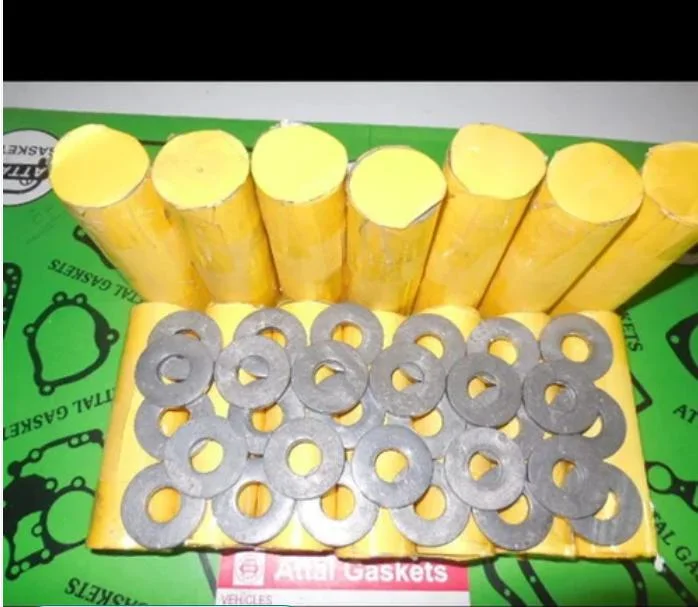
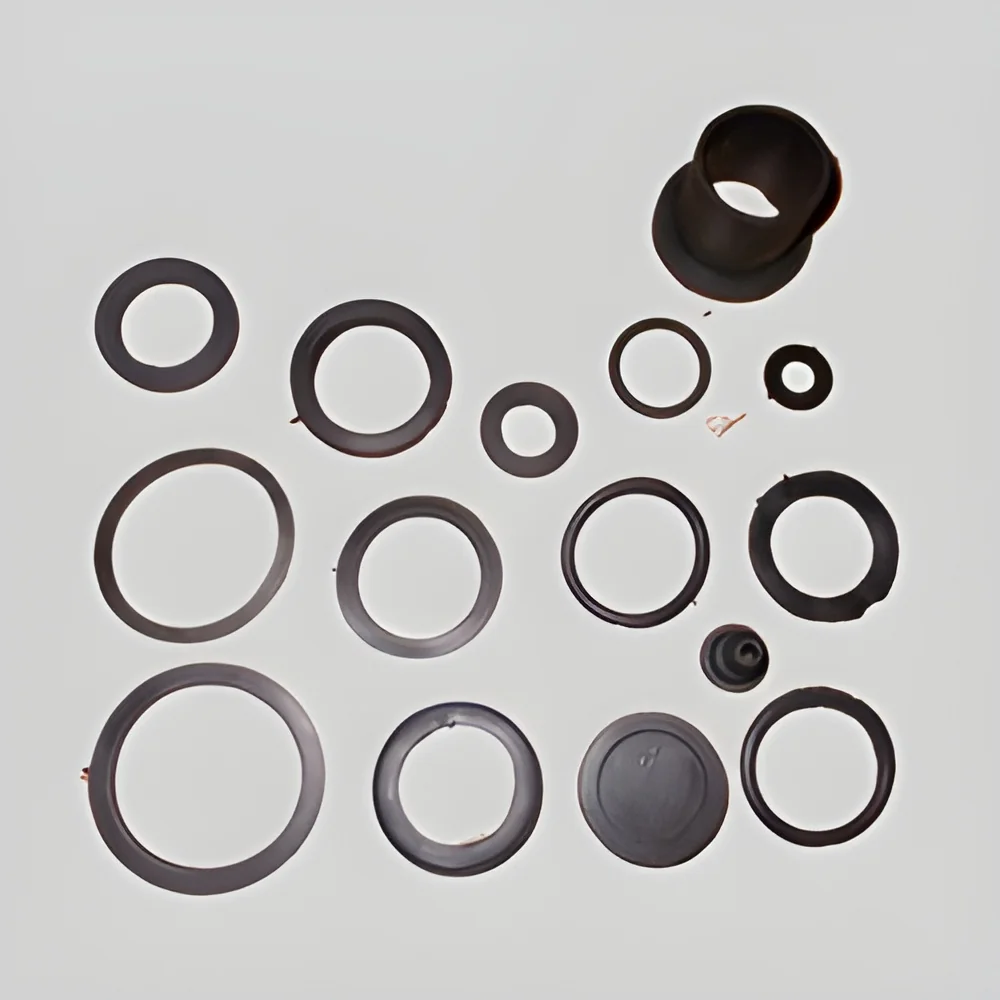
Sealing Washers
17 products available
What are Sealing Washers?
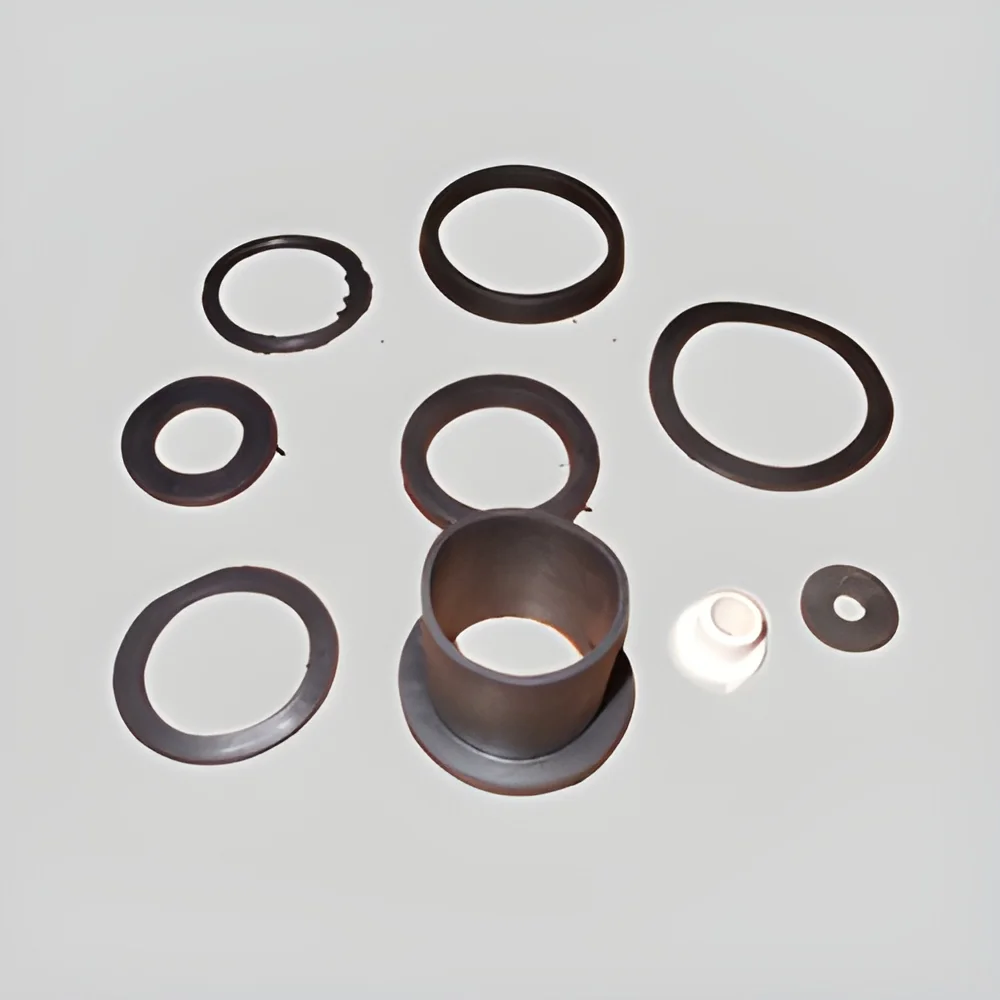
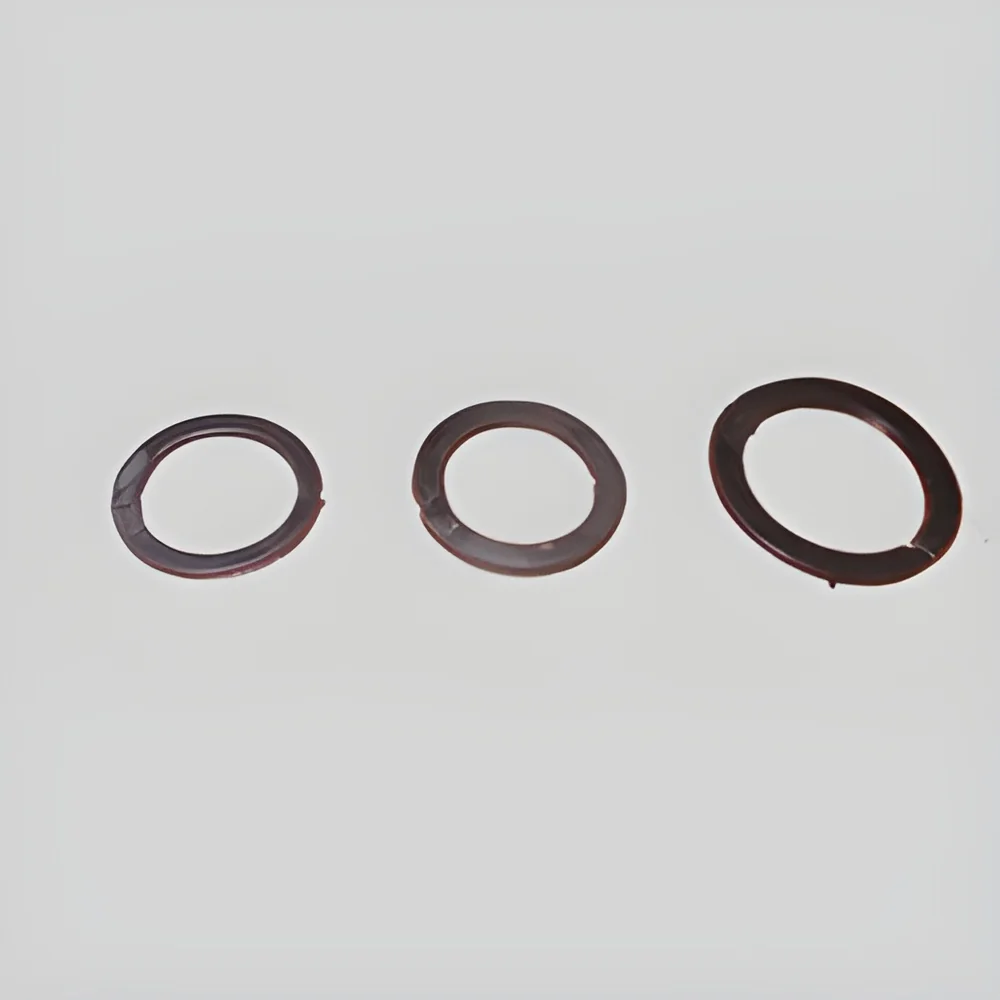
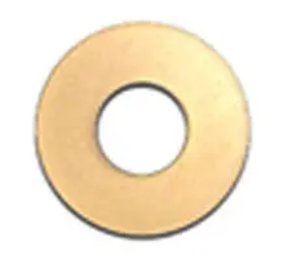
Sealing washers are specialized components designed to create a watertight or airtight seal between two surfaces. Typically made from materials such as rubber, plastic, or metal, these washers serve as a barrier that prevents the ingress of fluids, gases, or contaminants. They are often used in conjunction with bolts, screws, and other fasteners to ensure a tight fit and reliable sealing capability. Their design may include features that accommodate different pressure levels and environmental conditions.
These washers find primary applications in various industries, including automotive, aerospace, construction, and manufacturing. In automotive applications, they are used to seal engine components, fuel systems, and hydraulic connections. In construction, sealing washers are essential for roofing, plumbing, and HVAC systems where water and air tightness are critical. The relevance of sealing washers extends across many sectors due to their crucial role in maintaining the integrity of systems and preventing leaks, thereby enhancing safety and efficiency.
Key Features and Specifications
Sealing washers are characterized by several key features that define their performance and suitability for specific applications. Understanding these specifications is vital for selecting the right sealing washer for your needs.
Key specifications include:
1. Material Composition
- Common materials include rubber, neoprene, silicone, and metal
- Each material offers different levels of flexibility, durability, and resistance to environmental factors
2. Inner and Outer Diameter
- Sizes vary to fit different bolt or screw dimensions
- Custom sizes may be available to meet specific application requirements
3. Thickness
- Available in various thicknesses to accommodate different sealing needs
- Thickness affects compressibility and sealing effectiveness
4. Temperature Resistance
- Capable of withstanding various temperature ranges depending on material
- Critical for applications exposed to extreme heat or cold
5. Pressure Rating
- Rated to handle specific pressure levels in fluid or gas applications
- Important for ensuring safety and preventing leaks
6. Chemical Compatibility
- Resistant to specific chemicals based on material type
- Essential for applications in corrosive environments
7. Certifications
- Compliance with industry standards like CE
- Indicates reliability and safety in usage
Sealing washers are designed to meet diverse requirements, ensuring effective sealing across multiple applications.
Common Applications and Use Cases
Sealing washers are utilized in a broad array of industries, each with specific applications.
1. Automotive: Used in engines, fuel systems, and hydraulic systems to prevent leaks and ensure proper function. They are crucial for maintaining vehicle safety and performance.
2. Aerospace: Essential for sealing components in aircraft engines and fuel systems, helping to prevent failures that could compromise safety during flight.
3. Construction: Commonly applied in roofing systems, plumbing fittings, and HVAC installations to maintain watertight and airtight seals.
4. Manufacturing: Utilized in machinery and equipment to secure joints and prevent fluid loss during operations.
5. Oil and Gas: Critical in pipelines and drilling equipment, sealing washers help manage high-pressure environments and chemical exposure.
6. Electronics: Used in electronic enclosures to protect sensitive components from moisture and dust.
7. Marine: Employed in boats and ships to prevent water ingress in critical areas, enhancing longevity and performance.
Product Variants and Subcategories
Sealing washers come in various forms to cater to different needs and preferences within the market.
Rubber Sealing Washers
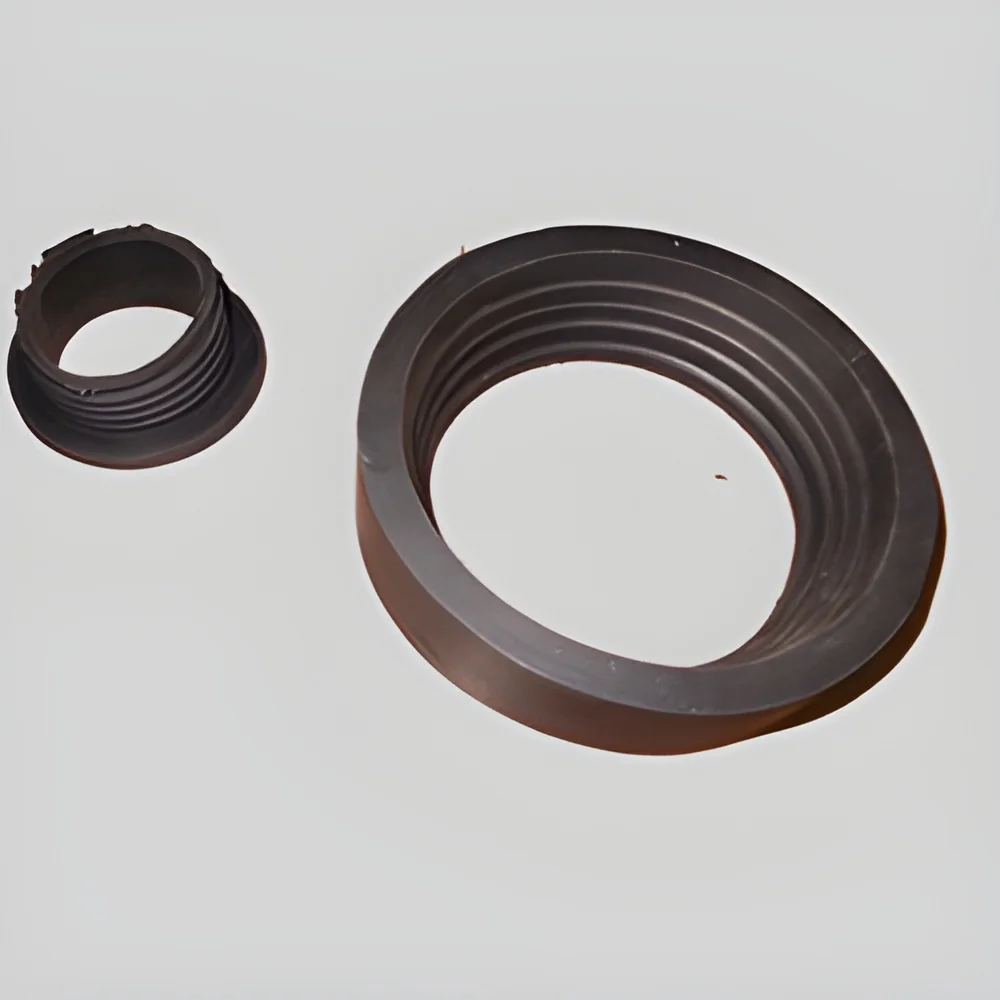
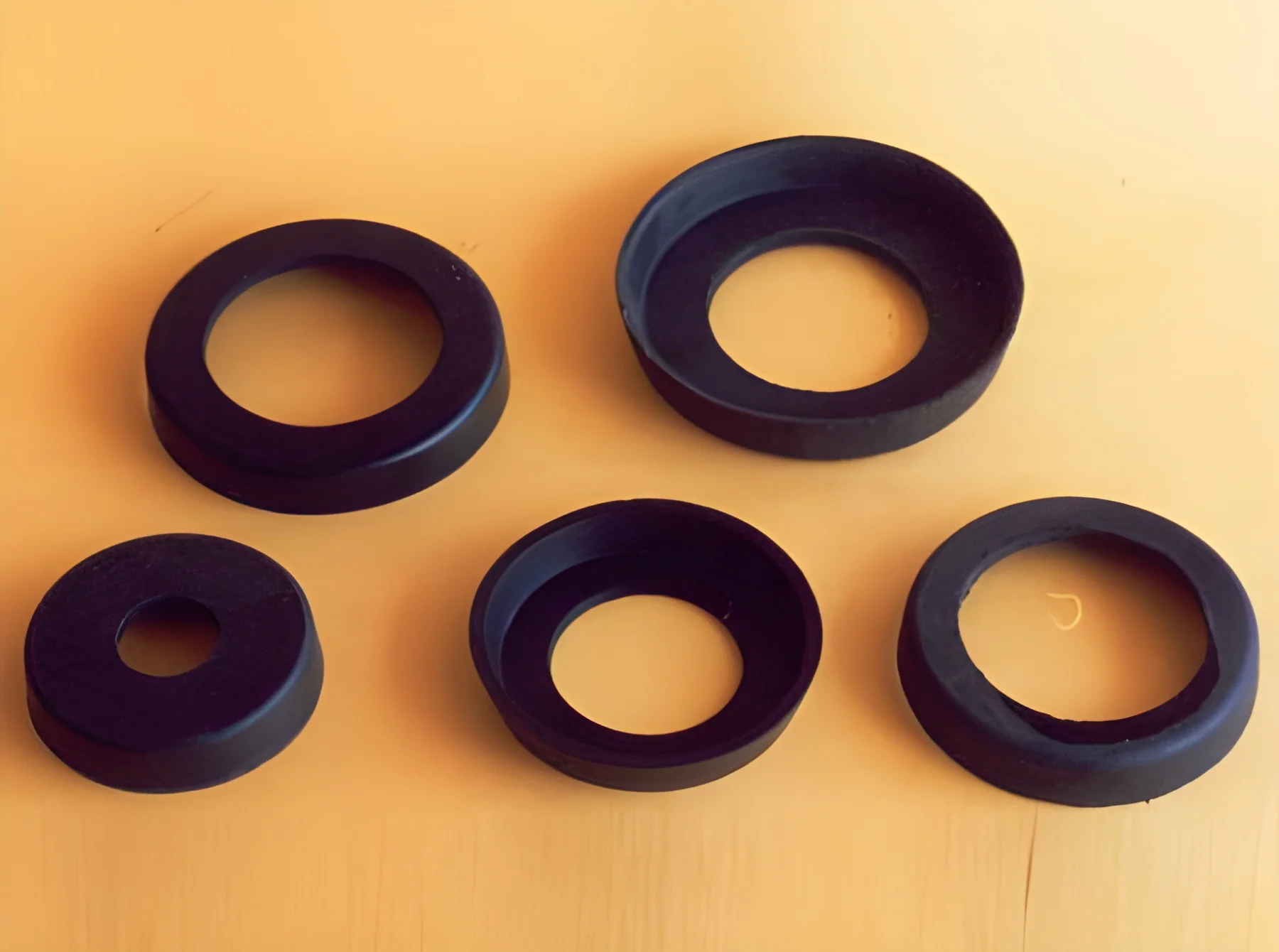
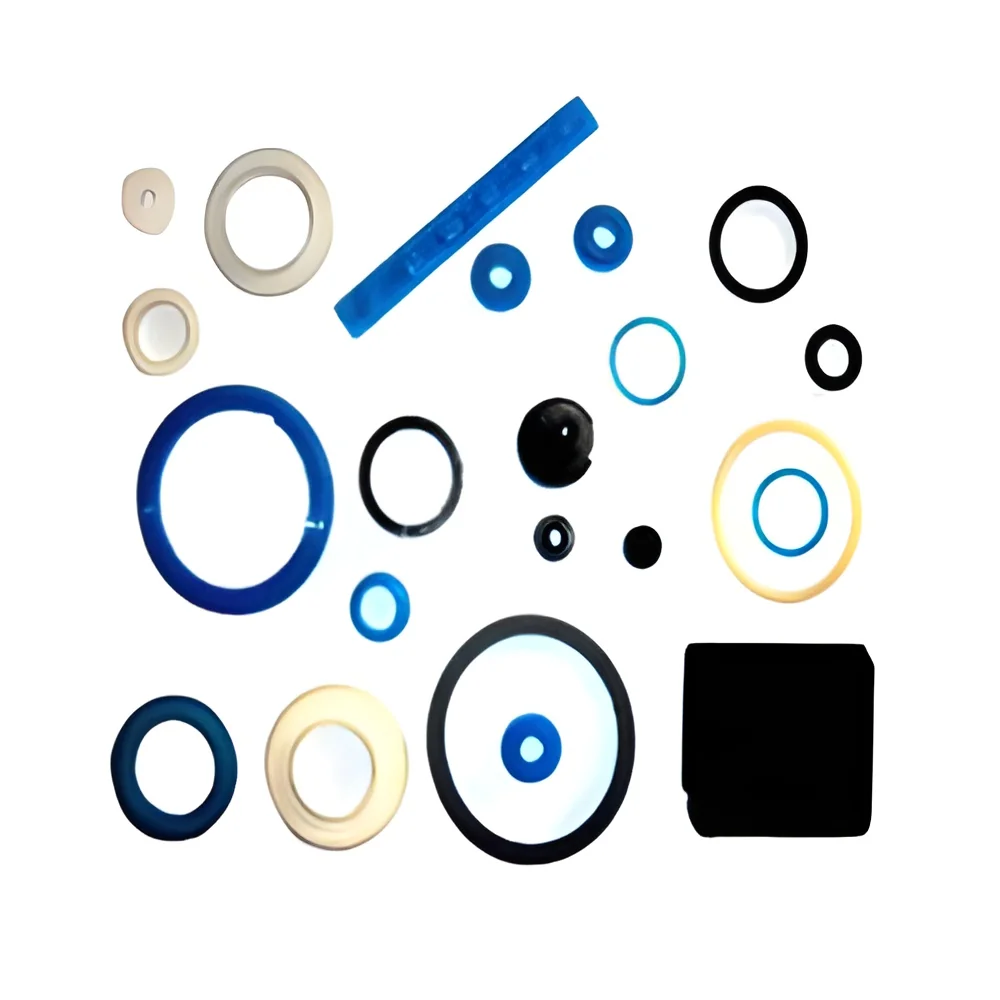
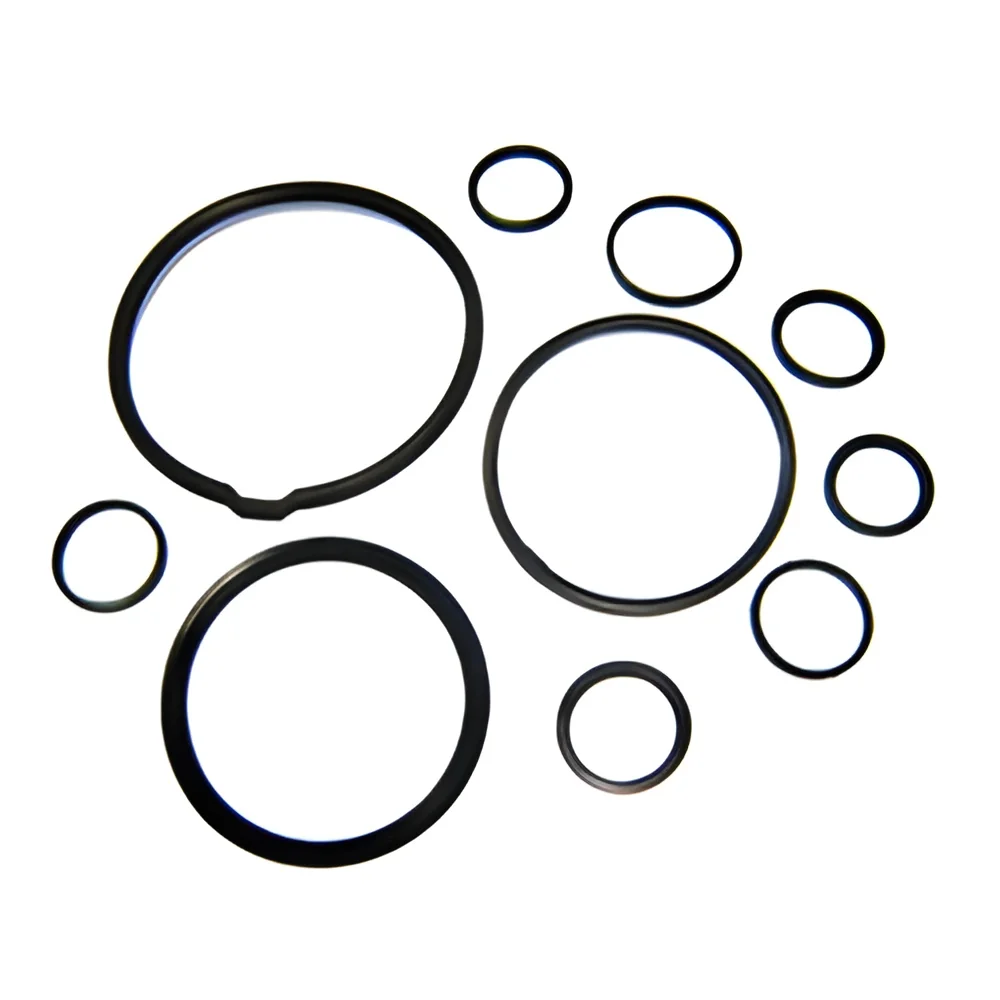
These washers are widely used due to their excellent flexibility and durability. They are ideal for applications that require a tight seal against fluids and are commonly found in plumbing and automotive industries.
Metal Sealing Washers
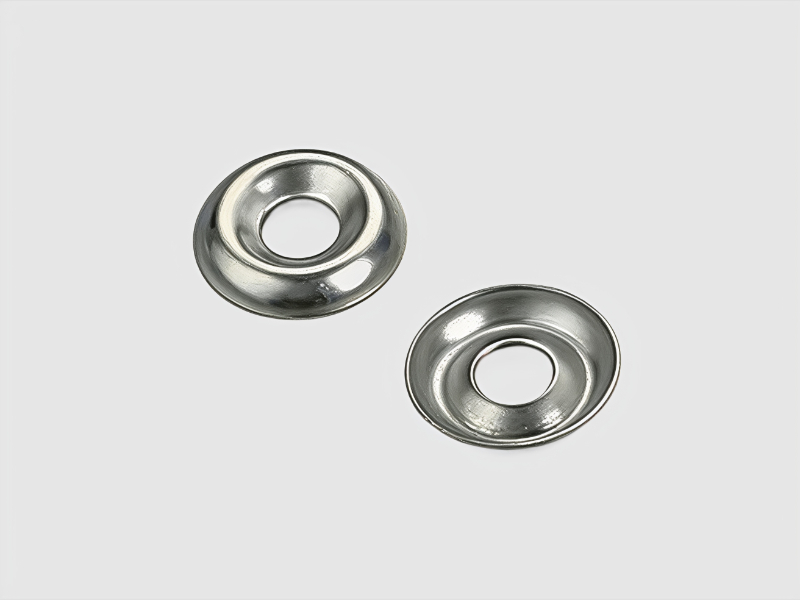
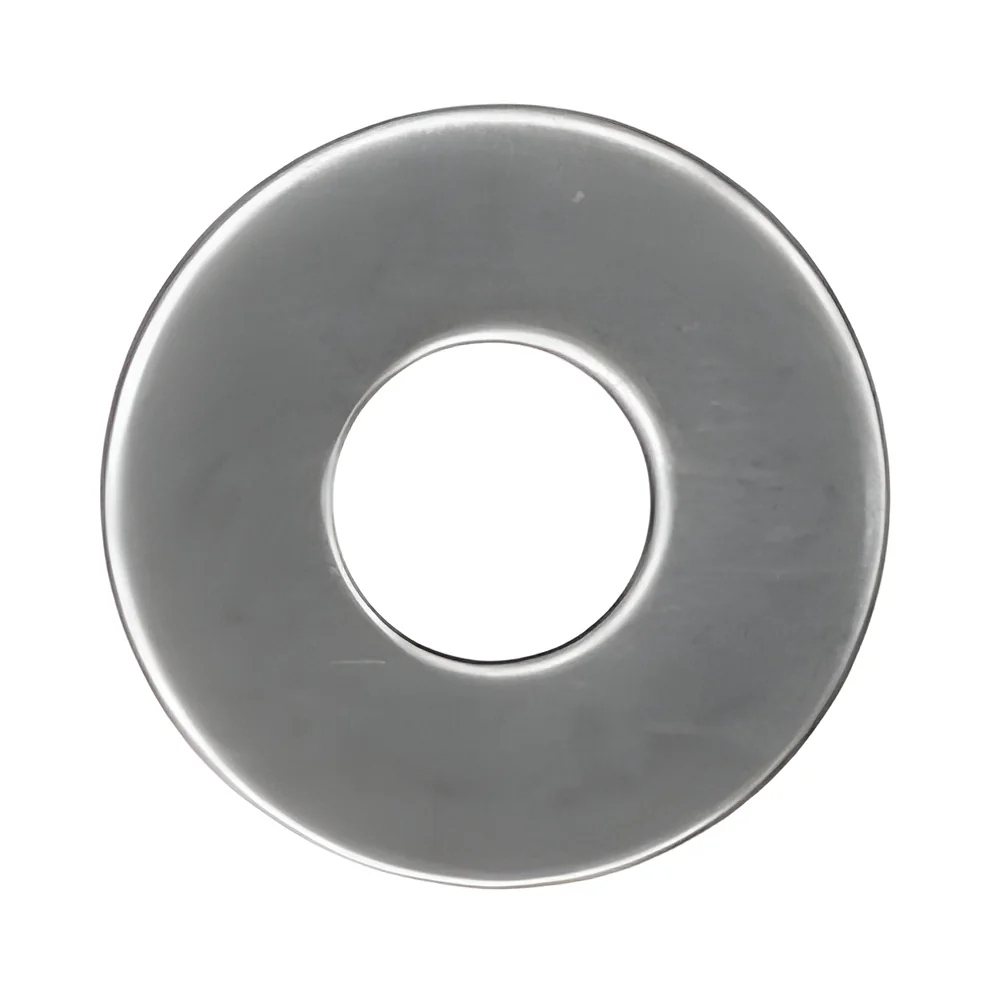
Constructed from materials like stainless steel or aluminum, these washers provide superior strength and are often used in high-pressure applications. They are suitable for environments that demand resistance to extreme temperatures and chemicals.
Plastic Sealing Washers
These washers offer lightweight solutions for sealing applications. They are resistant to corrosion and often used in electrical and electronic applications where non-conductivity is required.
Benefits and Advantages
Sealing washers provide numerous advantages that enhance their usability across various applications.
1. Leak Prevention: They effectively prevent the ingress of fluids and gases, ensuring system integrity and safety.
2. Durability: Made from robust materials, sealing washers can withstand harsh environmental conditions, extending the lifespan of the components they protect.
3. Versatility: Available in different materials and sizes, they can be customized for a wide range of applications across industries.
4. Cost-Effective: By preventing leaks and potential failures, sealing washers help save costs related to repairs and maintenance.
5. Easy Installation: Sealing washers are simple to install, making them convenient for both manufacturers and maintenance personnel.
6. Compliance Assurance: Many sealing washers meet industry standards, ensuring reliability and safety in critical applications.
Buying Guide for B2B Buyers
When sourcing sealing washers, it is essential to consider several key factors to ensure you make informed purchasing decisions.
1. Quality Assessment: Look for washers that comply with relevant industry standards. Check for certifications and conduct material tests to ensure longevity and performance.
2. Supplier Verification: Vet suppliers by reviewing their track record and customer feedback. Ensure they provide quality assurance and have a robust sourcing process.
3. Pricing and MOQ: Evaluate pricing in relation to quality and performance. Consider the minimum order quantity (MOQ) that aligns with your project needs.
4. Delivery and Lead Times: Assess the supplier's ability to meet your timeline requirements. Reliable logistics can significantly impact project schedules.
5. Compliance Requirements: Ensure that the sealing washers meet the necessary regional and industry-specific compliance standards to avoid legal and operational issues.
Compliance and Certifications
Sealing washers are subject to various quality standards and compliance requirements to ensure safety and reliability. Adhering to standards such as ISO 9001 guarantees that manufacturers maintain quality control processes throughout production.
Industry certifications, including CE, indicate that sealing washers meet specific safety and performance benchmarks, making them suitable for various applications. Safety and testing requirements often involve evaluations for durability, pressure resistance, and chemical compatibility.
Regional compliance considerations may vary, so it is crucial to understand local regulations that affect the use of sealing washers in specific industries. Keeping abreast of these requirements helps businesses avoid complications and ensures that products are fit for purpose.
Why Source Sealing Washers from Pepagora?
Pepagora offers an effective platform for sourcing sealing washers, providing several key advantages to B2B buyers.
Verified Supplier Network: Pepagora conducts thorough vetting of suppliers, ensuring that buyers have access to reliable and reputable sources. This network provides a level of assurance regarding product quality and supplier integrity.
Streamlined RFQ Process: The request for quotation (RFQ) system simplifies the procurement process, allowing buyers to easily compare prices and terms from multiple suppliers. This efficiency saves time and facilitates informed decision-making.
Trade Assurance and Support: By offering trade assurance, Pepagora protects buyers against potential risks during transactions. This support fosters trust and security in the sourcing process.
Regional Coverage: With a strong presence in markets such as India, the GCC, and Southeast Asia, Pepagora provides buyers with access to a diverse range of sealing washers tailored to various industry needs. This broad geographic reach ensures that businesses can find suitable solutions for their specific applications.




Frequently Asked Questions
What are Sealing Washers?
Sealing washers are mechanical components used to prevent the leakage of fluids or gases in various applications. They are typically made from materials such as rubber, silicone, or metal and are designed to create a secure seal between two surfaces.
What are the different types of Sealing Washers?
There are several types of sealing washers, including flat washers, O-ring washers, and bonded sealing washers. Each type is designed for specific applications and offers varying levels of sealing effectiveness depending on the material and design.
How do I choose the right Sealing Washers?
Choosing the right sealing washers involves considering factors such as the application, temperature range, pressure conditions, and the materials of the surfaces being sealed. It is essential to match the washer type and material to the specific requirements of your project.
What are the standard specifications for Sealing Washers?
Standard specifications for sealing washers include dimensions such as inner and outer diameter, thickness, and material properties. Additional specifications may include hardness, temperature resistance, and chemical compatibility, depending on the intended use.
What is the price range for Sealing Washers?
The price range for sealing washers can vary widely based on factors such as material, size, and quantity. Generally, you can expect prices to range from a few cents for standard washers to several dollars for specialized or custom options.
What quality standards apply to Sealing Washers?
Sealing washers may be governed by various quality standards, including ISO, ASTM, and DIN specifications. These standards ensure that the washers meet specific performance and safety criteria suitable for their intended applications.
Where can I find Sealing Washers suppliers in India?
You can find sealing washers suppliers in India through online B2B marketplaces like Pepagora, trade shows, and industrial supply companies. It is advisable to check supplier credentials and customer reviews to ensure quality and reliability.
Can Sealing Washers be customized?
Yes, sealing washers can often be customized to meet specific requirements, including size, material, and design features. Customization is particularly useful for specialized applications that require unique sealing solutions.
What is the typical minimum order quantity for Sealing Washers?
The typical minimum order quantity (MOQ) for sealing washers can vary by supplier and product type. Generally, MOQs can range from 100 pieces to several thousand, depending on the manufacturer's capabilities and the complexity of the order.
What is the typical lead time for Sealing Washers?
The typical lead time for sealing washers can vary based on factors such as order size, customization, and supplier location. Generally, standard products may have a lead time of 1 to 4 weeks, while customized orders may take longer.
Why Businesses Trust Pepagora
Thousands of companies trust Pepagora to source smarter and sell faster
Expand Your Sales Globally

Source Smarter,Grow Faster
