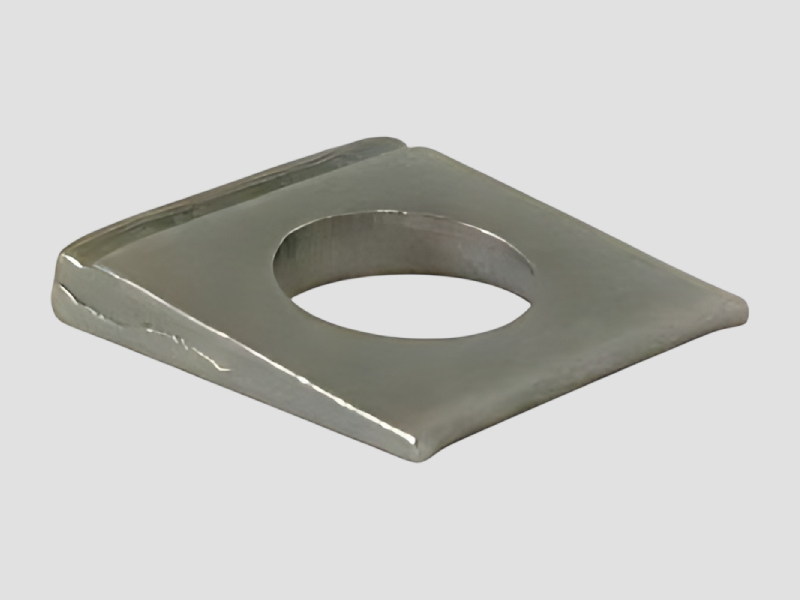
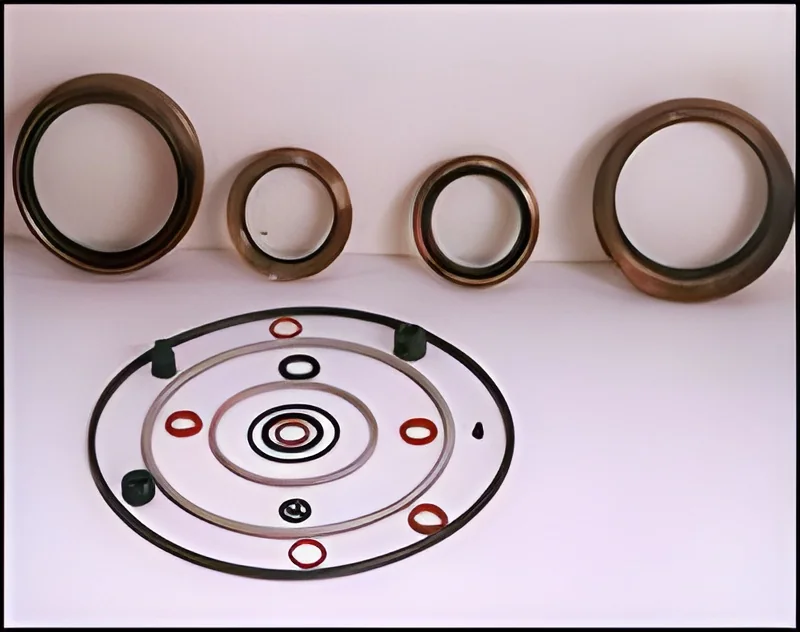
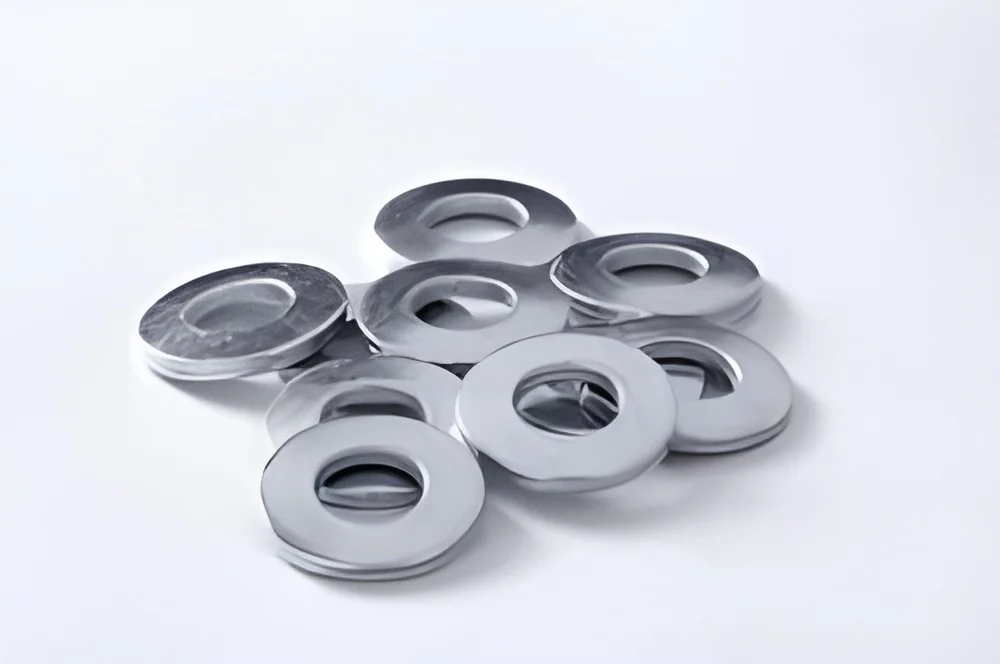
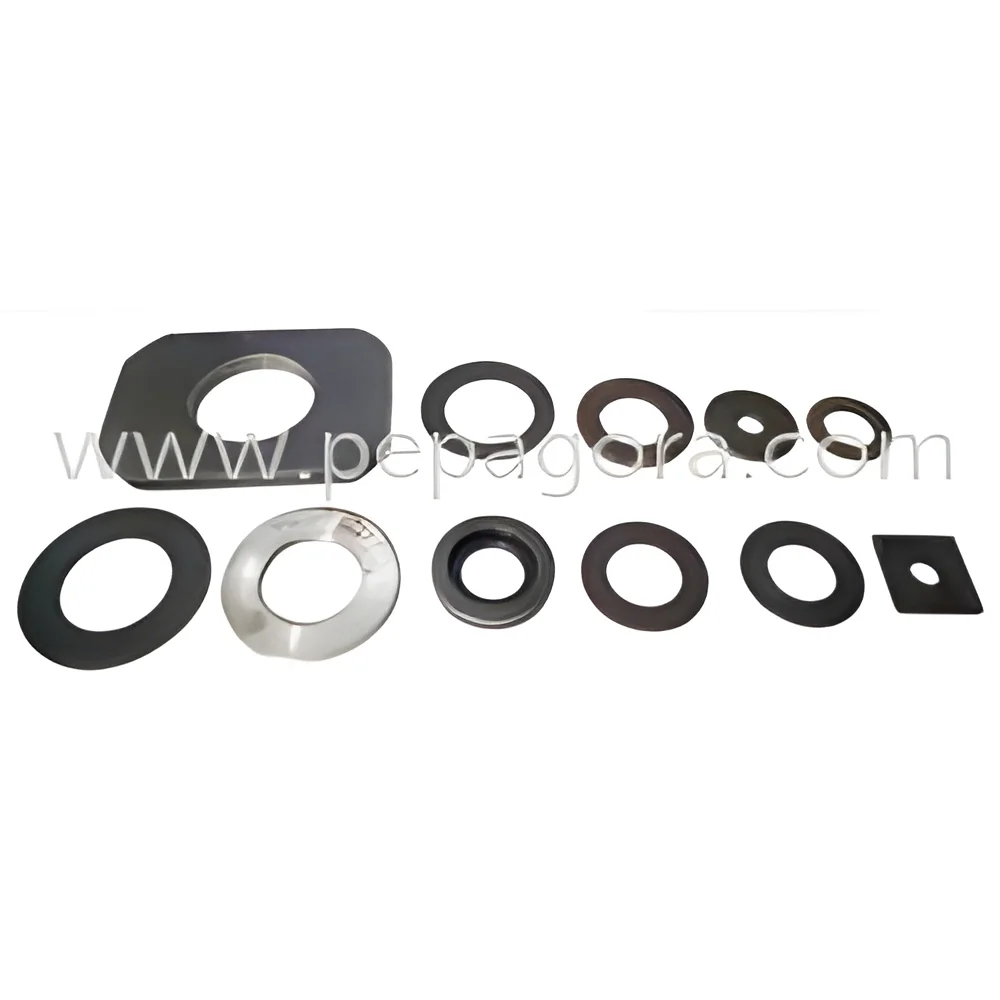
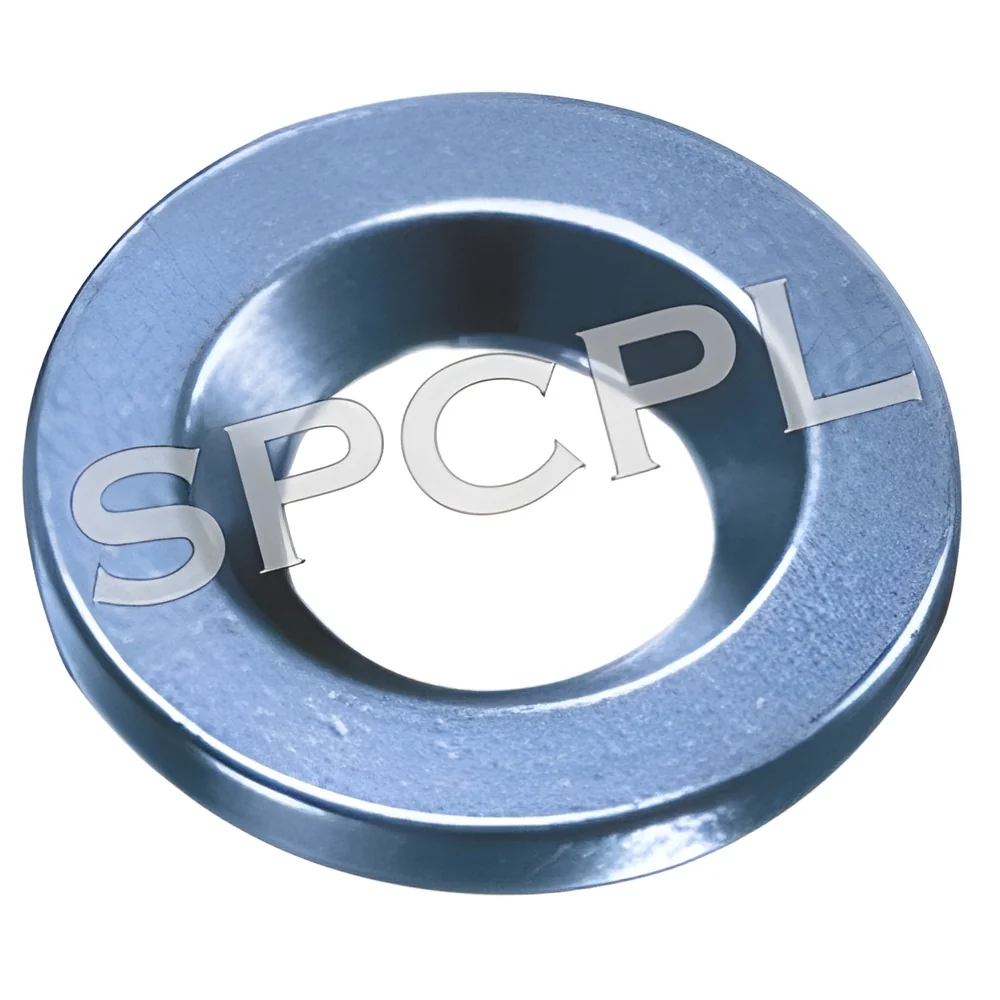
What are Flat Washers?
Flat washers are thin, flat discs with a hole in the center that are used to distribute the load of a threaded fastener such as a bolt or nut. They are typically placed between the fastener and the surface being fastened to prevent damage and ensure a secure fit. Flat washers help to provide a larger surface area for the fastener, which can help reduce the risk of loosening due to vibration or other external forces.
These components are essential in a variety of applications, including construction, automotive, and manufacturing. In these sectors, flat washers serve to enhance the durability and reliability of assemblies, making them vital for both safety and performance. The use of flat washers can also help to prevent corrosion and wear on surfaces, thereby extending the lifespan of both the fasteners and the materials they are securing.
In an increasingly competitive market, flat washers remain a crucial component in many industries, reflecting their ongoing relevance. As manufacturers seek to optimize their production processes, the demand for high-quality flat washers continues to grow, highlighting their importance in the supply chain.
Key Features and Specifications
Flat washers come with essential features that cater to various industrial applications. Understanding these specifications is crucial for selecting the right type for your needs.
Key specifications include:
1. Material Composition
- Flat washers can be made from various materials, including steel, stainless steel, plastic, and rubber.
- Each material offers different benefits such as corrosion resistance, flexibility, and strength.
2. Size and Thickness
- Available in a range of diameters and thicknesses to suit different applications.
- Common sizes can range from small (e.g., 1/8 inch) to large (e.g., 6 inches) in diameter.
3. Load Bearing Capacity
- Designed to withstand a specific amount of load based on material and thickness.
- Important to match washer specifications to the load requirements of the application.
4. Surface Finish
- Can come with various finishes, including plain, galvanized, or coated.
- Surface treatments can improve corrosion resistance and aesthetic appeal.
5. Compliance with Standards
- Many flat washers adhere to industry standards, which may include ISO and CE certifications.
- Ensures that the washers meet specific quality and safety criteria.
6. Temperature Resistance
- Some flat washers are designed to operate in high-temperature environments.
- Important to consider the operating conditions when selecting materials.
7. Customization Options
- Available in custom sizes and shapes for specialized applications.
- Customization can enhance performance in unique environments.
These specifications play a crucial role in determining the right flat washer for specific applications. Selecting the appropriate washer helps ensure optimal performance and longevity.
Common Applications and Use Cases
Flat washers serve various industries, each with unique requirements and applications.
1. Construction: In construction, flat washers are used to secure beams and structural components, ensuring stability and safety in buildings and other structures.
2. Automotive: In the automotive sector, flat washers are critical for securing components in engines, suspensions, and chassis, helping to prevent loosening due to vibrations.
3. Manufacturing: In manufacturing, flat washers play a role in assembly lines, aiding in the fastening of parts and components across various machinery and equipment.
4. Aerospace: In aerospace applications, flat washers are used to ensure reliable fastening in aircraft structures, where safety and performance are paramount.
5. Electronics: In electronics manufacturing, flat washers can be used to prevent damage to circuit boards by distributing the load of screws and connectors.
6. Plumbing: In plumbing applications, flat washers are essential for sealing connections and preventing leaks in pipes and fixtures.
7. Marine: Flat washers are used in marine environments to secure hardware and prevent corrosion in saltwater conditions.
Product Variants and Subcategories
Flat washers come in various forms to cater to specific industrial needs.
Standard Flat Washers
These are the most commonly used flat washers, available in multiple sizes and materials. They are designed for general-purpose applications, providing reliable load distribution.
Lock Washers
Lock washers are designed to prevent loosening when subjected to vibrations. They are particularly useful in applications where movement may cause standard washers to fail.
Fender Washers
Fender washers have a larger outer diameter, providing an increased surface area to distribute the load over a larger area. This makes them ideal for use with thin materials.
Countersunk Washers
Countersunk washers have a beveled edge, allowing them to sit flush with the surface. They are often used in applications where aesthetics are important.
Benefits and Advantages
Flat washers offer numerous benefits that enhance their value in various applications.
1. Load Distribution: Flat washers help distribute the load of a fastener over a larger area, reducing the risk of damage to the surface material.
2. Vibration Resistance: They help to maintain the integrity of fastened connections by preventing loosening due to vibrations in dynamic environments.
3. Surface Protection: Flat washers protect the surfaces of materials from wear and tear caused by fasteners, extending the life of both the fastener and the material.
4. Corrosion Resistance: Depending on the material, flat washers can offer resistance to corrosion, which is critical in harsh environments.
5. Versatility: Flat washers can be used across a wide range of industries and applications, making them a universal solution for many fastening needs.
6. Cost-Effectiveness: They provide a low-cost solution for enhancing the performance and longevity of fastened joints, contributing to overall project savings.
Buying Guide for B2B Buyers
When sourcing flat washers, several factors should be considered to ensure the right choice for your business needs.
1. Quality Assessment: Evaluate the quality of flat washers based on material composition, manufacturing processes, and adherence to industry standards.
2. Supplier Verification: Vet potential suppliers by checking their certifications, customer reviews, and track record in the industry to ensure reliability.
3. Pricing and MOQ: Understand the pricing structure and minimum order quantities to make informed purchasing decisions that align with your budget.
4. Delivery and Lead Times: Consider the logistics of sourcing, including delivery times, to ensure that your supply chain remains uninterrupted.
5. Compliance Requirements: Ensure that the flat washers meet local and international regulatory standards, such as CE certification, to avoid compliance issues.
Compliance and Certifications
Flat washers must adhere to various quality standards and certifications to ensure their reliability and safety in industrial applications.
ISO 9001 is a critical quality management standard that many manufacturers follow to demonstrate their commitment to quality and continuous improvement.
CE certification indicates that the flat washers meet European safety, health, and environmental protection requirements. This certification is crucial for products sold within the European market.
Safety and testing requirements are also important, as flat washers must be tested for their load-bearing capacity and durability under different conditions to ensure they perform as expected.
Regional compliance considerations should not be overlooked, as different regions may have specific regulations that apply to the manufacturing and use of flat washers.
Why Source Flat Washers from Pepagora?
Pepagora provides a trusted platform for sourcing flat washers, offering several key advantages for B2B buyers.
Verified Supplier Network: Pepagora has established a network of verified suppliers, ensuring that buyers can access high-quality flat washers from reputable sources. This network helps to mitigate risks associated with supplier reliability.
Streamlined RFQ Process: The platform offers a streamlined request for quotation (RFQ) process, allowing buyers to efficiently compare prices and specifications from different suppliers. This feature simplifies procurement and saves valuable time.
Trade Assurance and Support: Pepagora provides trade assurance and buyer protection, giving buyers peace of mind in their transactions. The platform supports users throughout the purchasing process, ensuring a smooth experience.
Regional Coverage: With a wide geographic reach across India, the GCC, and Southeast Asia, Pepagora connects buyers with suppliers in various regions, facilitating international trade and collaboration.
By choosing Pepagora for flat washers, businesses can benefit from quality assurance, competitive pricing, and a robust support system.

 IN
IN