IN
IN₹
Apparel & Fashion
Loading subcategories...
View More
Description
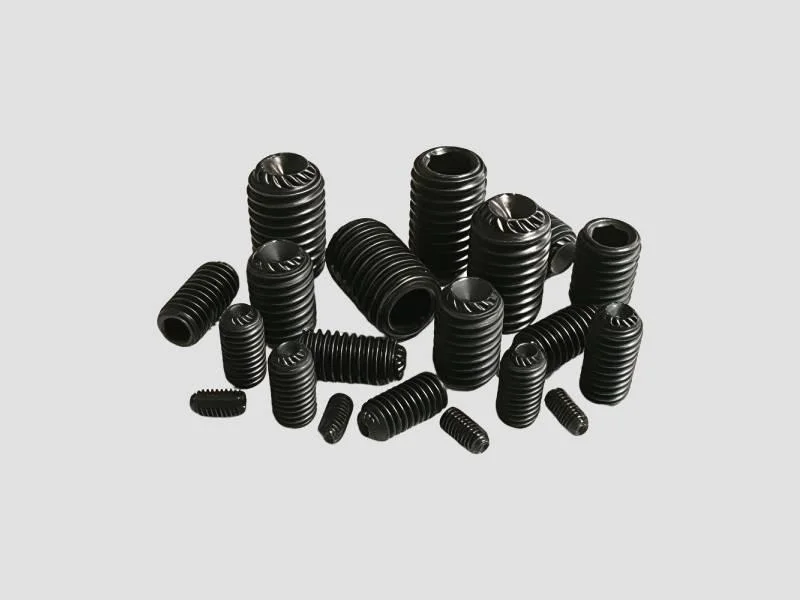
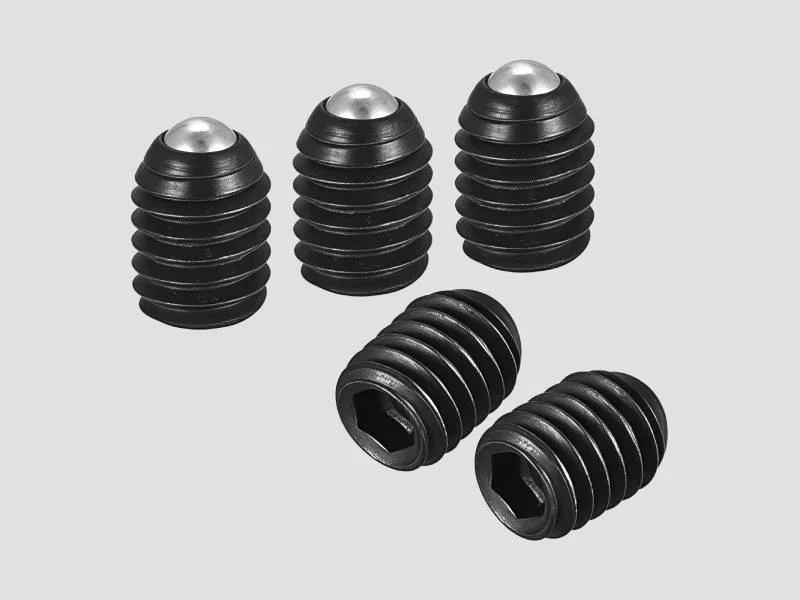
Ball Grub Screws represent a specialized category of set screws designed for applications where standard fasteners would cause damage or fail to provide the necessary precision. These headless fasteners feature a unique ball point—either fixed or spring-loaded—that distributes pressure evenly and prevents indentation on contacted surfaces. Manufactured in high-grade materials such as SS 304, SS 316, and Alloy Steel Grade 12.9, they offer excellent mechanical properties including high hardness (45–53 HRC for alloy steel bodies, 55–60 HRC for balls) and temperature resistance up to 400°C for stainless variants. With thread types including Metric, UNC, UNF, and BSW, and lengths ranging from 4 mm to 50 mm, they provide a reliable solution for securing components in delicate and high-precision assemblies.

These screws find extensive usage across industries that demand accuracy, reliability, and surface protection. In the electronics and optics sector, they are employed for positioning sens...
Ball Grub Screws represent a specialized category of set screws designed for applications where standard fasteners would cause damage or fail to provide the necessary precision. These headless fasteners feature a unique ball point—either fixed or spring-loaded—that distributes pressure evenly and prevents indentation on contacted surfaces. Manufactured in high-grade materials such as SS 304, SS 316, and Alloy Steel Grade 12.9, they offer excellent mechanical properties including high hardness (45–53 HRC for alloy steel bodies, 55–60 HRC for balls) and temperature resistance up to 400°C for stainless variants. With thread types including Metric, UNC, UNF, and BSW, and lengths ranging from 4 mm to 50 mm, they provide a reliable solution for securing components in delicate and high-precision assemblies.

These screws find extensive usage across industries that demand accuracy, reliability, and surface protection. In the electronics and optics sector, they are employed for positioning sensitive components like lenses and sensors. The automotive and robotics industries utilize them in joints and linkages that require smooth, adjustable, and secure fastening. Machine tool manufacturers integrate ball grub screws into indexing and locking mechanisms where repeatability is crucial. The medical device field values them for their hygienic stainless-steel options and ability to apply controlled pressure without damaging sterile surfaces. Additionally, they are fundamental in manufacturing fixtures, jigs, and assembly tooling where components must be held securely without marring.

The business value of Ball Grub Screws lies in their ability to enhance product reliability, reduce assembly errors, and extend equipment lifespan by preventing surface damage. Their precision engineering ensures consistent performance, which minimizes downtime and maintenance costs in production environments. The availability in multiple material grades allows buyers to select the optimal combination of strength, corrosion resistance, and temperature tolerance for their specific application. This versatility, coupled with robust construction, makes them a cost-effective choice for serious buyers looking for durable, high-performance fastening solutions that meet stringent quality standards.

Key Features:
- Manufactured from high-grade materials including SS 304, SS 316, and Alloy Steel Grade 12.9 for strength and corrosion resistance.
- Features a ball point design, available in fixed or spring-loaded configurations, to prevent surface damage and ensure even pressure distribution.
- Available in multiple thread types (Metric, UNC, UNF, BSW) and a length range from 4 mm to 50 mm to suit various assembly requirements.
- Offers high hardness ratings: 45–53 HRC for alloy steel bodies and 55–60 HRC for the ball tip, ensuring durability and wear resistance.
- Stainless steel variants can withstand temperatures up to 400°C, making them suitable for high-temperature applications.

Benefits:
- Provides gentle, controlled clamping force that protects delicate surfaces from scratches, dents, and other damage during assembly and adjustment.
- Enables precise positioning and repeatable locking in mechanisms, improving the accuracy and reliability of equipment.
- The headless design allows for flush installation in confined spaces, contributing to compact and streamlined assemblies.
- Corrosion-resistant stainless steel options ensure long-term performance in harsh or hygienic environments, reducing maintenance needs.
- Versatile material and specification options allow for optimal selection based on specific application demands, ensuring cost-effectiveness and performance.
Specifications
| Attribute | Value |
|---|---|
| Material Grades | SS 304, SS 316, Alloy Steel Grade 12.9 |
| Ball Material | Hardened Steel / Stainless Steel |
| Thread Type | Metric / UNC / UNF / BSW |
| Length Range | 4 mm to 50 mm |
| Point Type | Ball Point (Fixed or Spring-Loaded) |
| Hardness (Body) | 45–53 HRC (for Alloy Steel) |
| Hardness (Ball) | 55–60 HRC |
| Temperature Range | Up to 400°C (for Stainless Steel variants) |
| Additional Information | |
|---|---|
| Country of Origin | India |
| Customisable | No |
Application
Ball Grub Screws, also known as Ball Point Set Screws, serve as essential components in assemblies where precise positioning and gentle clamping are critical. Their unique ball tip design prevents marring and surface damage, making them suitable for delicate mechanisms and fine adjustments. These fasteners are engineered to provide reliable, repeatable performance in dynamic environments where components require frequent repositioning or secure locking.
Available in multiple material grades including corrosion-resistant stainless steel and high-strength alloy steel, these screws offer versatility across different operational conditions. The spring-loaded ball point ensures consistent pressure application, which is vital for maintaining alignment and preventing slippage in precision equipment. Their headless design allows for flush mounting in tight spaces, contributing to cleaner and more compact assemblies.
- Precision instruments and optical devices for fine-tuning lenses, sensors, and dials without scratching surfaces.
- Automotive and robotics assemblies to secure movable joints and linkages requiring smooth, frequent adjustments.
- Machine tools and indexing equipment for accurate locking and detent mechanisms in manufacturing setups.
- Medical devices and laboratory equipment where hygienic stainless-steel construction and gentle pressure are mandatory.
- Jigs, fixtures, and production tooling to hold components in repeatable positions during machining or assembly processes.
Trade Details
| Available Stock | In Stock |
| Sample Availability | No |
Payment Terms
| Payment Terms |
|
Company Profile

Chennai Enterprises, Tamil Nadu
 Tamil Nadu, India
Tamil Nadu, India16 yrs
Manufacturer•Retailer
Turn Over
₹25 Lakhs – ₹1 Crore
Factory Details
Factory SizeBelow 1000 sqm
Precision Ball Grub Screws Spring Loaded Ball Tip SS 304 SS 316 Alloy Steel
Ball Grub Screws are precision headless fasteners with a spring-loaded ball tip, available in SS 304, SS 316, and Alloy Steel Grade 12.9 materials. Ideal for applications requiring smooth contact and controlled clamping force without surface damage.
Min. Order Quantity: 1
Shipping
Shipping fee and delivery date to be negotiated. Contact supplier now for more details.
Chennai Enterprises Tamil Nadu, India
Tamil Nadu, IndiaManufacturer