
 IN
Flange Bolts
7 products available
What are Flange Bolts?
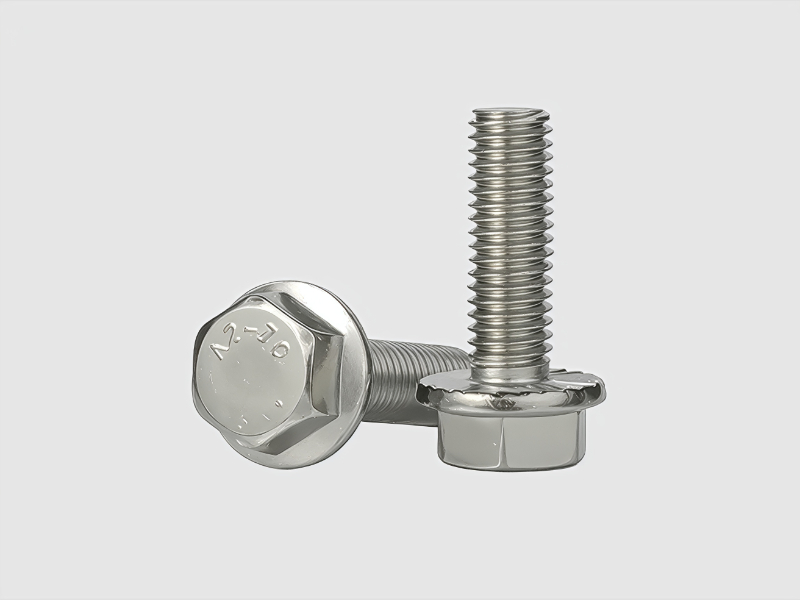
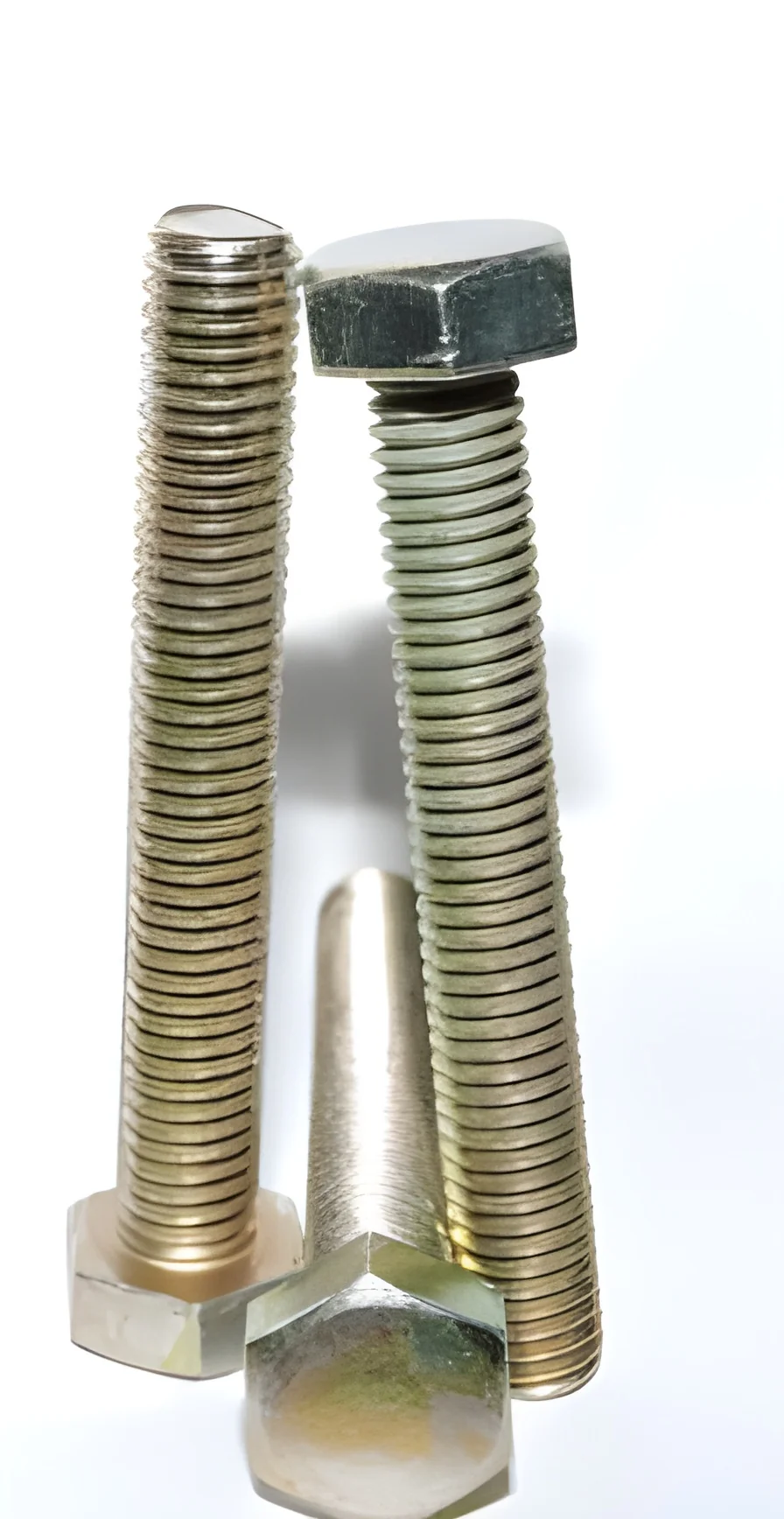
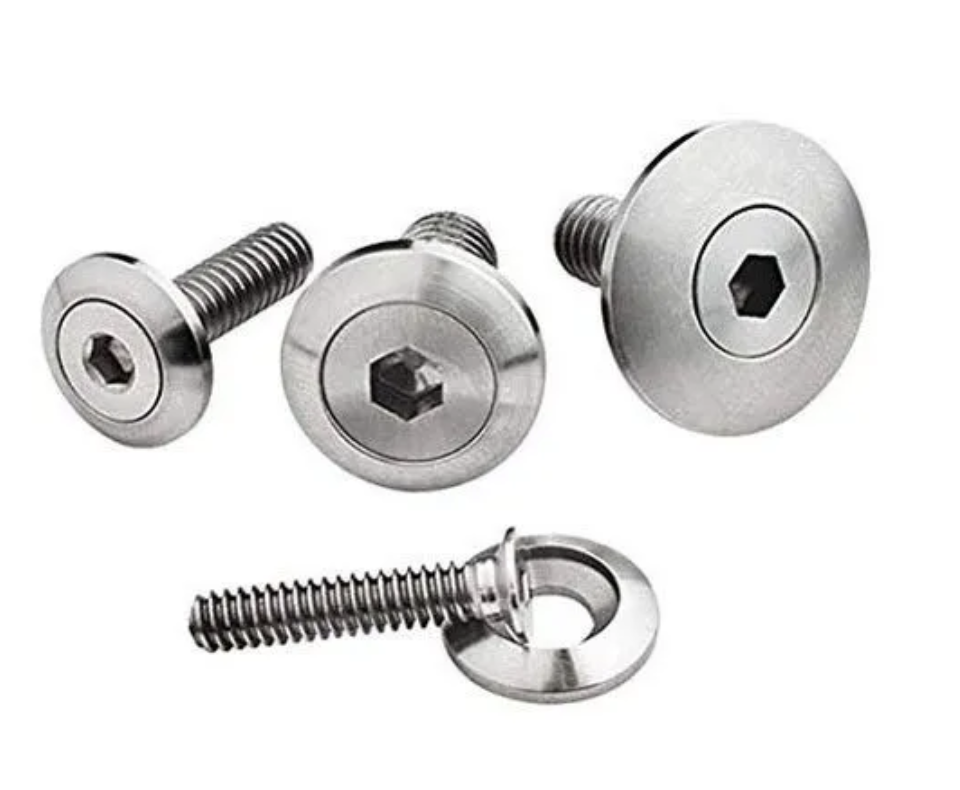
Flange bolts are specialized fasteners that feature a built-in flange or washer at the base of the head. This design provides a larger surface area for load distribution, which helps to reduce the risk of damage to the connected materials. Flange bolts are commonly used in various industrial applications due to their strength and reliability.
These fasteners are primarily employed in situations where a strong hold is needed, such as in construction, automotive, and machinery assembly. Industries often use flange bolts in critical applications like structural connections, where they must withstand significant stress and vibration. Their ability to secure components tightly makes them a crucial choice for many businesses.
In the current market, flange bolts are in high demand due to their versatility and effectiveness. As industries continue to advance technologically, the need for dependable fastening solutions like flange bolts is more pressing than ever. Companies looking for robust and efficient fastening methods often turn to these products to ensure the integrity of their projects.
Key Features and Specifications
Flange bolts come with several features that make them suitable for demanding applications. These features contribute to their performance and reliability in various environments.
Key specifications include:
1. Material
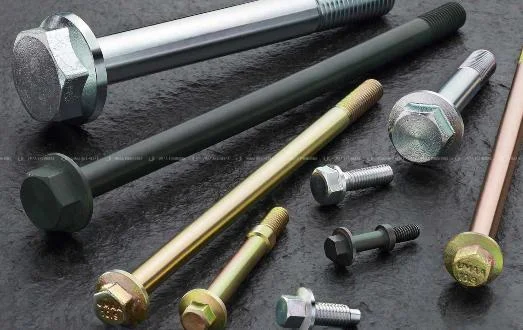
- Common materials include carbon steel, stainless steel, and alloy steel.
- Specific grades may be used depending on corrosion resistance and strength requirements.
2. Coating
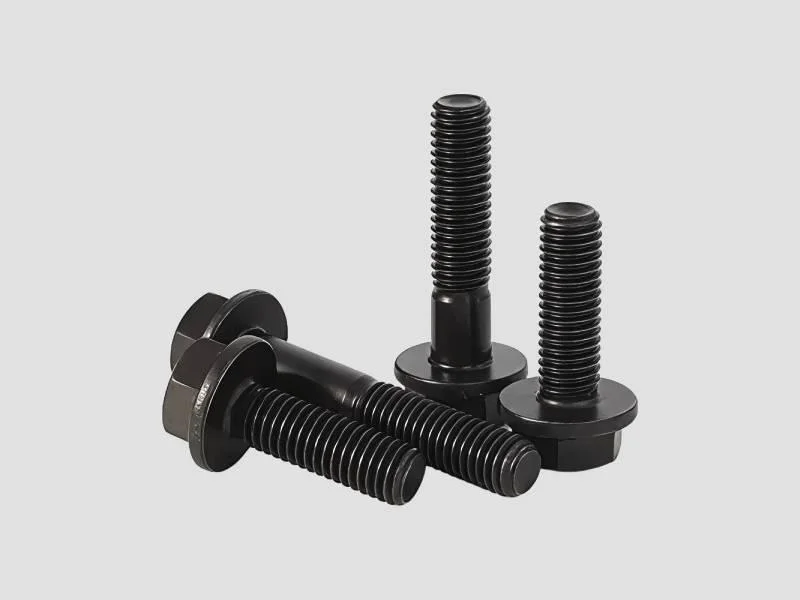
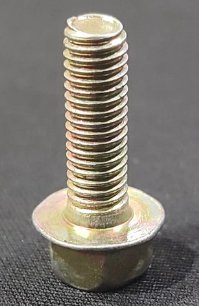
- Flange bolts may come with various coatings such as zinc plating or black oxide.
- Coatings enhance corrosion resistance and durability.
3. Head Type
- Available in different head styles including hex and square.
- Head type selection affects tool compatibility and ease of installation.
4. Thread Type
- Flange bolts can feature standard or fine threads.
- Thread type impacts the bolt's grip and application suitability.
5. Size Range
- Typically available in sizes ranging from 1/4 inch to 1 inch in diameter.
- Lengths can vary based on specific application needs.
6. Strength Grade
- Common grades include Grade 2, Grade 5, and Grade 8.
- Higher grade bolts offer greater tensile strength suitable for heavy-duty applications.
7. Flange Diameter
- Flange diameter varies based on bolt size and design.
- A larger flange diameter improves load distribution.
8. Certification
- Many flange bolts are certified to meet industry standards such as CE.
- Certification ensures compatibility with regulatory requirements.
In summary, flange bolts offer a combination of strength, durability, and versatility. Understanding their features and specifications is essential for choosing the right fastener for any application.
Common Applications and Use Cases
Flange bolts are used across a variety of industries to provide secure fastening solutions. Their design makes them suitable for applications where reliability is paramount.
1. Construction: Flange bolts are widely used in structural assemblies, securing beams, columns, and trusses in buildings and bridges.
2. Automotive: In the automotive sector, flange bolts are essential for assembling chassis components and ensuring the structural integrity of vehicles.
3. Machinery: Industrial machinery often relies on flange bolts to connect parts and maintain operational efficiency in manufacturing setups.
4. Oil and Gas: In this industry, flange bolts are critical for securing piping and equipment, where leaks could lead to hazardous situations.
5. Aerospace: Flange bolts play a vital role in aircraft assembly, providing the strength needed for safe and reliable operations.
6. Marine: In marine applications, flange bolts are used to secure components exposed to harsh environmental conditions, ensuring longevity and safety.
7. HVAC Systems: Flange bolts are essential for assembling and securing heating, ventilation, and air conditioning systems, contributing to their overall effectiveness.
Product Variants and Subcategories
Flange bolts come in various forms to cater to different application needs and preferences in diverse industries.
Standard Flange Bolts
These are the most common variant, designed for general use in construction, automotive, and machinery applications. They are available in several sizes and materials to accommodate different projects.
Heavy-Duty Flange Bolts
Engineered for applications that demand extra strength, heavy-duty flange bolts are made from high-grade materials. They are ideal for structural and industrial applications that experience significant stress.
Locking Flange Bolts
These bolts feature a locking mechanism to prevent loosening over time. They are particularly useful in vibration-prone environments, such as automotive and aerospace applications.
Benefits and Advantages
Flange bolts offer several advantages that make them a preferred choice for many industries. Their unique design and functionality contribute to their widespread use.
Key benefits include:
1. Enhanced Load Distribution: The flange design allows for better load distribution, reducing the risk of material damage in various applications.
2. Increased Strength: Flange bolts are robust and can withstand high levels of stress, making them suitable for critical applications.
3. Resistance to Vibration: Their design helps prevent loosening over time, ensuring long-term reliability in dynamic environments.
4. Simplified Installation: The built-in flange eliminates the need for additional washers, streamlining the installation process.
5. Versatile Applications: Flange bolts are adaptable across multiple industries, making them a versatile fastening solution.
6. Improved Corrosion Resistance: Many flange bolts come with protective coatings, enhancing their durability in harsh environments.
Buying Guide for B2B Buyers
When sourcing flange bolts, it is essential to consider various factors to ensure you select the right product for your needs.
1. Quality Assessment: Evaluate the quality of the flange bolts by checking for compliance with industry standards and certifications. Consider the material and manufacturing processes used.
2. Supplier Verification: Vet potential suppliers by reviewing their credentials and reputation in the market. A reliable supplier ensures consistent quality and timely delivery.
3. Pricing and MOQ: Understand the pricing structure and minimum order quantities (MOQ) set by suppliers. This helps in budgeting and inventory management.
4. Delivery and Lead Times: Inquire about delivery timelines and lead times to ensure that you can meet project schedules. Timely delivery is critical for maintaining workflow.
5. Compliance Requirements: Ensure that the flange bolts meet all necessary regulatory and safety standards relevant to your industry. Compliance helps avoid legal issues and enhances product safety.
Compliance and Certifications
Flange bolts must adhere to various quality standards and certifications to ensure their reliability and safety in applications.
Relevant standards such as ISO 9001 ensure that manufacturing processes meet international quality management criteria. This certification indicates a commitment to consistent quality and continuous improvement.
Additionally, the CE marking signifies that the flange bolts comply with European safety, health, and environmental protection standards. This certification is crucial for companies operating within or exporting to the European market.
Safety and testing requirements are also vital, as flange bolts often undergo rigorous testing to assess their strength and performance under different conditions. This helps ensure that they can withstand the demands of their intended applications.
Regional compliance considerations may vary based on local regulations. It is essential for buyers to be aware of these requirements to ensure that the flange bolts they source are suitable for their specific market.
Why Source Flange Bolts from Pepagora?
Pepagora provides a trusted platform for sourcing flange bolts, offering numerous advantages to B2B buyers.
Verified Supplier Network: Pepagora has a rigorous verification process for suppliers, ensuring that buyers can trust the quality and reliability of the products offered. This network includes manufacturers who meet strict industry standards.
Streamlined RFQ Process: The Request for Quotation (RFQ) process on Pepagora is designed to be user-friendly, allowing buyers to easily compare prices and specifications from multiple suppliers. This helps in making informed purchasing decisions quickly.
Trade Assurance and Support: Pepagora offers trade assurance, providing buyers with protection throughout the sourcing process. This includes support from dedicated professionals who assist with any inquiries or issues.
Regional Coverage: With a strong presence in India, the GCC, and Southeast Asia, Pepagora ensures that buyers have access to a wide range of flange bolt options, tailored to the needs of different regional markets. This geographical reach enhances sourcing efficiency and effectiveness.



Frequently Asked Questions
What are Flange Bolts?
Flange bolts are a type of fastener that features a built-in flange or washer at the head. This design provides a larger surface area to distribute the load, reducing the chance of failure in high-stress applications.
What are the different types of Flange Bolts?
Flange bolts come in various types, including hex flange bolts, serrated flange bolts, and flanged carriage bolts. Each type is designed for specific applications, offering unique features such as additional grip or anti-slip properties.
How do I choose the right Flange Bolts?
Choosing the right flange bolts involves considering factors such as material, size, thread type, and load requirements. It is also important to match the bolt type to the specific application to ensure optimal performance and safety.
What are the standard specifications for Flange Bolts?
Standard specifications for flange bolts often include dimensions, thread pitch, material grade, and tensile strength. Common standards include ASTM, ISO, and DIN, which provide guidelines for manufacturing and quality assurance.
What is the price range for Flange Bolts?
The price range for flange bolts can vary widely depending on factors such as material, size, and quantity ordered. Generally, prices can start from a few rupees for standard sizes and materials, going up to higher amounts for specialized or high-strength variants.
What quality standards apply to Flange Bolts?
Flange bolts are typically manufactured to meet industry quality standards such as ISO 9001 and ASTM specifications. Compliance with these standards ensures reliability, durability, and safety in their applications.
Where can I find Flange Bolts suppliers in India?
You can find flange bolts suppliers in India through online B2B marketplaces like Pepagora, trade shows, or local hardware suppliers. It is advisable to compare multiple suppliers to ensure competitive pricing and quality.
Can Flange Bolts be customized?
Yes, flange bolts can often be customized to meet specific requirements, including size, material, and finish. Many manufacturers offer customization options to accommodate unique applications or industry standards.
What is the typical minimum order quantity for Flange Bolts?
The typical minimum order quantity (MOQ) for flange bolts can range from 100 to 1000 pieces, depending on the supplier and the specific product. It is best to check with individual suppliers for their specific MOQ policies.
What is the typical lead time for Flange Bolts?
The typical lead time for flange bolts can vary based on the supplier and the complexity of the order. Generally, standard orders may take anywhere from 5 to 30 days, while customized orders may require longer processing times.
Why Businesses Trust Pepagora
Thousands of companies trust Pepagora to source smarter and sell faster
Expand Your Sales Globally

Source Smarter,Grow Faster
