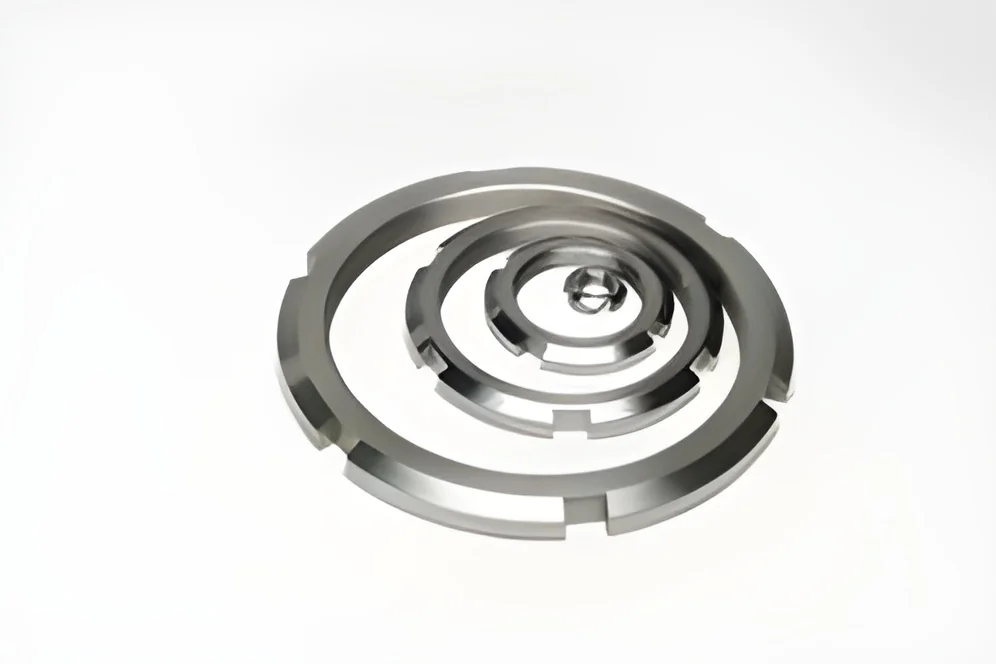
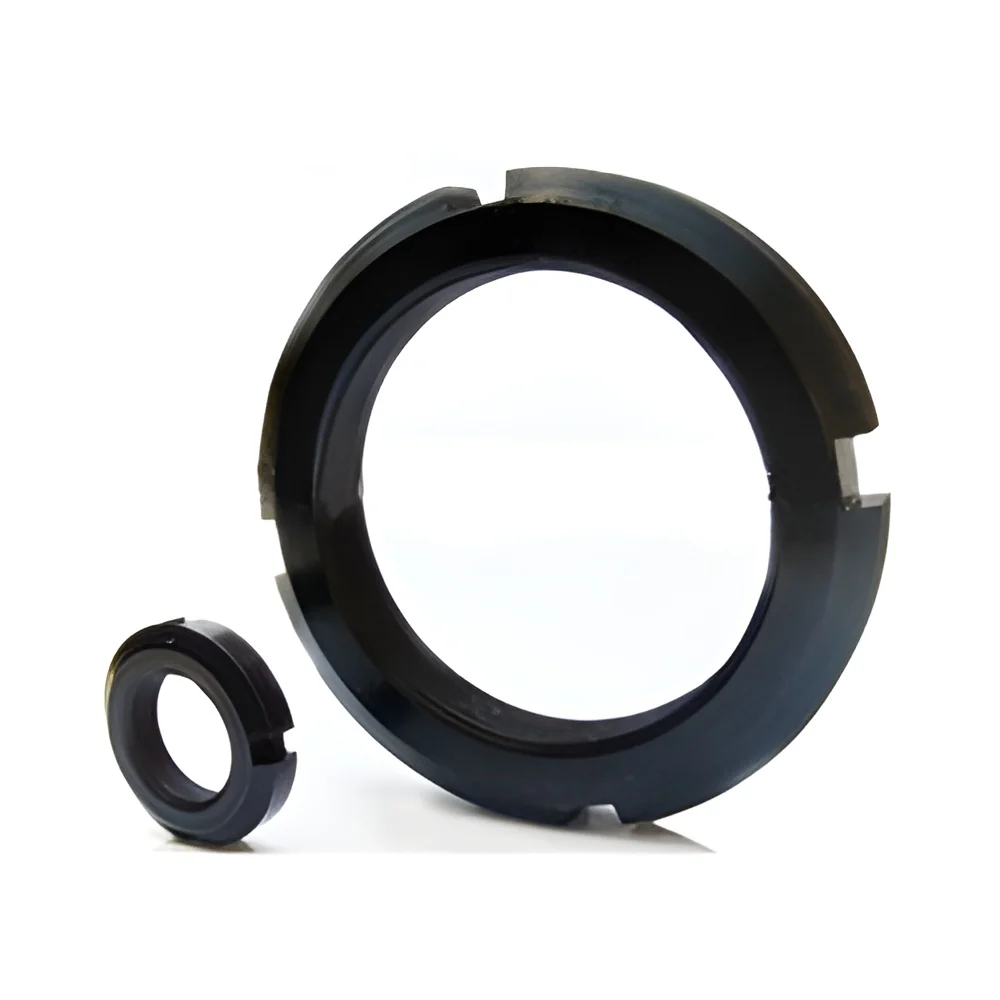
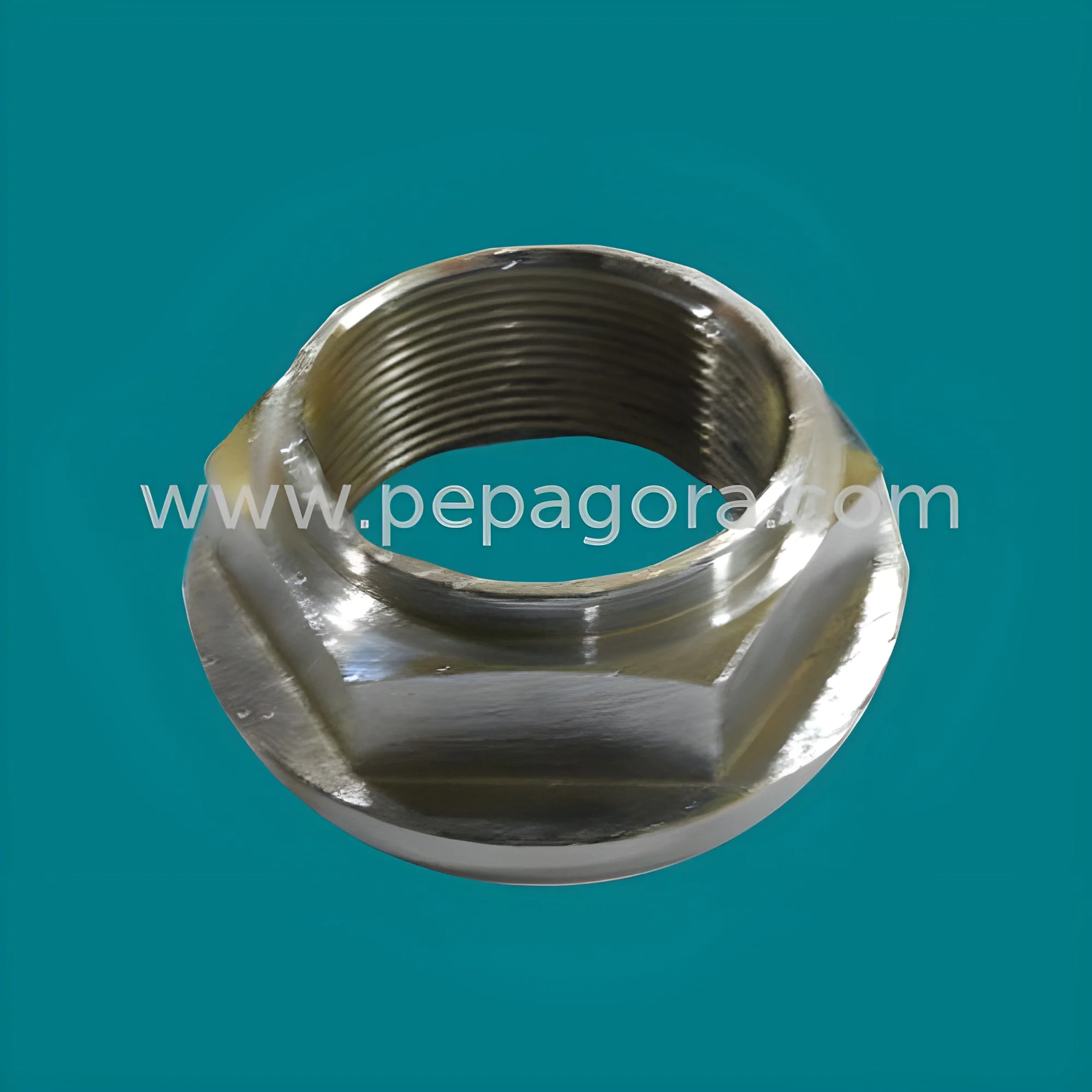
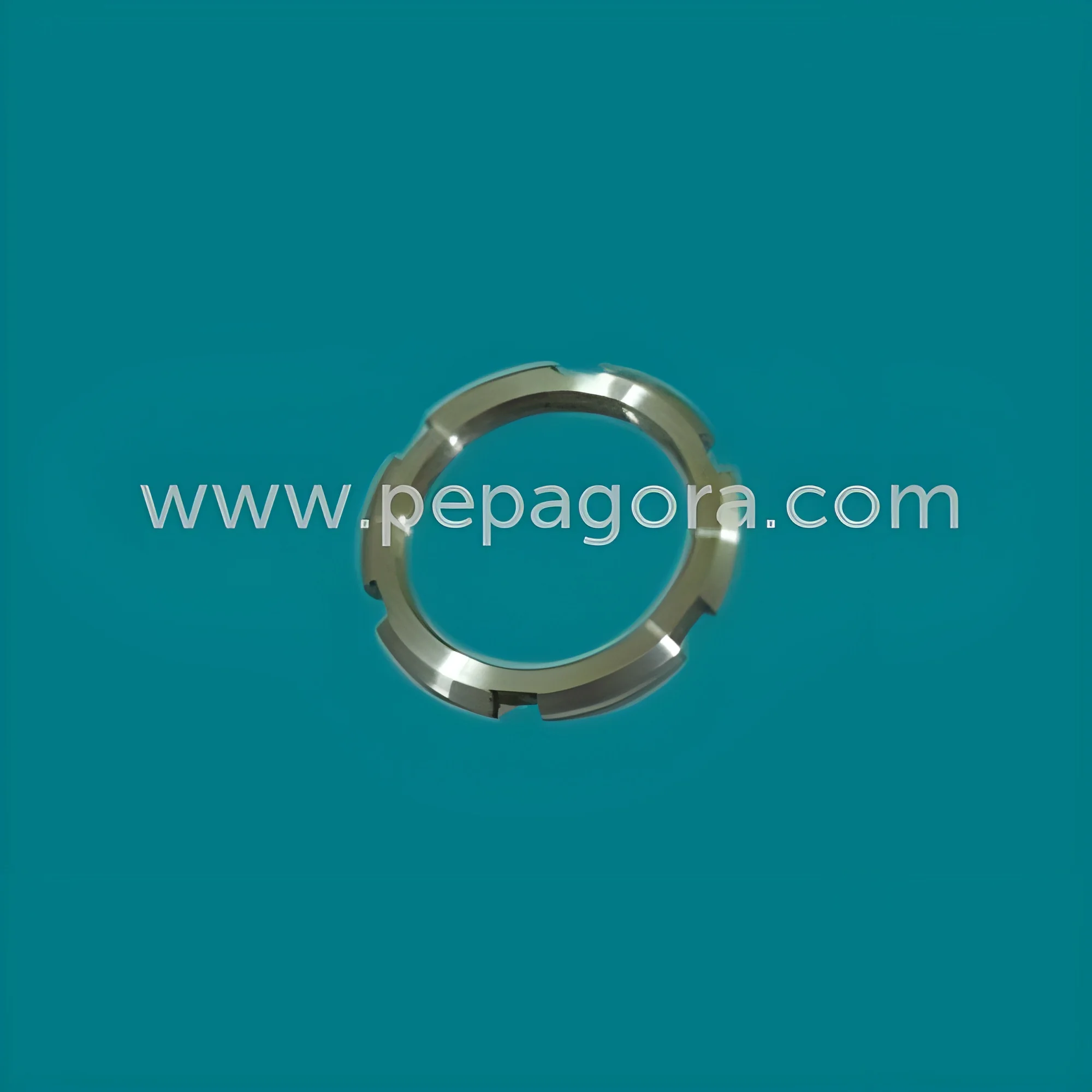
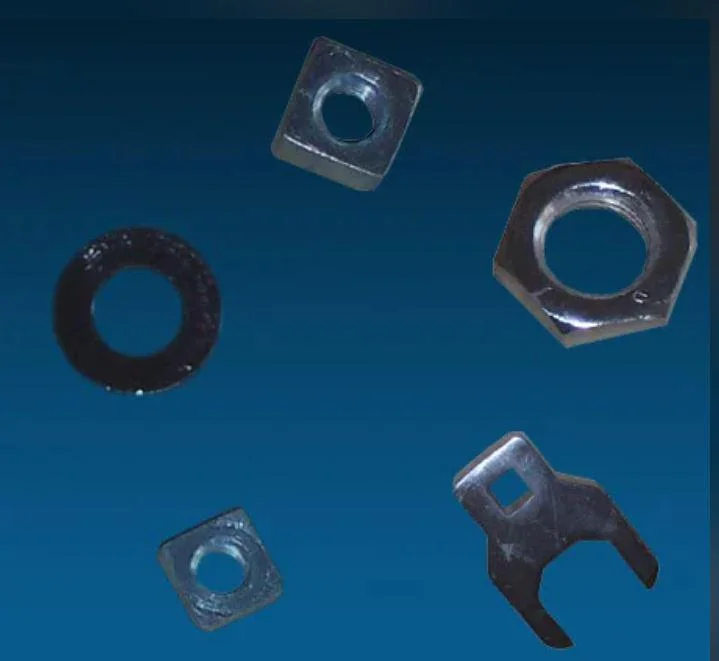
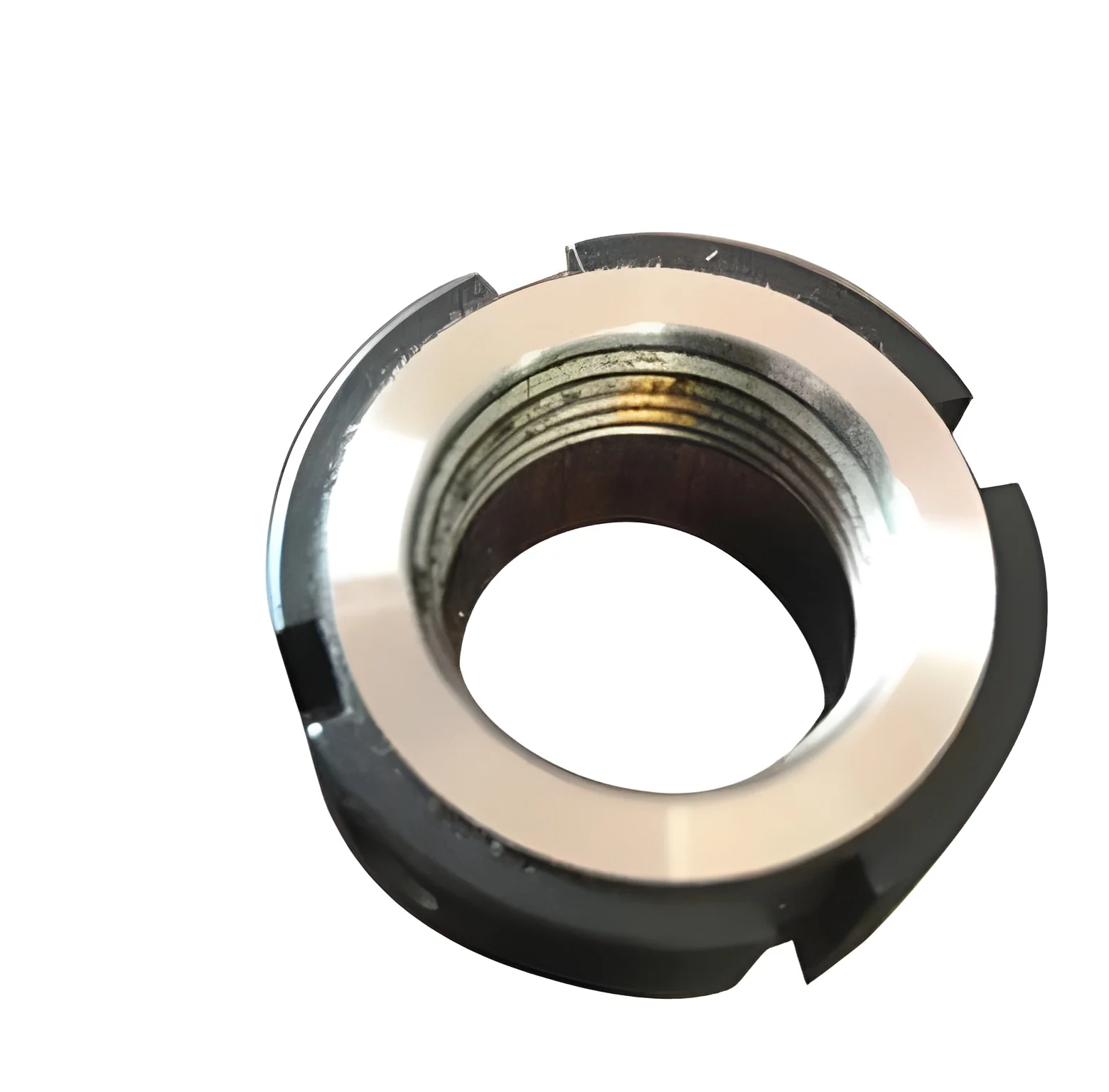
What are Lock Nuts?
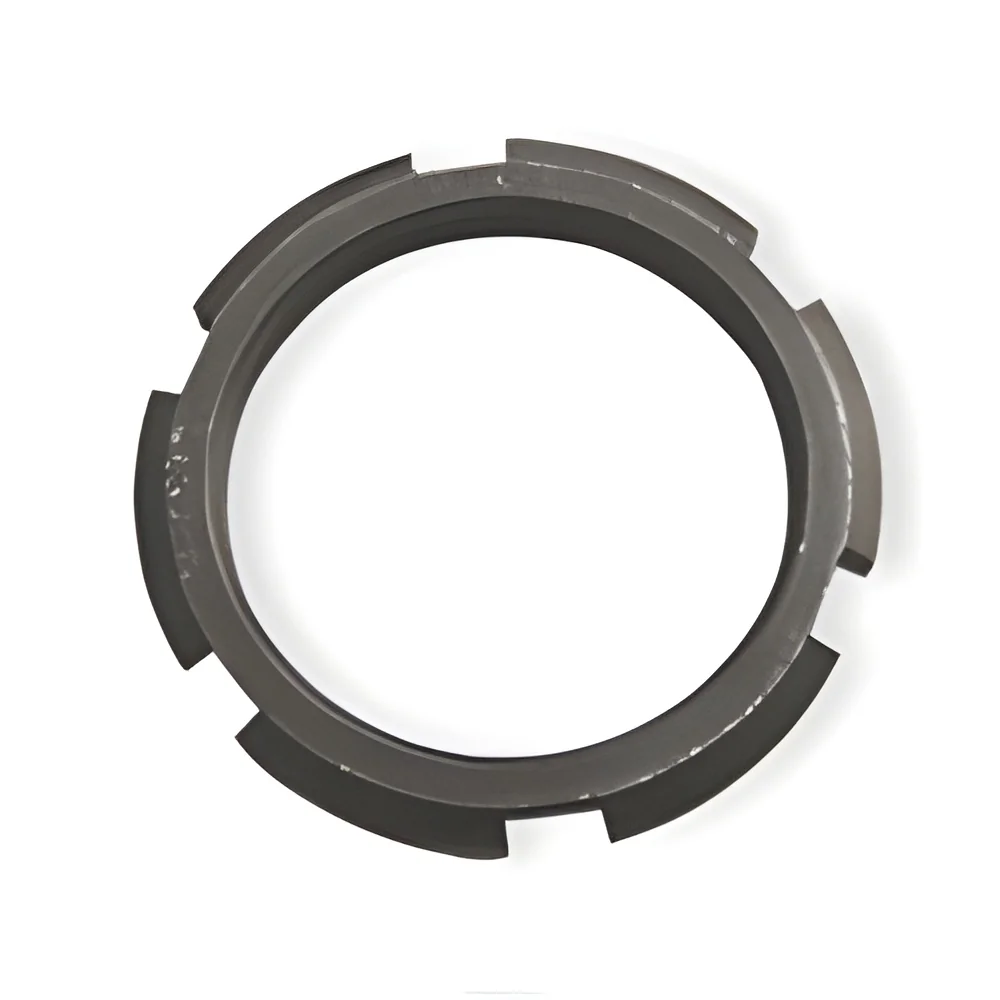
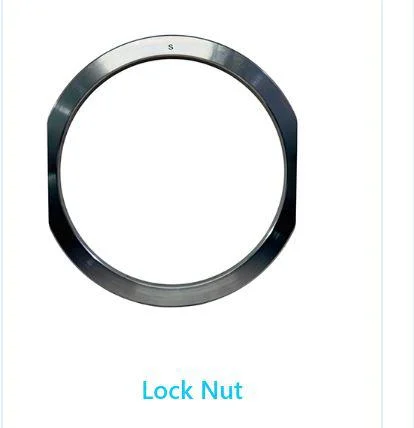
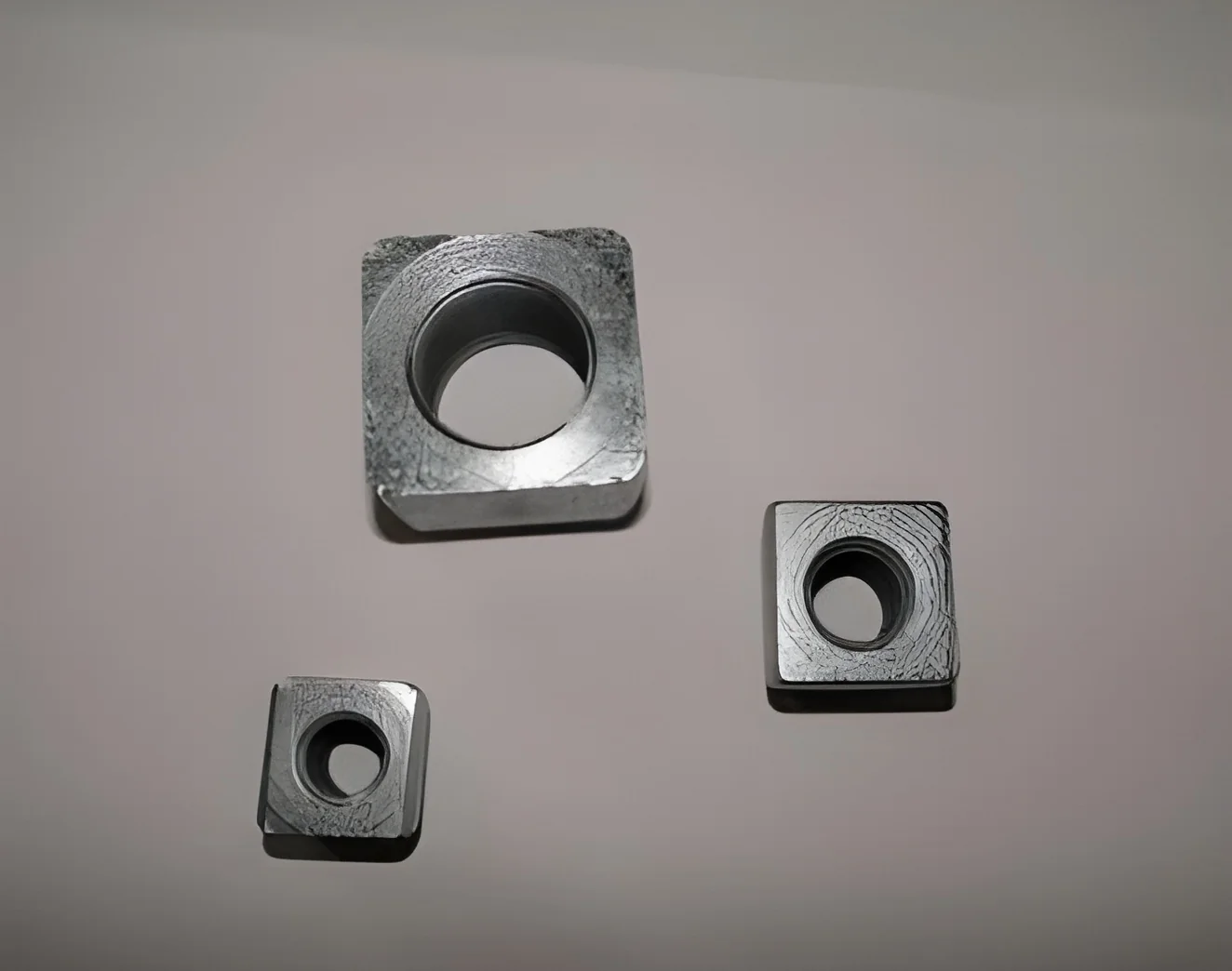
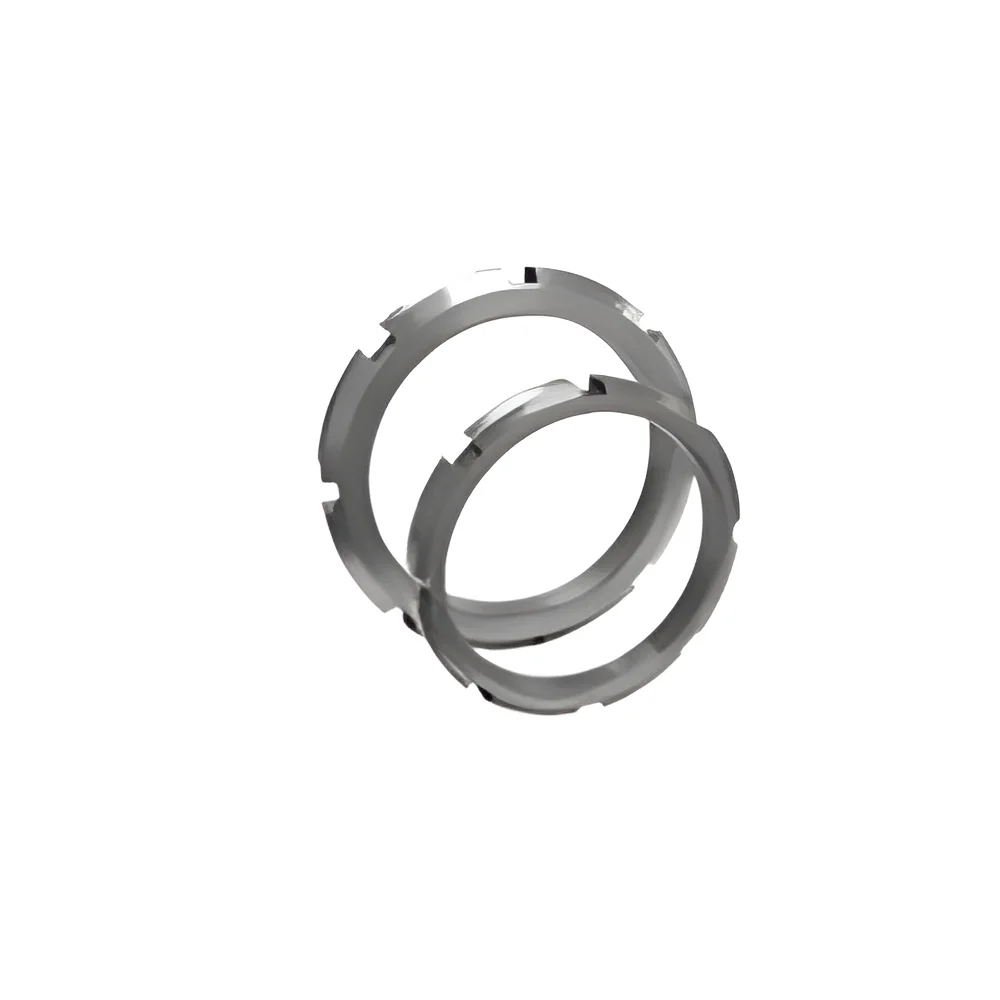
Lock nuts are specialized fasteners designed to resist loosening under vibration and torque. Unlike standard nuts, lock nuts feature a design that creates additional friction or mechanical interference, preventing them from turning once they are tightened. This characteristic makes them essential in applications where stability and security are paramount, ensuring that components remain securely fastened over time.
Lock nuts are commonly used in various industries, including automotive, aerospace, and machinery assembly. They play a critical role in securing components that experience dynamic loads, such as engines, gearboxes, and structural supports. In these sectors, any loosening of fasteners can lead to equipment failure, safety hazards, and costly downtime. As a result, the demand for reliable lock nuts continues to grow, particularly in markets that prioritize high-performance and safety-critical applications.
Key Features and Specifications
Lock nuts come with various features that cater to specific applications. Understanding these specifications is crucial for selecting the right product for your needs.
Key specifications include:
1. Type of Locking Mechanism
- This specification details how the lock nut prevents loosening.
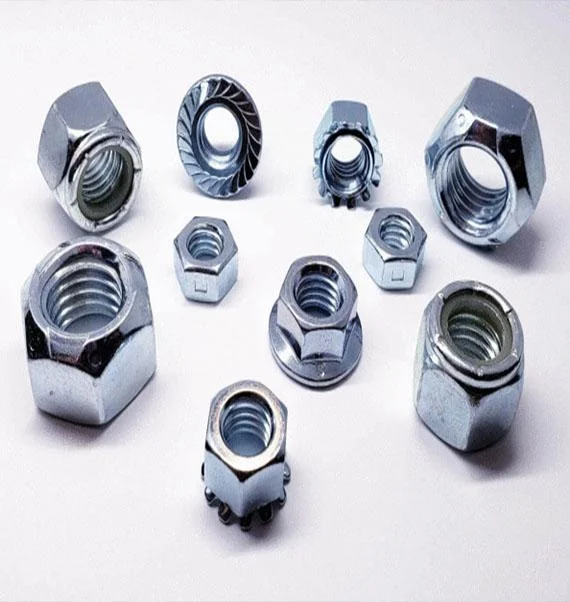
- Options include nylon insert, serrated flange, and prevailing torque designs.
2. Material Composition
- Lock nuts are made from different materials, including steel, stainless steel, and nylon.
- Material choice affects strength, corrosion resistance, and temperature tolerance.
3. Size Range
- Available sizes typically range from M3 to M30 or larger.
- Size selection is important for compatibility with corresponding bolts or screws.
4. Thread Pitch
- Common thread pitches include coarse and fine options.
- Thread pitch impacts the fit and load distribution.
5. Finish Type
- Common finishes include zinc plated, black oxide, and plain.
- The finish affects corrosion resistance and aesthetic appearance.
6. Load Capacity
- Load capacity varies based on the nut design and material.
- It is important to choose a lock nut that can handle the expected loads.
7. Temperature Range
- While not specified, many lock nuts can withstand temperatures from -50°C to +200°C.
- Temperature tolerance is crucial for applications in extreme environments.
8. Compliance Standards
- Look for lock nuts that meet industry standards such as CE certification.
- Compliance ensures reliability and safety in critical applications.
In summary, understanding the features and specifications of lock nuts helps businesses select the right fasteners for their specific requirements, ensuring performance and safety in various applications.
Common Applications and Use Cases
Lock nuts are versatile fasteners utilized across multiple industries, each with unique applications.
1. Automotive: Lock nuts are critical in securing engine components and suspension systems, where vibrations are prevalent. They ensure that parts remain tightened under dynamic conditions.
2. Aerospace: In aviation, lock nuts are used in assembly of aircraft structures and landing gear. Their reliability is essential for passenger safety and operational integrity.
3. Construction: Lock nuts secure structural elements in buildings and bridges. Their ability to withstand environmental factors makes them ideal for heavy-duty applications.
4. Machinery: In manufacturing, lock nuts are employed to secure gears, motors, and other rotating parts that experience significant stress and motion.
5. Marine: Lock nuts are used in shipbuilding and maintenance, where exposure to saltwater and vibrations can lead to fastener loosening.
6. Rail Transportation: Lock nuts secure components in rail systems, ensuring safety and operational performance during transit.
7. Renewable Energy: In wind turbines and solar panel installations, lock nuts help maintain secure connections in structures exposed to high winds and environmental stress.
Product Variants and Subcategories
Lock nuts come in a variety of forms to meet different needs in various industries.
Hex Lock Nuts
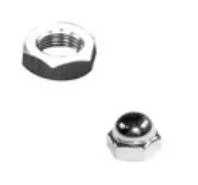
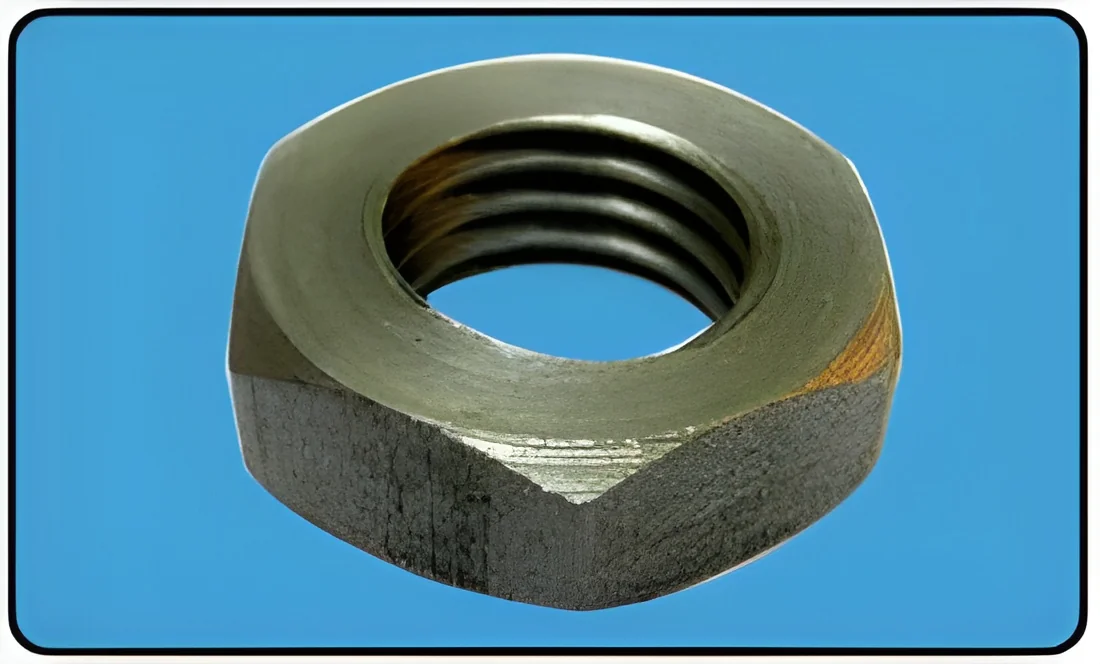
These are the most common type of lock nut, featuring a hexagonal shape for easy installation. They provide strong locking capabilities through friction and are widely used in machinery and automotive applications.
Nylon Insert Lock Nuts
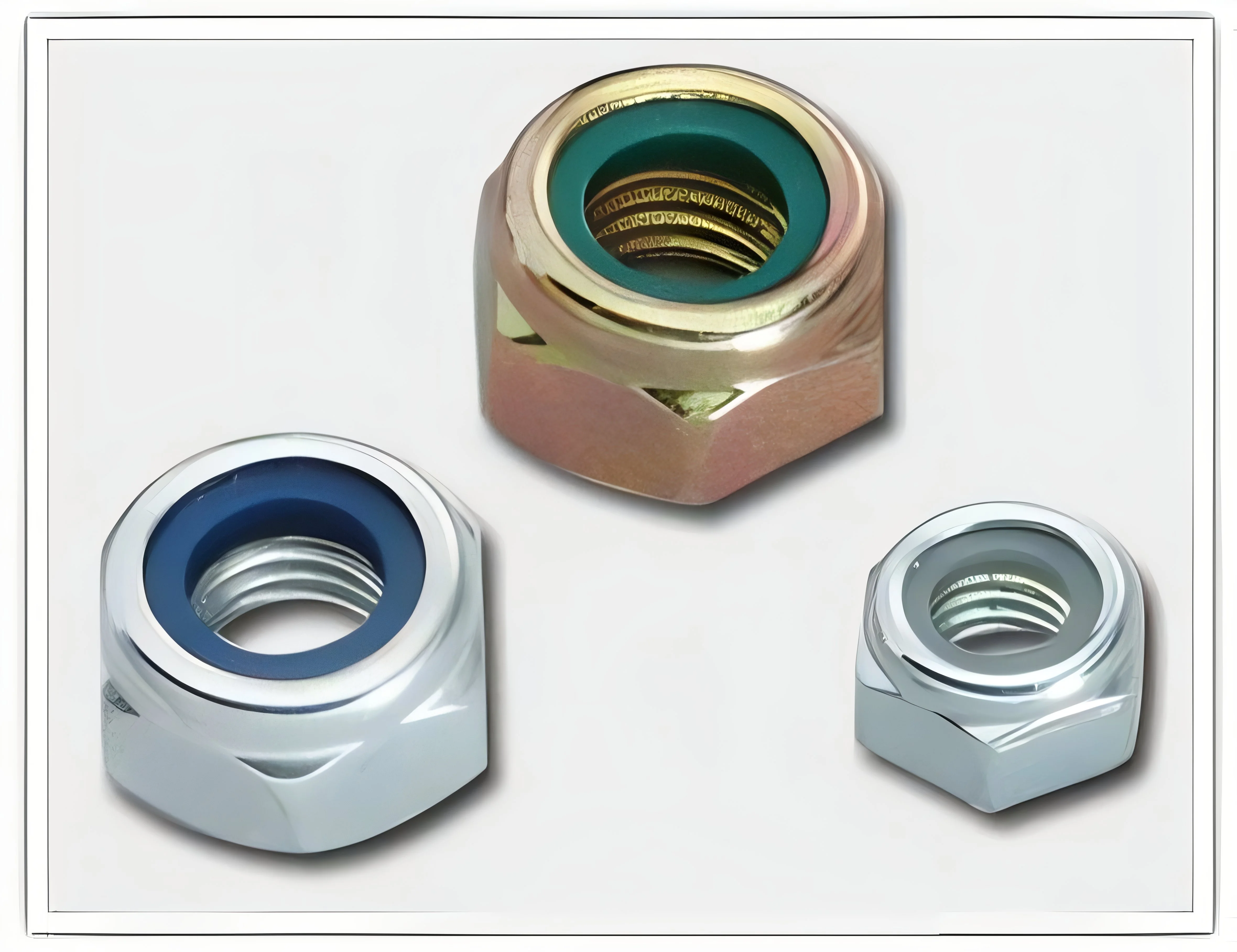
These nuts include a nylon insert that creates a gripping action when tightened. They are ideal for applications where vibration is a concern, offering a secure hold without damaging the bolt threads.
Serrated Flange Lock Nuts
These nuts feature a serrated flange that grips the surface of the material they are fastening. This design is particularly useful in applications where a strong grip is needed to prevent loosening due to vibrations.
Prevailing Torque Lock Nuts
These nuts are designed with a slight deformation that creates a prevailing torque when tightened, providing extra resistance to loosening. They are often used in high-stress applications like aerospace and automotive.
Benefits and Advantages
Lock nuts offer several key benefits that make them a preferred choice for many applications.
1. Enhanced Security: Lock nuts provide a reliable solution to prevent loosening, enhancing the overall security of assembled components.
2. Vibration Resistance: Their design is specifically tailored to resist loosening caused by vibrations, making them ideal for dynamic environments.
3. Cost-Effectiveness: By reducing the need for frequent maintenance and replacements, lock nuts can lower long-term operational costs.
4. Versatile Applications: Lock nuts can be utilized across various industries, from automotive to aerospace, offering flexibility in design and application.
5. Easy Installation: Most lock nuts can be installed using standard tools, making them user-friendly for assembly processes.
6. Compliance Assurance: Many lock nuts are manufactured to meet industry standards, ensuring reliability and safety in critical applications.
Buying Guide for B2B Buyers
When sourcing lock nuts, it is important to consider several factors to ensure you select the right product for your needs.
1. Quality Assessment: Look for lock nuts that meet relevant industry standards, such as CE certification, which ensures quality and reliability in high-performance applications.
2. Supplier Verification: Vet suppliers thoroughly to ensure they provide high-quality products. Check for reviews, certifications, and their history in the industry.
3. Pricing and MOQ: Understand the pricing structure and minimum order quantities (MOQ) offered by suppliers. This helps in budgeting and ensures your supply needs are met.
4. Delivery and Lead Times: Consider logistics and the lead times provided by suppliers. Timely delivery is crucial for maintaining production schedules.
5. Compliance Requirements: Check for any specific regulatory requirements that may apply to your industry. This ensures that the lock nuts you purchase meet all necessary safety and quality standards.
Compliance and Certifications
Lock nuts must meet various quality standards and certifications to ensure safety and reliability in their applications.
ISO 9001 is a widely recognized quality management standard that ensures manufacturers consistently meet customer and regulatory requirements. Compliance with ISO 9001 indicates a commitment to quality and continuous improvement in manufacturing processes.
CE certification is crucial for lock nuts used in the European market, indicating that the product meets EU safety, health, and environmental protection standards. This certification is essential for ensuring market access and consumer safety.
Safety and testing requirements are critical in industries such as aerospace and automotive, where lock nuts must withstand extreme conditions. Rigorous testing methods ensure that the nuts can handle the stresses of their applications.
Regional compliance considerations may also apply, depending on where the lock nuts are being used. Understanding local regulations and standards is vital for businesses operating in multiple regions to ensure consistent quality and safety.
Why Source Lock Nuts from Pepagora?
Pepagora provides a trusted platform for sourcing lock nuts with several key advantages that benefit B2B buyers.
Verified Supplier Network: Pepagora offers a network of verified suppliers, ensuring that buyers can access high-quality lock nuts. This verification process helps mitigate risks associated with quality and reliability.
Streamlined RFQ Process: The platform features a streamlined request for quotation (RFQ) process that simplifies sourcing. Buyers can quickly receive quotes from multiple suppliers, facilitating informed decision-making.
Trade Assurance and Support: Pepagora provides buyer protection through trade assurance, ensuring that transactions are secure and that buyers receive the products they expect. This support fosters confidence in the sourcing process.
Regional Coverage: With a strong presence in regions such as India, the GCC, and Southeast Asia, Pepagora offers buyers access to a diverse range of suppliers. This geographic reach enables businesses to find the right products to suit their local market needs.

 IN
IN