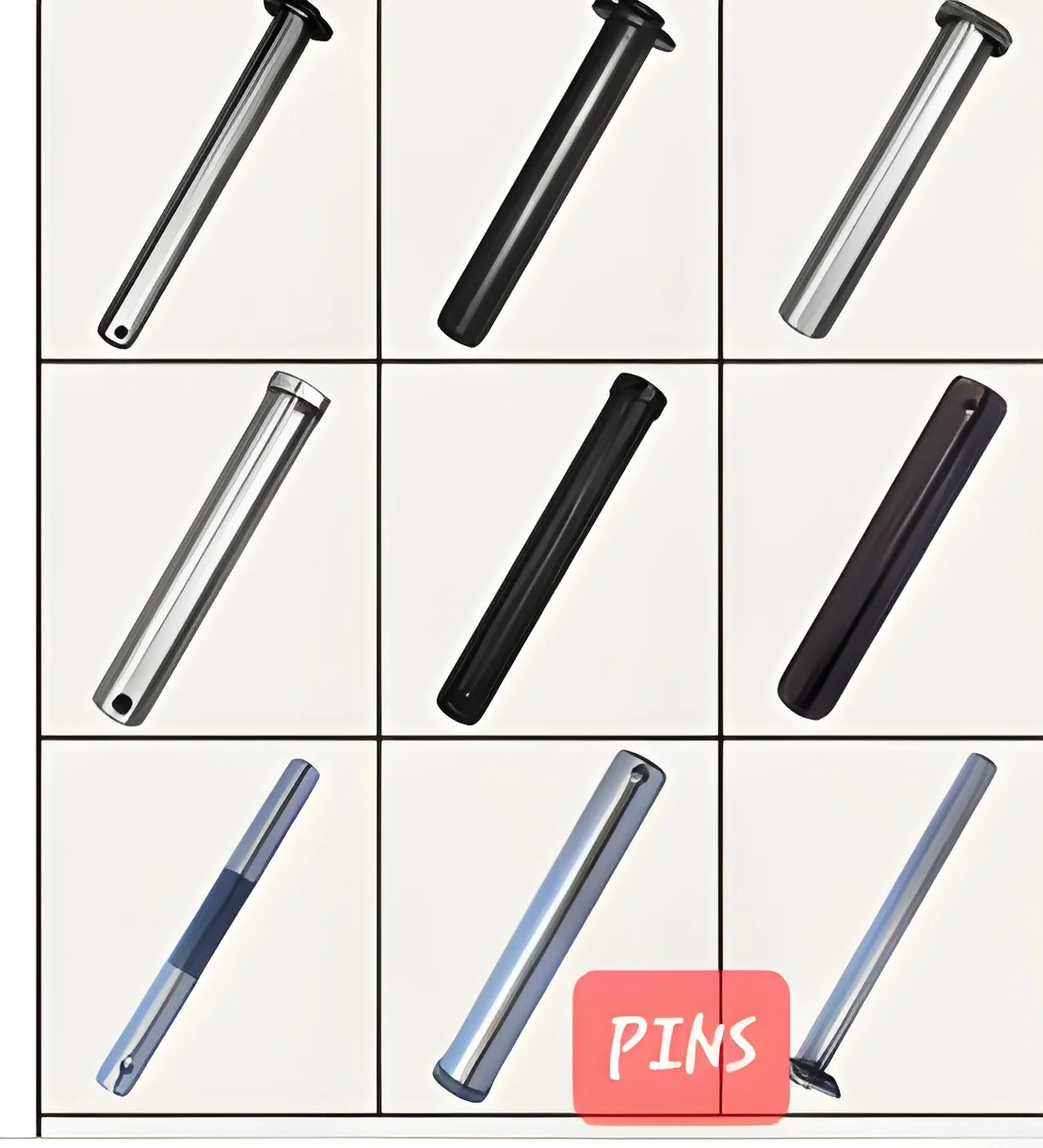
What are Spring Pins?
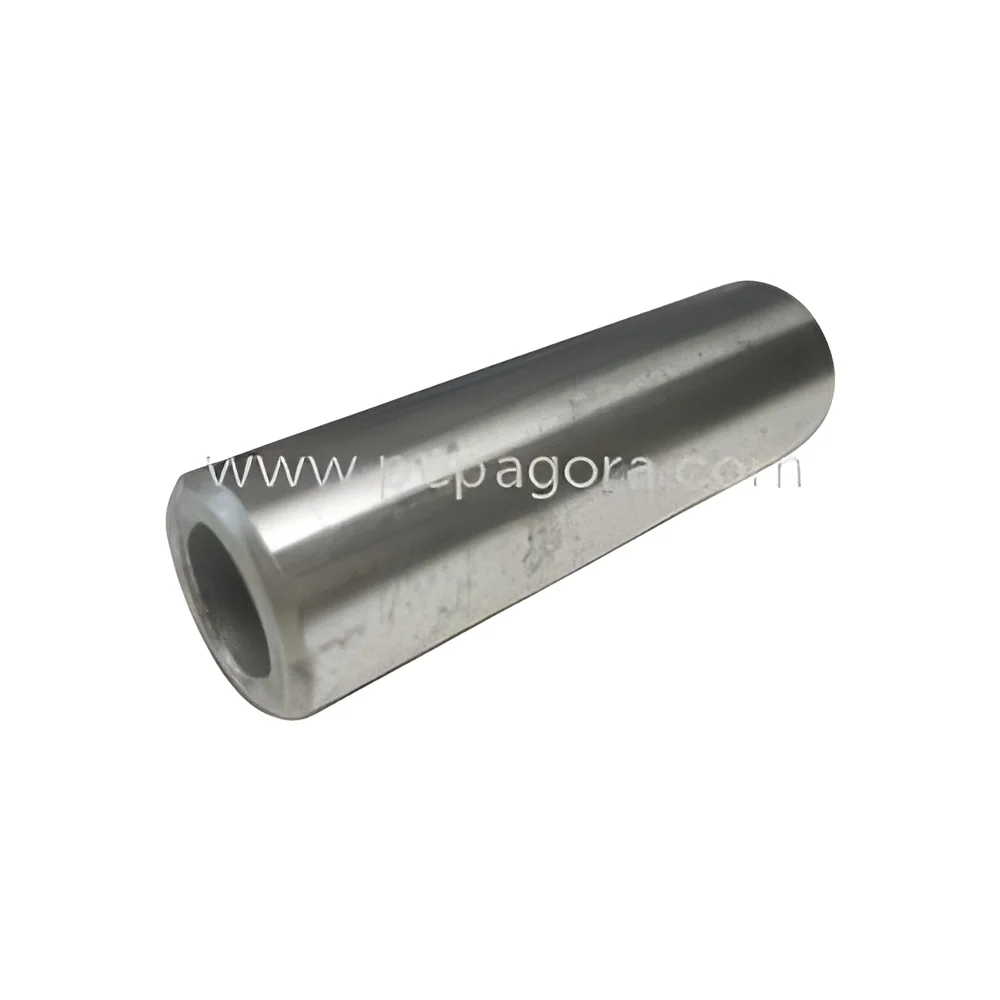
Spring pins are cylindrical fasteners made from spring steel, designed to hold components together while allowing for some movement or flexibility. They have a unique design that features a split or slotted surface, enabling them to compress and expand as required. This characteristic makes spring pins suitable for various fastening applications, where the ability to absorb shock and accommodate slight misalignments is essential.
These fasteners are widely used in a range of industries, including automotive, aerospace, and machinery. They are employed in applications such as securing gears, shafts, and other mechanical components. By providing a reliable connection that can endure vibrations and loads, spring pins help enhance the overall performance and longevity of machinery. Their relevance in modern manufacturing and assembly processes underscores their importance in maintaining operational efficiency.
As industries continue to evolve, the demand for high-quality spring pins remains strong. Companies are increasingly looking for durable and reliable fastening solutions to meet their production needs. This has led to advancements in manufacturing techniques and material specifications, ensuring that spring pins can meet the rigorous standards required across various sectors.
Key Features and Specifications
Spring pins offer a variety of features that make them suitable for numerous applications. They are designed to provide a robust connection while allowing for ease of installation and removal. Understanding their specifications is crucial for selecting the right type for your needs.
Key specifications include:
1. Material Composition
- Made from high-strength spring steel or stainless steel
- Provides corrosion resistance and durability
2. Diameter Range
- Available in various diameters to accommodate different applications
- Common diameters range from 1 mm to 20 mm
3. Length Options
- Offered in multiple lengths to suit specific requirements
- Standard lengths typically range from 5 mm to 100 mm
4. Tolerance Levels
- Manufactured to precise tolerances for a secure fit
- Tolerances can vary based on size and application needs
5. Surface Finish
- May have various finishes such as zinc plating or black oxide
- Enhances corrosion resistance and aesthetic appeal
6. Load Capacity
- Designed to withstand specific load limits based on size and material
- Load capacities vary depending on the application environment
7. Compliance Standards
- Often manufactured to meet industry standards and certifications
- Ensures reliability and quality assurance
In summary, spring pins are engineered with specific features and specifications that cater to diverse industrial needs, making them vital components in many mechanical systems.
Common Applications and Use Cases
Spring pins are versatile fasteners utilized across various industries, each with unique applications.
1. Automotive: In the automotive sector, spring pins are used to secure components such as gears, axles, and brackets, ensuring stable operation under dynamic conditions.
2. Aerospace: The aerospace industry employs spring pins for fastening in critical components, where reliability and weight reduction are essential for performance and safety.
3. Machinery: In machinery and equipment manufacturing, spring pins provide reliable connections in assemblies, facilitating easy maintenance and assembly processes.
4. Electronics: Spring pins are often found in electronic devices, where they secure circuit boards and connectors, ensuring stable electrical connections.
5. Medical Devices: In the medical field, these fasteners are utilized in devices where precision and reliability are crucial for functionality and safety.
6. Consumer Products: Many consumer goods incorporate spring pins for assembly and fastening, providing a secure yet flexible connection that meets user needs.
7. Industrial Equipment: Spring pins are also common in industrial machinery, where they help maintain alignment and support moving parts effectively.
Product Variants and Subcategories
Spring pins come in various forms to address specific fastening requirements. Their diversity allows businesses to select the most suitable variant for their applications.
Standard Spring Pins: These are the most common type, featuring a simple design that provides effective fastening for a wide range of applications. They are easy to install and remove, making them ideal for temporary or permanent connections.
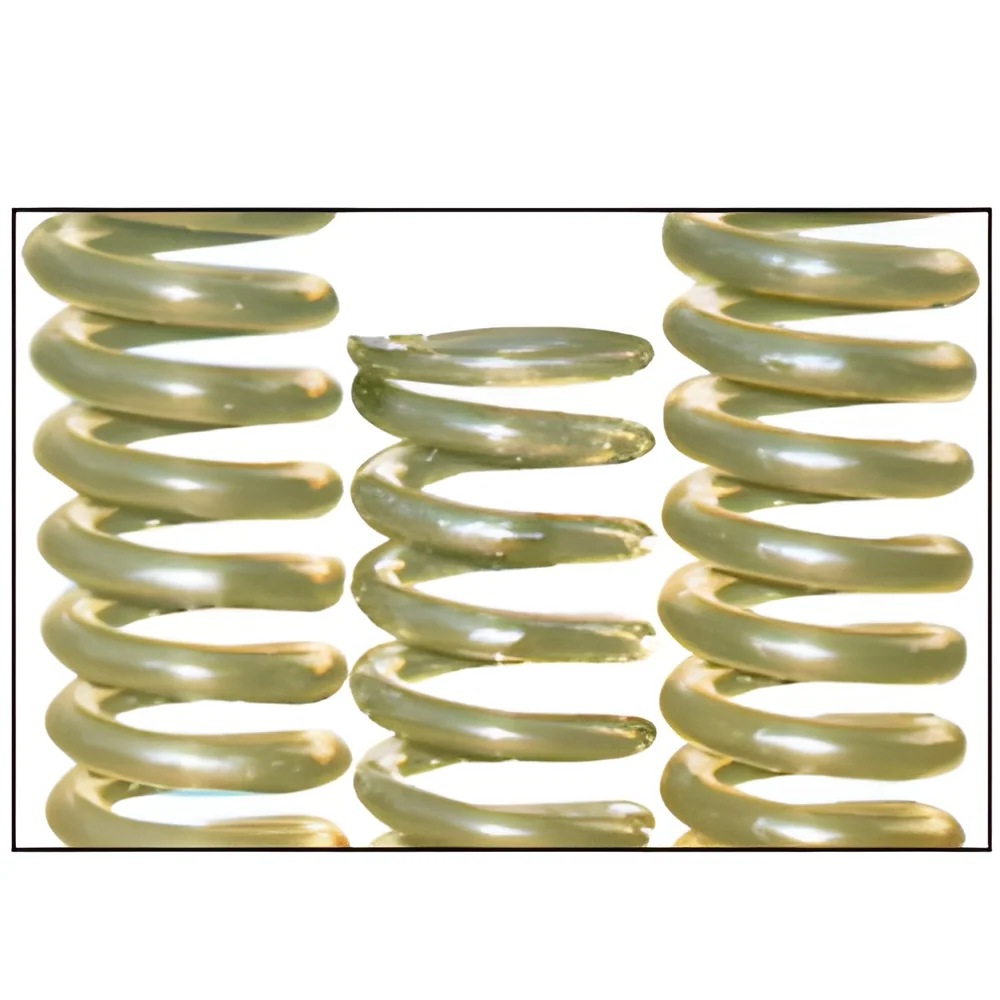
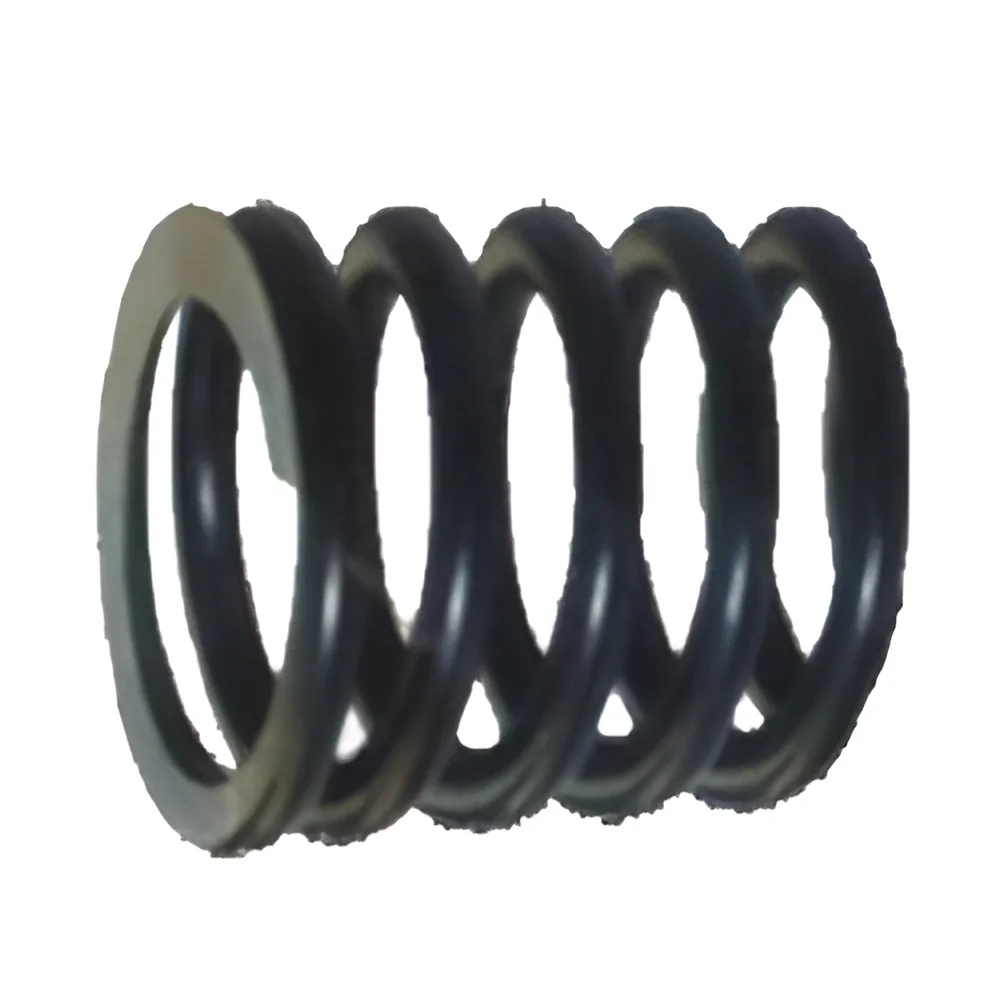
Coiled Spring Pins: These pins are designed with a coiled structure that provides enhanced flexibility and shock absorption. They are particularly useful in applications where movement and vibration are prevalent.
Tapered Spring Pins: Featuring a tapered design, these pins allow for easier insertion into holes and provide a secure fit once in place. They are ideal for applications requiring precise alignment.
Benefits and Advantages
Choosing spring pins offers several advantages for businesses and manufacturers.
1. Easy Installation: Spring pins are designed for quick and easy installation, reducing assembly time and labor costs.
2. Shock Absorption: Their flexible design allows them to absorb shocks and vibrations, which helps protect connected components from wear and damage.
3. Versatility: Spring pins are suitable for a wide range of applications across various industries, making them a versatile choice for manufacturers.
4. Reliability: These fasteners provide a secure connection that can withstand dynamic loads, ensuring consistent performance over time.
5. Cost-Effectiveness: Due to their durability and ease of use, spring pins can reduce maintenance and replacement costs, leading to overall savings for businesses.
6. Customization Options: Many suppliers offer customization in terms of size, material, and finish, allowing businesses to meet specific requirements.
Buying Guide for B2B Buyers
When sourcing spring pins, it is essential to consider several key factors to ensure you select the right product for your needs.
1. Quality Assessment: Evaluate the quality of spring pins by checking for certifications and adherence to industry standards. Look for reliable materials that provide durability and performance.
2. Supplier Verification: Vet suppliers carefully to ensure they have a proven track record of providing high-quality products. Check references and customer reviews for credibility.
3. Pricing and MOQ: Consider the pricing structure and minimum order quantities offered by suppliers. Ensure that the cost aligns with your budget and project requirements.
4. Delivery and Lead Times: Discuss delivery options and lead times with potential suppliers to ensure they can meet your production schedules.
5. Compliance Requirements: Verify that the spring pins meet relevant regulatory and compliance standards specific to your industry, ensuring safety and reliability.
Compliance and Certifications
Spring pins must adhere to several quality standards to ensure their reliability and performance in various applications. Commonly recognized standards include ISO 9001, which outlines quality management systems to enhance product consistency.
Additionally, industry certifications such as CE mark compliance indicate that the products meet European safety standards, ensuring they are safe for use in various applications.
Safety and testing requirements are also critical, as spring pins must undergo rigorous testing to confirm their strength and durability.
Regional compliance considerations may vary, and it is essential for manufacturers and suppliers to align with local regulations based on the market where the products will be used.
Why Source Spring Pins from Pepagora?
Pepagora provides an efficient platform for sourcing spring pins, offering several key advantages to businesses.
Verified Supplier Network: Pepagora connects buyers with a network of verified suppliers, ensuring that all products meet high-quality standards. This verification process builds trust and confidence among buyers.
Streamlined RFQ Process: The request for quotation (RFQ) process on Pepagora is designed to be straightforward and efficient, enabling buyers to receive competitive quotes quickly and easily.
Trade Assurance and Support: Pepagora offers trade assurance, providing protection for buyers during transactions. This support ensures a secure purchasing experience and fosters long-term business relationships.
Regional Coverage: With a strong presence in India, the GCC region, and Southeast Asia, Pepagora facilitates access to a wide range of spring pins tailored to local market needs. This geographic reach allows businesses to source products efficiently and effectively.

 IN
IN