What are Thread Gauges?
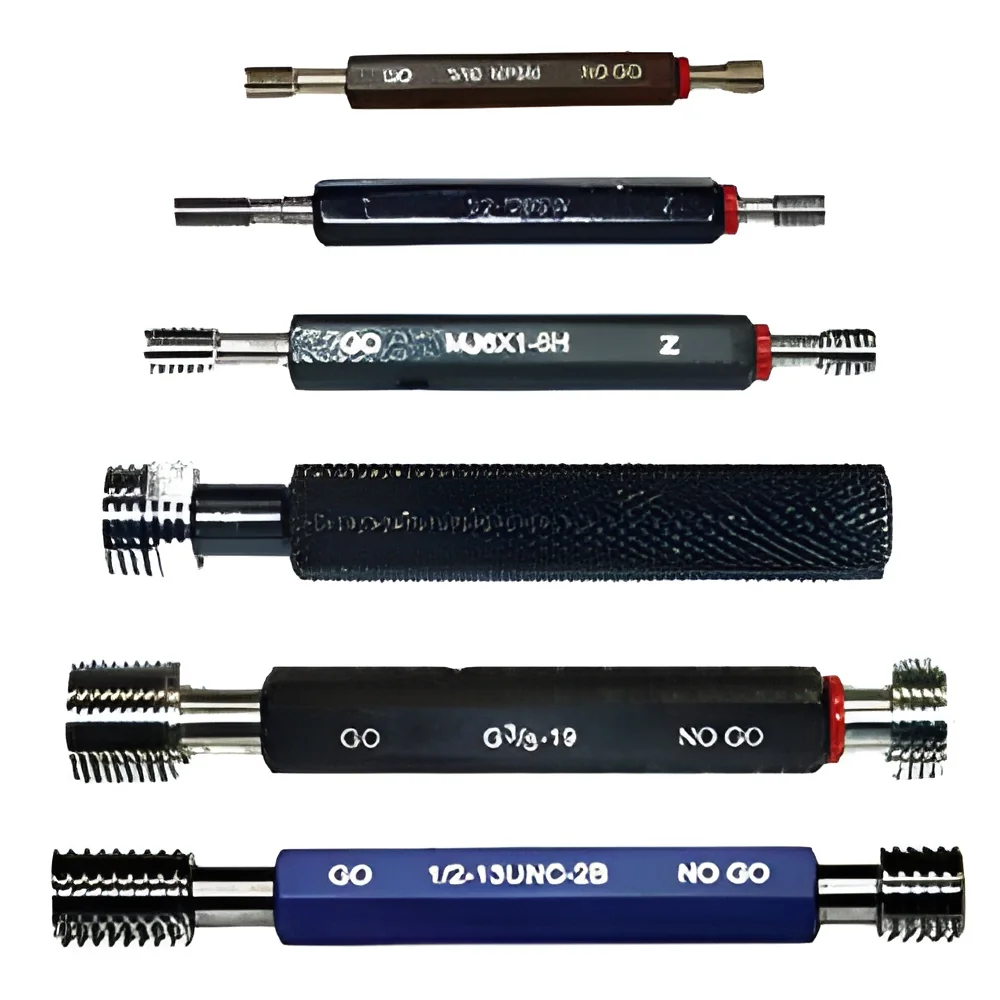
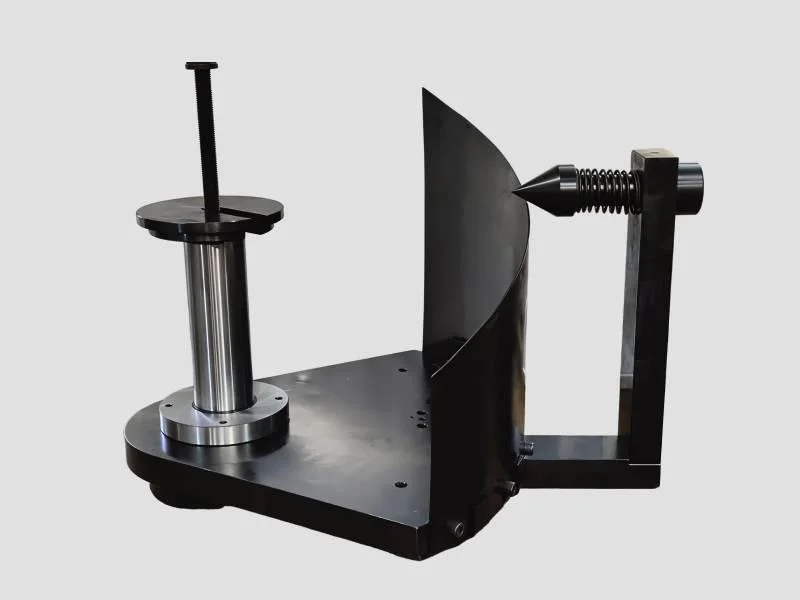
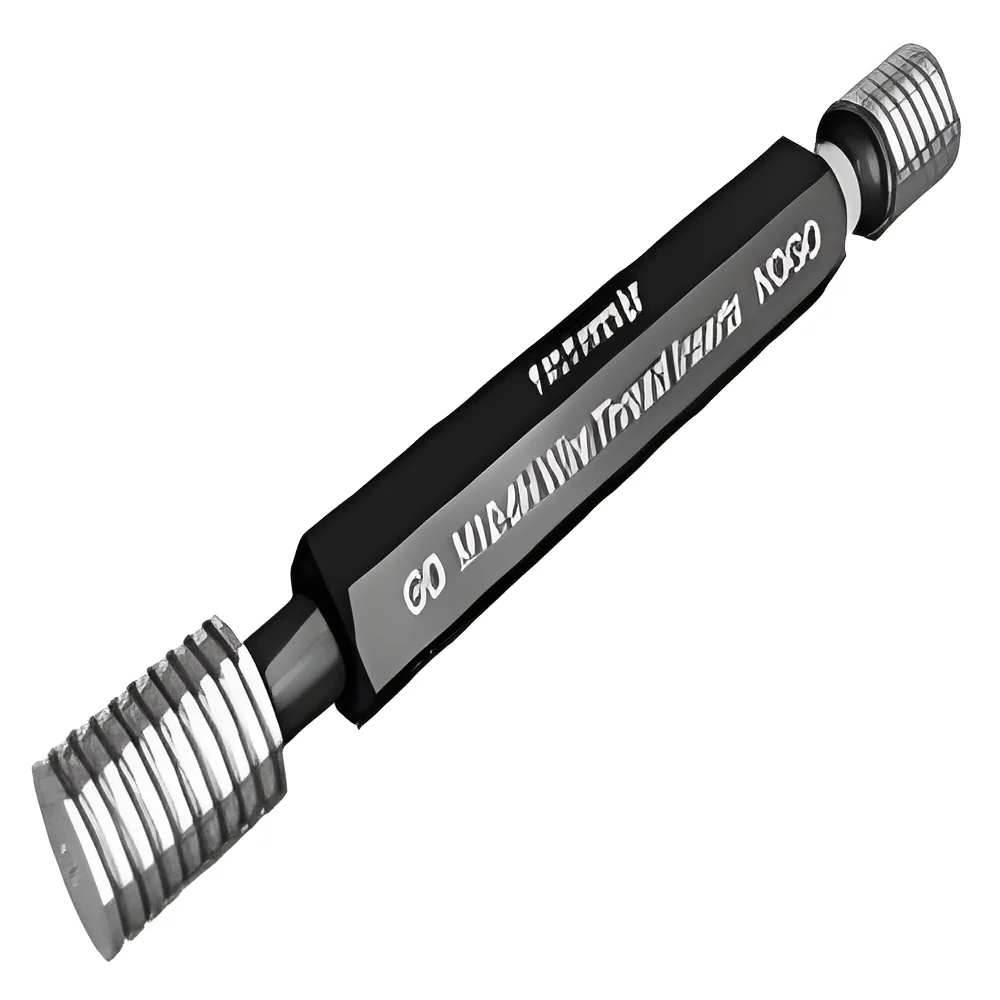
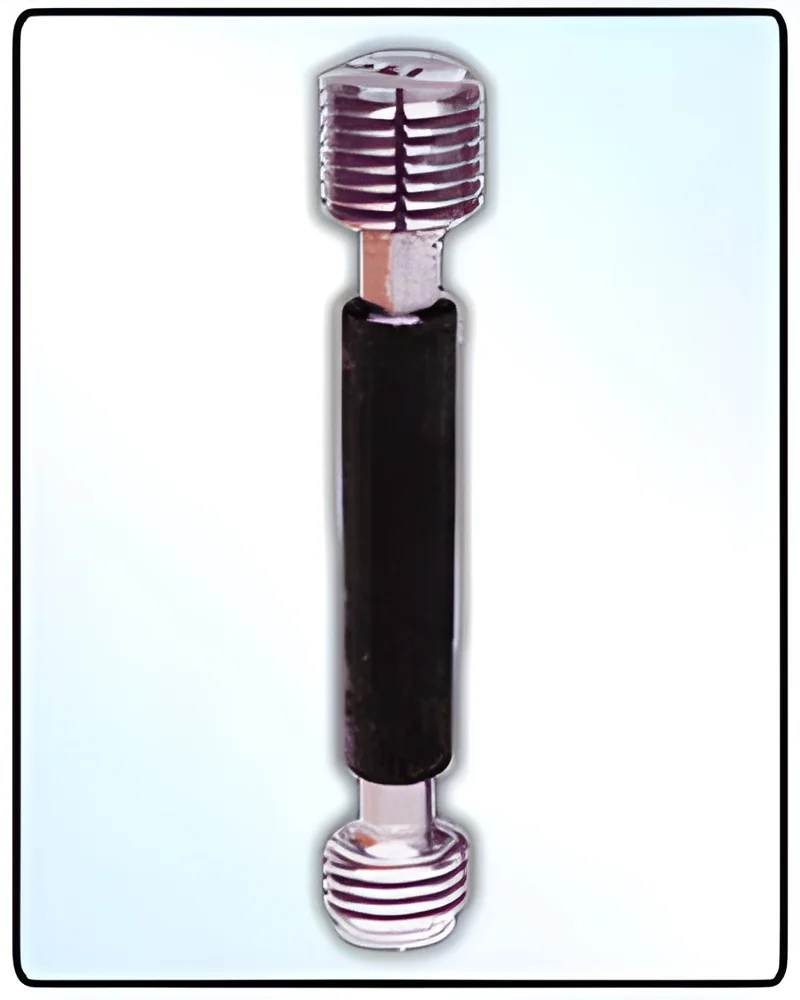
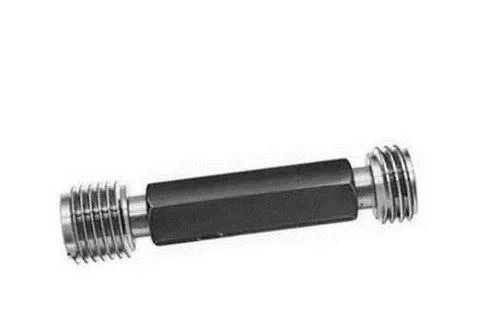
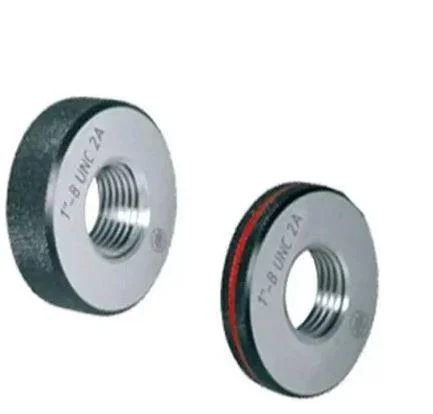
Thread gauges are precision tools used to measure the pitch and diameter of threaded components. These tools play a crucial role in ensuring that threaded parts conform to specific standards, which is essential for proper assembly and function. Thread gauges come in various forms, including plug gauges, ring gauges, and thread pitch gauges, each designed for specific measurement tasks. They help professionals verify the quality and accuracy of threaded components, which is vital in manufacturing and assembly processes.
These gauges find primary applications in industries such as automotive, aerospace, and machinery manufacturing. In these sectors, accurate measurements of threads ensure that components fit together correctly, promoting safety and reliability. Thread gauges are also used in quality control processes to ensure compliance with industry standards. Their relevance is underscored by the growing demand for high-precision manufacturing, where even minor discrepancies in thread dimensions can lead to significant operational issues.
Key Features and Specifications
Thread gauges are designed with specific features that enhance their usability and accuracy. Understanding these features is important for selecting the right gauge for your needs.
Key specifications include:
1. Measurement Type
- Includes plug gauges, ring gauges, and thread pitch gauges
- Each type serves different measurement purposes
2. Material Composition
- Typically made from high-quality steel or carbide
- Ensures durability and resistance to wear
3. Measurement Range
- Available in various sizes to accommodate different thread dimensions
- Specific ranges depend on the gauge type
4. Tolerance Levels
- Defined tolerances ensure precise measurements
- Adherence to standard tolerances is crucial for quality assurance
5. Calibration Standards
- Must meet industry calibration standards for accuracy
- Regular calibration is required to maintain measurement integrity
6. Finish
- Common finishes include hardened and ground surfaces
- Enhances durability and measurement accuracy
7. Usage Guidelines
- Specific instructions for proper use to ensure longevity
- Includes cleaning and storage recommendations
In summary, selecting the right thread gauge involves understanding its specifications and ensuring it meets the requirements of your specific application.
Common Applications and Use Cases
Thread gauges are essential tools in various industries, ensuring precision in threaded components.
1. Automotive: In the automotive industry, thread gauges are used to ensure the accuracy of bolt and nut threads, which are critical for vehicle safety and performance.
2. Aerospace: Aerospace applications require strict adherence to threading standards. Thread gauges help verify that components meet safety regulations and operational requirements.
3. Machinery Manufacturing: In machinery manufacturing, thread gauges are used during quality control processes to ensure that threaded parts fit and function correctly, preventing breakdowns.
4. Construction: Thread gauges are employed in construction to ensure that threaded rods and bolts used in structural applications meet design specifications.
5. Electronics: In the electronics sector, thread gauges verify the compatibility of threaded components in devices, ensuring reliability and function.
6. Medical Devices: Medical equipment relies on precise threading for assembly and safety. Thread gauges help maintain high standards in this sensitive field.
7. Oil and Gas: In the oil and gas industry, thread gauges are crucial for ensuring the integrity of threaded connections in pipes and equipment, which is vital for safety.
Product Variants and Subcategories
Thread gauges come in various forms, each tailored to specific measurement needs.
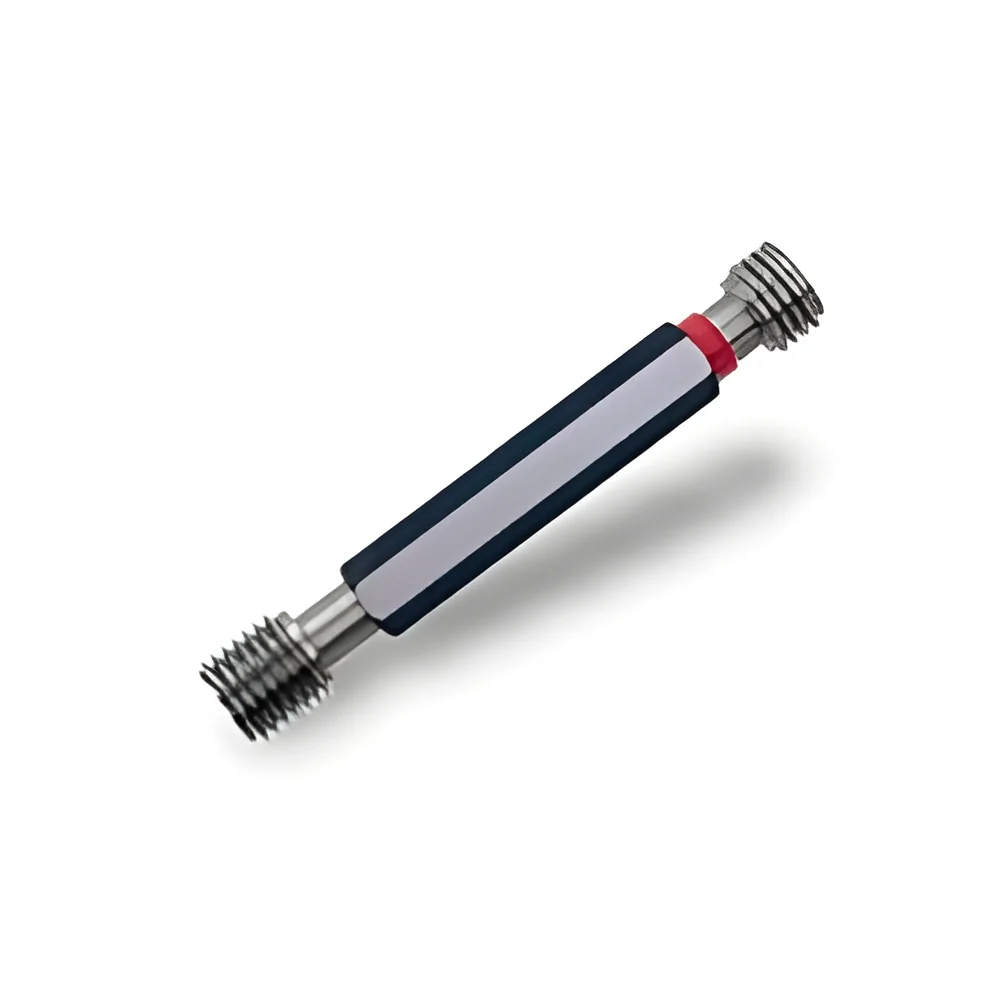
Plug Gauges: These gauges are used to measure internal threads and ensure that they meet specified tolerances. They are precision tools that help in verifying the quality of tapped holes.
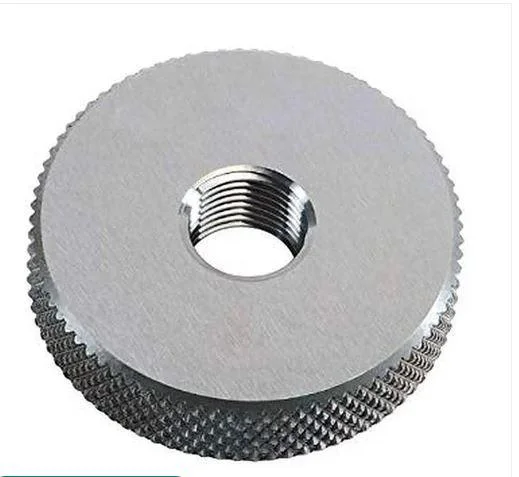
Ring Gauges: Designed for measuring external threads, ring gauges ensure that screws and bolts meet industry standards. They are vital for quality control in manufacturing processes.
Thread Pitch Gauges: These gauges are used to measure the pitch of threads, which is essential for ensuring compatibility between threaded components.
Benefits and Advantages
Choosing thread gauges offers several key benefits that enhance operational efficiency.
1. Precision Measurement: Thread gauges provide accurate measurements, ensuring that components fit together perfectly, which is essential for quality assurance.
2. Improved Quality Control: Regular use of thread gauges in manufacturing processes helps maintain high quality standards, reducing the likelihood of defects.
3. Enhanced Safety: Accurate threading measurements contribute to the safety and reliability of assembled products, particularly in high-stakes industries like aerospace and automotive.
4. Time Efficiency: Using thread gauges streamlines the quality control process, allowing for quicker verification of component specifications.
5. Cost Savings: By ensuring that components meet specifications, thread gauges help prevent costly rework and replacements.
6. Compliance Assurance: Thread gauges assist businesses in adhering to industry standards and regulations, which is vital for maintaining market competitiveness.
Buying Guide for B2B Buyers
When sourcing thread gauges, several factors should be considered to ensure you select the right products for your needs.
1. Quality Assessment: Look for gauges that meet recognized quality standards. Consider the material and construction to ensure durability and accuracy.
2. Supplier Verification: Vet suppliers thoroughly to ensure they have a good reputation and provide reliable products. Check for certifications and customer reviews.
3. Pricing and MOQ: Understand the pricing structure and minimum order quantities. Compare costs across suppliers to ensure competitive pricing.
4. Delivery and Lead Times: Discuss logistics and lead times with suppliers to ensure timely delivery, which is crucial for maintaining production schedules.
5. Compliance Requirements: Ensure that the thread gauges comply with relevant industry standards and regulations to avoid issues down the line.
Compliance and Certifications
Thread gauges must adhere to various quality standards and certifications to ensure accuracy and reliability in measurement.
ISO 9001: This is a widely recognized quality management standard that ensures organizations consistently meet customer and regulatory requirements.
CE Certification: This certification indicates that the product conforms to European health, safety, and environmental protection standards.
Safety and Testing Requirements: Thread gauges must undergo rigorous testing to verify their accuracy and reliability. This includes checks for material integrity and measurement precision.
Regional Compliance Considerations: Depending on the market, different regions may have specific compliance requirements. It is essential to understand these to avoid potential legal issues.
Why Source Thread Gauges from Pepagora?
Pepagora provides a trusted platform for sourcing thread gauges with several key advantages.
Verified Supplier Network: Pepagora ensures that all suppliers are thoroughly vetted and verified, giving buyers confidence in the quality of products they purchase.
Streamlined RFQ Process: The request for quotation process is efficient, allowing buyers to easily compare offers from multiple suppliers and make informed decisions quickly.
Trade Assurance and Support: Buyers benefit from trade assurance that protects their purchases, ensuring they receive the products as promised and on time.
Regional Coverage: Pepagora offers reach across India, the GCC, and Southeast Asia, making it a convenient choice for businesses looking to source thread gauges from reliable suppliers in these regions.

 IN
IN