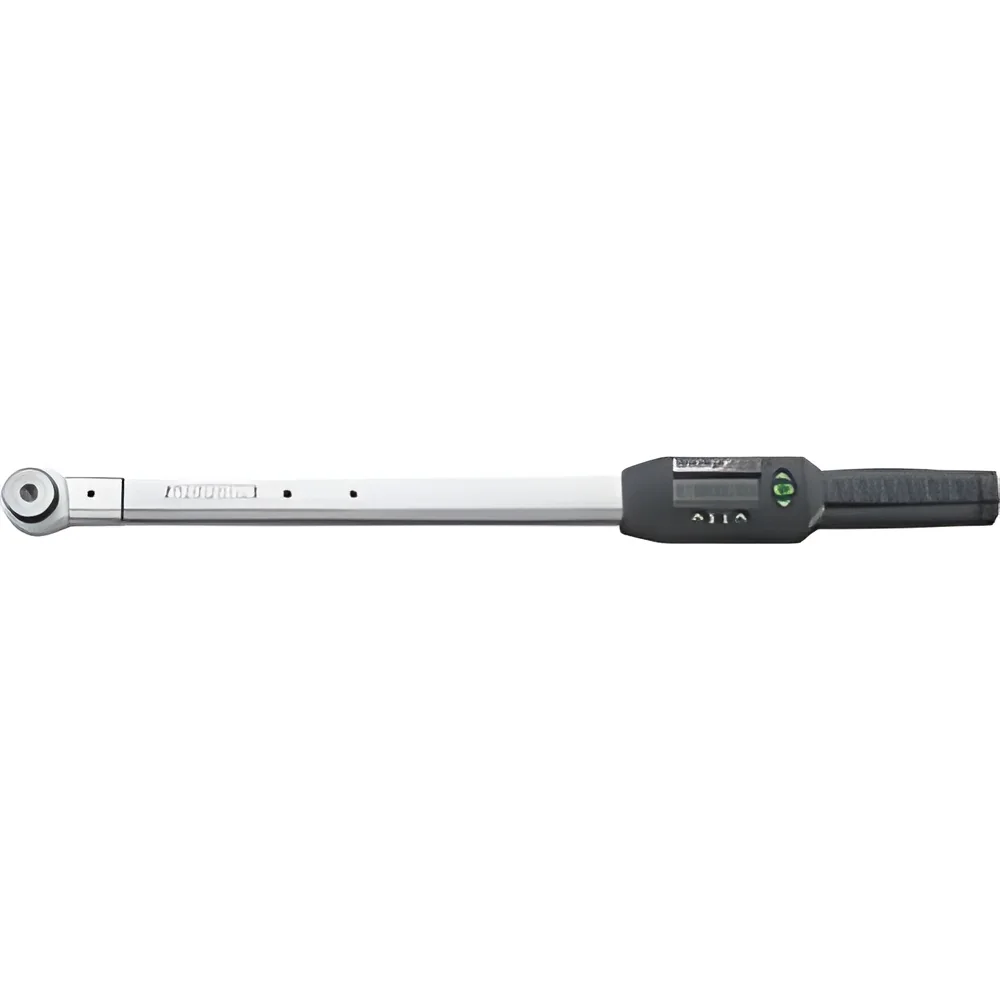
What are Torque Wrenches?
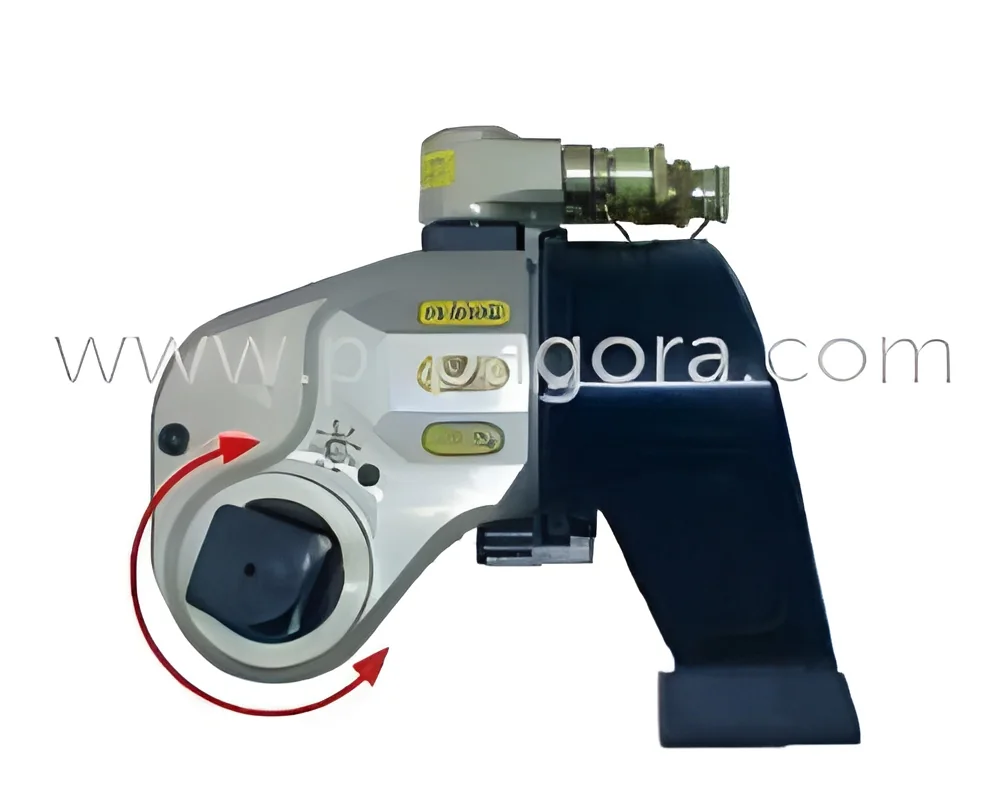
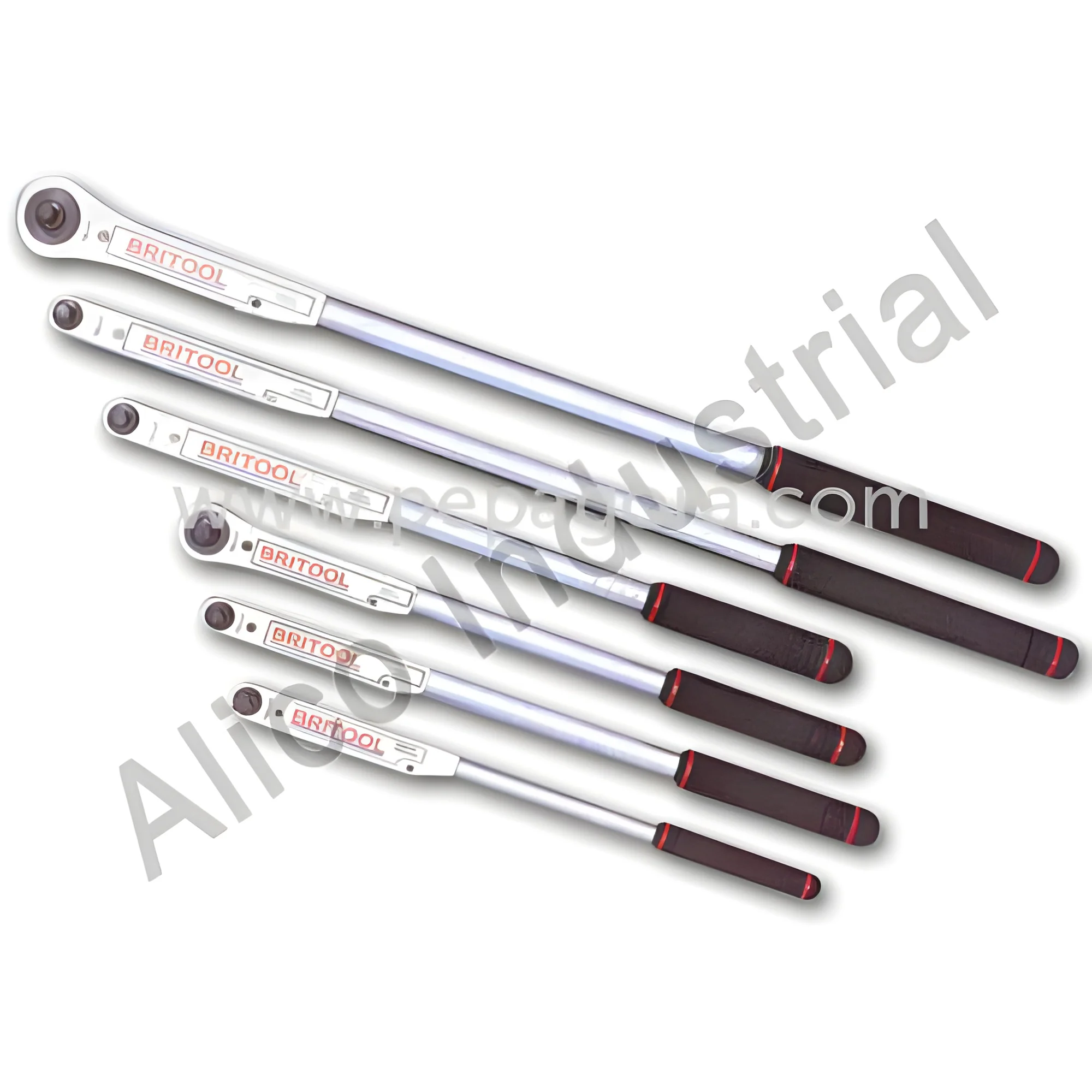
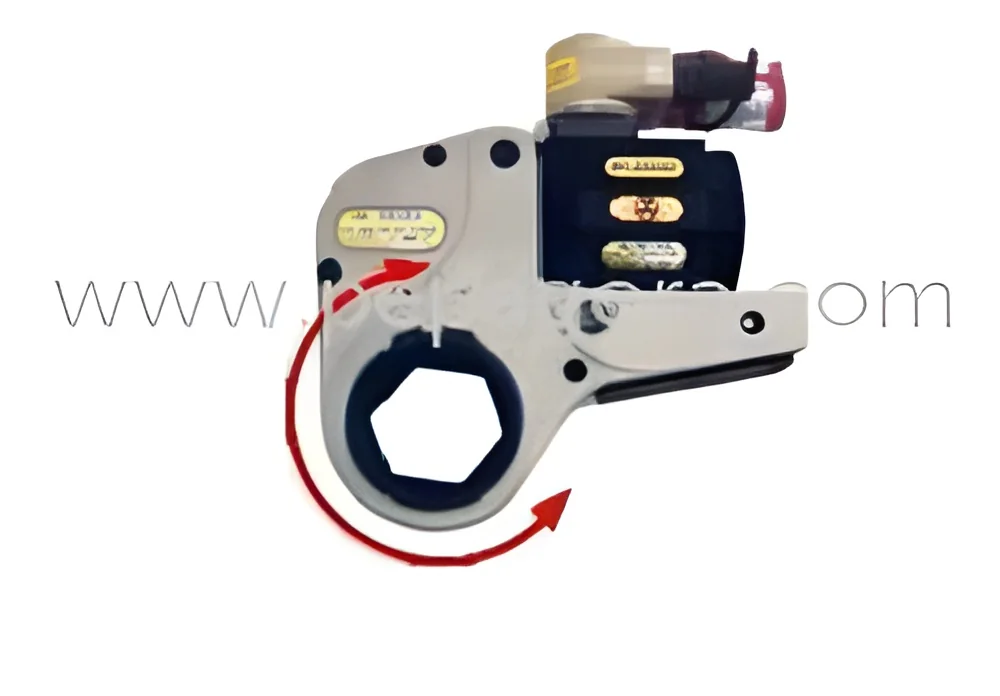
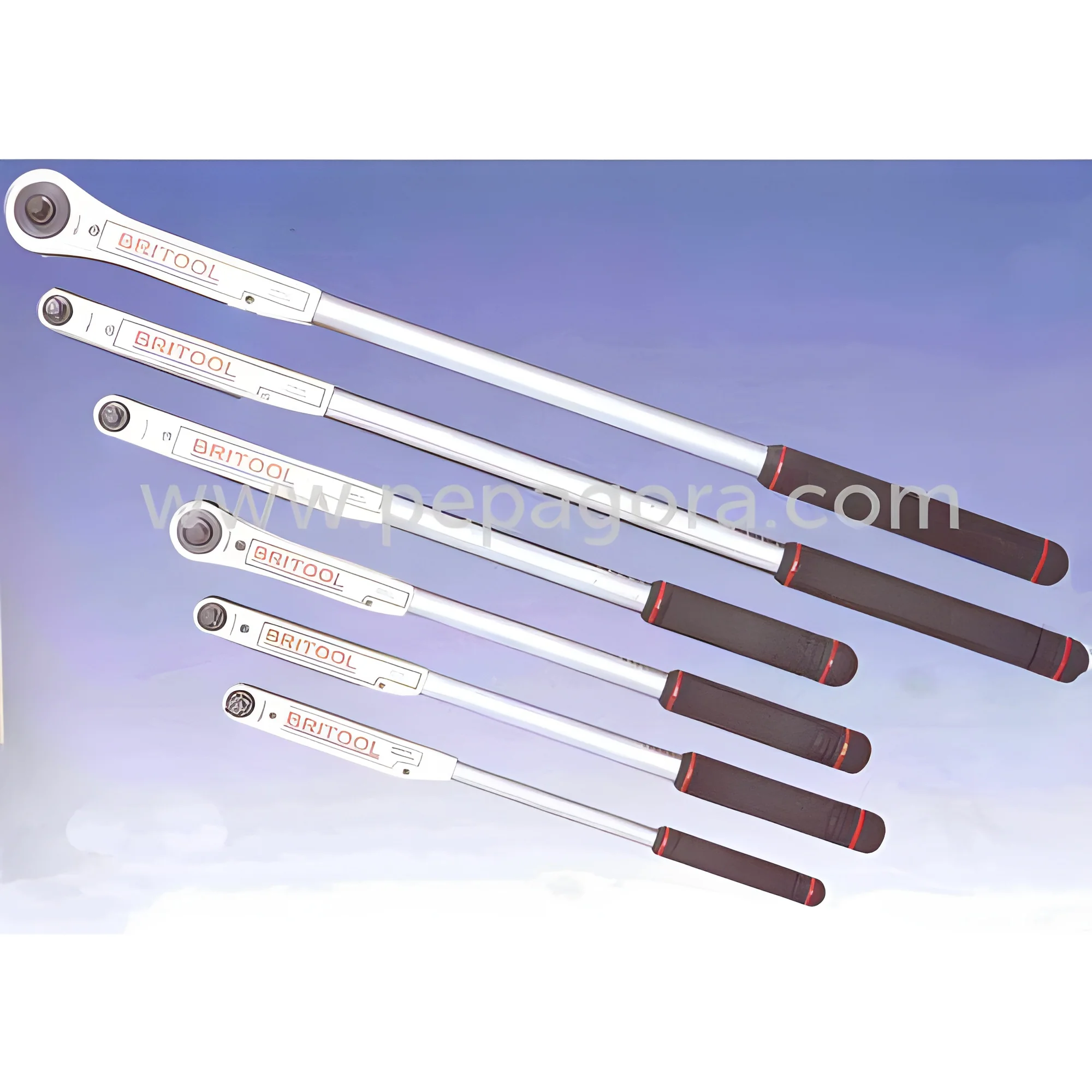
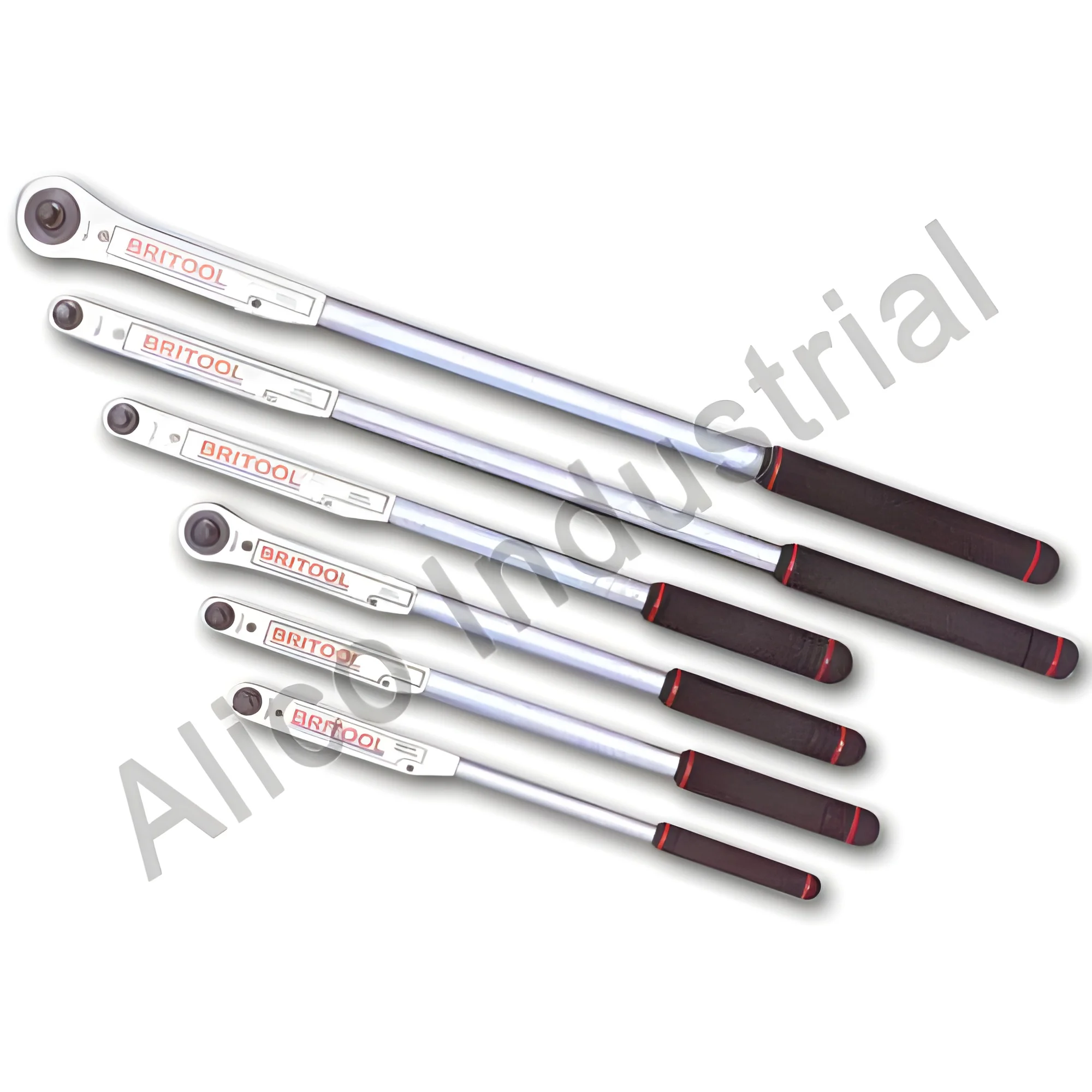
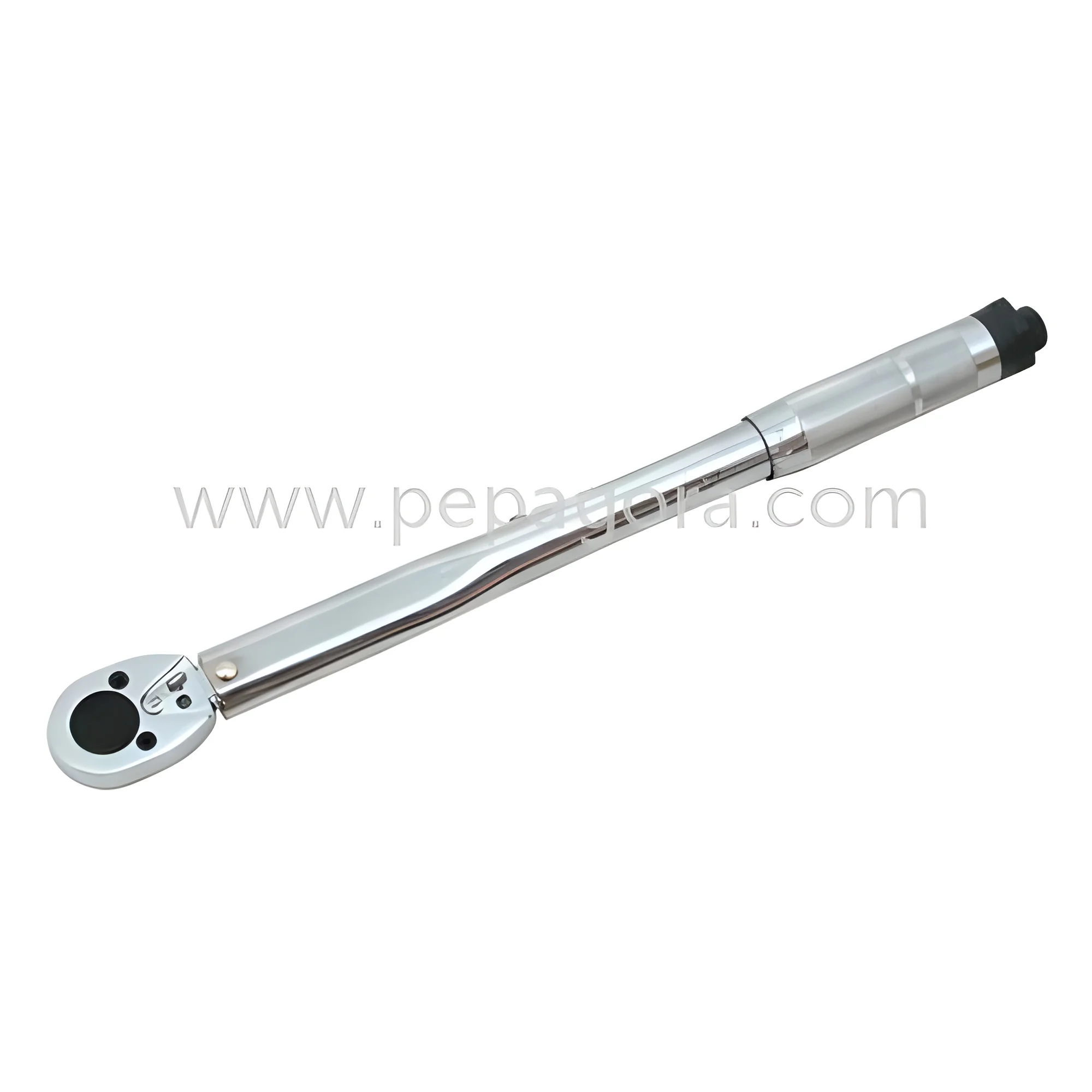
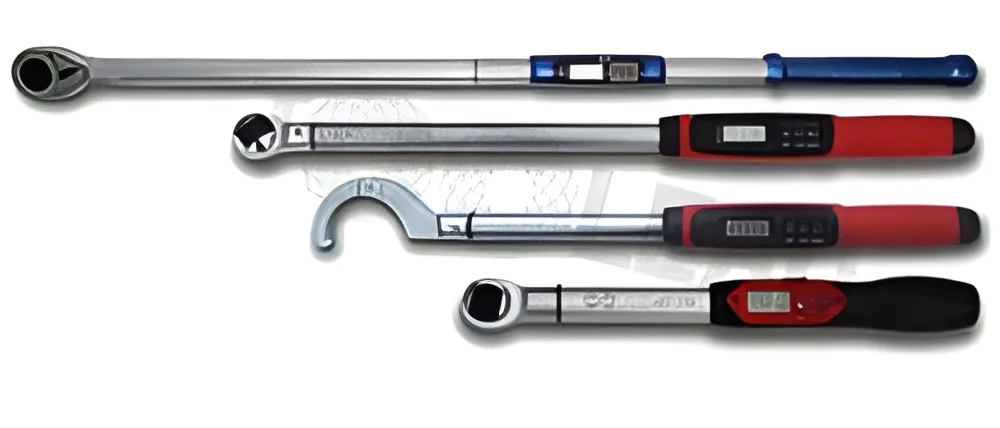
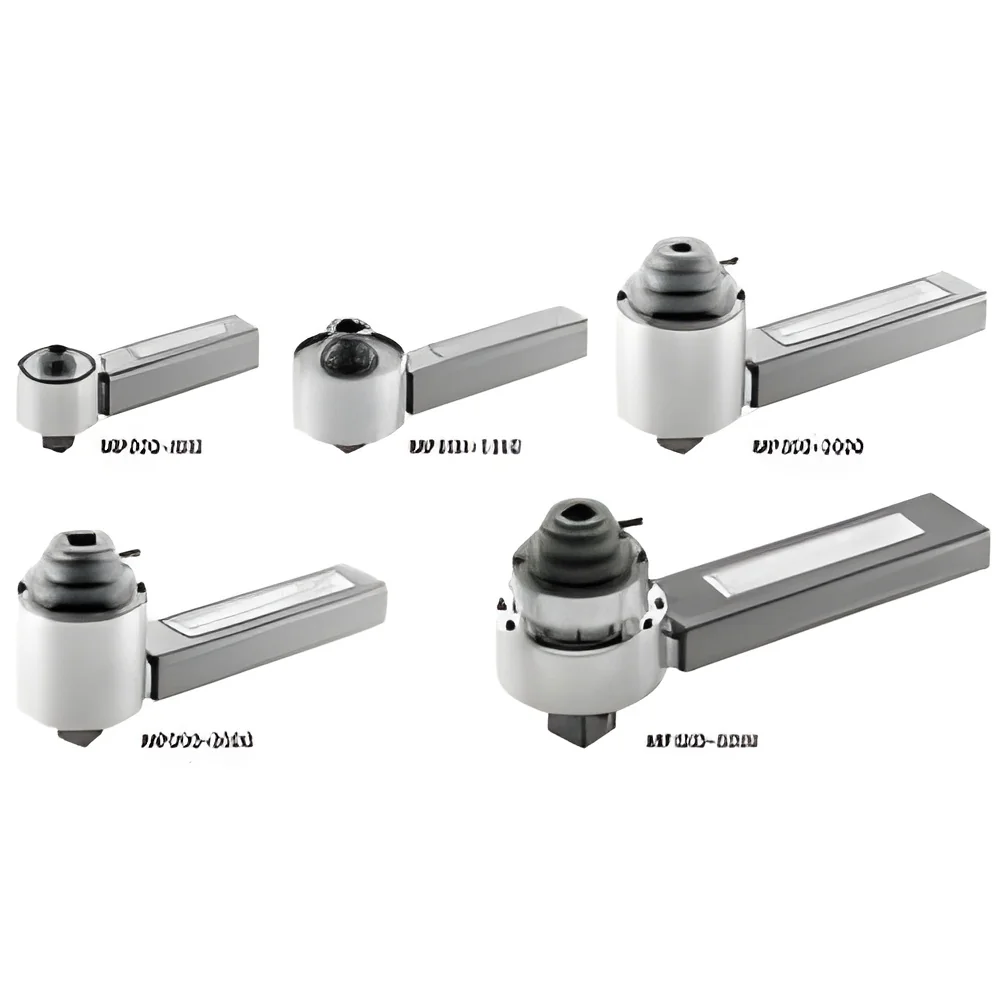
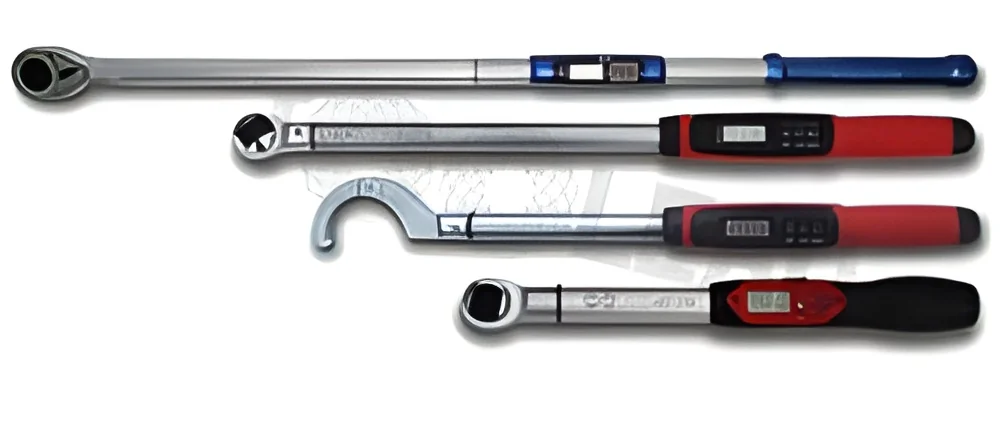
Torque wrenches are precision tools used to apply a specific torque to fasteners such as nuts and bolts. They are critical in ensuring that components are tightened to the correct specifications, preventing damage, loosening, or failure of mechanical assemblies. These tools can be mechanical or electronic and often feature a torque setting that can be adjusted according to the requirements of the job.
In industrial applications, torque wrenches are essential for assembly lines, automotive manufacturing, and maintenance operations. They are used in tasks ranging from assembling machinery to routine vehicle repairs. The ability to deliver precise torque helps to improve safety and reliability in various engineering projects. As industries evolve, the demand for reliable torque wrenches continues to grow, reflecting their importance in maintaining quality standards.
Key Features and Specifications
Torque wrenches come with several key features that enhance their usability and accuracy. Understanding these specifications is essential for selecting the right tool for particular applications.
Key specifications include:
1. Torque Range
- This specification indicates the range of torque the wrench can apply.
- Common ranges vary from 5 to 200 foot-pounds.
2. Accuracy
- This refers to how closely the tool can apply the intended torque.
- Typical accuracy is within 3-5% of the set value.
3. Drive Size
- The drive size determines compatibility with sockets.
- Common sizes include 1/4 inch, 3/8 inch, and 1/2 inch.
4. Measurement Units
- Torque can be measured in various units.
- Common units include foot-pounds, inch-pounds, and Newton-meters.
5. Calibration
- Calibration ensures the wrench provides accurate torque readings.
- Recommended calibration intervals are typically every 6-12 months.
6. Type
- Torque wrenches can be categorized as beam, click, or digital.
- Each type offers different advantages based on user preference.
7. Construction Material
- The materials used affect durability and weight.
- Common materials include steel and plastic.
8. Ergonomic Design
- An ergonomic design enhances user comfort during prolonged use.
- Features may include rubber grips and lightweight construction.
In summary, understanding these specifications helps buyers choose the right torque wrench that meets their operational needs.
Common Applications and Use Cases
Torque wrenches are versatile tools used across multiple industries, each with specific applications.
1. Automotive Industry: Torque wrenches are vital for assembling engines and suspensions. They ensure that critical components are fastened to manufacturer specifications.
2. Aerospace Industry: In aerospace, torque wrenches are used to secure components in aircraft. They help maintain structural integrity and safety.
3. Construction Industry: Construction relies on torque wrenches for fastening structural elements. Proper torque application is essential for building safety.
4. Manufacturing: In manufacturing, torque wrenches ensure the proper assembly of machinery. They help maintain quality control in production lines.
5. Marine Industry: Torque wrenches are essential for securing components in ships and boats. They help prevent failures in harsh marine environments.
6. Heavy Equipment: Torque wrenches are used to maintain heavy machinery. Proper torque application is crucial for equipment longevity and safety.
7. Renewable Energy: In the renewable energy sector, torque wrenches are used in the assembly of wind turbines and solar panels. They help ensure optimal performance.
Product Variants and Subcategories
Torque wrenches come in various types to suit different user needs and applications.
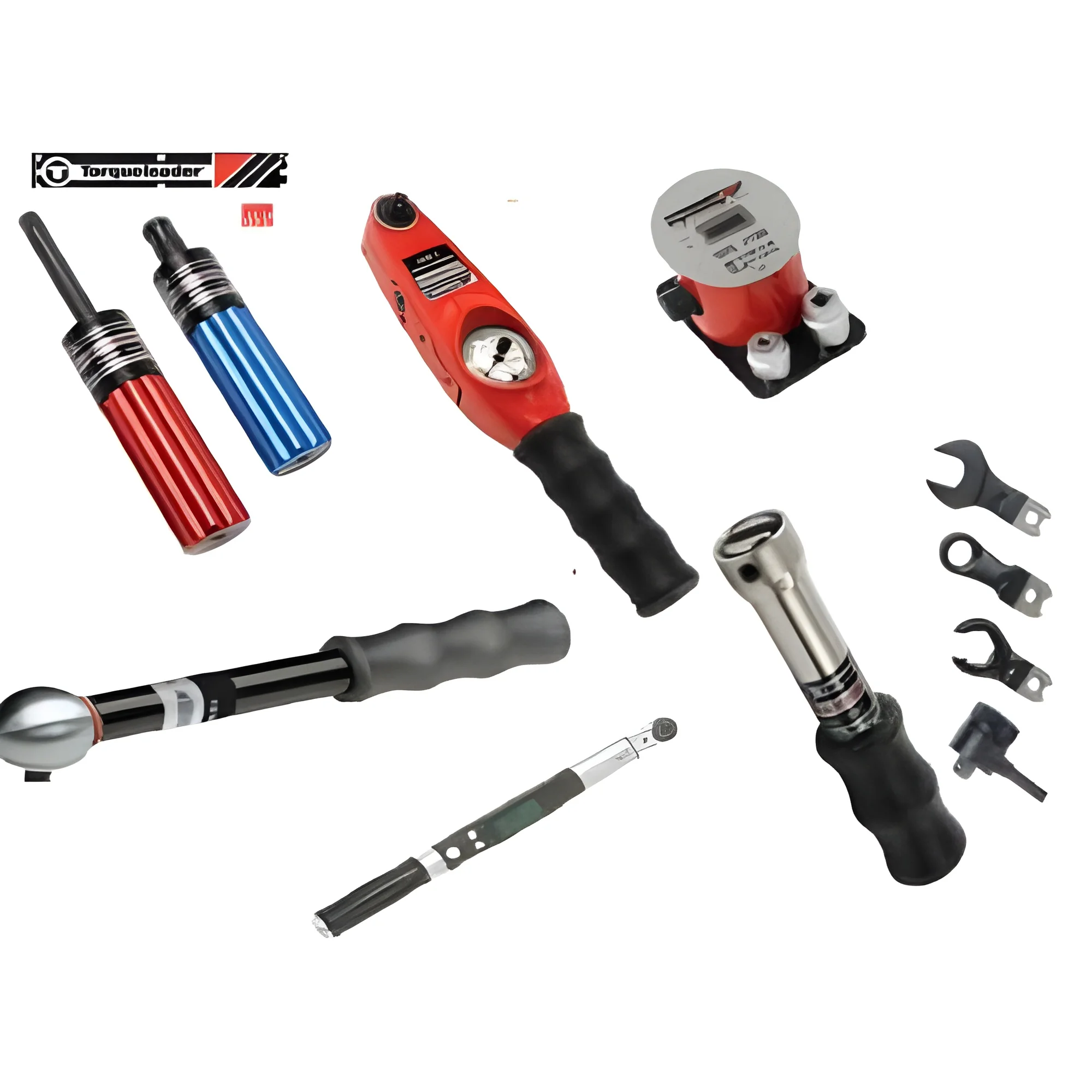
Click Torque Wrench: This type provides an audible click to signal that the desired torque has been reached. It is widely used in automotive and industrial applications for its precision.
Beam Torque Wrench: A simpler design, the beam torque wrench uses a visual indicator to show torque levels. It is often favored for its reliability and ease of use in various settings.
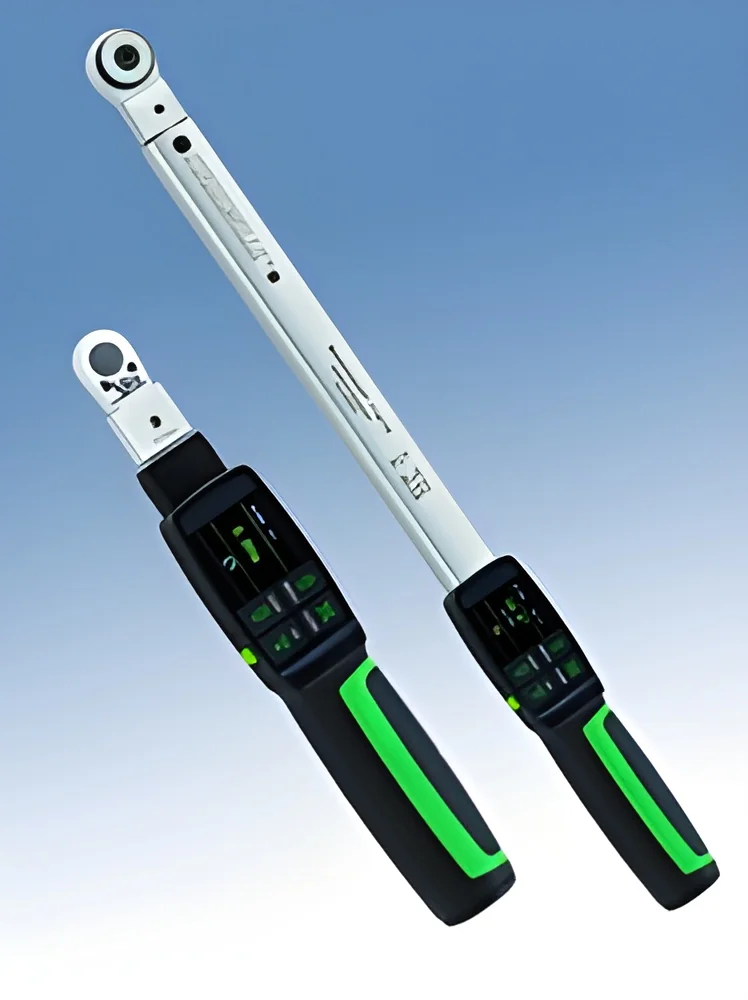
Digital Torque Wrench: This modern variant features electronic displays for easy reading and advanced features such as memory settings. It is ideal for applications requiring high accuracy.
Dial Torque Wrench: Using a dial gauge, this wrench provides a visual indication of torque applied. It is suitable for precision tasks in multiple industries.
Benefits and Advantages
Choosing the right torque wrench offers several significant benefits.
1. Enhanced Precision: Torque wrenches provide accurate torque settings, reducing the risk of over-tightening or under-tightening.
2. Improved Safety: Proper torque application enhances the safety of mechanical assemblies, preventing failures that could lead to accidents.
3. Increased Efficiency: Using a torque wrench can speed up assembly processes by ensuring fasteners are tightened correctly the first time.
4. Cost Savings: Reducing errors in fastening can lower repair and maintenance costs, leading to long-term savings.
5. Versatility: Torque wrenches can be used in various applications across different industries, making them a valuable tool for many businesses.
6. Compliance with Standards: Using torque wrenches helps companies meet industry standards and regulations, ensuring quality in their operations.
Buying Guide for B2B Buyers
When sourcing torque wrenches for your business, consider several important factors.
1. Quality Assessment: Evaluate the quality of materials and construction. Ensure the product meets industry standards for durability and performance.
2. Supplier Verification: Vet suppliers to ensure they have a track record of reliability and quality. Check for certifications and customer reviews.
3. Pricing and MOQ: Understand the pricing structure and minimum order quantities. Compare prices across suppliers to find the best value.
4. Delivery and Lead Times: Inquire about delivery schedules and lead times. Ensure that the supplier can meet your operational deadlines.
5. Compliance Requirements: Be aware of any compliance needs relevant to your industry. Ensure that the torque wrenches meet necessary safety and quality certifications.
Compliance and Certifications
Torque wrenches must adhere to various quality standards to ensure safety and reliability.
ISO 9001 is a widely recognized standard that outlines quality management systems. Manufacturers of torque wrenches should comply with this standard to ensure consistent quality in their products.
CE certification is important for products sold in European markets. It indicates that the product meets European safety, health, and environmental protection standards.
Safety and testing requirements are also crucial. Torque wrenches should undergo rigorous testing to verify their accuracy and durability under typical operating conditions.
Regional compliance considerations may vary, so it is important to be aware of any local regulations that apply to the use and certification of torque wrenches in specific markets.
Why Source Torque Wrenches from Pepagora?
Pepagora offers a trusted platform for sourcing torque wrenches, delivering several key advantages to buyers.
Verified Supplier Network: Pepagora boasts a robust network of verified suppliers. Each supplier is vetted to ensure reliability and quality, providing peace of mind for buyers.
Streamlined RFQ Process: The platform simplifies the request for quotation process. Buyers can easily compare prices and specifications from multiple suppliers, making informed purchasing decisions.
Trade Assurance and Support: Pepagora provides trade assurance to protect buyers. This includes support for any disputes or issues that may arise during the purchasing process.
Regional Coverage: With a strong presence in India, the GCC, and Southeast Asia, Pepagora ensures that buyers have access to a wide range of products and suppliers, catering to diverse market needs.

 IN
IN