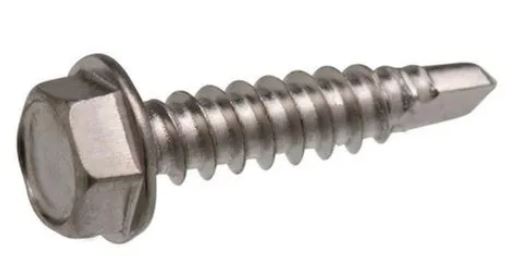
𝗪𝗵𝗮𝘁 𝗮𝗿𝗲 𝗦𝗲𝗹𝗳-𝗧𝗮𝗽𝗽𝗶𝗻𝗴 𝗦𝗰𝗿𝗲𝘄𝘀?
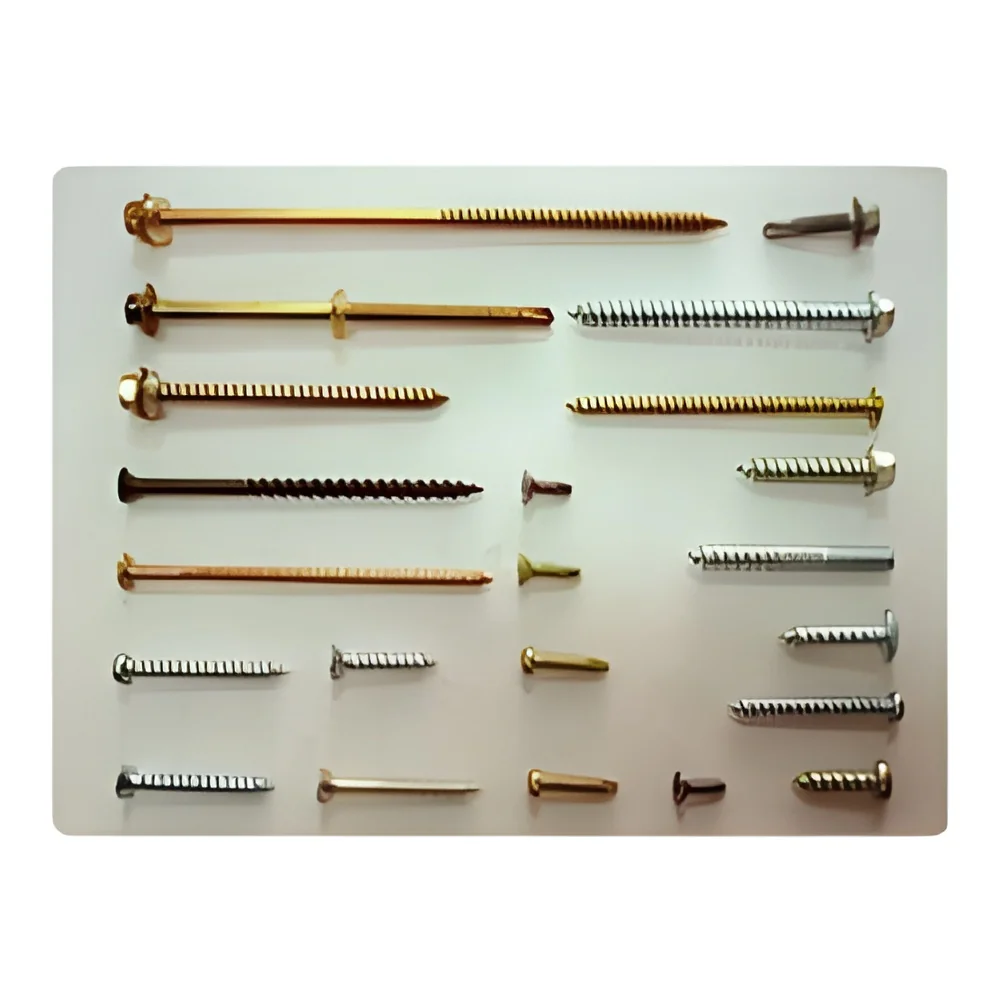
Self-tapping screws are a type of fastener designed to create their own mating thread when driven into materials. These screws have a sharp tip and threads that allow them to drill into various substrates, including metal, wood, and plastic, without the need for a pre-drilled hole. This feature makes them highly efficient and cost-effective for various applications, reducing installation time and labor costs.
The primary uses of self-tapping screws span multiple industries, including construction, automotive, and electronics. They are commonly employed for securing components, assembling parts, and as fastening solutions in various machinery. Their ability to create threads in a variety of materials makes them a versatile choice for manufacturers and contractors alike. In the current market, as industries seek to optimize production processes and enhance product durability, self-tapping screws remain relevant for their reliability and ease of use.
𝗞𝗲𝘆 𝗙𝗲𝗮𝘁𝘂𝗿𝗲𝘀 𝗮𝗻𝗱 𝗦𝗽𝗲𝗰𝗶𝗳𝗶𝗰𝗮𝘁𝗶𝗼𝗻𝘀
Self-tapping screws offer a range of features that cater to different applications and materials. Understanding these specifications is crucial for selecting the right screw for a project.
Key specifications include:
1. Material
- Typically made from steel, stainless steel, or plastic
- Offers varying levels of corrosion resistance and strength
2. Thread Type
- Available in coarse and fine threads
- Coarse threads provide better grip in softer materials, while fine threads are suited for harder substrates
3. Head Style
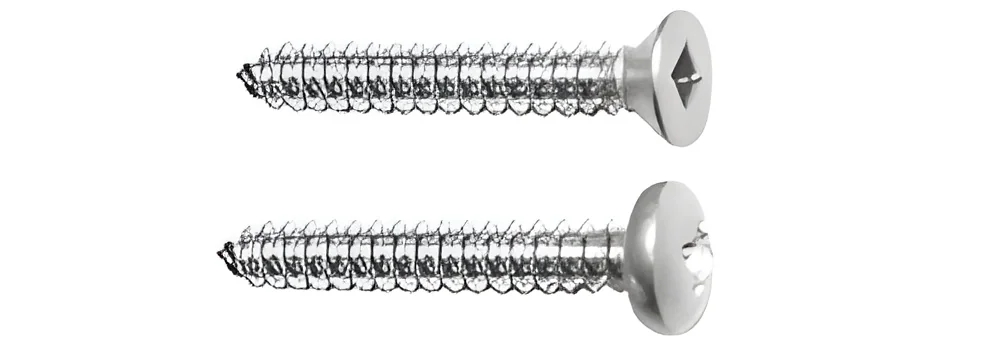
- Common head types include flat, pan, and hex
- Each style serves specific purposes regarding aesthetics and tool engagement
4. Drive Type
- Options include Phillips, slotted, and Torx
- Different drive types provide varying levels of torque and ease of installation
5. Length
- Available in a range of lengths to accommodate different thicknesses of materials
- Ensures optimal penetration and holding power
6. Coating
- Options for coatings include zinc plating, black oxide, and others
- Coatings enhance corrosion resistance and surface finish
7. Size
- Available in various diameters
- Ensures compatibility with a range of applications and load requirements
8. Compliance
- Specific screws may meet industry standards such as CE certification
- Ensures reliability and safety in applications
Self-tapping screws offer versatility and reliability, making them essential in various industrial applications.
𝗖𝗼𝗺𝗺𝗼𝗻 𝗔𝗽𝗽𝗹𝗶𝗰𝗮𝘁𝗶𝗼𝗻𝘀 𝗮𝗻𝗱 𝗨𝘀𝗲 𝗖𝗮𝘀𝗲𝘀
Self-tapping screws are widely used across numerous industries due to their versatility and efficiency in fastening.
1. Construction: In construction, self-tapping screws are used for fastening drywall, metal framing, and roof decking, providing secure connections that withstand structural loads.
2. Automotive: In the automotive sector, these screws secure various components, including panels, brackets, and underbody parts, ensuring durability and performance.
3. Electronics: Within electronics, self-tapping screws are used to fasten circuit boards and casings, allowing for efficient assembly and maintenance.
4. Furniture: In the furniture industry, they are utilized for assembling flat-pack items, offering ease of installation without requiring pre-drilled holes.
5. HVAC: For heating, ventilation, and air conditioning systems, self-tapping screws secure ducts and components, contributing to system integrity.
6. Appliances: Home and industrial appliances often use these screws for assembly, ensuring parts are securely fastened for longevity and safety.
7. Marine: In marine applications, self-tapping screws are employed in boat assembly and repairs, providing resistance to corrosion from saltwater environments.
𝗣𝗿𝗼𝗱𝘂𝗰𝘁 𝗩𝗮𝗿𝗶𝗮𝗻𝘁𝘀 𝗮𝗻𝗱 𝗦𝘂𝗯𝗰𝗮𝘁𝗲𝗴𝗼𝗿𝗶𝗲𝘀
Self-tapping screws come in various forms to meet specific requirements across industries.
Self-Drilling Screws: These screws have a drill point that allows them to penetrate materials without needing a pilot hole. They are often used in metal-to-metal applications, providing a strong and secure connection.
Self-Threading Screws: Designed to create threads in soft materials, these screws are ideal for applications in plastic and wood, ensuring a secure hold without damaging the substrate.
Self-Piercing Screws: These screws pierce through thin sheets of metal, making them suitable for automotive and construction applications where speed and efficiency are critical.
𝗕𝗲𝗻𝗲𝗳𝗶𝘁𝘀 𝗮𝗻𝗱 𝗔𝗱𝘃𝗮𝗻𝘁𝗮𝗴𝗲𝘀
Self-tapping screws offer several key benefits that enhance their appeal for industrial applications.
1. Time Efficiency: They eliminate the need for pre-drilling holes, significantly reducing installation time.
2. Cost-Effectiveness: By streamlining the fastening process, they lower labor costs and reduce material waste.
3. Versatility: Available in various materials and sizes, they can be used in multiple applications across different industries.
4. Strong Hold: Designed to create their own threads, they provide a secure grip in various substrates, ensuring reliability.
5. Easy Installation: Their design allows for quick and straightforward installation, even in tight spaces.
6. Reduced Risk of Damage: Self-tapping screws minimize the risk of splitting or cracking materials, particularly in softer substrates.
𝗕𝘂𝘆𝗶𝗻𝗴 𝗚𝘂𝗶𝗱𝗲 𝗳𝗼𝗿 𝗕𝟮𝗕 𝗕𝘂𝘆𝗲𝗿𝘀
When sourcing self-tapping screws for industrial applications, several factors should be considered to ensure the right choice.
1. Quality Assessment: Evaluate the quality of self-tapping screws by checking material certifications and construction standards, ensuring they meet the required specifications for your application.
2. Supplier Verification: Vet potential suppliers by reviewing their reputation, customer feedback, and certifications to ensure reliability and product quality.
3. Pricing and MOQ: Consider pricing structures and minimum order quantities to find a supplier that aligns with your budget and project scale.
4. Delivery and Lead Times: Assess logistics capabilities and lead times to ensure timely delivery that meets project deadlines.
5. Compliance Requirements: Confirm that the screws meet any relevant compliance standards and regulatory requirements specific to your industry or region.
𝗖𝗼𝗺𝗽𝗹𝗶𝗮𝗻𝗰𝗲 𝗮𝗻𝗱 𝗖𝗲𝗿𝘁𝗶𝗳𝗶𝗰𝗮𝘁𝗶𝗼𝗻𝘀
Self-tapping screws must comply with various quality standards to ensure safety and effectiveness in applications. Common standards include ISO 9001, which outlines quality management systems, and CE certification, indicating conformity with European safety standards.
Industry-specific certifications may also apply, depending on the application. For example, screws used in food processing may need to meet HACCP guidelines.
Safety and testing requirements are critical, especially in sectors like automotive and aerospace, where product failure can have serious consequences.
Regional compliance considerations can vary, so it is essential to understand local regulations and quality standards when sourcing self-tapping screws for specific markets.
𝗪𝗵𝘆 𝗦𝗼𝘂𝗿𝗰𝗲 𝗦𝗲𝗹𝗳-𝗧𝗮𝗽𝗽𝗶𝗻𝗴 𝗦𝗰𝗿𝗲𝘄𝘀 𝗳𝗿𝗼𝗺 𝗣𝗲𝗽𝗮𝗴𝗼𝗿𝗮?
Pepagora provides a trusted platform for sourcing self-tapping screws, offering several key advantages for B2B buyers.
Verified Supplier Network: Pepagora ensures that all suppliers are thoroughly vetted, providing buyers with confidence in the quality and reliability of products.
Streamlined RFQ Process: The request for quotation process is designed to be user-friendly, allowing buyers to quickly receive competitive quotes from multiple suppliers.
Trade Assurance and Support: Buyers benefit from trade assurance mechanisms that protect their transactions, ensuring a secure purchasing experience.
Regional Coverage: Pepagora’s extensive network spans India, the GCC, and Southeast Asia, providing buyers access to a broad range of suppliers and products tailored to regional needs.

 IN
IN