IN
IN₹
Apparel & Fashion
Loading subcategories...
View More
Description
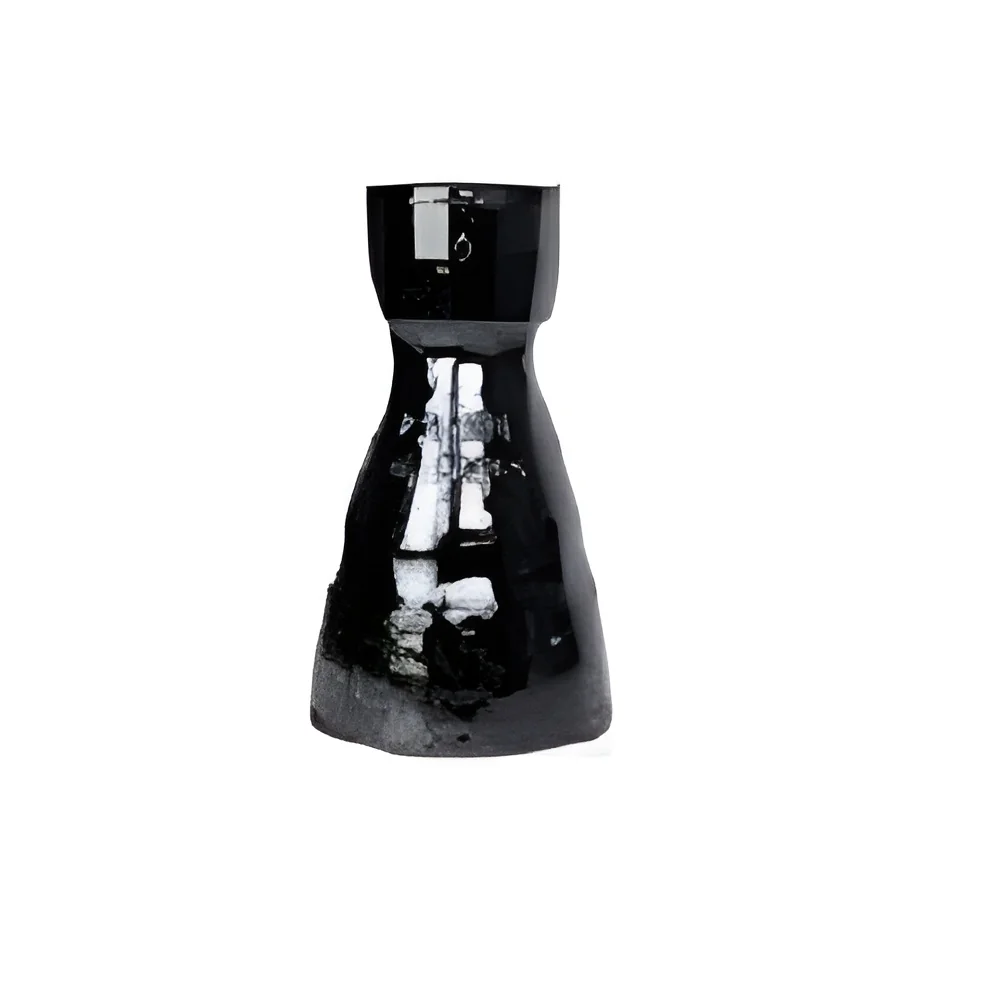
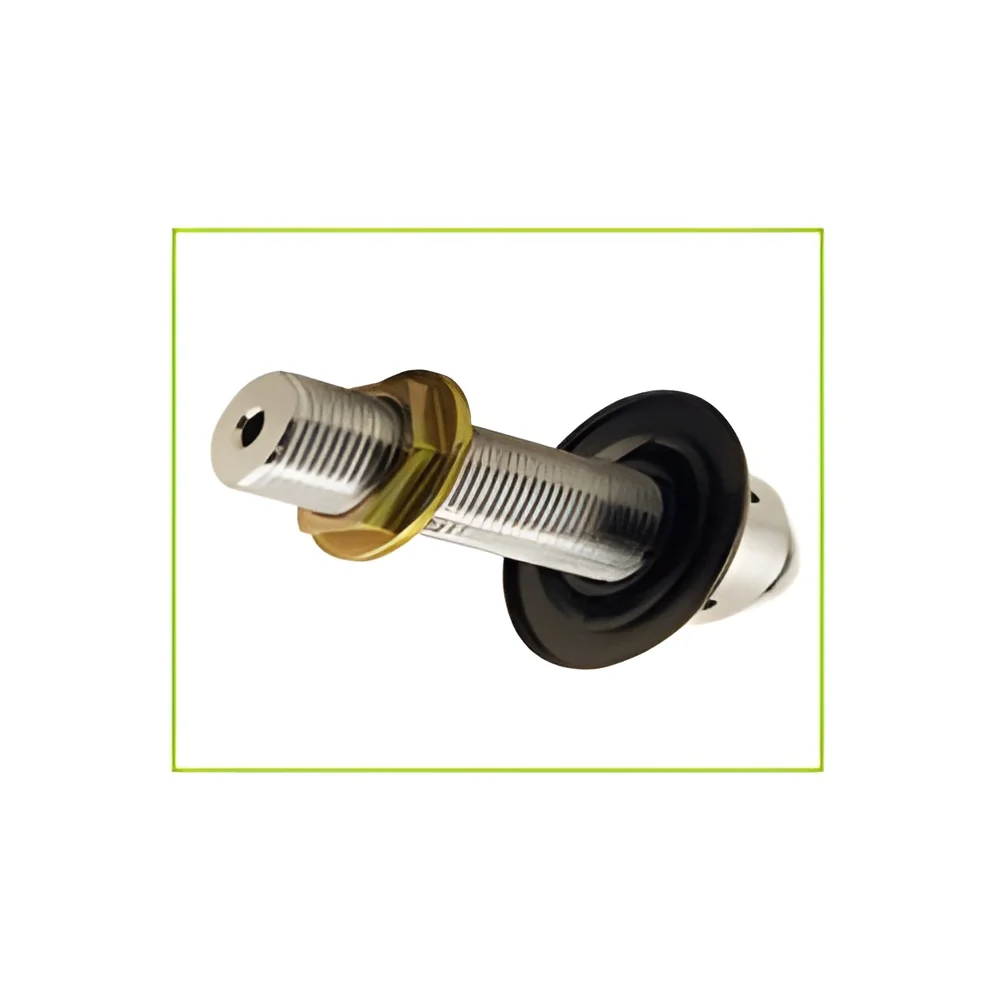
The Industrial Stainless Steel 304 Shank with 1/4 inch bore represents precision engineering excellence for industrial power transmission applications. Manufactured from high-grade 304 stainless steel, this component delivers exceptional corrosion resistance suitable for various demanding environments. The standard shank design ensures broad compatibility with numerous industrial systems while the precise 1/4 inch bore provides secure fitting for reliable power transfer. Each component undergoes rigorous quality control to maintain dimensional accuracy and mechanical integrity, ensuring consistent performance in critical applications where component failure is not an option and operational reliability is paramount for continuous production cycles.

Multiple industries benefit from this stainless steel shank's robust construction and corrosion-resistant properties. Manufacturing plants utilize these components in conveyor systems, automated assembly lines, and processing equipment where...
The Industrial Stainless Steel 304 Shank with 1/4 inch bore represents precision engineering excellence for industrial power transmission applications. Manufactured from high-grade 304 stainless steel, this component delivers exceptional corrosion resistance suitable for various demanding environments. The standard shank design ensures broad compatibility with numerous industrial systems while the precise 1/4 inch bore provides secure fitting for reliable power transfer. Each component undergoes rigorous quality control to maintain dimensional accuracy and mechanical integrity, ensuring consistent performance in critical applications where component failure is not an option and operational reliability is paramount for continuous production cycles.

Multiple industries benefit from this stainless steel shank's robust construction and corrosion-resistant properties. Manufacturing plants utilize these components in conveyor systems, automated assembly lines, and processing equipment where exposure to moisture, chemicals, or temperature variations is common. The food processing industry values its hygienic properties and compliance with sanitary standards, while chemical plants appreciate its resistance to corrosive substances and harsh processing environments. Automotive manufacturers integrate these shanks into production machinery requiring precision motion control, and agricultural equipment manufacturers rely on them for durable performance in outdoor conditions with exposure to weather elements and agricultural chemicals.

Businesses choosing this stainless steel shank gain significant operational value through reduced maintenance costs and extended equipment lifespan. The reliability of 304 stainless steel ensures consistent performance without material degradation, minimizing unexpected downtime and production interruptions that can impact overall productivity. Its standardization enables easy replacement and compatibility across multiple systems, reducing inventory complexity and simplifying maintenance procedures. The corrosion-resistant properties translate to lower replacement frequency and better return on investment, particularly in harsh operating environments where ordinary components would fail prematurely, ensuring long-term operational efficiency and cost-effectiveness for industrial operations.

Key Features:
- Manufactured from grade 304 stainless steel for superior corrosion resistance
- Standard shank design ensuring broad compatibility with industrial systems
- Precision 1/4 inch bore for secure fitting and reliable power transmission
- Rigorous quality control maintaining dimensional accuracy and mechanical integrity
- Suitable for high-stress applications in various environmental conditions

Benefits:
- Extended component lifespan reducing replacement frequency and costs
- Reduced maintenance requirements and minimized operational downtime
- Broad compatibility across multiple industrial systems and equipment
- Consistent performance in harsh and corrosive environments
- Enhanced operational reliability for continuous production cycles
Specifications
| Additional Information | |
|---|---|
| Country of Origin | India |
| Customisable | No |
Application
This stainless steel 304 shank with 1/4 inch bore is engineered for demanding industrial environments where corrosion resistance and mechanical strength are essential. Its standard design ensures compatibility across various machinery and equipment, making it a versatile component for power transmission systems that require reliable performance under high-stress conditions while maintaining dimensional accuracy and operational efficiency across multiple sectors.
Manufacturing and processing industries depend on these shanks for exceptional durability and resistance to harsh operating conditions. From food processing equipment to chemical handling machinery, the 304 stainless steel construction meets stringent hygiene and safety standards while delivering consistent performance during continuous operation. The standardized dimensions facilitate easy integration and replacement, significantly reducing downtime and maintenance costs while ensuring long-term reliability.
- Power transmission systems in conveyor belts and material handling equipment
- Drive components for food processing and packaging machinery requiring hygiene compliance
- Precision motion control systems in automotive manufacturing assembly lines
- Agricultural equipment demanding corrosion-resistant drive components for outdoor use
- Industrial pumps and compressors operating in chemical processing environments
Trade Details
| Available Stock | In Stock |
| Sample Availability | No |
Payment Terms
| Payment Terms |
|
Company Profile
Bir Industries, Punjab
 Punjab, India
Punjab, IndiaIndustrial Equipment & Machinery•Manufacturer•Importer / Exporter
Factory Details
Factory SizeBelow 1000 sqm
Annual Production Capacity0
Industrial Stainless Steel 304 Shank 1/4 Inch Bore Corrosion Resistant
Industrial Stainless Steel 304 Shank with 1/4 inch bore delivers superior corrosion resistance and durability for industrial machinery, automation systems, and precision equipment requiring reliable power transmission components.
Min. Order Quantity: 1 unit
Shipping
Shipping fee and delivery date to be negotiated. Contact supplier now for more details.
Bir Industries
 Punjab, India
Punjab, IndiaIndustrial Equipment & MachineryManufacturer