
 IN
Blind Rivets (Pop Rivets)
2 products available
Key Features and Specifications
Blind rivets come with a range of features and specifications tailored to meet various application needs. Understanding these specifications is crucial for selecting the right rivets for specific projects.
Key specifications include:
1. Material Type
- Common materials include aluminum, steel, and stainless steel.
- These materials provide different levels of strength, corrosion resistance, and weight.
2. Diameter
- Blind rivets are available in various diameters, typically ranging from 1/8 inch to 1/2 inch.
- Diameter selection affects the holding capacity and fit for specific applications.
3. Grip Range
- The grip range specifies the thickness of materials that can be joined.
- Standard grip ranges vary from 1/16 inch to 3/8 inch, accommodating different material thicknesses.
4. Head Types
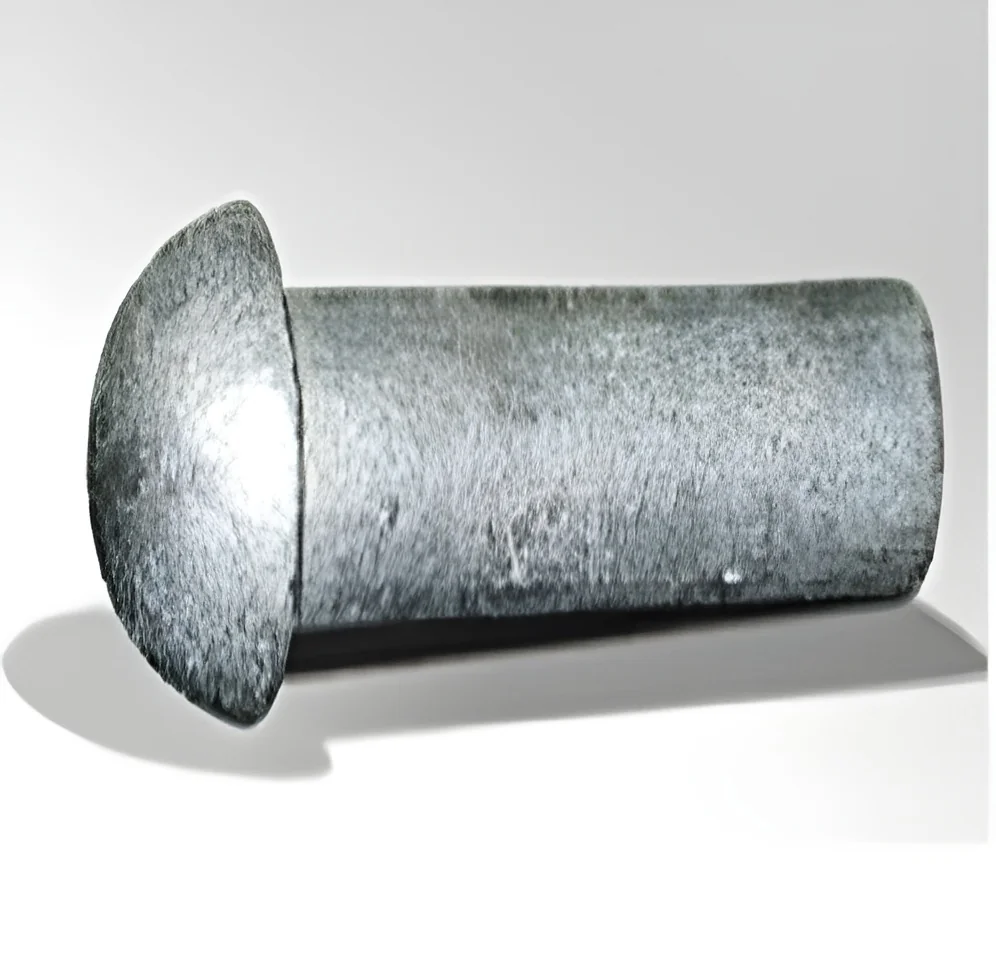
- Various head types are available, including dome, flat, and countersunk.
- Head type selection impacts aesthetics and the fit of the fastener in various applications.
5. Mandrel Types
- Mandrels can be standard or breakstem, depending on application needs.
- The choice of mandrel affects the installation method and overall strength of the joint.
6. Finish Options
- Rivets may come with different finishes, such as anodized or galvanized.
- Finish options enhance corrosion resistance and aesthetic appeal.
7. Load Capacity
- Different rivets have varying load capacities based on their material and design.
- Understanding load capacity is essential for ensuring the integrity of the joint.
8. Compliance Standards
- Many blind rivets comply with industry standards, ensuring quality and safety.
- Compliance with standards like CE indicates adherence to internationally recognized safety practices.
In summary, choosing the right blind rivets involves understanding their specifications and features. This knowledge helps ensure that the selected rivets meet the demands of specific applications effectively.
Common Applications and Use Cases
Blind rivets find use in a broad array of industries, showcasing their versatility and effectiveness in various applications.
1. Automotive: Blind rivets are extensively used in vehicle assembly, particularly for joining body panels and structural components. Their ability to create strong, lightweight connections makes them ideal for automotive manufacturing.
2. Aerospace: In the aerospace industry, blind rivets secure components in aircraft assembly, ensuring structural integrity while minimizing weight. Their reliability in high-stress environments is critical for safety.
3. Construction: Blind rivets are commonly utilized in the construction of buildings and infrastructure. They provide efficient fastening solutions for metal roofing, siding, and structural steel applications.
4. Electronics: The electronics industry employs blind rivets to assemble circuit boards and enclosures. Their precision and ease of use facilitate the manufacturing of complex electronic devices.
5. Marine: In marine applications, blind rivets are used to join components in boats and ships. Their corrosion-resistant properties are essential for durability in harsh environments.
6. Furniture: Blind rivets are applied in the assembly of furniture, particularly in metal and composite materials. Their aesthetic flexibility allows for seamless integration into designs.
7. HVAC: In heating, ventilation, and air conditioning (HVAC) systems, blind rivets secure ductwork and other components, ensuring efficient and reliable installations.
Product Variants and Subcategories
Blind rivets come in a variety of forms, each designed to meet specific needs in different applications. This diversity allows businesses to select the appropriate variant based on their requirements.
Standard Blind Rivets
These are the most common type, ideal for general-purpose applications. They provide strong fastening solutions and are available in a range of sizes and materials.
Structural Blind Rivets
Designed for high-strength applications, structural blind rivets offer superior load-bearing capabilities. They are often used in heavy-duty industrial setups and construction projects.
Sealed Blind Rivets
These rivets include a seal that prevents moisture and contaminants from entering the joint. They are particularly valuable in applications where environmental exposure is a concern.
Multi-Grip Rivets
Multi-grip rivets can accommodate a wider range of material thicknesses. This flexibility makes them suitable for applications with varying material sizes.
Benefits and Advantages
Blind rivets offer several key benefits that enhance their appeal for B2B buyers.
1. Ease of Installation: Blind rivets are easy to install, requiring only one accessible side. This feature speeds up assembly processes and reduces labor costs.
2. Strong Joints: Once installed, blind rivets create a robust bond that can withstand significant stress and strain, ensuring long-lasting performance.
3. Corrosion Resistance: Many blind rivets are made from corrosion-resistant materials, making them suitable for use in harsh environments.
4. Lightweight: Blind rivets are generally lightweight, making them ideal for applications where weight savings are critical, such as in aerospace and automotive industries.
5. Versatility: With various sizes, materials, and types available, blind rivets can be used in numerous applications across diverse industries.
6. Cost-Effective: The efficiency of blind rivets often leads to lower overall project costs, as they reduce installation time and minimize the need for additional fasteners.
Buying Guide for B2B Buyers
When sourcing blind rivets, B2B buyers should consider several important factors to ensure they select the right products for their needs.
1. Quality Assessment: Evaluate the quality of blind rivets by reviewing material specifications, certifications, and manufacturing processes. High-quality rivets enhance joint integrity and reduce failure rates.
2. Supplier Verification: Vet suppliers to ensure they have a proven track record in providing reliable and durable blind rivets. Check for customer reviews and industry reputation.
3. Pricing and MOQ: Understand the pricing structure and minimum order quantities (MOQ) set by suppliers. Compare quotes from different suppliers to find the best value for your budget.
4. Delivery and Lead Times: Confirm delivery schedules and lead times to ensure timely project completion. Reliable logistics are crucial for maintaining production schedules.
5. Compliance Requirements: Check for compliance with relevant industry standards and regulations. Ensuring that the blind rivets meet compliance requirements is essential for safety and quality assurance.
Compliance and Certifications
Compliance and certifications are vital elements in the manufacturing and use of blind rivets. Adhering to quality standards helps ensure that products are safe and reliable.
Many blind rivets meet relevant quality standards such as ISO 9001, which guarantees that manufacturing processes consistently produce quality products. Compliance with such standards often indicates that the manufacturer has implemented effective quality management systems.
In addition to ISO standards, certifications like CE signify that the products meet European safety and environmental requirements. This certification is particularly important for businesses aiming to operate in markets with stringent regulatory standards.
Safety and testing requirements are also crucial in ensuring that blind rivets perform reliably under various conditions. Manufacturers typically conduct tests to verify the strength and durability of their products, ensuring they can withstand the demands of different applications.
Finally, regional compliance considerations may vary. Buyers should be aware of local regulations and standards that may apply to the use of blind rivets in their specific industry and geographical area.
Why Source Blind Rivets (Pop Rivets) from Pepagora?
Pepagora provides a trusted platform for sourcing blind rivets, offering several key advantages for B2B buyers.
Verified Supplier Network: Pepagora's extensive network includes verified suppliers who meet high-quality standards. This verification process helps buyers connect with reputable manufacturers and distributors.
Streamlined RFQ Process: The request for quotation (RFQ) process on Pepagora is designed for efficiency. Buyers can easily request quotes from multiple suppliers, allowing them to compare prices and specifications quickly.
Trade Assurance and Support: Pepagora offers trade assurance to protect buyers during transactions. This support includes assistance with disputes and ensuring that products meet agreed-upon specifications.
Regional Coverage: Pepagora's geographical reach spans India, the Gulf Cooperation Council (GCC), and Southeast Asia. This extensive coverage allows buyers to source blind rivets from trusted suppliers in their region, ensuring timely delivery and support.
In conclusion, choosing Pepagora as a sourcing platform for blind rivets ensures access to high-quality products and reliable suppliers, enhancing the overall purchasing experience for B2B buyers.


Frequently Asked Questions
What are Blind Rivets (Pop Rivets)?
Blind rivets, commonly known as pop rivets, are fasteners used to join materials together, typically in situations where only one side of the material is accessible. They consist of a rivet body and a mandrel that is pulled to create a secure joint. Once installed, the mandrel breaks off, leaving a smooth surface.
What are the different types of Blind Rivets (Pop Rivets)?
There are several types of blind rivets, including standard pop rivets, structural rivets, and specialty rivets such as sealed or oversized rivets. Each type is designed for specific applications and material thicknesses, allowing for versatility in fastening solutions.
How do I choose the right Blind Rivets (Pop Rivets)?
Choosing the right blind rivets involves considering the material type, thickness, and the environment in which they will be used. Additionally, factors such as load requirements and the type of installation tool available should also influence your selection.
What are the standard specifications for Blind Rivets (Pop Rivets)?
Standard specifications for blind rivets include diameter, length, and material type, as well as performance criteria such as shear and tensile strength. These specifications ensure that the rivets meet the required performance standards for various applications.
What is the price range for Blind Rivets (Pop Rivets)?
The price range for blind rivets can vary based on factors such as size, material, and quantity purchased. Generally, small packs of standard rivets can start at a low cost, while bulk orders or specialized rivets may be priced higher.
What quality standards apply to Blind Rivets (Pop Rivets)?
Blind rivets should comply with various quality standards, including ISO and ASTM specifications, which ensure performance, reliability, and safety. Manufacturers often conduct tests to verify that their products meet these quality benchmarks.
Where can I find Blind Rivets (Pop Rivets) suppliers in India?
You can find blind rivets suppliers in India through online B2B marketplaces such as Pepagora, where various manufacturers and distributors list their products. It's advisable to check supplier credentials, product range, and customer reviews before making a purchase.
Can Blind Rivets (Pop Rivets) be customized?
Yes, blind rivets can often be customized in terms of size, material, and coating to meet specific project requirements. However, customization options may vary by manufacturer, so it is important to discuss your needs with your supplier.
What is the typical minimum order quantity for Blind Rivets (Pop Rivets)?
The minimum order quantity (MOQ) for blind rivets typically depends on the supplier and the type of rivets being ordered. Generally, MOQs can range from a few hundred to several thousand pieces, especially for standard items.
What is the typical lead time for Blind Rivets (Pop Rivets)?
The typical lead time for blind rivets can vary based on factors such as order size, customization, and supplier location. Generally, lead times can range from a few days for in-stock items to several weeks for customized orders.
Why Businesses Trust Pepagora
Thousands of companies trust Pepagora to source smarter and sell faster
Expand Your Sales Globally

Source Smarter,Grow Faster
