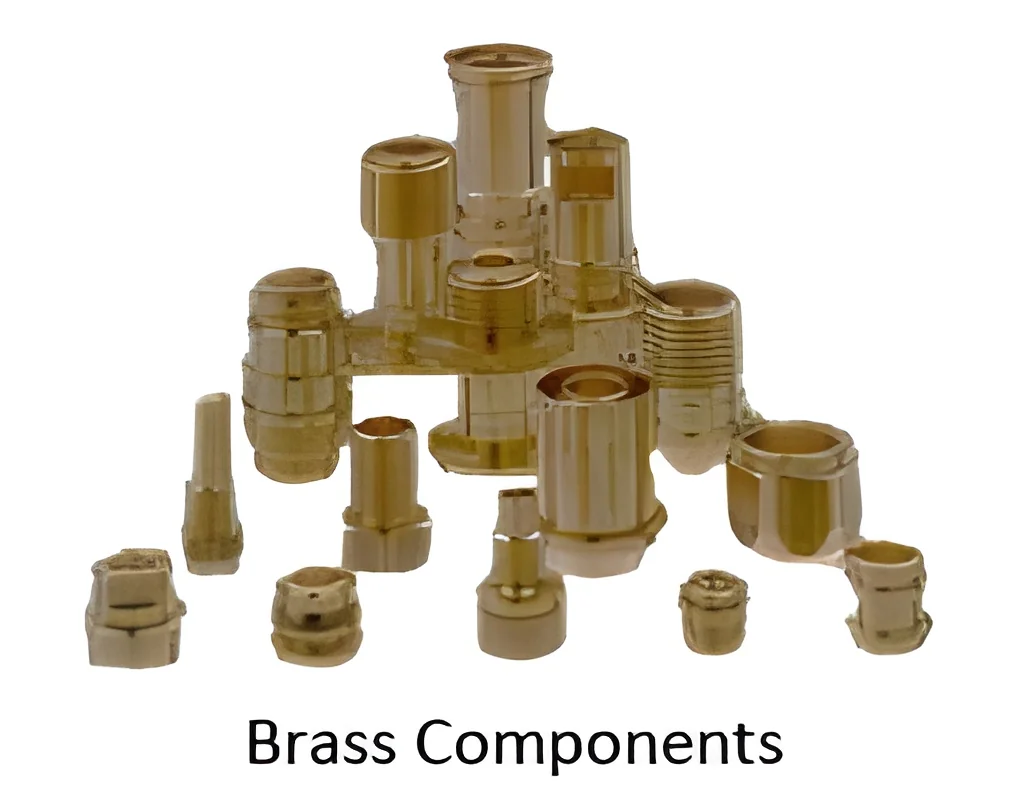
What are Brass & Copper Fasteners?
Brass and copper fasteners are essential components in various industrial applications due to their unique properties. Brass is an alloy primarily made of copper and zinc, while copper is a pure metal known for its excellent conductivity and corrosion resistance. These fasteners are favored for their strength, durability, and aesthetic appeal, making them suitable for both functional and decorative purposes.
These fasteners are commonly used in industries such as electrical, plumbing, and automotive. In electrical applications, their conductivity makes them ideal for connectors and terminals. In plumbing, brass fasteners are used for fixtures and fittings due to their resistance to corrosion. Additionally, the automotive industry utilizes brass and copper fasteners in various components to ensure reliability and longevity. As industries increasingly prioritize quality and performance, the demand for brass and copper fasteners continues to grow, making them a significant part of the industrial market.
Key Features and Specifications
Brass and copper fasteners are known for several key features that make them suitable for a variety of applications. Their resistance to corrosion, strength, and thermal conductivity are among the most important characteristics.
Key specifications include:
1. Material Composition
- Brass typically contains 60-70% copper and 30-40% zinc.
- Copper fasteners are made of 99.9% pure copper.
2. Tensile Strength
- Brass fasteners have a tensile strength ranging from 350 to 800 MPa.
- Copper fasteners exhibit a tensile strength of approximately 210 MPa.
3. Corrosion Resistance
- Brass is resistant to rust and corrosion, making it suitable for outdoor and marine applications.
- Copper offers excellent resistance to atmospheric corrosion.
4. Electrical Conductivity
- Brass has a conductivity rating of about 28% IACS (International Annealed Copper Standard).
- Copper fasteners are highly conductive, rated at 100% IACS.
5. Temperature Resistance
- Brass fasteners can typically withstand temperatures up to 300 degrees Celsius.
- Copper fasteners perform well in high-temperature environments.
6. Surface Finish
- Brass fasteners can come in polished, brushed, or plated finishes for aesthetic applications.
- Copper fasteners are often left uncoated to maintain conductivity.
7. Sizes and Dimensions
- Available in various sizes, often specified in metric or imperial measurements.
- Common diameters range from 2mm to 20mm.
In summary, the unique properties and specifications of brass and copper fasteners make them suitable for a wide range of industrial applications.
Common Applications and Use Cases
Brass and copper fasteners find extensive use across various industries due to their durability and performance.
1. Electrical Industry: Brass and copper fasteners are widely used in electrical connectors and terminals, where conductivity and corrosion resistance are critical.
2. Plumbing Industry: They are commonly found in fixtures and fittings, offering reliable performance in water and gas applications.
3. Automotive Industry: Brass and copper fasteners are utilized in engine components and electrical systems, ensuring longevity under extreme conditions.
4. HVAC Systems: These fasteners are essential in heating, ventilation, and air conditioning systems, where they provide secure connections.
5. Marine Applications: Their corrosion resistance makes them ideal for use in boats and other marine equipment.
6. Construction: Brass and copper fasteners are used in building hardware, providing strength and aesthetic appeal.
7. Jewelry Making: Due to their visual appeal, they are also used in creating jewelry and decorative items.
Product Variants and Subcategories
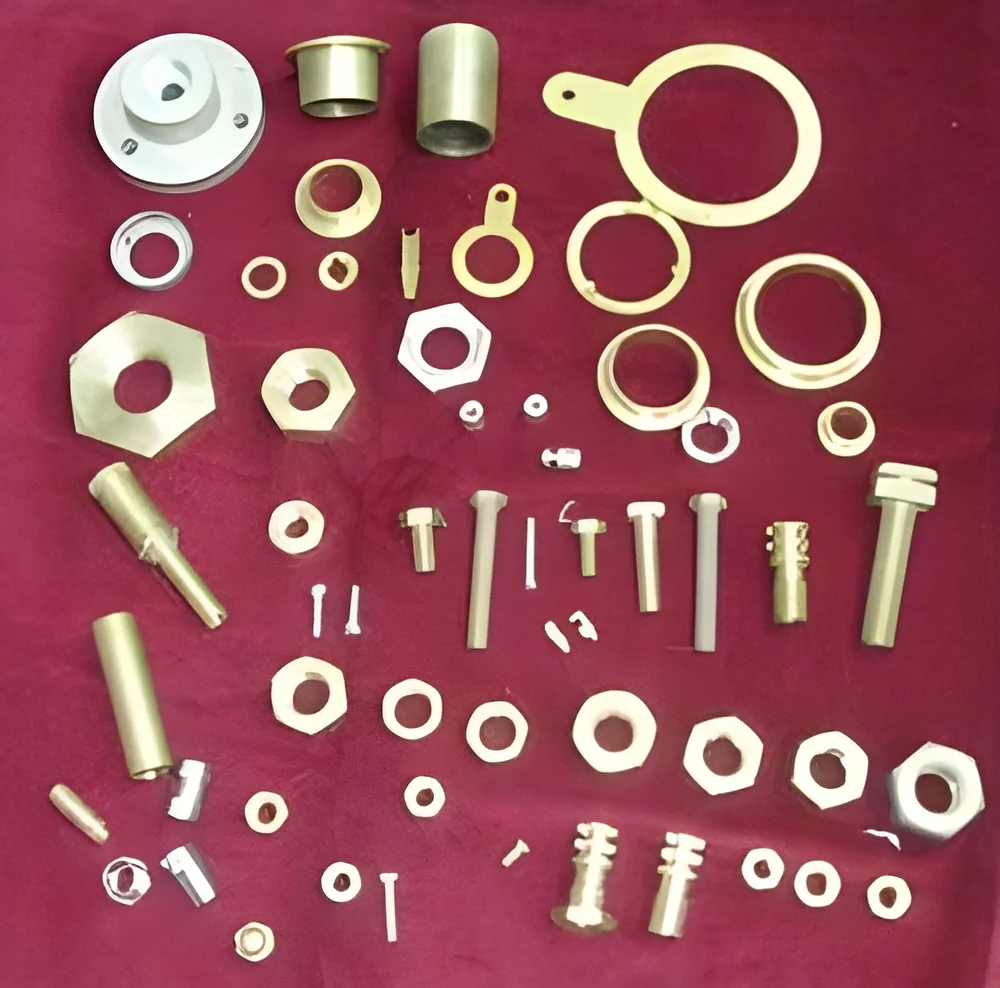
Brass and copper fasteners come in various forms to meet specific needs across different applications.
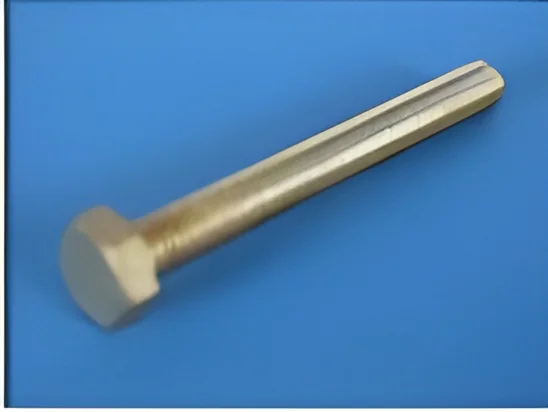
Hex Screws: These fasteners are hexagonal in shape, allowing for easy torque application. They are commonly used in construction and machinery.
Nuts and Bolts: Available in various sizes, these components provide a secure fastening solution in numerous applications, from automotive to furniture assembly.
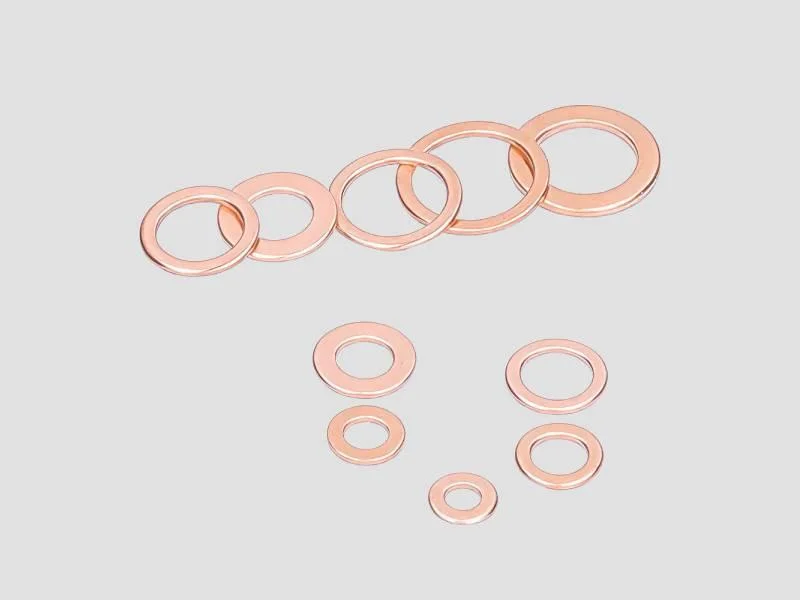
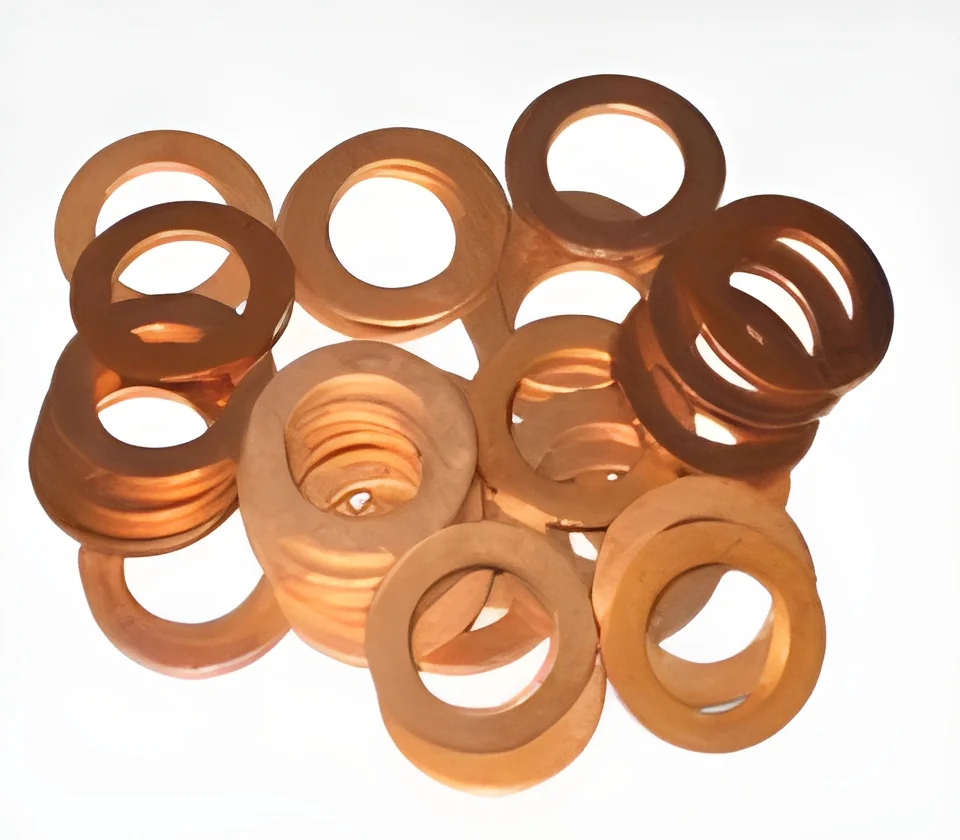
Washers: Brass and copper washers are used to distribute load and prevent damage to surfaces. They are essential in plumbing and electrical applications.
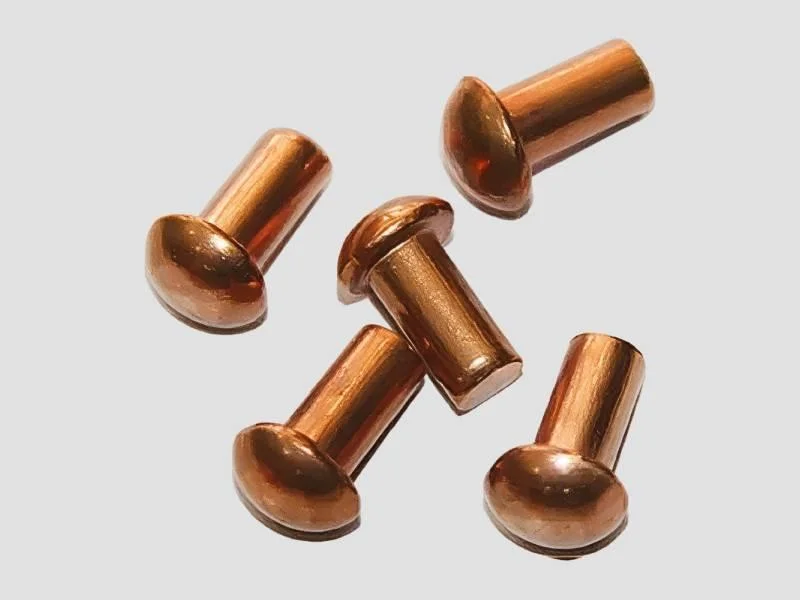
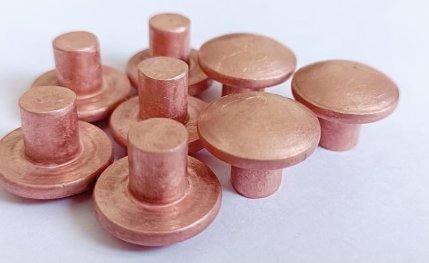
Rivets: These fasteners are used to join materials together, providing a permanent connection in manufacturing and construction.
Benefits and Advantages
Brass and copper fasteners offer numerous benefits that make them a preferred choice for many industries.
1. Durability: They are resistant to wear and corrosion, ensuring a long lifespan in challenging environments.
2. Aesthetic Appeal: Brass has a bright, gold-like appearance, making it suitable for decorative applications.
3. Excellent Conductivity: Copper fasteners provide superior electrical conductivity, essential for electrical applications.
4. Versatility: Available in various forms and sizes, they can be used in a wide range of applications.
5. Easy Installation: Their design allows for straightforward installation, saving time and reducing labor costs.
6. Non-Magnetic: Brass and copper fasteners do not interfere with electronic devices, making them ideal for sensitive applications.
Buying Guide for B2B Buyers
When sourcing brass and copper fasteners, it is crucial to consider several factors to ensure optimal selection and procurement.
1. Quality Assessment: Evaluate fasteners based on material composition and manufacturing processes. High-quality brass and copper fasteners should meet industry standards for performance and durability.
2. Supplier Verification: Vet suppliers carefully to confirm their reputation and reliability. Look for suppliers with a proven track record in the industry.
3. Pricing and MOQ: Understand the pricing structure and minimum order quantities. Negotiate terms that align with your budget and project requirements.
4. Delivery and Lead Times: Consider logistics and the supplier's ability to meet your delivery timelines. Timely delivery is critical for project success.
5. Compliance Requirements: Ensure that fasteners comply with relevant standards and regulations for your industry. This may include certifications such as CE.
Compliance and Certifications
Brass and copper fasteners must meet various compliance and certification standards to ensure quality and safety. One of the most recognized standards is ISO 9001, which pertains to quality management systems. Adhering to these standards helps guarantee that products are manufactured consistently and meet customer expectations.
Additionally, many fasteners are required to have industry certifications such as CE, which indicates compliance with European safety standards. This certification assures buyers that the fasteners have been tested and meet necessary safety requirements.
Safety and testing requirements are also vital in determining the usability of brass and copper fasteners. Manufacturers often conduct rigorous testing to assess the mechanical properties and corrosion resistance of their products. Regional compliance considerations may vary, so it is important for buyers to stay informed about the specific regulations that apply in their location.
Why Source Brass & Copper Fasteners from Pepagora?
Pepagora provides a trusted platform for sourcing brass and copper fasteners, offering several key advantages to B2B buyers.
Verified Supplier Network: Pepagora connects buyers with a network of verified suppliers, ensuring that products are sourced from reputable manufacturers. This reduces the risk of substandard quality.
Streamlined RFQ Process: The platform features a streamlined request for quotation (RFQ) process, allowing buyers to receive competitive quotes quickly. This efficiency can save time and facilitate better decision-making.
Trade Assurance and Support: Pepagora offers trade assurance and support, protecting buyers from potential issues during transactions. This added layer of security fosters trust and confidence in sourcing.
Regional Coverage: With a strong presence in India, the GCC, and Southeast Asia, Pepagora provides extensive regional coverage. This geographic reach allows buyers to access a wide variety of products and suppliers to meet their specific needs.

 IN
IN