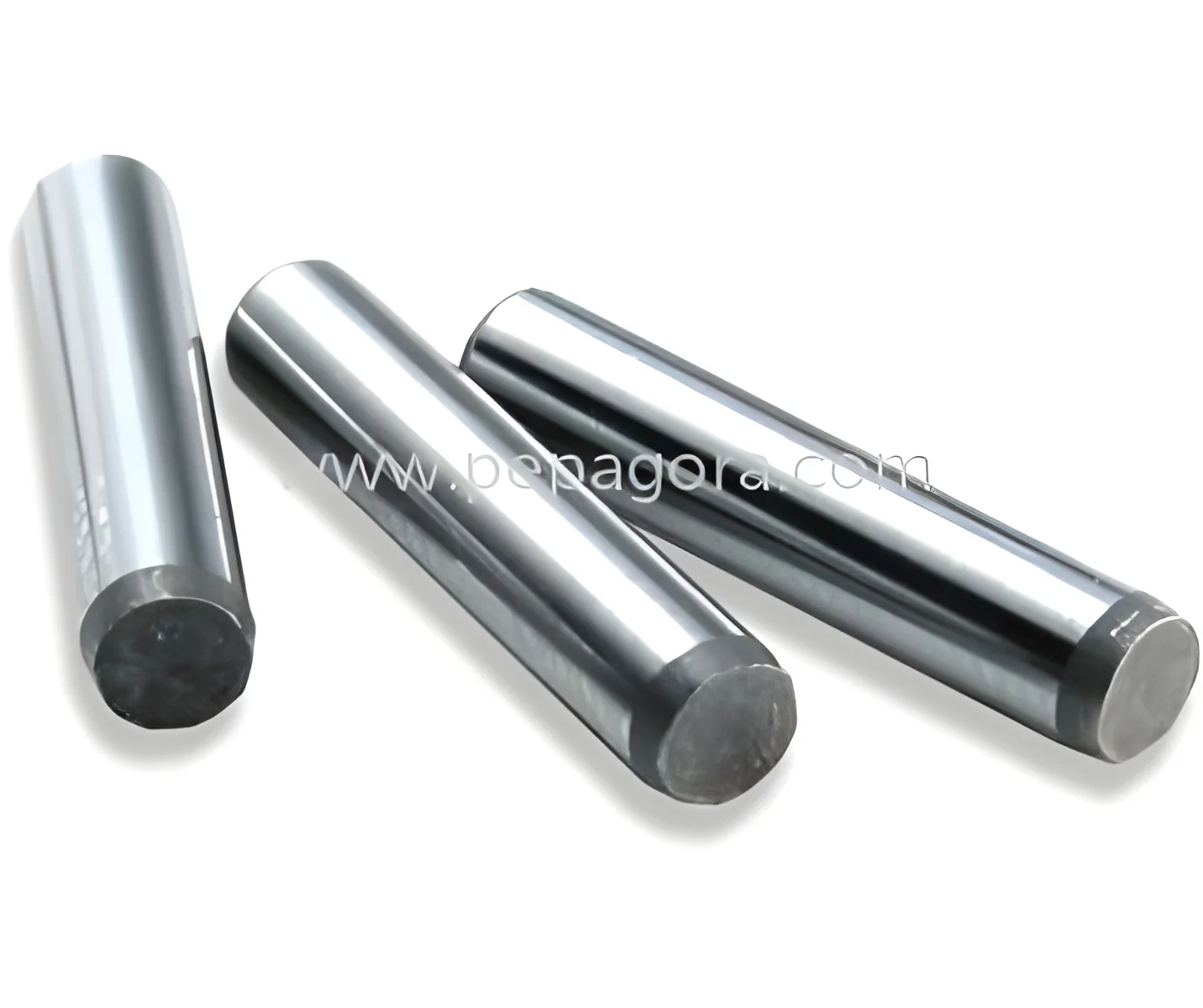
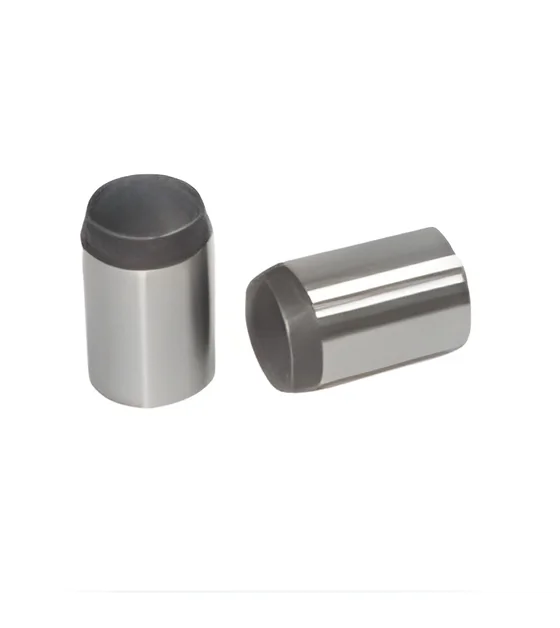
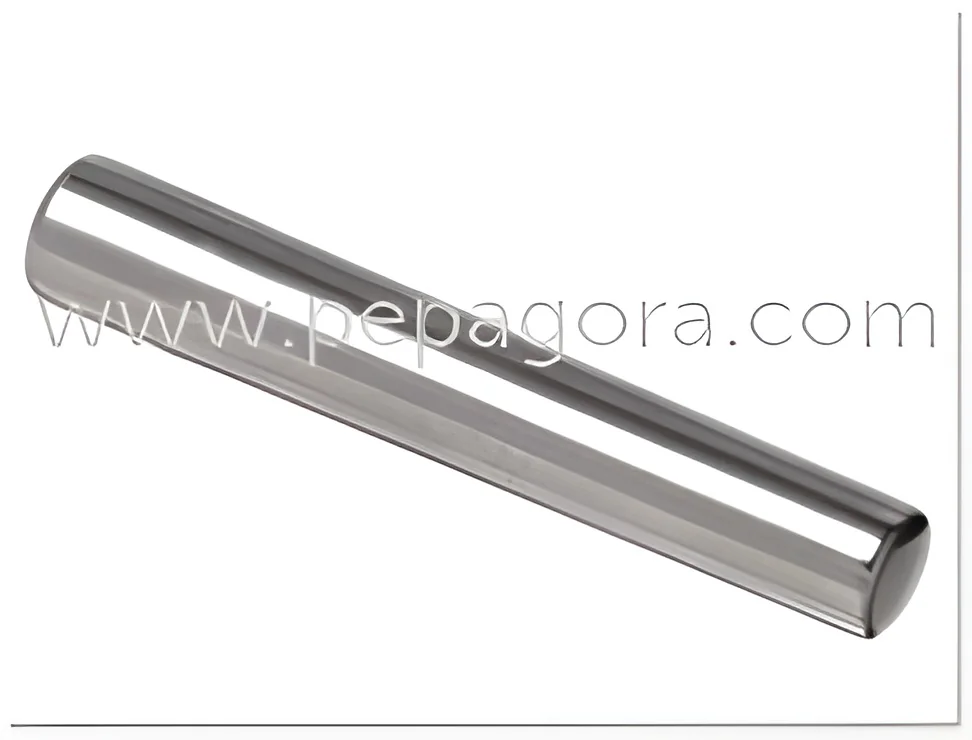
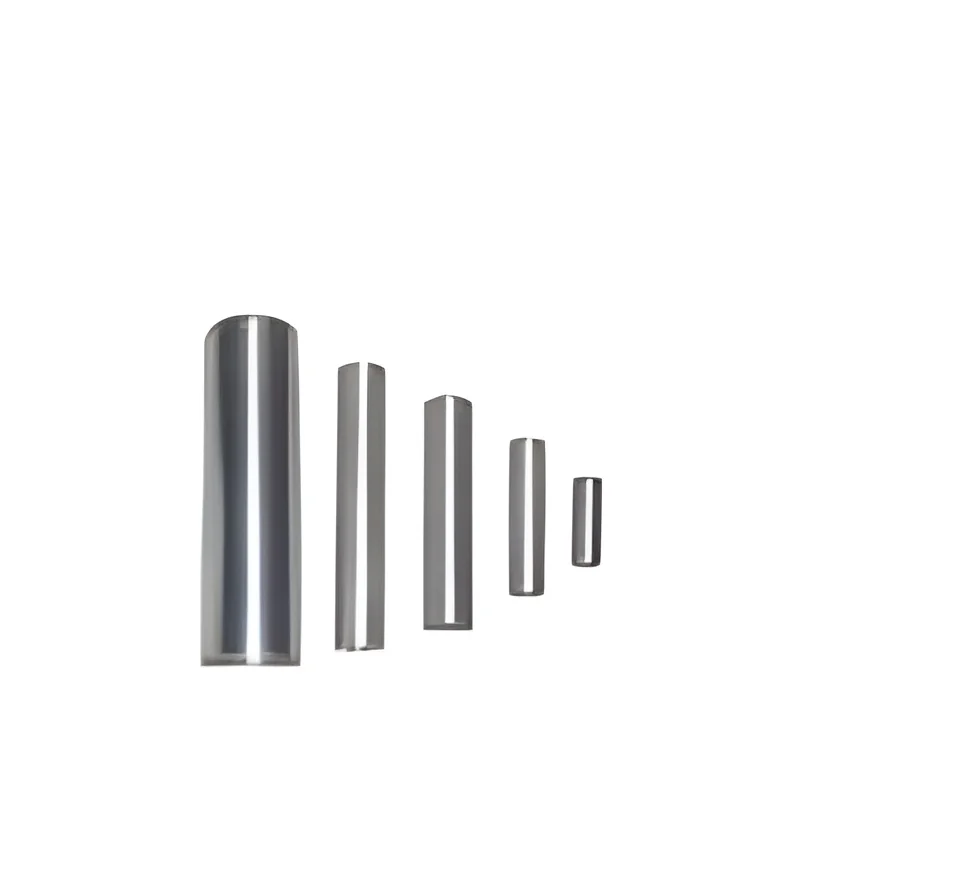
What are Dowel Pins?
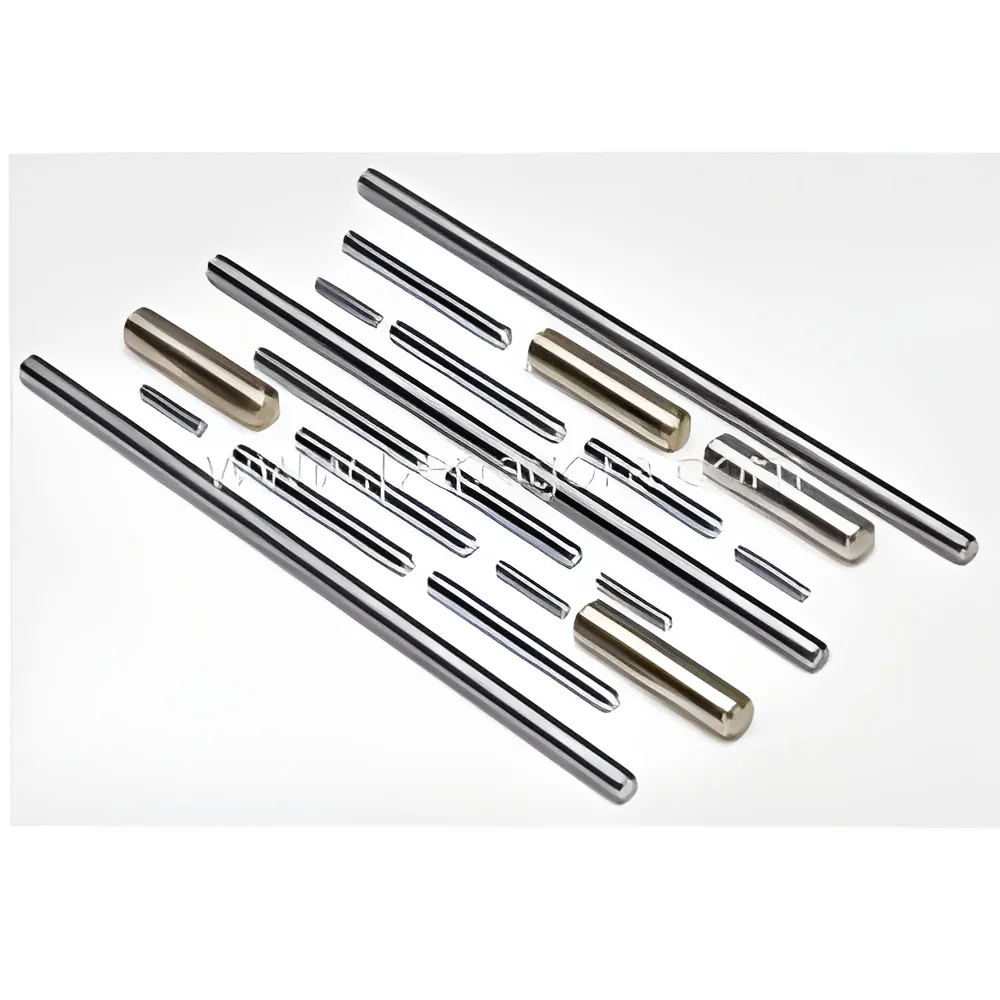
Dowel pins are cylindrical rods made of metal, plastic, or wood used in various applications to align and join two or more components. They are typically employed to ensure precise positioning and secure connections in assemblies. Dowel pins can be found in a range of sizes and materials, making them versatile for many industrial uses.
These pins are primarily used in woodworking, machinery, and construction industries. In woodworking, they help in aligning joints and providing strong connections between pieces of furniture or cabinetry. In machinery, dowel pins serve to maintain precise alignment between moving parts, reducing wear and tear over time. Their widespread use across different sectors highlights their importance in ensuring product integrity and durability.
The market for dowel pins is influenced by the growth of manufacturing and assembly operations globally. As industries continue to evolve, the demand for reliable fastening solutions like dowel pins remains significant. The ability to provide consistent quality and performance makes dowel pins a preferred choice for many engineers and designers.
Key Features and Specifications
Dowel pins come with a variety of features that cater to different industrial needs. Understanding their specifications is essential for selecting the right type for your application.
Key specifications include:
1. Material Type
- Dowel pins can be made from steel, stainless steel, plastic, or wood.
- Each material offers different properties such as strength, corrosion resistance, and weight.
2. Diameter
- Common diameters range from 1 mm to 20 mm or more.
- The diameter chosen affects the pin's strength and suitability for specific applications.
3. Length
- Standard lengths can vary from 5 mm to 100 mm or longer.
- The length must match the joint thickness for optimal performance.
4. Tolerance
- Tolerance levels are crucial for ensuring a snug fit.
- Tight tolerances lead to better alignment and stability.
5. Surface Finish
- Dowel pins may have various finishes, including polished, coated, or untreated.
- The finish can impact corrosion resistance and aesthetic appeal.
6. Hardness
- Hardness is measured on the Rockwell scale and indicates durability.
- Higher hardness values are suitable for high-load applications.
7. Certification
- Dowel pins may come with certifications such as CE to indicate compliance with safety standards.
- Certification ensures quality and reliability in various applications.
8. Packaging
- Dowel pins are often packaged in bulk or smaller quantities.
- Packaging type can affect the ease of handling and storage.
In summary, understanding the key features and specifications of dowel pins helps in making informed purchasing decisions. The right choice can enhance the quality and durability of your assemblies.
Common Applications and Use Cases
Dowel pins are utilized in a wide range of industries, showcasing their versatility and reliability.
1. Woodworking: Dowel pins are commonly used to join wooden components in furniture making, cabinetry, and frames, ensuring accurate alignment and strong connections.
2. Manufacturing: In the manufacturing sector, dowel pins are crucial for aligning machine parts and components, improving assembly efficiency and reducing wear on moving parts.
3. Automotive: Dowel pins play an important role in automotive assembly, where they ensure precise alignment of engine components and other critical parts.
4. Construction: Dowel pins are often used in the construction of concrete formwork, providing stability and alignment for structural elements.
5. Aerospace: In aerospace applications, dowel pins are essential for maintaining precise tolerances in assemblies, contributing to the overall safety and performance of aircraft.
6. Electronics: Dowel pins can also be found in electronic device assembly, where they help position circuit boards and components accurately.
7. Medical Equipment: The medical industry utilizes dowel pins to ensure the precise assembly of devices and instruments, which is critical for functionality and safety.
Product Variants and Subcategories
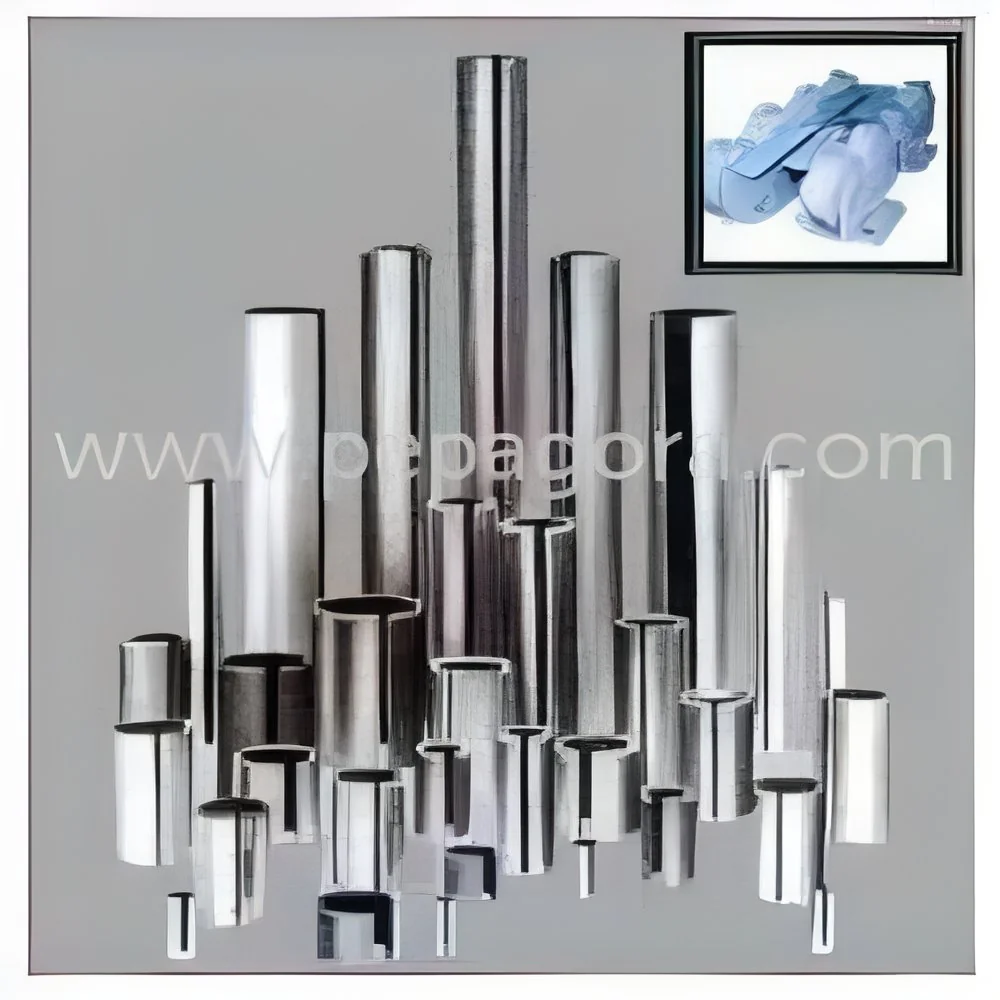
Dowel pins come in various forms to meet specific industry requirements. Each variant has unique features suited for different applications.
Standard Dowel Pins
Standard dowel pins are widely used in general applications. They offer reliable performance in alignment and joining tasks across multiple industries.
Grooved Dowel Pins
Grooved dowel pins feature grooves along their length, enhancing grip and stability in applications where movement may occur. They are ideal for dynamic assemblies.
Shoulder Dowel Pins
Shoulder dowel pins have a shoulder that helps in maintaining alignment while allowing for some movement. They are commonly used in machinery and equipment assembly.
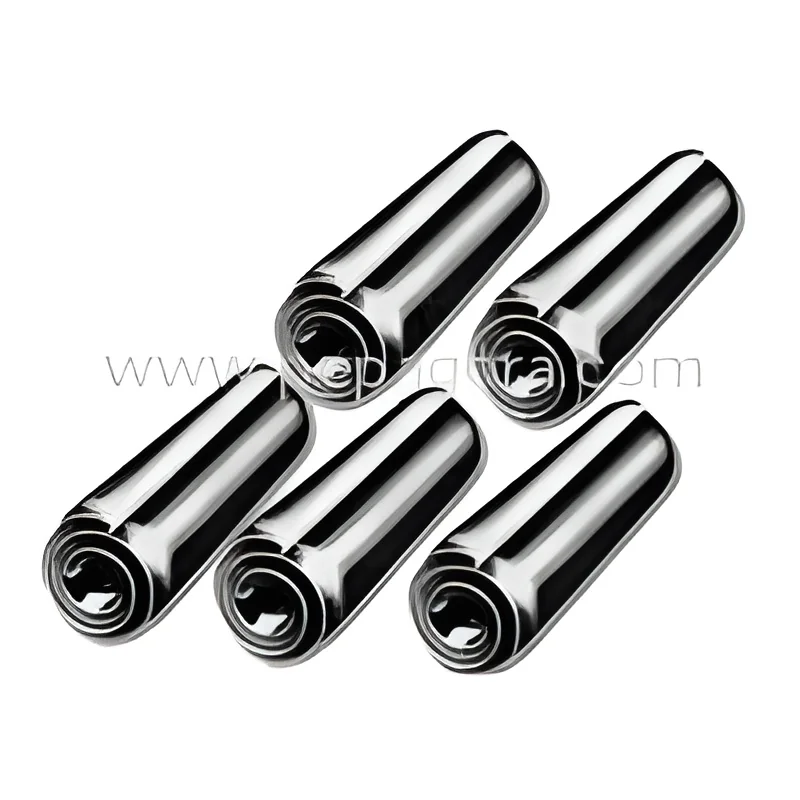
Spring Dowel Pins
Spring dowel pins are designed to absorb shock and accommodate slight misalignments. They are often used in applications where vibration is a concern.
Precision Dowel Pins
Precision dowel pins are manufactured to tighter tolerances for applications requiring exact alignment. They are commonly used in high-precision engineering and manufacturing.
Benefits and Advantages
Dowel pins offer numerous benefits that make them a preferred choice in various applications.
1. Strong Alignment: Dowel pins provide excellent alignment between components, ensuring stability and reducing the risk of misalignment.
2. Versatile Material Options: Available in different materials, dowel pins can be selected based on specific environmental and application needs.
3. Cost-Effective Solution: Dowel pins are generally affordable, making them a cost-effective choice for manufacturers looking to reduce assembly costs.
4. Easy Installation: Dowel pins are straightforward to install, allowing for efficient assembly processes in production lines.
5. Increased Durability: High-quality dowel pins enhance the longevity of assemblies by reducing wear and tear on joints and components.
6. Compatibility: Dowel pins can be used with a wide range of materials, making them suitable for diverse applications across industries.
Buying Guide for B2B Buyers
When sourcing dowel pins, it is essential to consider several factors to ensure the right choice for your specific needs.
1. Quality Assessment: Evaluate the quality of dowel pins by checking for certifications and compliance with relevant standards. Look for manufacturers that adhere to quality control processes.
2. Supplier Verification: Vet suppliers to ensure they have a good reputation and history of delivering reliable products. Consider customer reviews and industry certifications.
3. Pricing and MOQ: Compare pricing among different suppliers while being mindful of minimum order quantities. Ensure that costs align with your budget without sacrificing quality.
4. Delivery and Lead Times: Inquire about delivery schedules and lead times to ensure your production timelines are met. Reliable logistics are crucial for maintaining continuous operations.
5. Compliance Requirements: Ensure that the dowel pins meet any regulatory requirements specific to your industry. This may include safety standards and environmental guidelines.
Compliance and Certifications
Dowel pins must meet various quality standards to ensure safety and reliability in their applications. Key certifications include ISO 9001, which outlines quality management system requirements, ensuring consistent quality in manufacturing processes.
Additionally, compliance with CE certification indicates that the product meets European safety standards. This is particularly important for products used in the EU market.
Testing requirements for dowel pins may include assessments for strength, durability, and resistance to environmental factors. Manufacturers should also consider local compliance regulations that may impact the use of dowel pins in specific regions, ensuring that all products adhere to necessary safety and operational guidelines.
Why Source Dowel Pins from Pepagora?
Pepagora offers a reliable platform for sourcing dowel pins, providing several advantages for B2B buyers.
Verified Supplier Network: Pepagora connects buyers with a verified network of suppliers, ensuring that all listed manufacturers meet rigorous quality and safety standards. This helps mitigate risks associated with sourcing.
Streamlined RFQ Process: The platform features a streamlined request for quotation process, allowing buyers to easily compare offers and specifications from multiple suppliers. This efficiency saves time and enhances decision-making.
Trade Assurance and Support: Pepagora prioritizes buyer protection through trade assurance services. This includes support for any issues that may arise during the purchasing process, ensuring a smooth transaction.
Regional Coverage: With a strong presence in regions like India, the GCC, and Southeast Asia, Pepagora provides extensive geographic reach. This facilitates access to a diverse range of products and suppliers, catering to the specific needs of various markets.

 IN
IN