What are Castle Nuts?
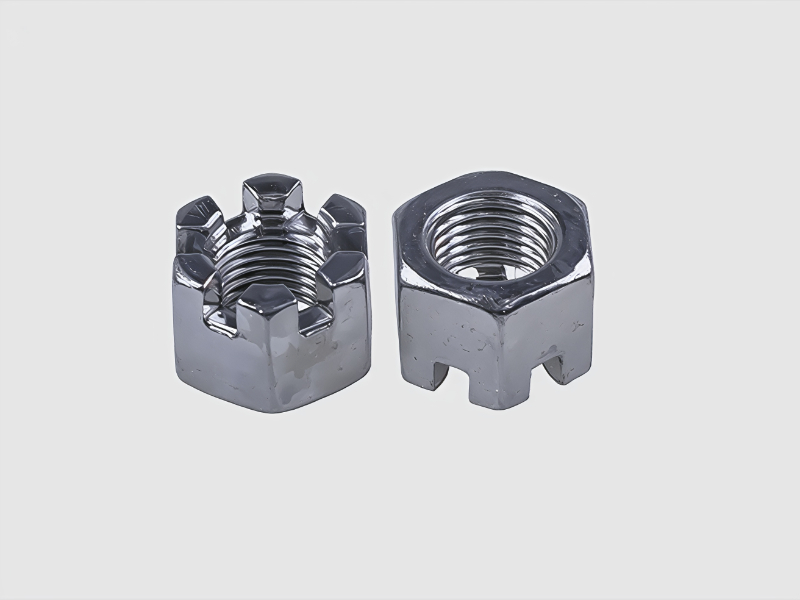
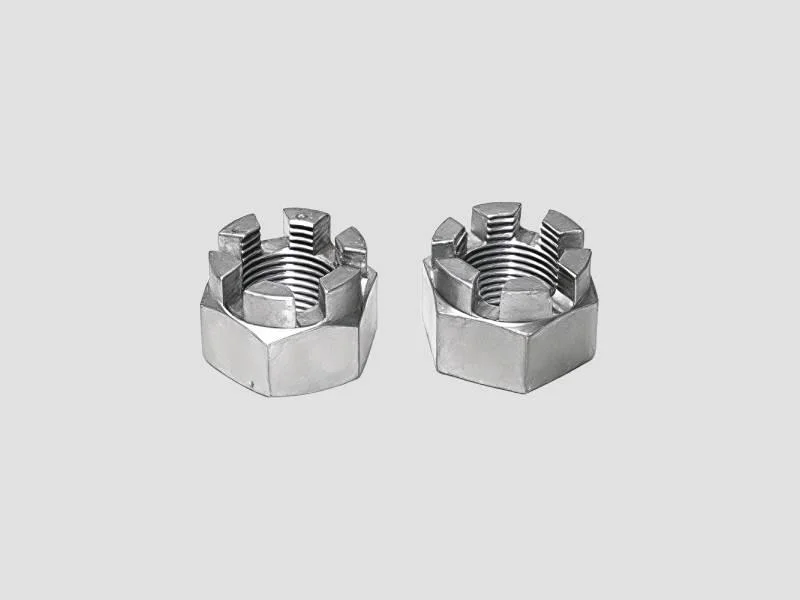
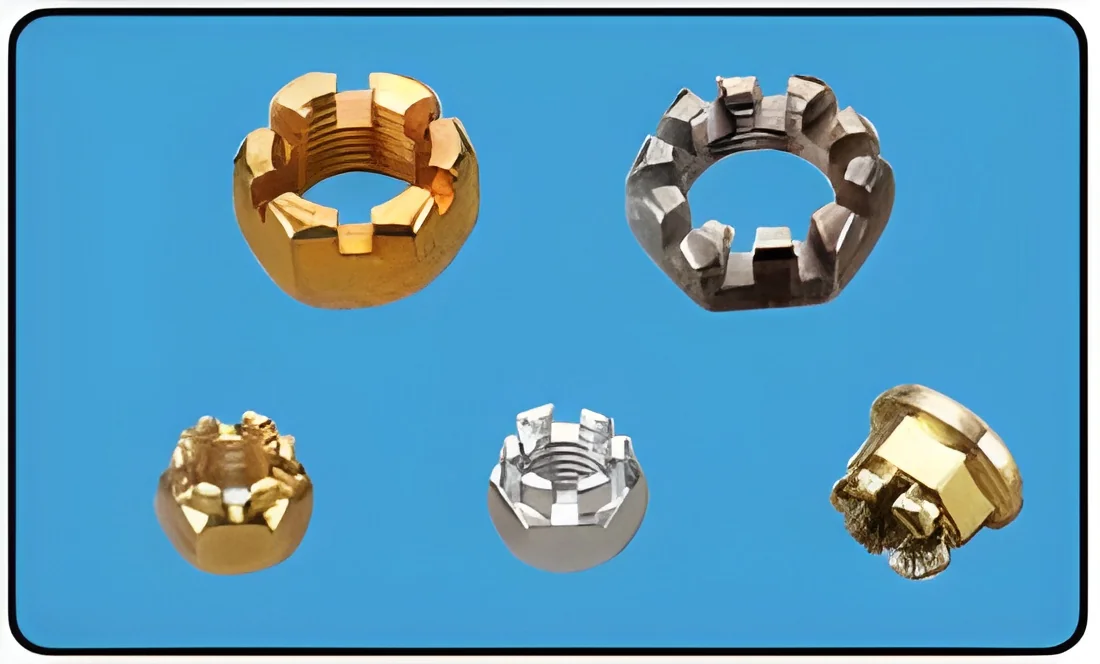
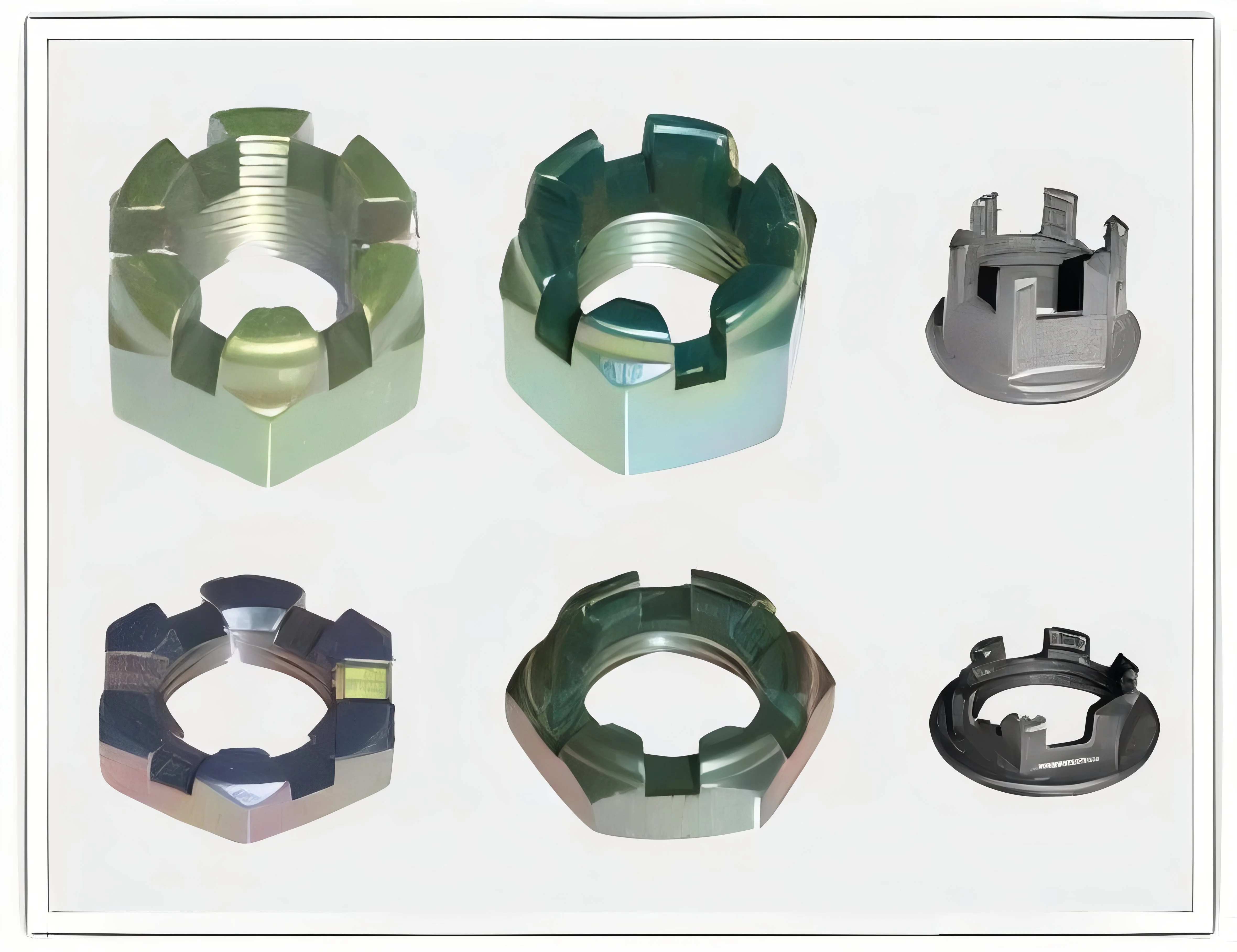
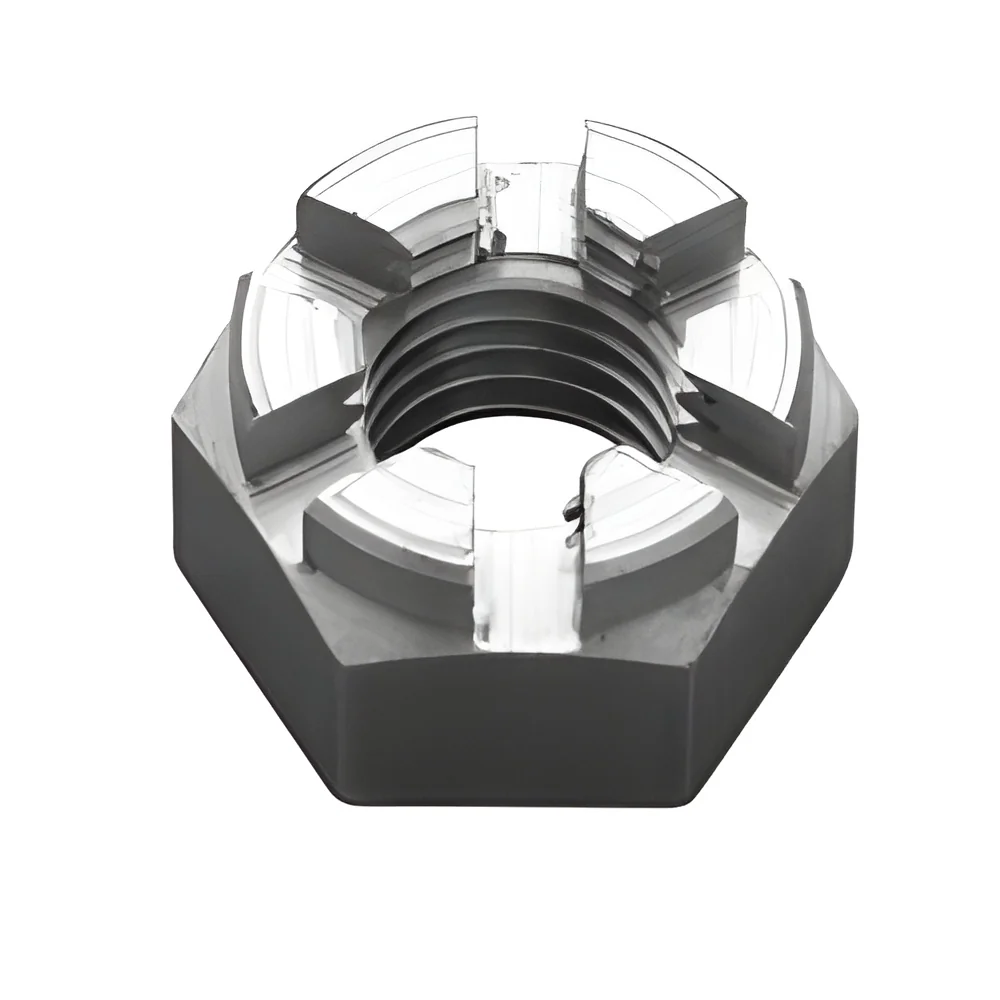
Castle nuts are specialized fasteners used to secure a bolt or a shaft in place. They are characterized by their unique design, which features a series of notches or "castles" along the outer edge. These notches allow for the insertion of a cotter pin or a safety wire, providing a locking mechanism that prevents the nut from loosening due to vibrations or movement. Castle nuts are typically used in conjunction with a bolt that has a drilled hole at the end.
These fasteners find primary application in sectors where safety and reliability are paramount. Industries such as automotive, aerospace, and heavy machinery frequently utilize castle nuts to secure critical components. The locking mechanism provided by the cotter pin or safety wire adds an extra layer of safety, which is essential in high-stress environments. Given their importance, castle nuts play a vital role in maintaining the integrity of various mechanical systems.
Castle nuts are increasingly relevant in the current market due to the growing emphasis on safety standards and regulations. As industries evolve, the demand for reliable and secure fastening solutions continues to rise. This trend highlights the importance of castle nuts as essential components in ensuring operational safety and efficiency across various applications.
Key Features and Specifications
Castle nuts are designed with several key features that enhance their functionality and reliability. Understanding these specifications is crucial for businesses looking to implement them in their operations.
Key specifications include:
1. Material Composition
- Typically made from high-strength steel, stainless steel, or other durable materials.
- Corrosion-resistant options are available for specific environments.
2. Size Range
- Available in various sizes to fit different bolt diameters.
- Common sizes include metric and imperial measurements.
3. Thread Type
- Available in both coarse and fine thread variations.
- Compatibility with specific bolts is essential for effective performance.
4. Locking Mechanism
- Designed to accommodate cotter pins or safety wires for secure locking.
- Prevents loosening under vibration or load.
5. Surface Finish
- Options may include zinc plating, black oxide, or plain finish.
- Surface treatments enhance corrosion resistance and aesthetic appeal.
6. Certification
- Often compliant with industry standards such as CE for safety assurance.
- Ensures quality and reliability in high-demand applications.
Castle nuts provide a robust solution for various fastening needs, ensuring safety and reliability across multiple industries.
Common Applications and Use Cases
Castle nuts serve various industries, each with specific applications that highlight their importance.
1. Automotive: In the automotive sector, castle nuts are commonly used to secure wheel bearings and suspension components, ensuring vehicle safety and performance.
2. Aerospace: In aerospace applications, these nuts are essential for securing critical components in aircraft systems, where failure is not an option.
3. Heavy Machinery: Castle nuts are widely used in heavy machinery to secure parts subjected to high loads and vibrations, such as in construction equipment.
4. Marine: In marine environments, castle nuts help secure critical components against corrosion and harsh conditions, ensuring operational reliability.
5. Agricultural Equipment: These fasteners are used in agricultural machinery to maintain secure connections in high-stress farming equipment.
6. Railways: Castle nuts are employed in railway applications to secure various components, ensuring the safety and stability of train systems.
Product Variants and Subcategories
Castle nuts come in various forms, each tailored to meet specific needs and applications.
Standard Castle Nuts
These are the most common type, featuring the traditional design with notches for locking. They are versatile and widely used across different sectors.
Self-Locking Castle Nuts
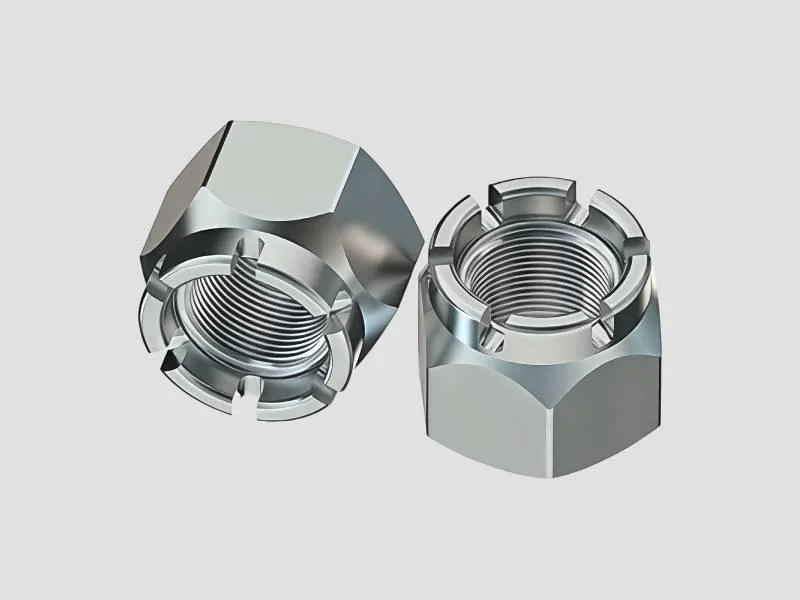
This variant incorporates additional features that enhance locking capabilities without the need for a separate cotter pin. They offer improved reliability in high-vibration environments.
Stainless Steel Castle Nuts
These variants are made from stainless steel, providing excellent corrosion resistance. They are ideal for applications in marine and chemical environments.
Benefits and Advantages
Castle nuts offer multiple benefits that make them an attractive choice for B2B buyers.
1. Enhanced Security: The locking mechanism ensures that the nut remains in place, reducing the risk of loosening over time.
2. Versatility: Available in various sizes and materials, castle nuts can be adapted for diverse applications across multiple industries.
3. Compliance with Standards: Many castle nuts meet industry certifications, ensuring they are suitable for use in critical applications.
4. Durability: Made from high-strength materials, these nuts are designed to withstand harsh conditions and heavy loads.
5. Cost-Effective: The longevity and reliability of castle nuts can lead to reduced maintenance costs and fewer replacements.
6. Simplified Installation: The design allows for easy installation and removal, streamlining assembly processes in manufacturing.
Buying Guide for B2B Buyers
When sourcing castle nuts, several factors must be considered to ensure the right choice is made.
1. Quality Assessment: Evaluate the material quality and manufacturing processes. Look for certifications that indicate adherence to industry standards.
2. Supplier Verification: Conduct thorough research on potential suppliers. Check their reputation, customer reviews, and previous projects to ensure reliability.
3. Pricing and MOQ: Understand the pricing structure and minimum order quantities. Compare offers from different suppliers to find the best value.
4. Delivery and Lead Times: Inquire about delivery schedules and lead times. Ensure that suppliers can meet your production timelines without delays.
5. Compliance Requirements: Be aware of any industry-specific compliance regulations that the castle nuts must meet to avoid legal issues.
Compliance and Certifications
Castle nuts are typically manufactured to comply with various quality standards, ensuring they meet the necessary performance and safety requirements.
Relevant quality standards such as ISO 9001 are crucial for manufacturers, as they ensure a consistent quality management system. This certification indicates that the production processes are reliable and meet customer expectations.
Industry certifications like CE are also essential, particularly in Europe, as they demonstrate that the product complies with health, safety, and environmental protection standards.
Safety and testing requirements vary by application but often include rigorous assessments to ensure the fasteners can withstand operational stresses. Manufacturers may also need to consider regional compliance, particularly when exporting products to different markets.
Why Source Castle Nuts from Pepagora?
Pepagora provides a trusted platform for sourcing castle nuts, offering several key advantages to B2B buyers.
Verified Supplier Network: Pepagora has a network of thoroughly vetted suppliers, ensuring that buyers have access to high-quality products and reliable service.
Streamlined RFQ Process: The Request for Quotation system simplifies the sourcing process, allowing buyers to efficiently compare offers from multiple suppliers.
Trade Assurance and Support: Buyers benefit from trade assurance measures that protect their orders, providing peace of mind when making purchases.
Regional Coverage: With a strong presence in India, the GCC, and Southeast Asia, Pepagora offers extensive regional coverage, making it easier for businesses to source castle nuts locally or internationally.

 IN
IN