What are Solvents (Acetone, Toluene, Ethanol)?
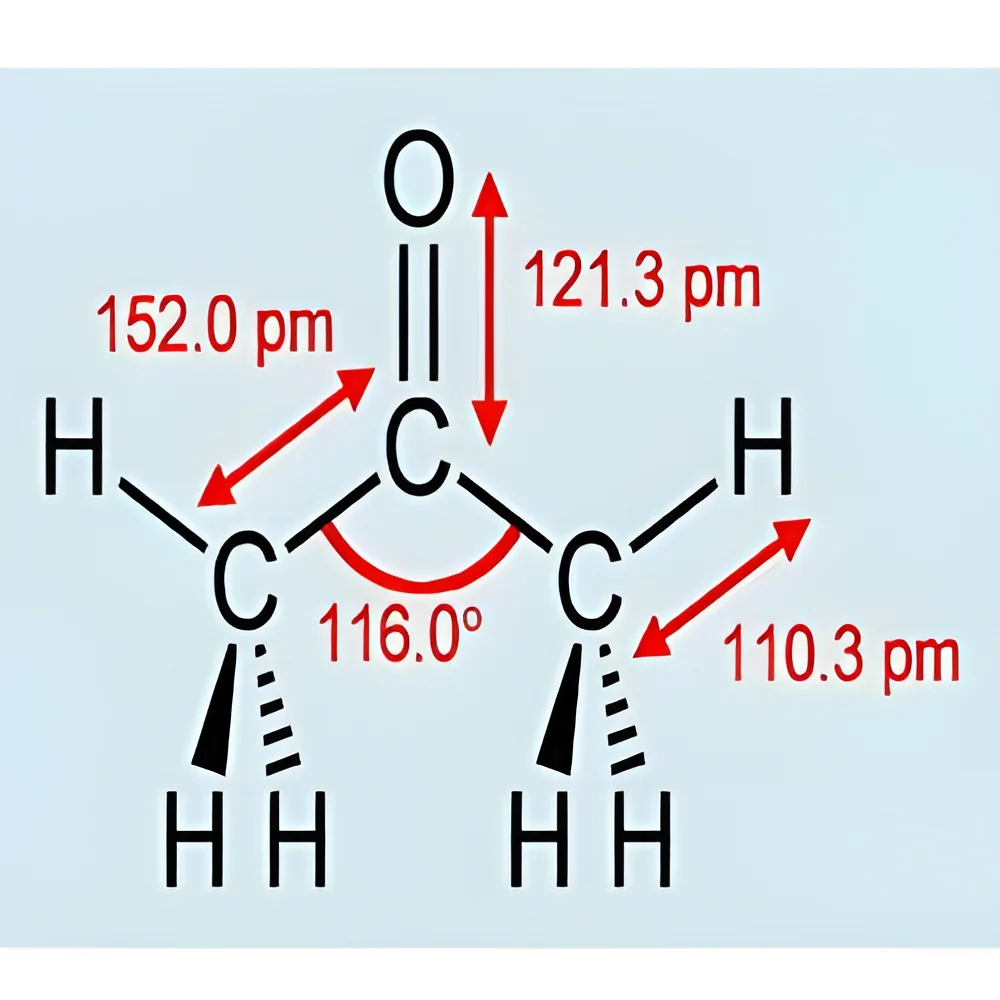
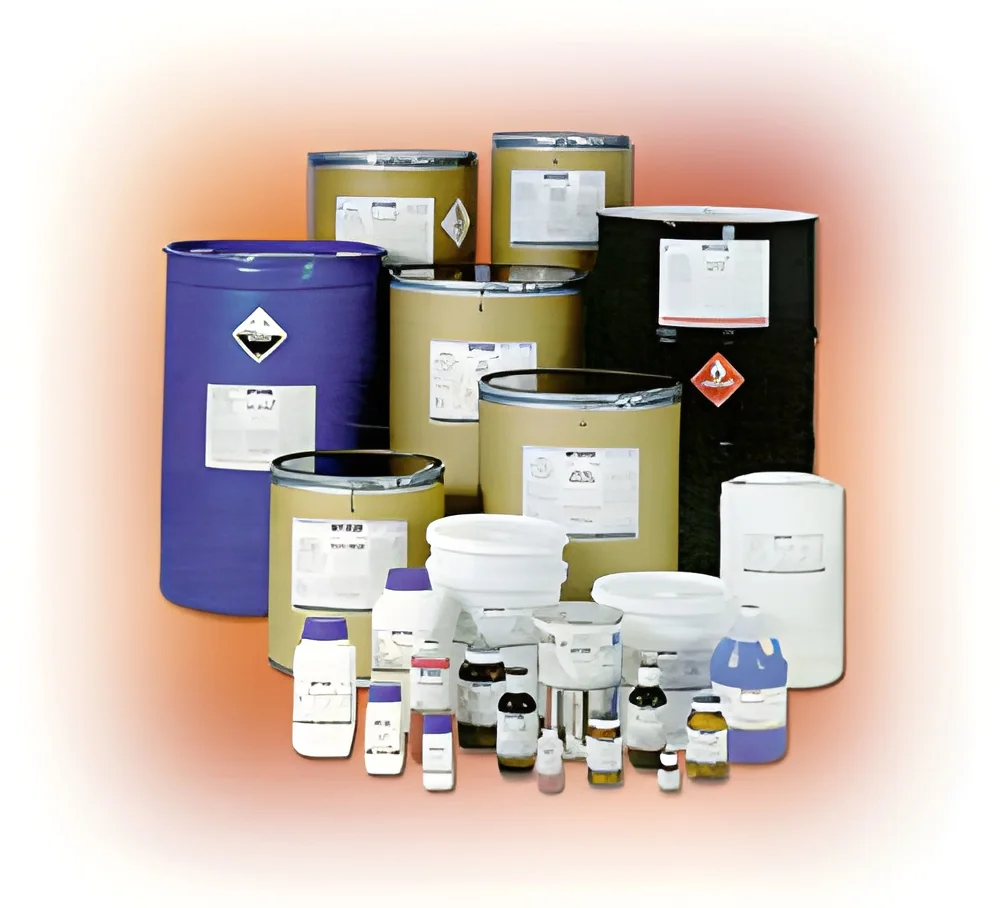
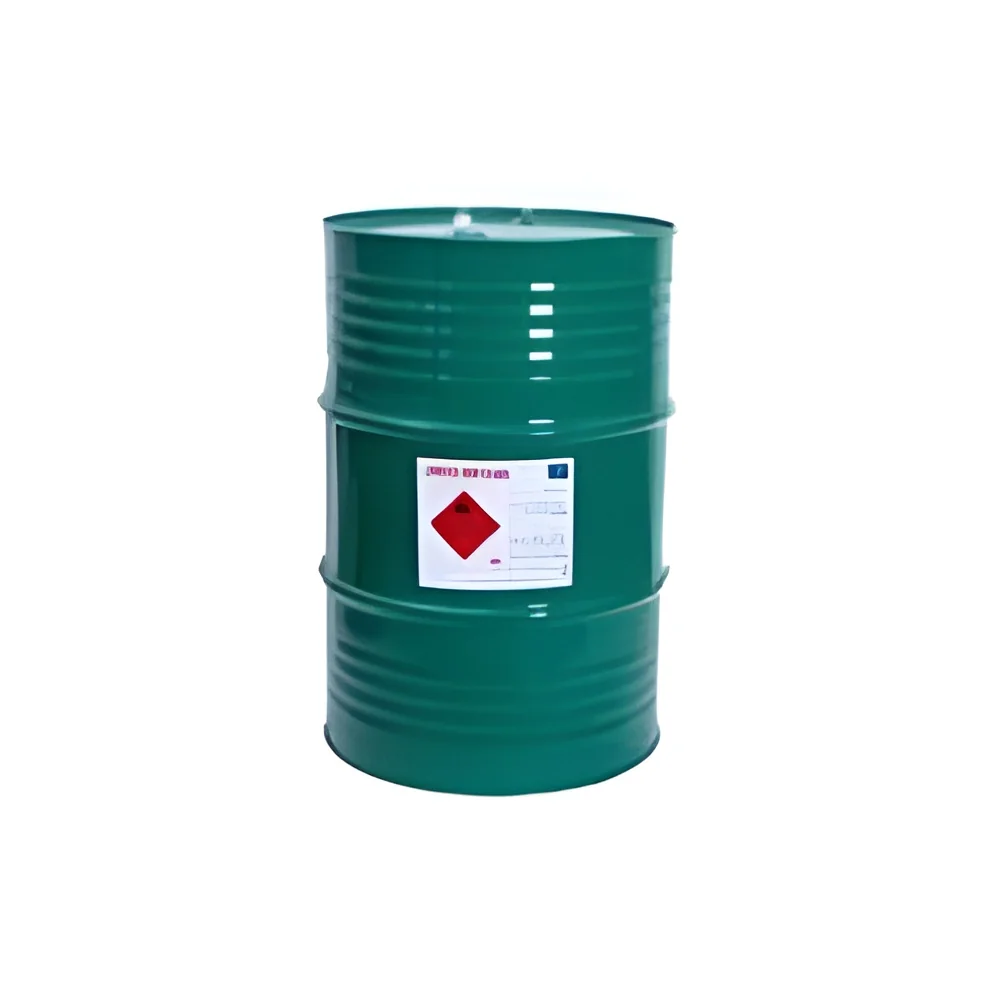
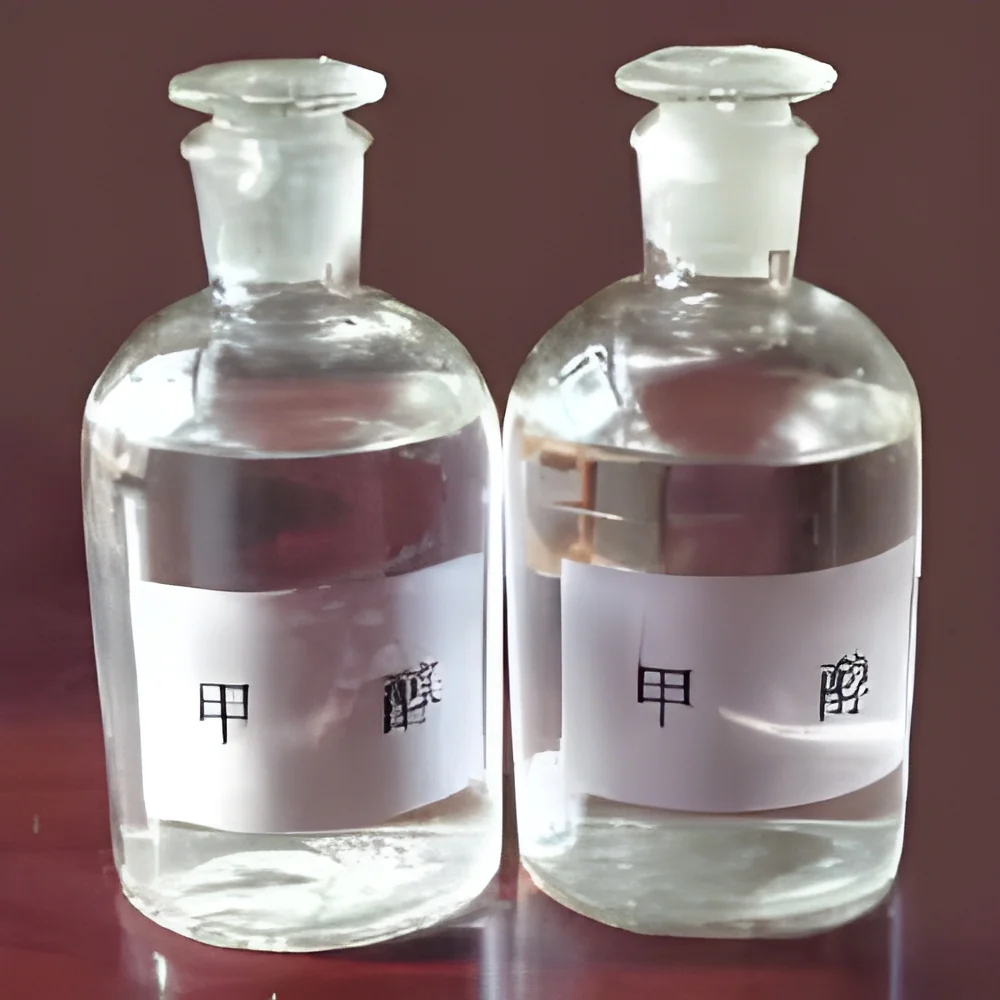
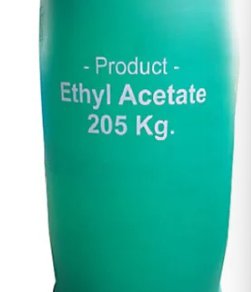
Solvents are chemical substances used to dissolve, suspend, or extract other materials in industrial processes. Acetone, toluene, and ethanol are three widely utilized solvents, each with unique properties and applications. Acetone is a colorless, volatile liquid known for its effectiveness in dissolving organic compounds. Toluene is a clear, aromatic hydrocarbon with a sweet smell, often used in paint thinners and adhesives. Ethanol, a colorless liquid with a characteristic odor, is commonly used in pharmaceuticals and as a cleaning agent.
These solvents play a critical role across various industries. Acetone is primarily used in the cosmetic and pharmaceutical sectors for its ability to dissolve certain substances. Toluene is frequently found in the production of paints, coatings, and adhesives, where it serves as a carrier for pigments. Ethanol is widely used in food processing, personal care products, and as a fuel additive. The growing demand for these solvents is driven by their versatility and essential functions in manufacturing and production processes.
In the current market context, the demand for solvents such as acetone, toluene, and ethanol is increasing due to industrial expansion and evolving regulations. Industries are focusing on sustainable practices, leading to a rise in the preference for eco-friendly solvents. As businesses adapt to these changes, understanding the properties and applications of these solvents becomes crucial for maintaining competitive advantage.
𝗞𝗲𝘆 𝗙𝗲𝗮𝘁𝘂𝗿𝗲𝘀 𝗮𝗻𝗱 𝗦𝗽𝗲𝗰𝗶𝗳𝗶𝗰𝗮𝘁𝗶𝗼𝗻𝘀
Solvents like acetone, toluene, and ethanol are characterized by several key features that are important for their effective use in various applications. Understanding these specifications can help businesses select the right solvent for their needs.
Key specifications include:
1. Purity Level
- Indicates the concentration of the active ingredient.
- Typically ranges from 95% to 99.9%.
2. Boiling Point
- The temperature at which a solvent transitions from liquid to gas.
- Acetone: 56°C, Toluene: 110.6°C, Ethanol: 78.37°C.
3. Flash Point
- The lowest temperature at which vapors can ignite.
- Acetone: -20°C, Toluene: 4°C, Ethanol: 13°C.
4. Density
- The mass per unit volume of the solvent.
- Acetone: 0.784 g/cm³, Toluene: 0.866 g/cm³, Ethanol: 0.789 g/cm³.
5. Solubility
- Indicates how well the solvent can dissolve other materials.
- Acetone and ethanol are miscible with water, while toluene is not.
6. Environmental Impact
- Some solvents are more environmentally friendly than others.
- Ethanol is often preferred for its lower toxicity.
In summary, knowing the specifications of these solvents can greatly influence their selection for specific applications, ensuring that businesses achieve optimal results.
𝗖𝗼𝗺𝗺𝗼𝗻 𝗔𝗽𝗽𝗹𝗶𝗰𝗮𝘁𝗶𝗼𝗻𝘀 𝗮𝗻𝗱 𝗨𝘀𝗲 𝗖𝗮𝘀𝗲𝘀
Solvents such as acetone, toluene, and ethanol are integral to a wide range of industries, each benefiting from their unique properties.
1. Paint and Coatings Industry: Acetone and toluene are commonly used in formulations for paints and coatings. They help dissolve pigments and improve application characteristics.
2. Pharmaceuticals: Ethanol is frequently employed as a solvent in drug formulations. It is effective in extracting active ingredients and is often used in tinctures.
3. Adhesives: Toluene is a key component in many adhesive formulations, providing the necessary viscosity and drying time for effective bonding.
4. Cleaning Products: Acetone and ethanol are utilized in industrial cleaning agents due to their ability to effectively remove oils and contaminants.
5. Chemical Manufacturing: All three solvents play a vital role in various chemical processes, acting as intermediates or carriers for reactions.
6. Cosmetics: Acetone is often found in nail polish removers, while ethanol is used in perfumes and other cosmetic products.
7. Food Industry: Ethanol is used as a solvent for extracting flavors and aromas, making it essential for food processing.
𝗣𝗿𝗼𝗱𝘂𝗰𝘁 𝗩𝗮𝗿𝗶𝗮𝗻𝘁𝘀 𝗮𝗻𝗱 𝗦𝘂𝗯𝗰𝗮𝘁𝗲𝗴𝗼𝗿𝗶𝗲𝘀
The diversity of solvents like acetone, toluene, and ethanol allows for various formulations tailored to specific needs. Each variant provides distinct characteristics.
Acetone
Acetone is available in industrial-grade and laboratory-grade variants. The industrial-grade is often used in large-scale manufacturing due to its cost-effectiveness, while laboratory-grade acetone is highly purified for analytical applications.
Toluene
Toluene can be sourced in pure form or as part of a blended solvent system. The pure form is used in specialized applications, while blends may be tailored for specific paint or adhesive formulations, enhancing performance.
Ethanol
Ethanol is available in various concentrations, typically ranging from 70% to 100%. The lower concentrations are often used in personal care products, while higher concentrations are utilized for industrial applications and fuel.
𝗕𝗲𝗻𝗲𝗳𝗶𝘁𝘀 𝗮𝗻𝗱 𝗔𝗱𝘃𝗮𝗻𝘁𝗮𝗴𝗲𝘀
Choosing the right solvent can provide significant advantages for businesses. Understanding these benefits is essential for making informed decisions.
1. Versatility: Solvents like acetone, toluene, and ethanol can be used across multiple industries, making them highly adaptable for various applications.
2. Efficiency: These solvents effectively dissolve a wide range of materials, improving processes and reducing production times.
3. Quality Improvement: Utilizing high-purity solvents enhances the quality of end products, ensuring compliance with industry standards.
4. Environmental Considerations: Ethanol, as a renewable resource, offers a more sustainable option compared to traditional solvents, aligning with green chemistry principles.
5. Cost-Effectiveness: The availability of these solvents in bulk allows businesses to reduce costs, especially when sourced from reliable suppliers.
6. Regulatory Compliance: Many suppliers provide solvents that meet safety and environmental regulations, ensuring peace of mind for businesses.
𝗕𝘂𝘆𝗶𝗻𝗴 𝗚𝘂𝗶𝗱𝗲 𝗳𝗼𝗿 𝗕𝟮𝗕 𝗕𝘂𝘆𝗲𝗿𝘀
When sourcing solvents such as acetone, toluene, and ethanol, it is crucial for buyers to consider several factors to ensure quality and reliability.
1. Quality Assessment: Buyers should evaluate the purity and composition of the solvents. Checking for certifications and quality assurance can prevent issues in production.
2. Supplier Verification: It is essential to vet suppliers for their reliability and reputation. Look for manufacturers with a track record of quality and compliance.
3. Pricing and MOQ: Understanding the pricing structure and minimum order quantities can help in budget planning and ensuring supply consistency.
4. Delivery and Lead Times: Consider logistics and shipping times to avoid disruptions in the supply chain. Timely delivery is critical for production schedules.
5. Compliance Requirements: Be aware of regulatory standards applicable to solvents in your region. Ensure that suppliers adhere to these standards to avoid legal complications.
𝗖𝗼𝗺𝗽𝗹𝗶𝗮𝗻𝗰𝗲 𝗮𝗻𝗱 𝗖𝗲𝗿𝘁𝗶𝗳𝗶𝗰𝗮𝘁𝗶𝗼𝗻𝘀
Compliance with industry standards is crucial when sourcing solvents like acetone, toluene, and ethanol. Relevant quality standards include ISO 9001, which focuses on quality management systems. This certification ensures that products meet customer and regulatory requirements.
CE certification is also significant for solvents used in manufacturing processes within the European market, indicating conformity with health, safety, and environmental protection standards.
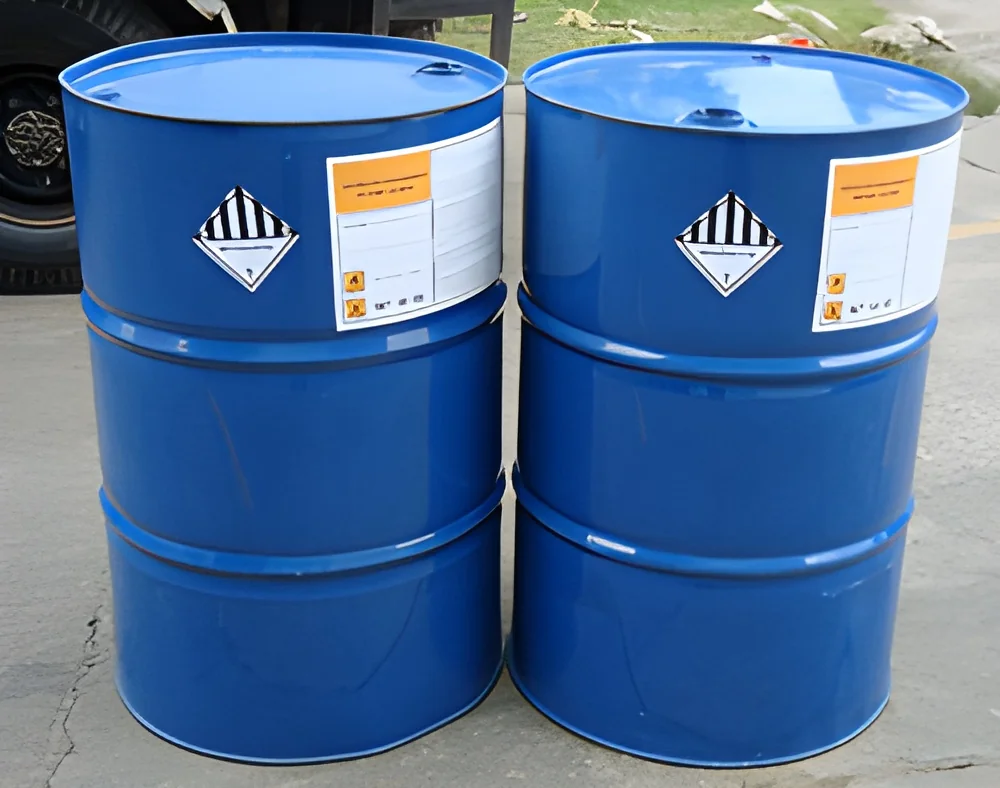
Safety and testing requirements are essential, as solvents often pose health risks. Proper labeling, handling instructions, and safety data sheets (SDS) should accompany all solvent products.
Regional compliance considerations vary, with different countries imposing specific regulations on chemical substances. Staying informed about these regulations is vital for ensuring compliance and maintaining operational integrity.
Why Source Solvents (Acetone, Toluene, Ethanol) from Pepagora?
Pepagora offers a trusted platform for sourcing solvents such as acetone, toluene, and ethanol, providing several key advantages for B2B buyers.
Verified Supplier Network: Pepagora maintains a robust network of verified suppliers, ensuring that buyers have access to reputable sources. This network is crucial for obtaining high-quality products consistently.
Streamlined RFQ Process: The request for quotation (RFQ) process is simplified on Pepagora, allowing buyers to quickly obtain competitive quotes. This efficiency facilitates faster decision-making and procurement.
Trade Assurance and Support: Buyers benefit from trade assurance programs that protect their transactions. This support fosters trust between buyers and suppliers.
Regional Coverage: With a presence in India, the GCC, and Southeast Asia, Pepagora offers extensive geographic reach. This presence allows buyers to access local suppliers, reducing logistics costs and improving delivery times.