IN
IN₹
Apparel & Fashion
Description
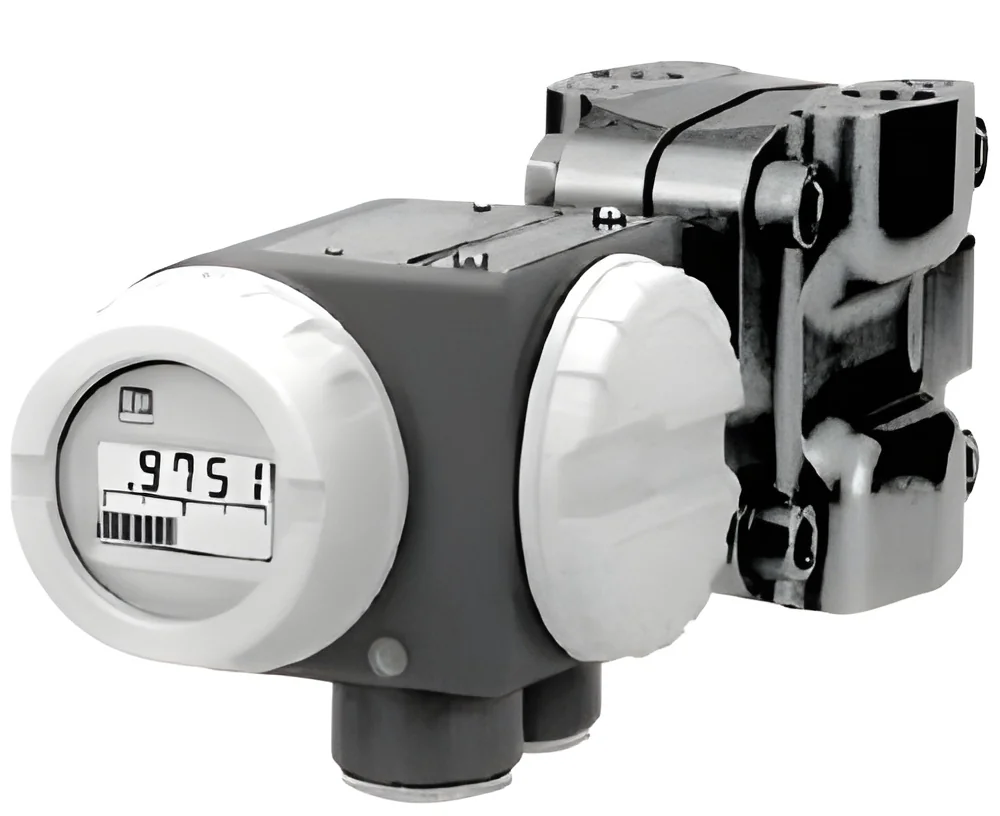
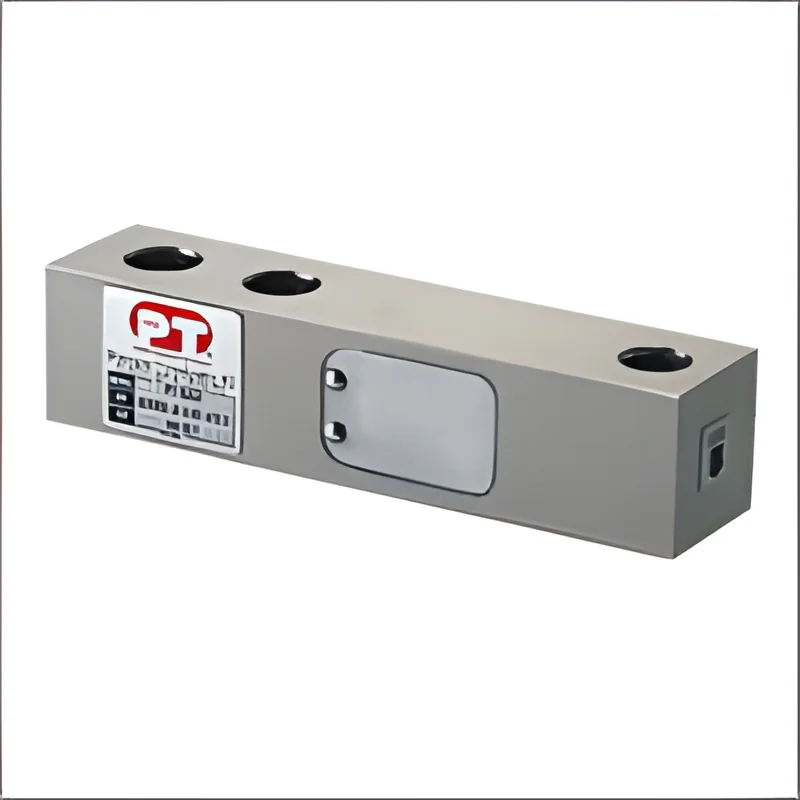
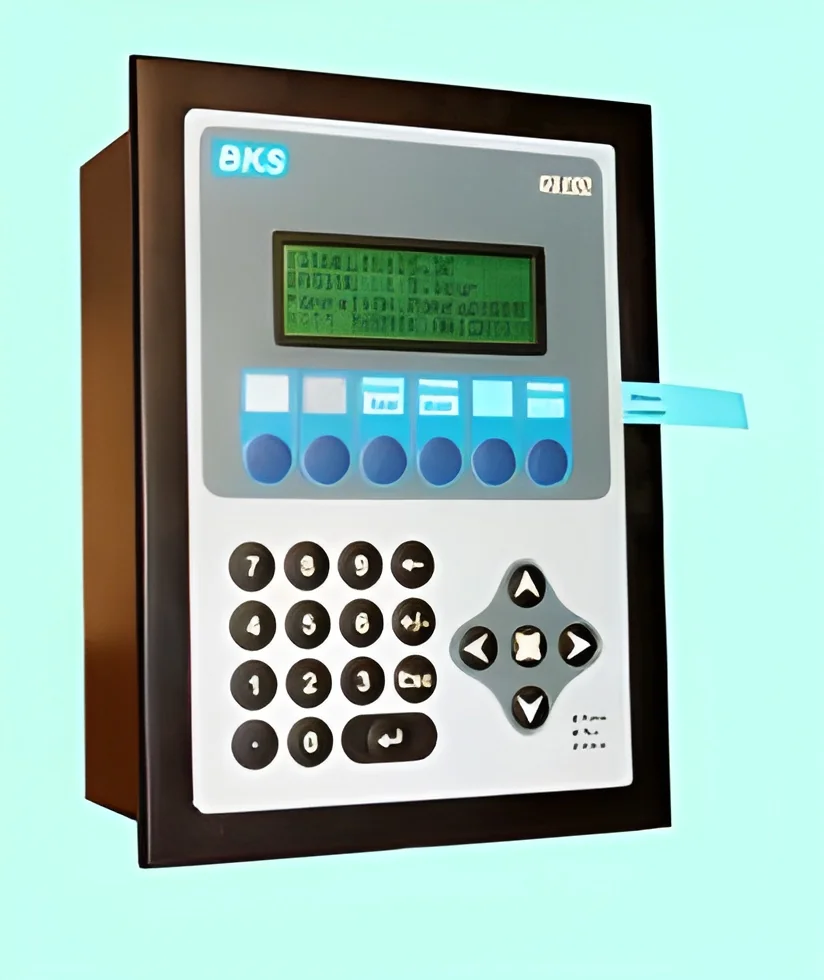
Industrial Human Machine Interface systems represent the vital connection point between operational personnel and industrial equipment, providing intuitive control and monitoring capabilities for modern manufacturing and process environments. These sophisticated interfaces transform complex machine data into visually accessible information through high-resolution touchscreen displays and control panels. Our HMI solutions are engineered for maximum reliability and operational simplicity, featuring robust construction that withstands demanding industrial conditions while delivering responsive performance. The systems support seamless integration with various automation components including PLCs, sensors, and actuators, creating a cohesive control environment that enhances operational visibility and decision-making capabilities across production floors.

HMI technology finds extensive application across diverse industrial sectors including discrete manufacturing, continuous process indust...
Industrial Human Machine Interface systems represent the vital connection point between operational personnel and industrial equipment, providing intuitive control and monitoring capabilities for modern manufacturing and process environments. These sophisticated interfaces transform complex machine data into visually accessible information through high-resolution touchscreen displays and control panels. Our HMI solutions are engineered for maximum reliability and operational simplicity, featuring robust construction that withstands demanding industrial conditions while delivering responsive performance. The systems support seamless integration with various automation components including PLCs, sensors, and actuators, creating a cohesive control environment that enhances operational visibility and decision-making capabilities across production floors.

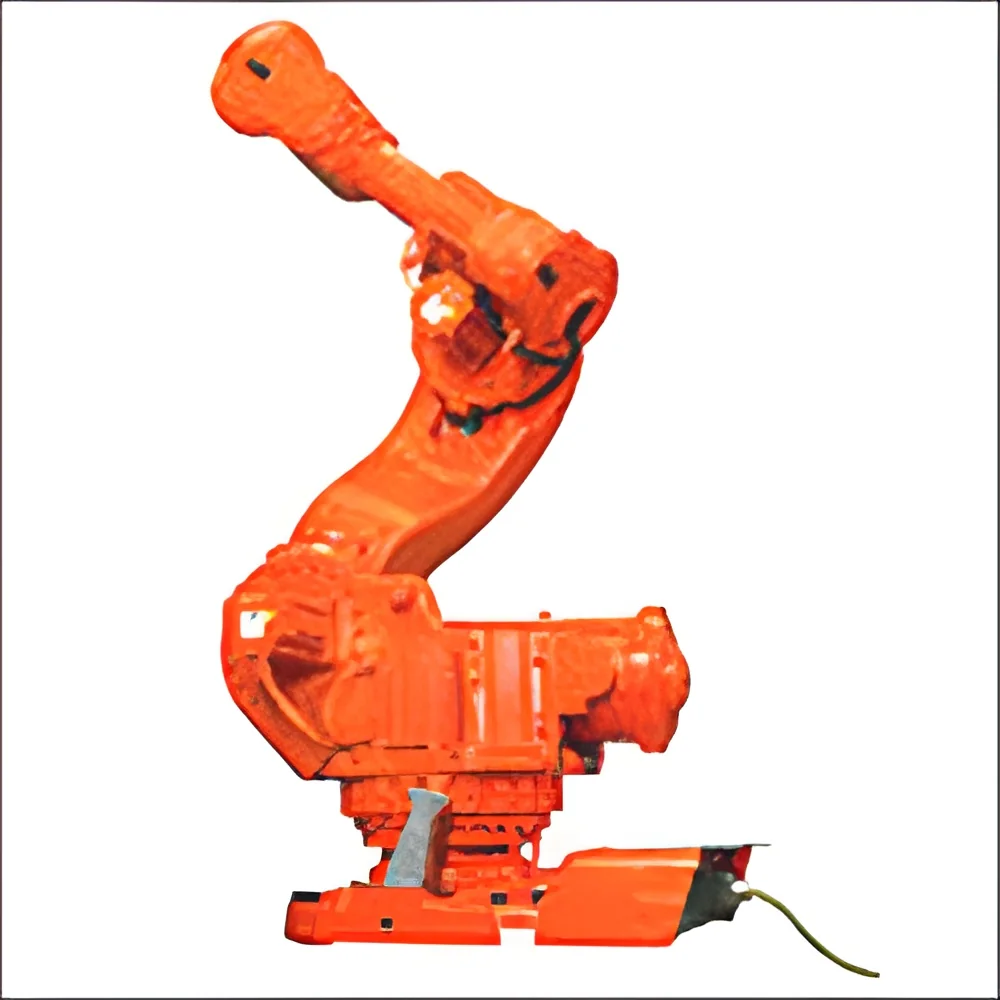
HMI technology finds extensive application across diverse industrial sectors including discrete manufacturing, continuous process industries, energy management, and infrastructure systems. In manufacturing environments, HMIs control production lines, robotic welding systems, assembly operations, and quality verification processes. Process industries such as chemical processing, pharmaceutical manufacturing, and food production utilize HMIs for monitoring critical parameters including temperature, pressure, flow rates, and mixture compositions. The energy sector employs these interfaces for managing power distribution networks, renewable energy systems, and utility monitoring stations. Infrastructure applications include building automation, water treatment plants, and transportation systems where reliable human-machine interaction is essential for safe and efficient operation.

The operational value of implementing robust HMI systems extends beyond basic equipment control to encompass significant improvements in productivity, quality consistency, and workplace safety. These systems substantially reduce operator training time through intuitive graphical interfaces while minimizing human error through clear visual feedback and controlled access levels. Reliability is engineered into every component, with industrial-grade materials ensuring continuous operation even in challenging environments featuring dust, moisture, vibration, or extreme temperature conditions. The responsive touchscreen technology and multi-protocol connectivity allow seamless integration with existing automation infrastructure, creating efficient operational workflows that enhance overall equipment effectiveness and production throughput.

Key Features:
- Industrial-grade construction resistant to dust, moisture, and vibration
- High-resolution touchscreen displays with responsive control capabilities
- Multi-protocol support for integration with various automation systems
- Robust connectivity options including Ethernet and serial communications
- Customizable interface designs for specific operational requirements

Benefits:
- Enhanced operational efficiency through intuitive control interfaces
- Reduced training time with user-friendly graphical displays
- Improved decision-making with real-time process visualization
- Increased equipment uptime with reliable industrial construction
- Flexible integration with existing automation infrastructure
Specifications
| Additional Information | |
|---|---|
| Country of Origin | India |
Application
Industrial HMI systems serve as the critical operational interface between personnel and machinery across manufacturing and process environments. These robust touchscreen panels translate complex equipment data into clear visual displays and simple control inputs, enabling real-time monitoring of production metrics, equipment status, and process variables without requiring advanced technical expertise from operators.
These interfaces are engineered for reliable performance in demanding industrial settings, with construction that withstands exposure to dust, moisture, vibration, and temperature fluctuations. HMIs integrate seamlessly with PLCs, sensors, and automation networks, providing centralized control for adjusting parameters, managing production workflows, and responding immediately to system alerts or maintenance requirements.
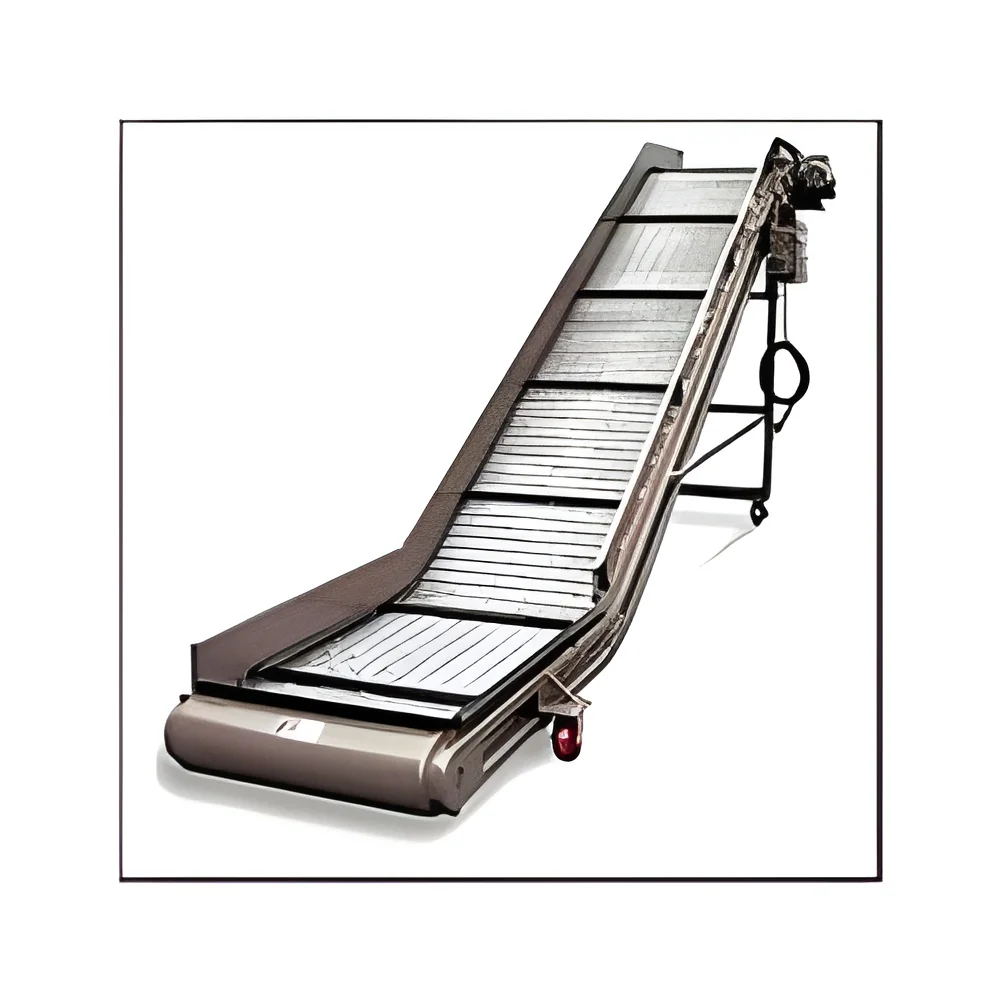
- Automotive manufacturing lines for controlling robotic assembly systems and conveyor operations
- Food and beverage processing for monitoring temperature, pressure, and filling parameters
- Pharmaceutical production ensuring precise environmental control and batch tracking
- Water treatment facilities managing filtration cycles and chemical dosing systems
- Packaging machinery operations for setting parameters and monitoring equipment performance
Trade Details
| Available Stock | In Stock |
| Sample Availability | No |
Payment Terms
| Payment Terms |
|
Company Profile
Best Systems And Services, Tamil Nadu
 Tamil Nadu, India
Tamil Nadu, IndiaIndustrial Equipment & Machinery•Manufacturer•Distributor / Wholesaler
Factory Details
Factory SizeBelow 1000 sqm
Annual Production Capacity0
Industrial HMI Systems For Control And Monitoring In Manufacturing
Industrial HMI systems deliver reliable control and monitoring interfaces for manufacturing automation, featuring durable construction, intuitive operation, and seamless integration with industrial equipment and processes.
Min. Order Quantity: 1 unit
Shipping
Shipping fee and delivery date to be negotiated. Contact supplier now for more details.
Best Systems And Services
 Tamil Nadu, India
Tamil Nadu, IndiaIndustrial Equipment & MachineryManufacturer