IN
IN₹
Apparel & Fashion
Description
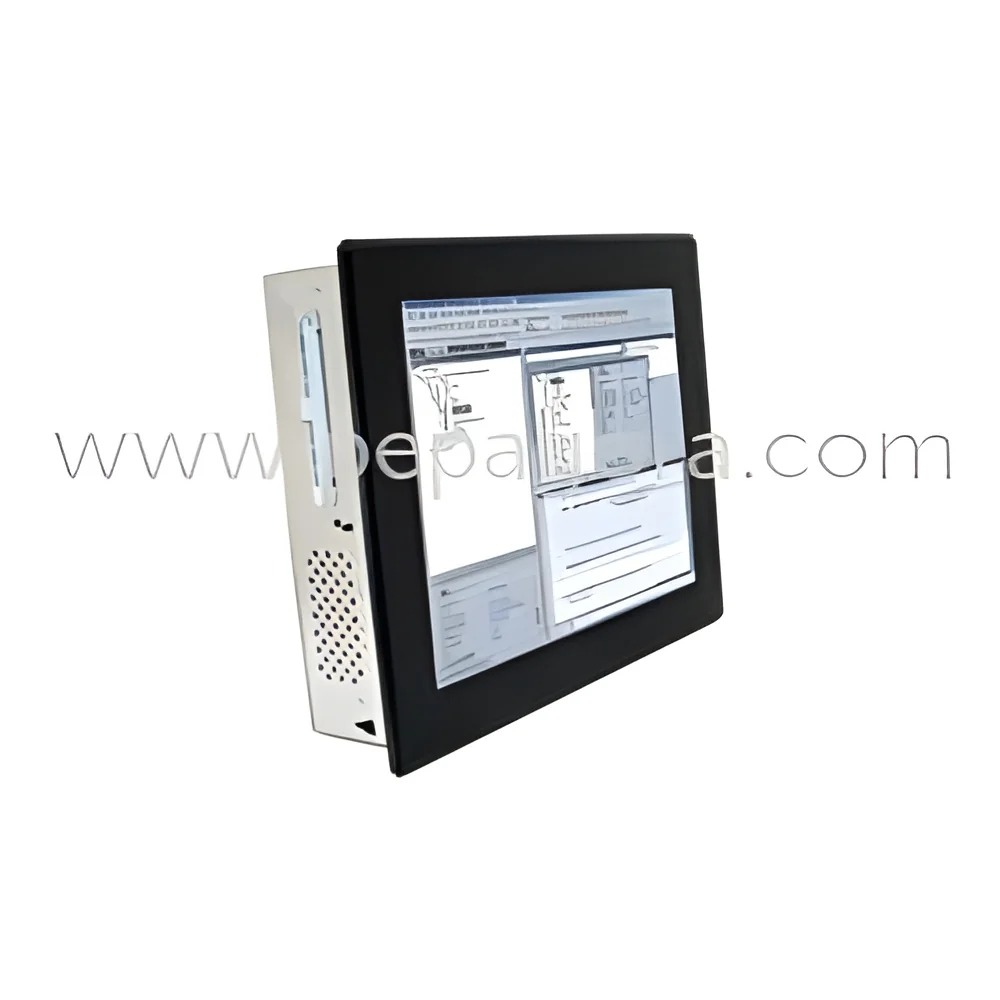
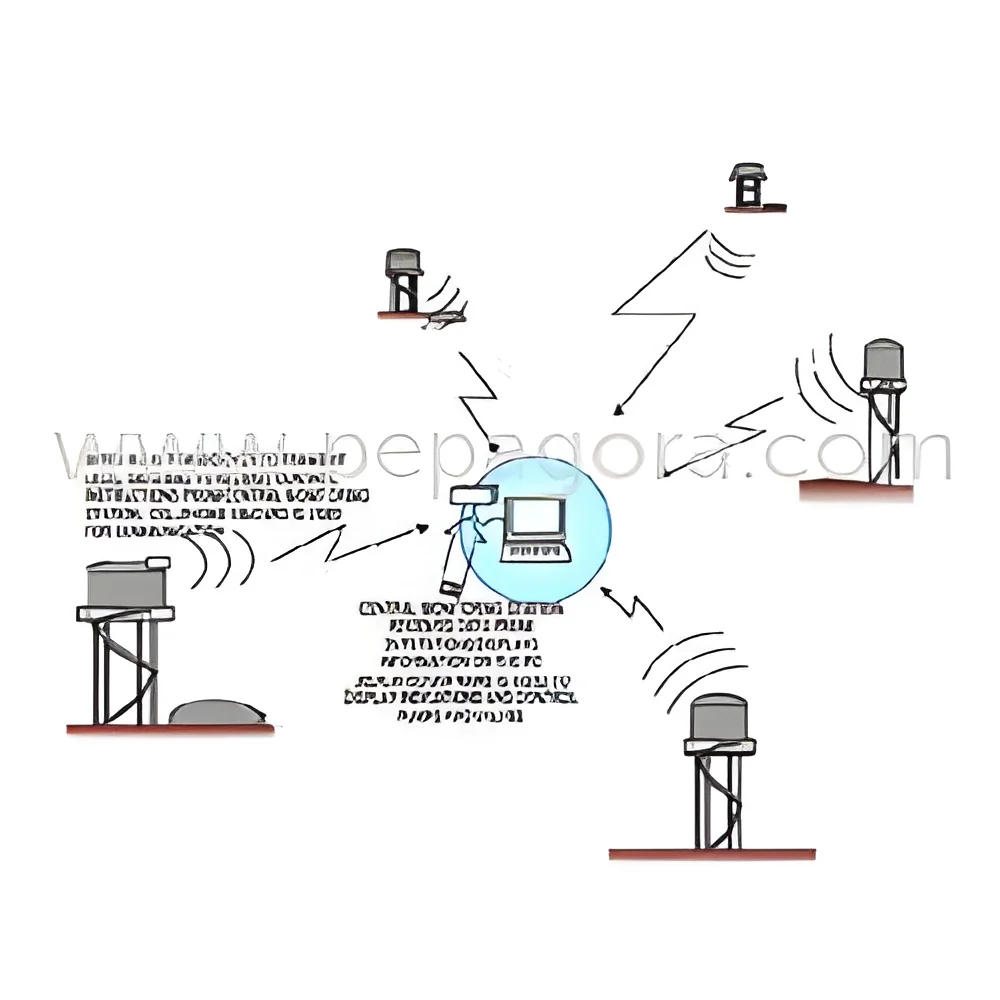
Industrial Remote SCADA Systems represent sophisticated automation solutions engineered for centralized monitoring and control of liquid levels in storage tanks across diverse industrial applications. These systems leverage real-time data acquisition and remote operational capabilities, allowing businesses to efficiently manage critical resources including water, fuel, and wastewater from centralized locations. Their durable architecture guarantees reliable performance in challenging industrial settings while providing scalable solutions that address specific operational needs and integration requirements without compromising on functionality or precision.

These monitoring systems serve essential functions across multiple industrial sectors including municipal water distribution networks, public health infrastructure developments, and wastewater treatment facilities. Manufacturing industries utilize them for diesel fuel monitoring in backup power systems while agricultural operations ...
Industrial Remote SCADA Systems represent sophisticated automation solutions engineered for centralized monitoring and control of liquid levels in storage tanks across diverse industrial applications. These systems leverage real-time data acquisition and remote operational capabilities, allowing businesses to efficiently manage critical resources including water, fuel, and wastewater from centralized locations. Their durable architecture guarantees reliable performance in challenging industrial settings while providing scalable solutions that address specific operational needs and integration requirements without compromising on functionality or precision.

These monitoring systems serve essential functions across multiple industrial sectors including municipal water distribution networks, public health infrastructure developments, and wastewater treatment facilities. Manufacturing industries utilize them for diesel fuel monitoring in backup power systems while agricultural operations employ them for irrigation management and water resource optimization. The adaptability extends to energy management sectors where they oversee fuel storage and distribution processes, ensuring optimal resource utilization and operational continuity across various industrial environments and specialized applications.

The operational value of Remote SCADA Systems lies in their capacity to enhance system reliability, minimize manual intervention requirements, and substantially reduce operational expenditures through optimized resource management. Their scalable architecture supports tailored implementations that address specific industry challenges while maintaining superior quality and durability standards. These systems deliver long-term operational advantages by reducing equipment downtime, supporting sustainable operational practices, and ensuring regulatory compliance through accurate monitoring and precise control capabilities across all connected assets.

Key Features:
- Centralized monitoring and control of liquid levels across multiple storage tanks
- Real-time data acquisition with remote operational capabilities
- Scalable configurations adaptable to specific industrial requirements
- Reliable performance in demanding industrial operating conditions
- Seamless integration capabilities with existing infrastructure and control systems

Benefits:
- Enhanced operational reliability through continuous monitoring and automated control
- Reduced manual intervention requirements and associated labor costs
- Optimized resource management leading to significant operational savings
- Minimized system downtime through proactive monitoring and early fault detection
- Improved regulatory compliance through accurate data recording and reporting
Specifications
| Additional Information | |
|---|---|
| Country of Origin | 106 |
Application
Remote SCADA Systems deliver centralized real-time monitoring and precise control of liquid storage and distribution processes across industrial operations. These systems enable operators to track tank levels, manage pump and valve operations, and optimize performance from a single interface while ensuring maximum reliability and operational continuity in demanding environments. Their robust design supports continuous monitoring and automated control functions that maintain efficiency and prevent resource shortages or operational disruptions across various industrial settings.
These advanced monitoring solutions are extensively deployed in municipal water networks, public health infrastructure projects, and industrial energy management facilities. The systems adapt seamlessly to multiple sectors including manufacturing plants, utility services, and environmental management operations, providing efficient process control and compliance with industry standards through reliable performance and scalable architecture that meets diverse operational requirements.
- Monitor water levels in municipal storage tanks to maintain consistent supply and prevent service interruptions
- Control pump operations and valve functions in public health engineering projects using live data feeds
- Manage diesel fuel inventory in generator tanks for industrial backup power systems
- Supervise wastewater treatment operations to ensure regulatory compliance and process efficiency
- Automate agricultural irrigation systems by regulating water distribution based on storage levels
Trade Details
| Available Stock | In Stock |
| Sample Availability | No |
Payment Terms
| Payment Terms |
|
Company Profile

Control & Solutions, Maharashtra
 Maharashtra, India
Maharashtra, IndiaElectronics & Electrical•Distributor / Wholesaler
Factory Details
Factory SizeBelow 1000 sqm
Annual Production Capacity0
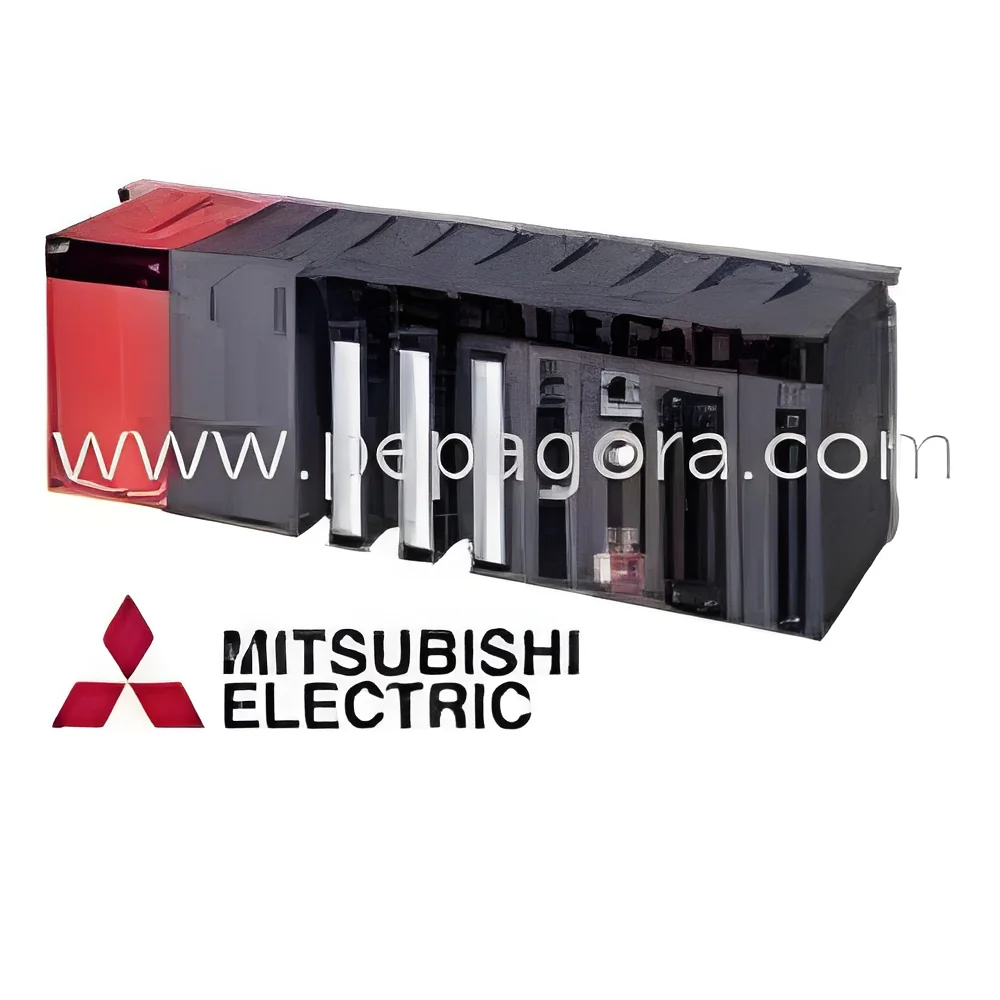
Industrial Remote SCADA Systems For Liquid Level Monitoring And Control
Industrial Remote SCADA Systems provide centralized liquid level monitoring and control for tanks in water supply, wastewater treatment, and energy management applications with reliable performance and customizable configurations.
Min. Order Quantity: 1 unit
Shipping
Shipping fee and delivery date to be negotiated. Contact supplier now for more details.
Control & Solutions
 Maharashtra, India
Maharashtra, IndiaElectronics & ElectricalDistributor / Wholesaler