
 IN
Salts (Sodium Chloride, Ammonium Sulfate)
283 products available
Key Features and Specifications
Sodium Chloride and Ammonium Sulfate possess several key features that make them valuable in industrial applications. Their versatility allows them to be used in numerous processes, from agriculture to chemical manufacturing. Understanding their specifications is crucial for businesses looking to integrate these salts into their operations.
Key specifications include:
1. Purity Level
- Sodium Chloride typically has a purity of 99% or higher.
- Ammonium Sulfate purity usually ranges from 95% to 99%.
2. Solubility
- Sodium Chloride is highly soluble in water, with a solubility of about 357 g/L at 25°C.
- Ammonium Sulfate also exhibits high solubility, approximately 70 g/L at 25°C.
3. Particle Size
- Available in various granule sizes, suitable for different applications.
- Options include fine powder and coarse granules.
4. Chemical Composition
- Sodium Chloride: NaCl
- Ammonium Sulfate: (NH4)2SO4
5. Moisture Content
- Sodium Chloride typically has a moisture content of less than 0.5%.
- Ammonium Sulfate moisture content is generally around 0.5% to 1.5%.
6. Storage Conditions
- Both salts should be stored in a cool, dry place to prevent clumping and degradation.
7. Safety Data
- Low toxicity and non-flammable, making them safe to handle in industrial environments.
In summary, the key features and specifications of Sodium Chloride and Ammonium Sulfate highlight their importance in various industries, ensuring efficient use and optimal performance.
Common Applications and Use Cases
Sodium Chloride and Ammonium Sulfate are utilized across a wide array of industries, showcasing their versatility and essential roles in numerous applications.
1. Agriculture: Sodium Chloride is used for animal feed and as a soil conditioner. Ammonium Sulfate serves as a nitrogen-rich fertilizer, promoting plant growth and soil health.
2. Food Processing: Sodium Chloride is critical in food preservation and flavor enhancement. Ammonium Sulfate is employed in baking and as an acidity regulator in food products.
3. Chemical Manufacturing: Both salts are raw materials in the production of various chemicals, including chlorine and sodium bicarbonate.
4. Water Treatment: Ammonium Sulfate is utilized in water purification processes to remove impurities and enhance water quality.
5. Pharmaceuticals: Sodium Chloride is commonly used in saline solutions, while Ammonium Sulfate is involved in protein precipitation during drug manufacturing.
6. De-icing: Sodium Chloride is widely applied for melting ice on roads and highways in winter conditions.
7. Textile Industry: Ammonium Sulfate is used as a mordant in dyeing processes, ensuring color adherence to fabrics.
Product Variants and Subcategories
Sodium Chloride and Ammonium Sulfate are available in various forms to meet diverse industrial needs. The product diversity caters to different application requirements, ensuring that customers find the right variant for their specific use.
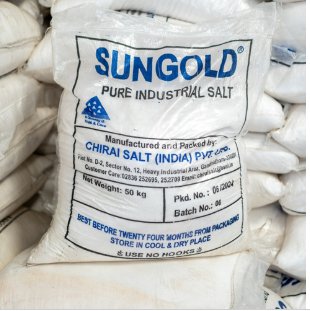
Sodium Chloride Granules
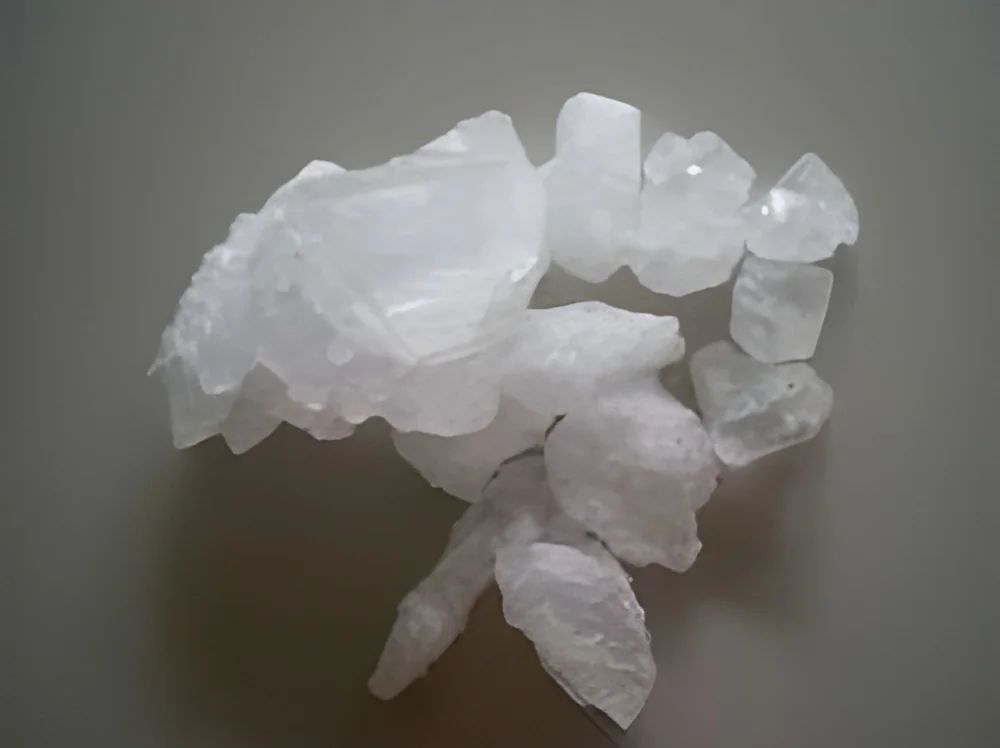
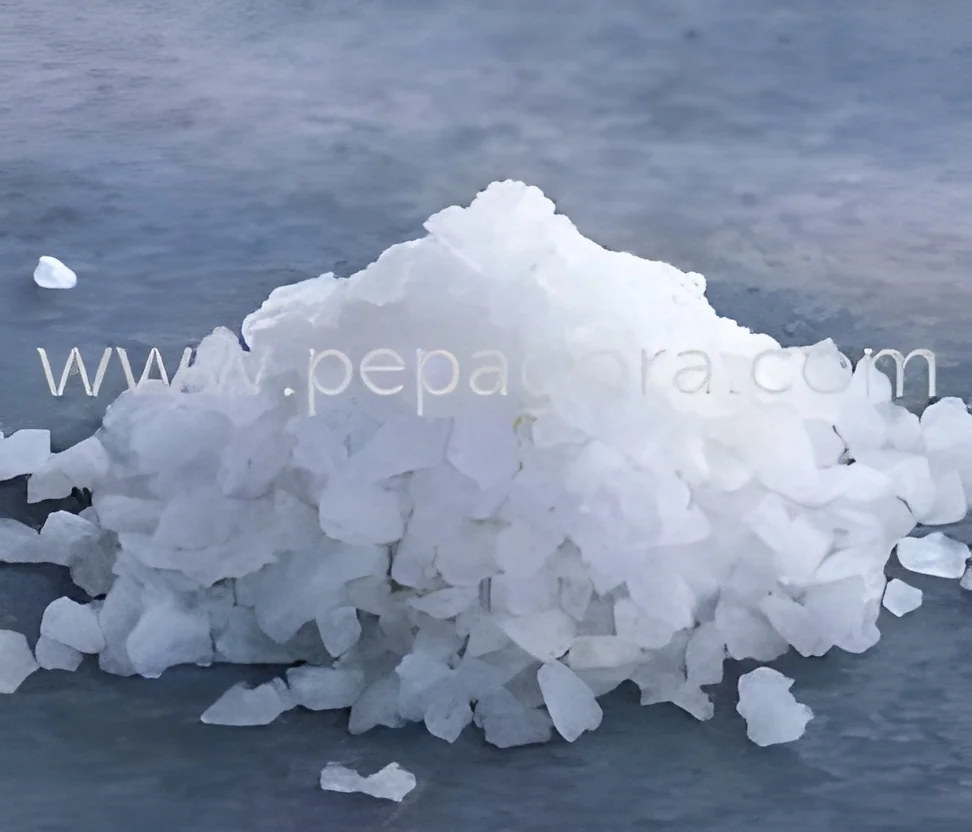
These granules are ideal for de-icing and industrial applications. They dissolve easily in water and provide efficient melting capabilities for ice and snow.
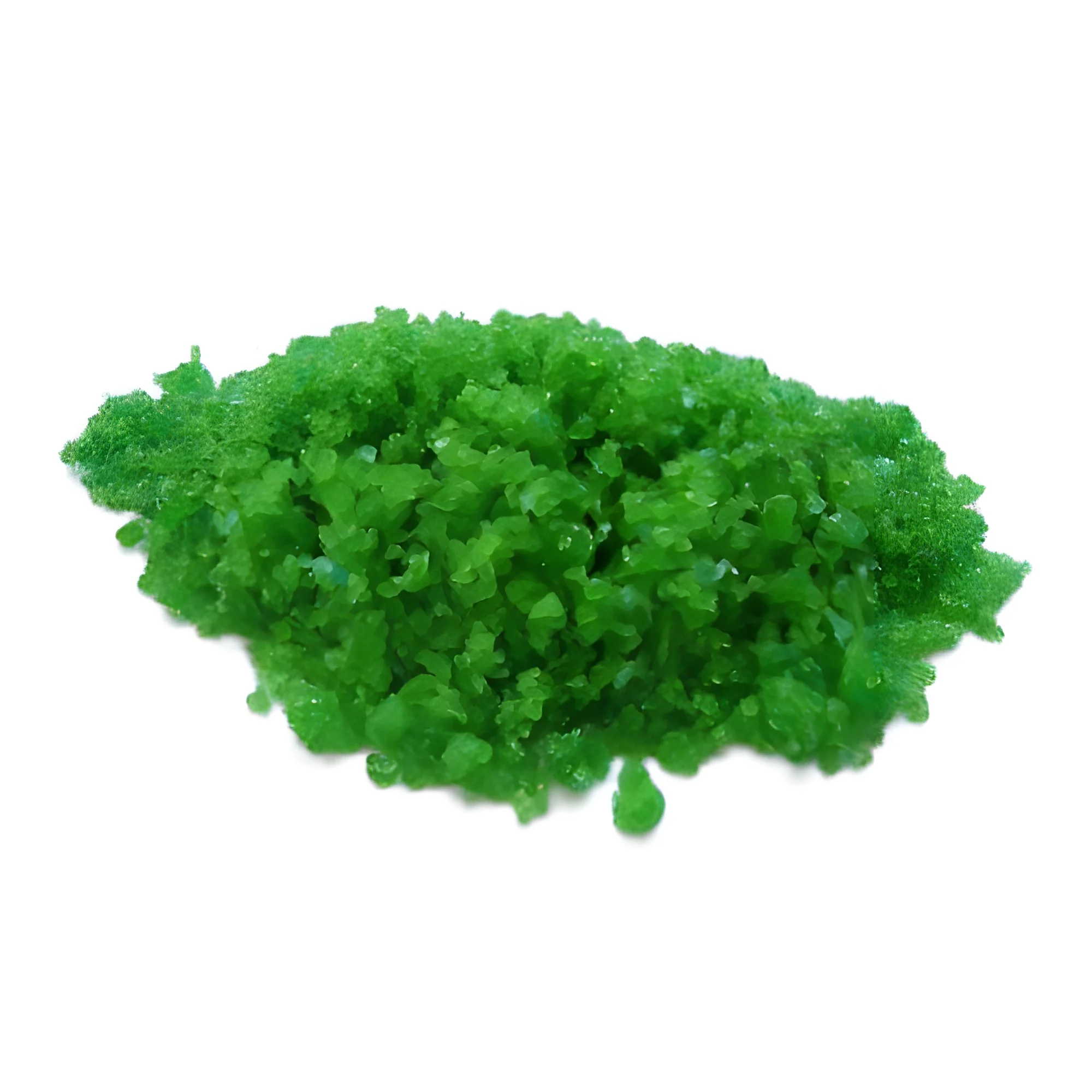
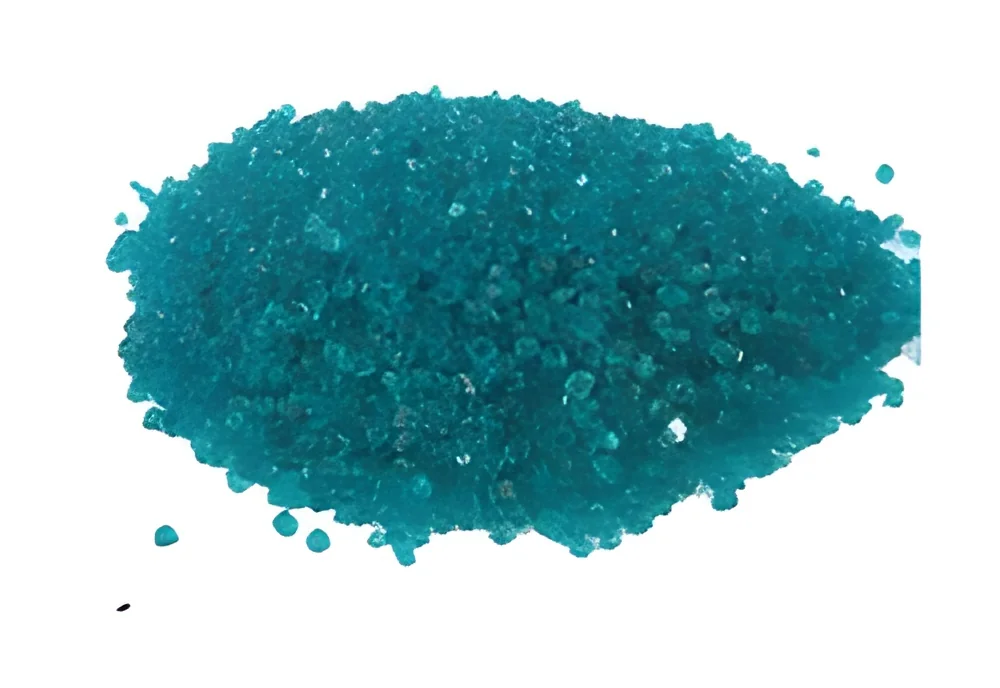
Ammonium Sulfate Crystals
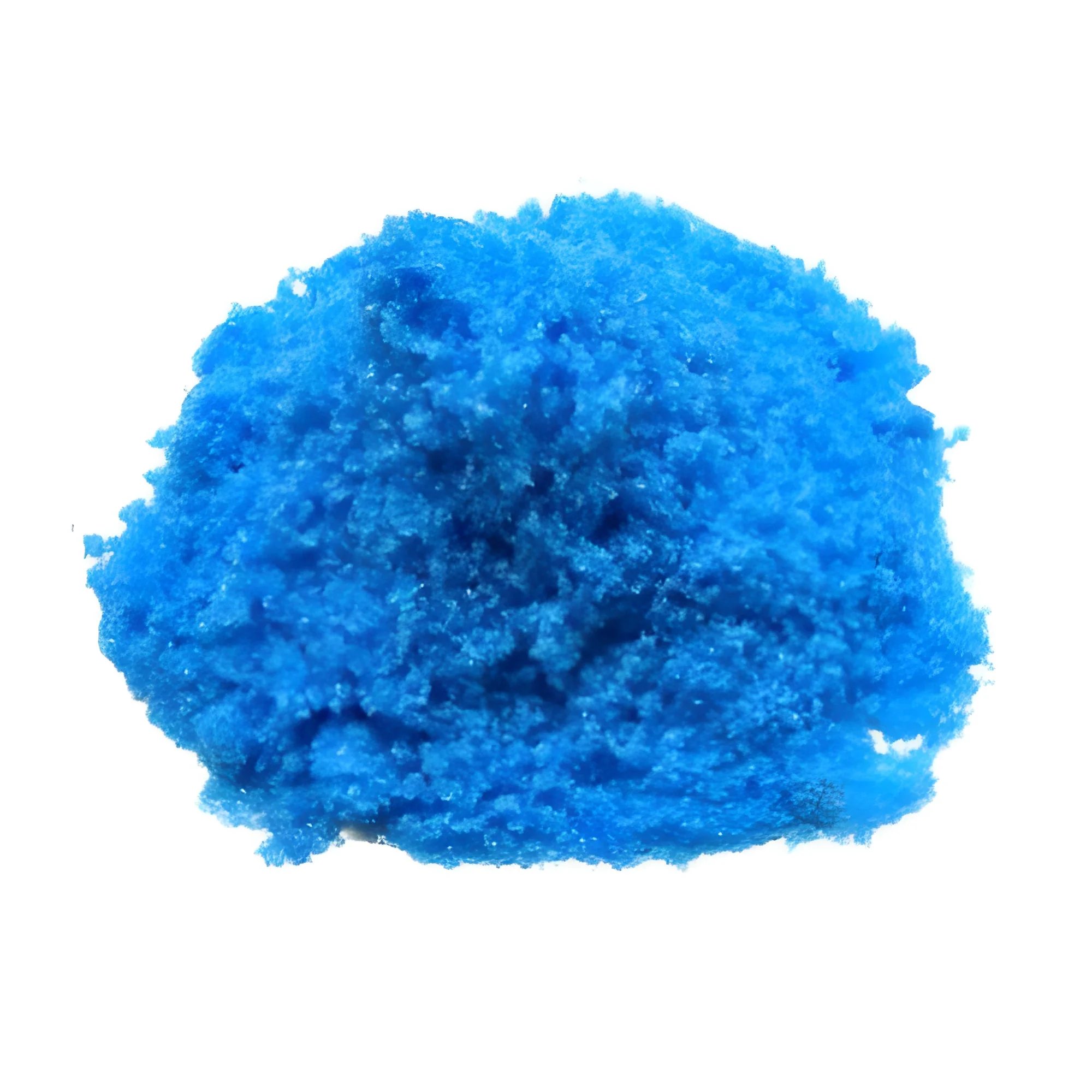
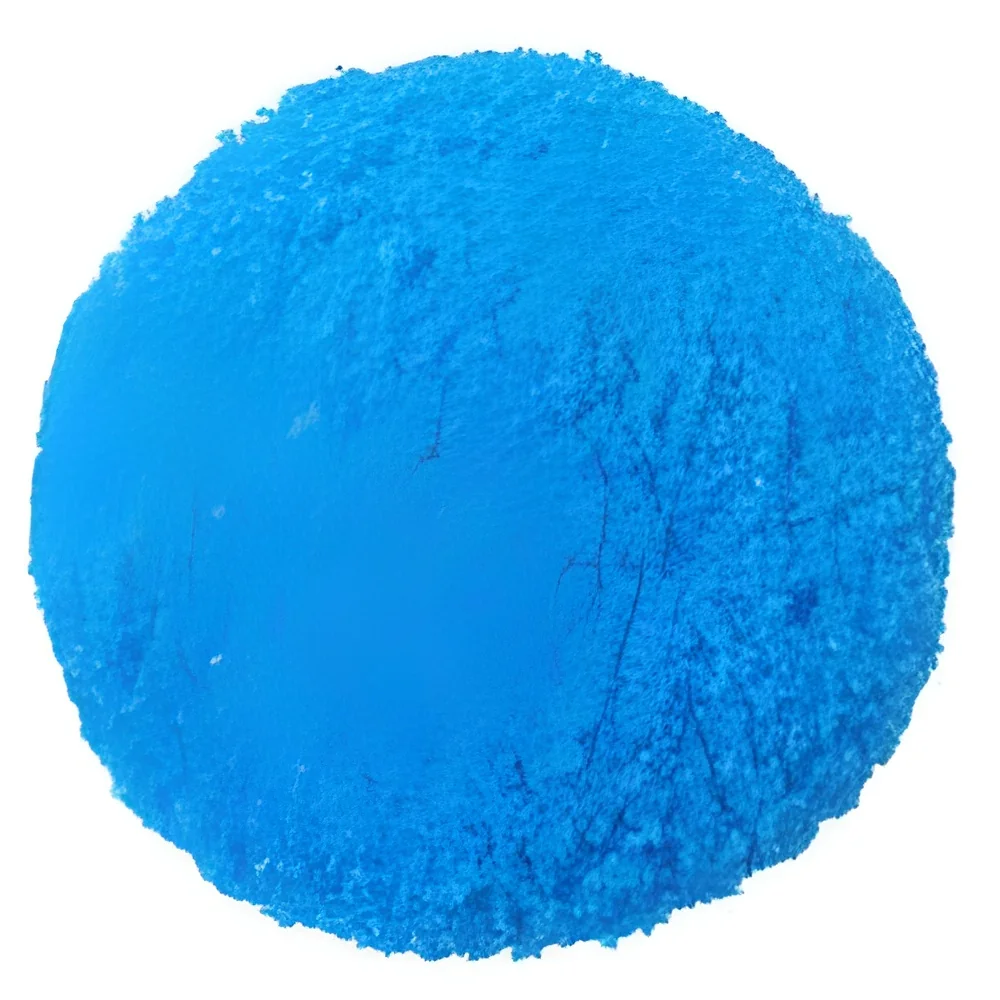
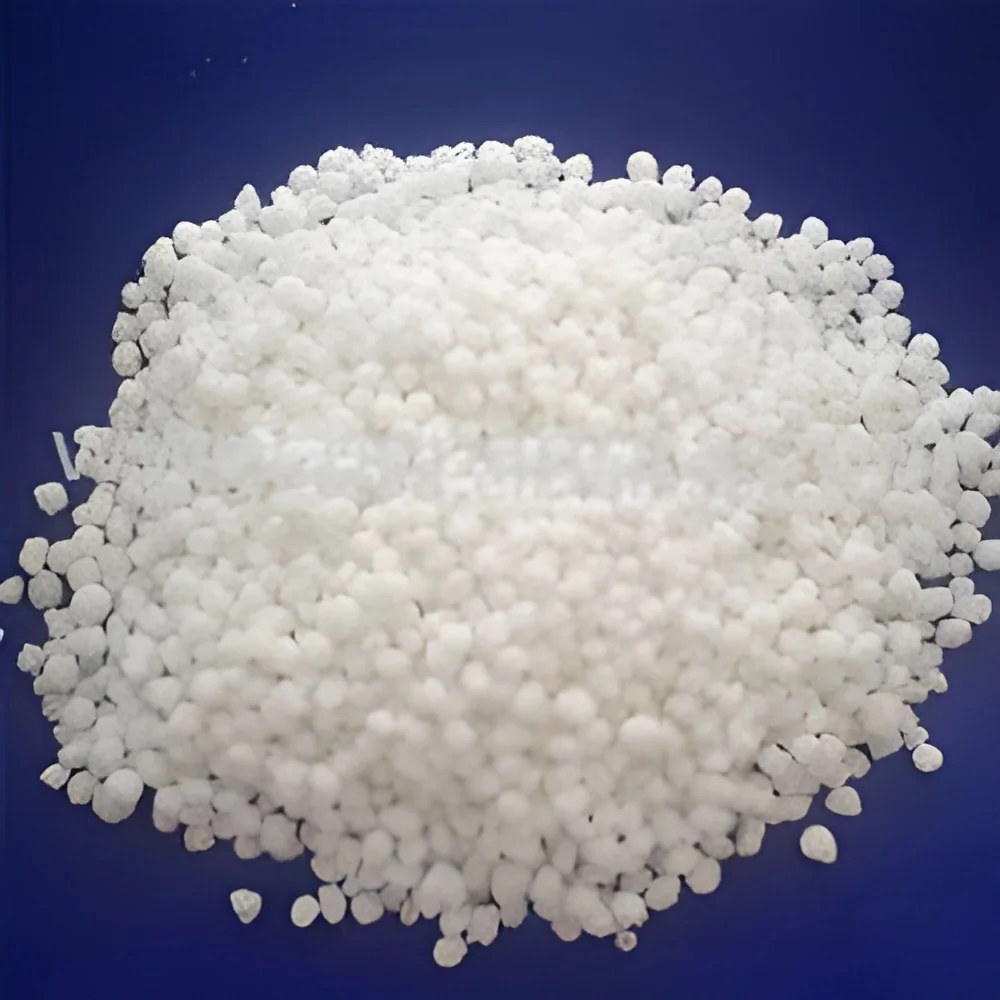
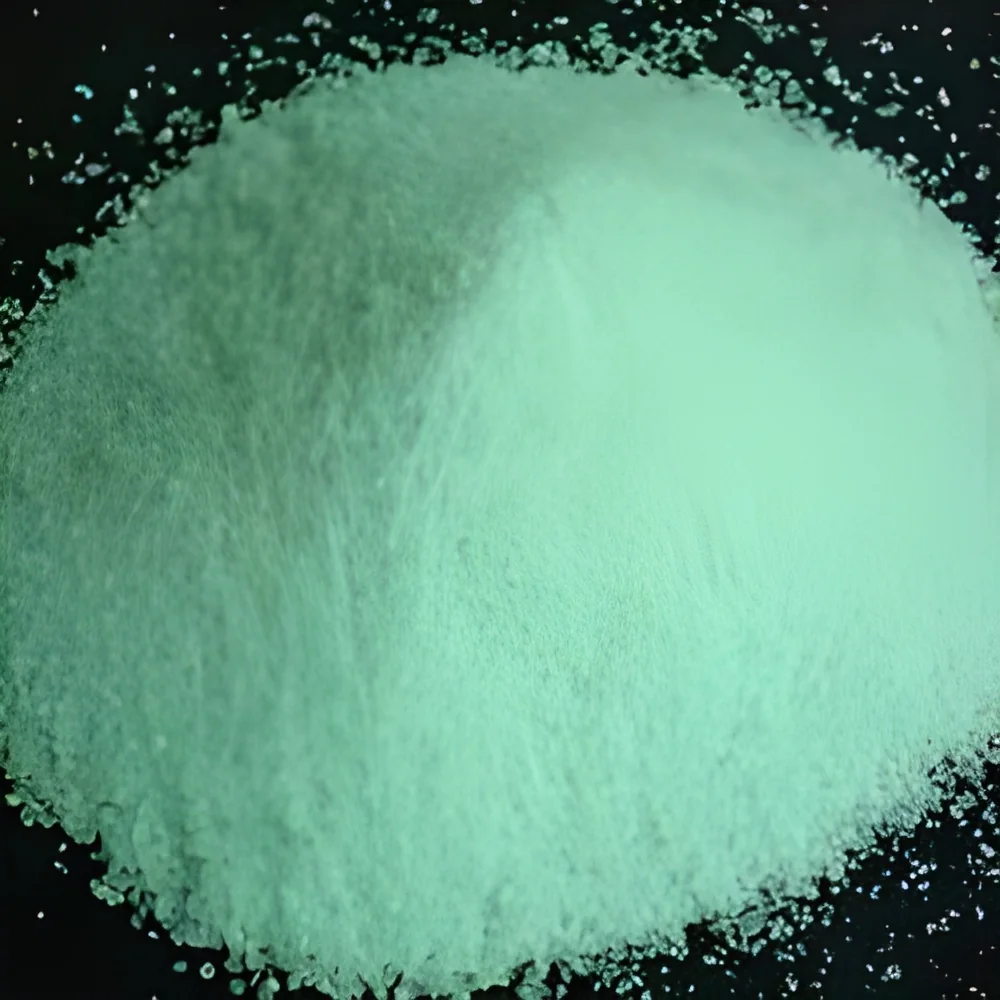
These crystals are suitable for agricultural applications as they provide a concentrated source of nitrogen. They enhance soil fertility and are easily soluble in water for quick absorption by plants.
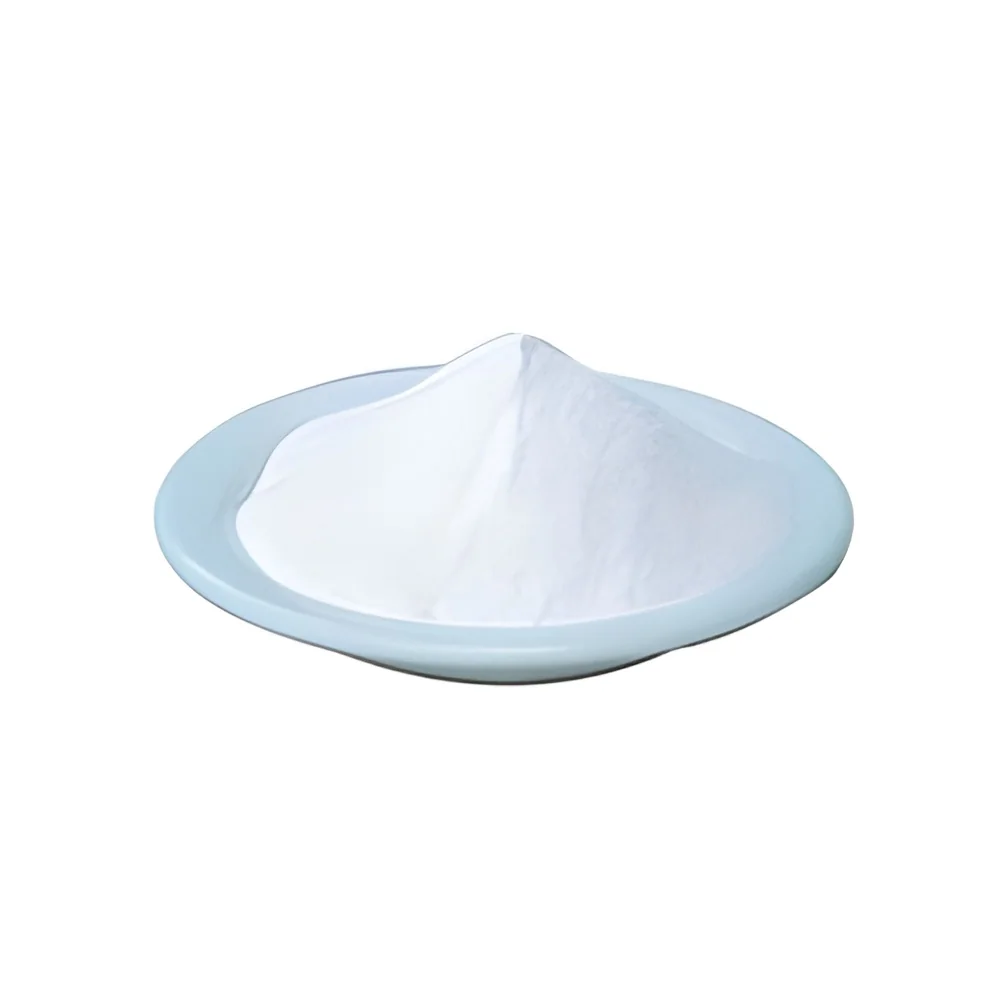
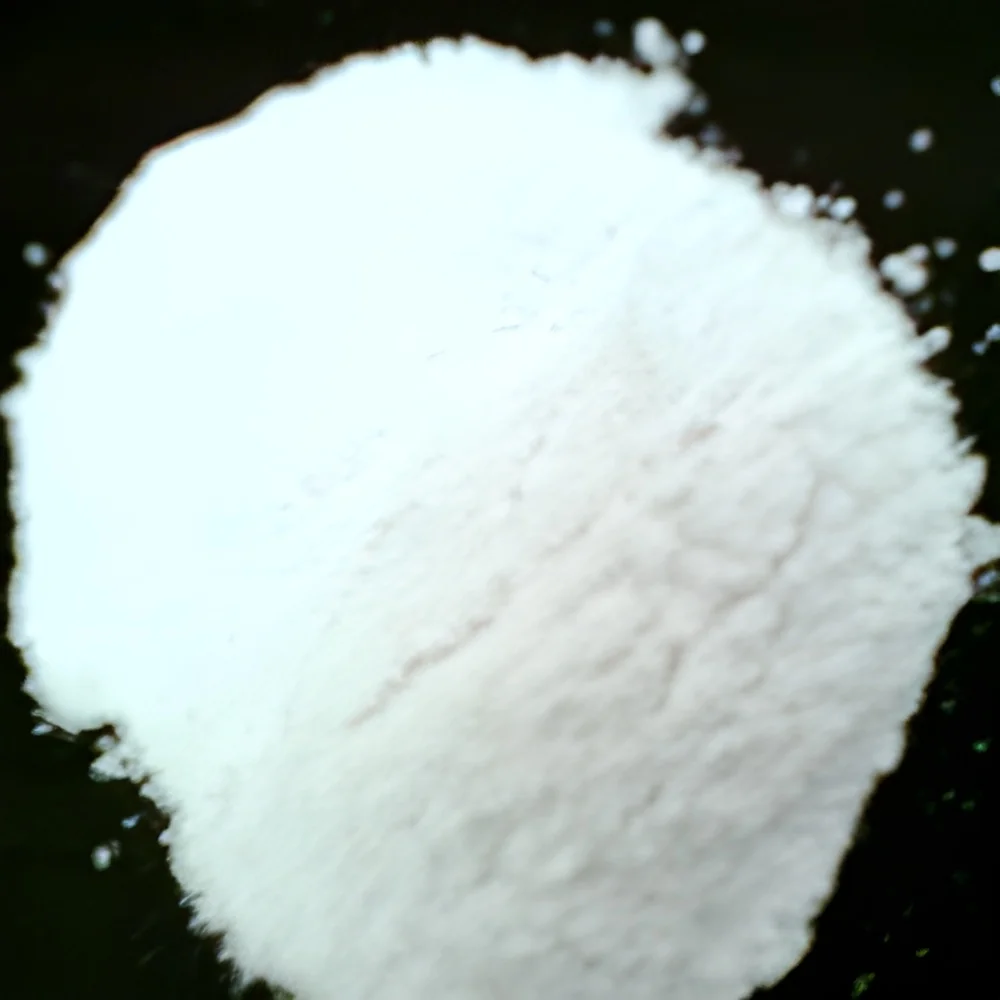
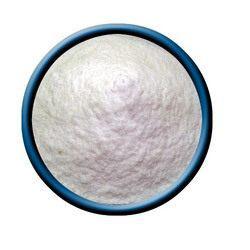
Sodium Chloride Powder
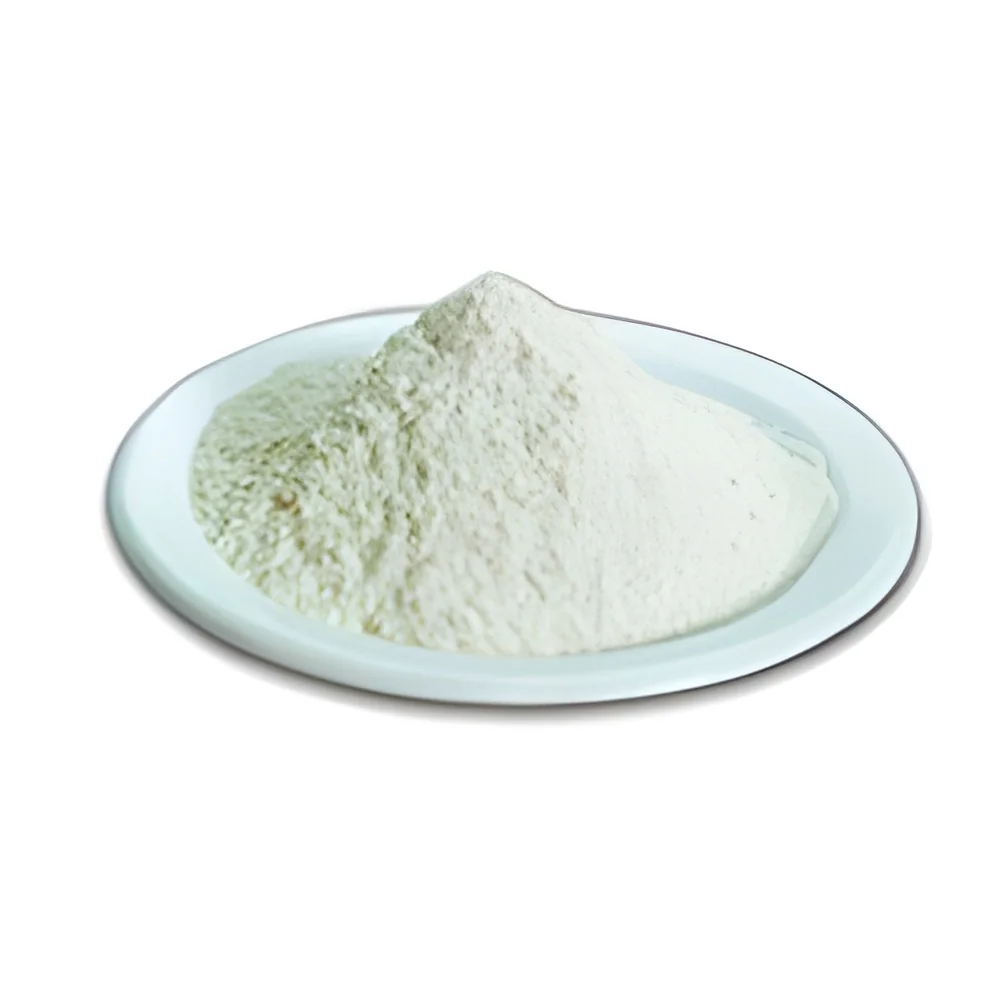
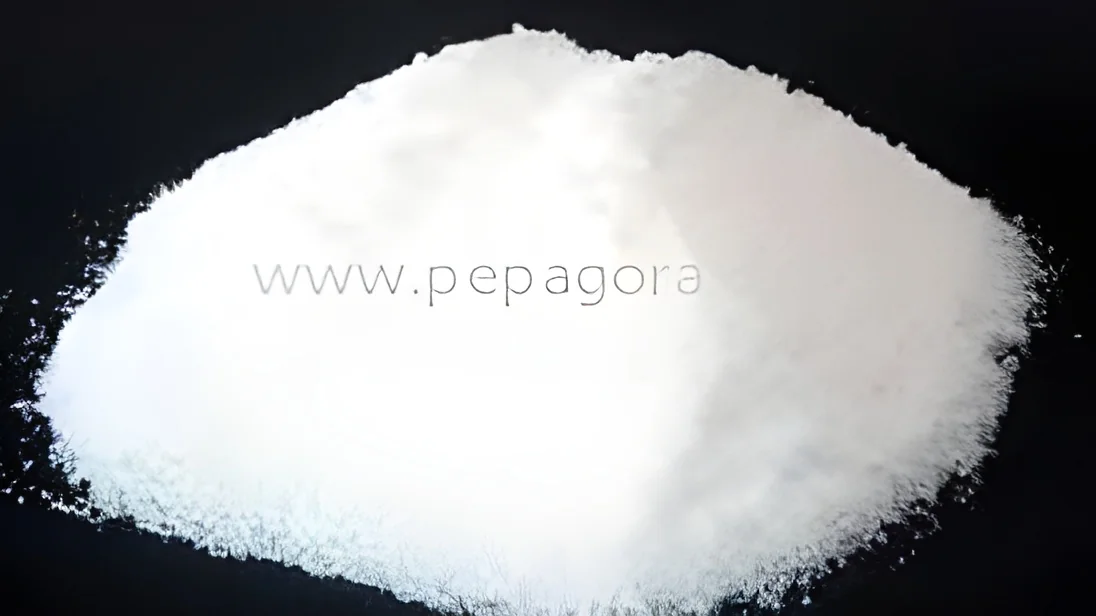
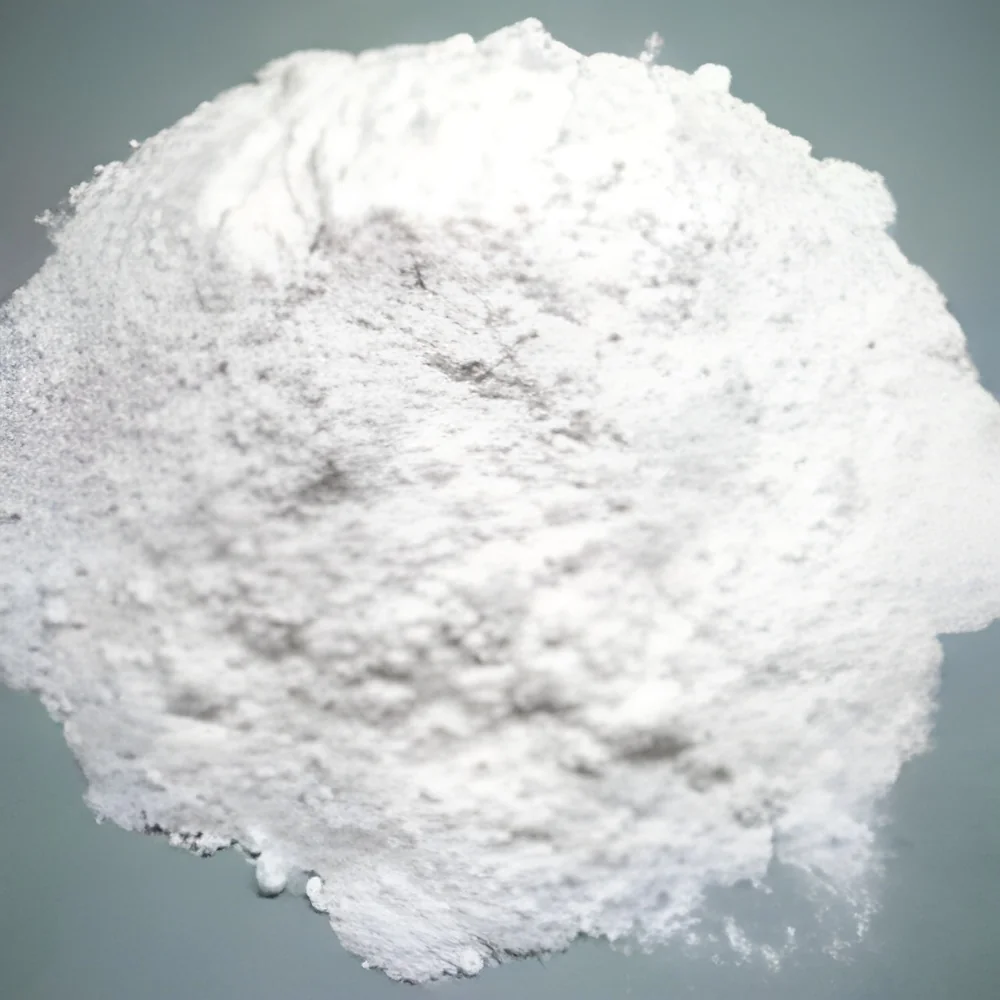
This fine powder is used in food processing and various chemical applications. Its high purity makes it ideal for sensitive applications requiring stringent quality control.
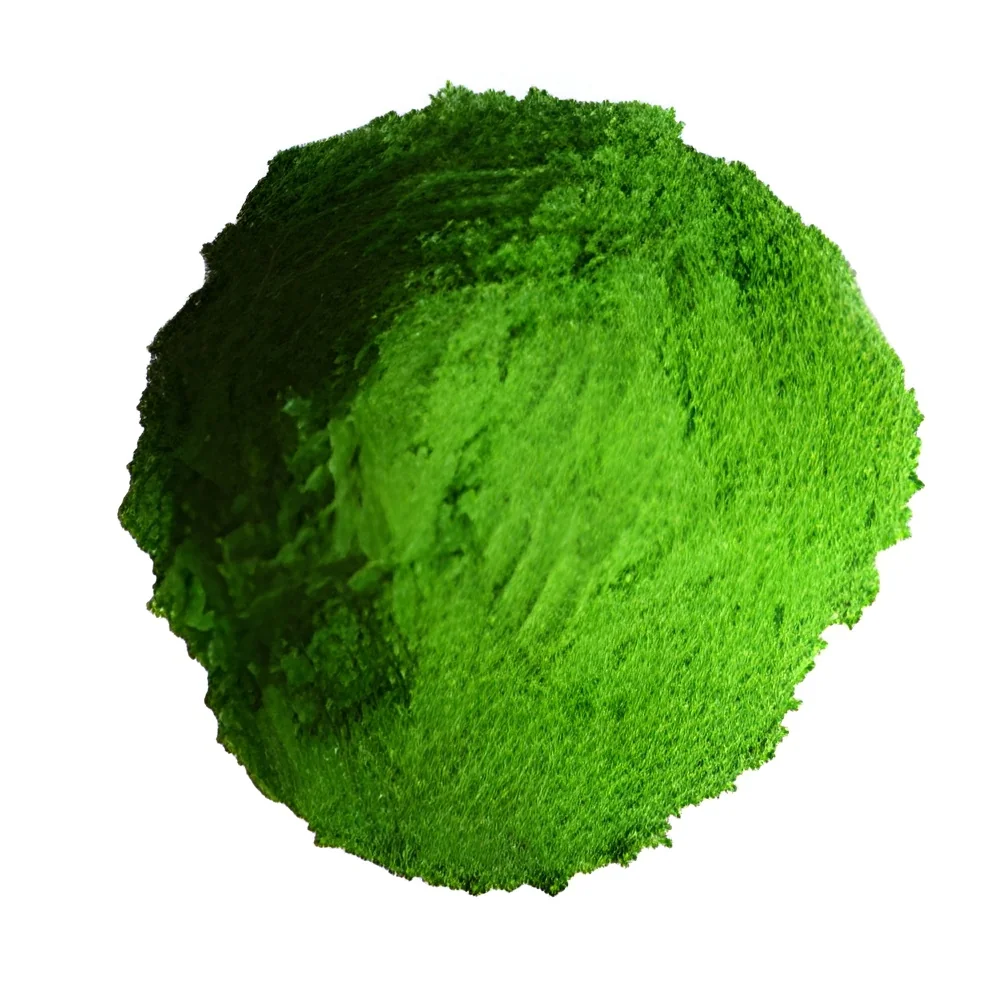
Ammonium Sulfate Fertilizer
Designed specifically for agricultural use, this variant is enriched with nutrients essential for plant growth. It is widely used by farmers to improve crop yield.
Benefits and Advantages
Sodium Chloride and Ammonium Sulfate offer numerous advantages that make them vital for various industrial applications.
Key benefits include:
1. Cost-Effectiveness: Both salts are readily available and affordable, making them economically viable for large-scale use.
2. Versatility: These compounds can be utilized in a variety of industries, from agriculture to food processing, enhancing their demand.
3. High Purity: The standard purity levels ensure they meet the stringent requirements of various applications, ensuring safety and efficacy.
4. Ease of Use: Their solubility and granule forms allow for easy integration into production processes and applications.
5. Environmental Impact: When used responsibly, these salts have minimal environmental impact compared to alternative chemicals.
6. Enhanced Performance: Their properties help improve productivity and efficiency in industrial applications, from fertilization to chemical production.
Buying Guide for B2B Buyers
When sourcing Salts (Sodium Chloride, Ammonium Sulfate), several factors need to be considered to ensure quality and suitability for intended applications.
1. Quality Assessment: Evaluate the purity and chemical composition of the salts. Look for certifications that confirm adherence to industry standards.
2. Supplier Verification: Vet suppliers for their reputation, reliability, and track record. Consider requesting samples to assess product quality before making large purchases.
3. Pricing and MOQ: Understand the pricing structure and minimum order quantities (MOQ) offered by suppliers. Compare costs to ensure you receive competitive rates.
4. Delivery and Lead Times: Discuss logistics and delivery schedules with suppliers. Ensure that they can meet your timeline requirements for production.
5. Compliance Requirements: Confirm that the salts comply with local regulations and industry standards. This includes safety, handling, and environmental considerations.
Compliance and Certifications
Compliance with industry standards and certifications is essential for Sodium Chloride and Ammonium Sulfate products. These standards ensure quality and safety throughout the supply chain.
Relevant quality standards include ISO 9001, which guarantees that companies maintain consistent quality management systems. HACCP (Hazard Analysis Critical Control Point) is crucial in food safety, ensuring that products are safe for consumption. GDP (Good Distribution Practice) standards ensure proper handling and storage during transportation.
Industry certifications such as UL and CE indicate that the products have been tested for safety and performance. Compliance with safety testing requirements ensures that the salts meet health and environmental regulations.
Regional compliance considerations may vary, so it is important to be aware of local laws governing the use and distribution of these salts. This ensures that businesses operate within legal frameworks and maintain high safety standards.
Why Source Salts (Sodium Chloride, Ammonium Sulfate) from Pepagora?
Pepagora offers a reliable platform for sourcing Salts (Sodium Chloride, Ammonium Sulfate) with several key advantages for B2B buyers.
Verified Supplier Network: Pepagora connects businesses with trusted suppliers who have undergone rigorous verification processes. This ensures that buyers receive high-quality products from reputable sources.
Streamlined RFQ Process: The platform simplifies the request for quotation (RFQ) process, allowing buyers to compare prices and specifications easily. This efficiency saves time and resources in the procurement process.
Trade Assurance and Support: Pepagora provides buyer protection through trade assurance, ensuring that all transactions are secure. The dedicated support team is available to assist with any inquiries or issues that may arise during the purchasing process.
Regional Coverage: With a strong presence in India, the GCC, and Southeast Asia, Pepagora offers extensive geographic reach, making it easier for businesses in these regions to source the salts they need efficiently.







Frequently Asked Questions
What are Salts (Sodium Chloride, Ammonium Sulfate)?
Salts, such as Sodium Chloride and Ammonium Sulfate, are ionic compounds formed by the neutralization reaction between acids and bases. Sodium Chloride, commonly known as table salt, is widely used in food preservation and seasoning, while Ammonium Sulfate is primarily utilized in fertilizers and various industrial applications.
What are the different types of Salts (Sodium Chloride, Ammonium Sulfate)?
The main types of Salts in this category include Sodium Chloride and Ammonium Sulfate. Sodium Chloride is available in different grades, including food grade and industrial grade, while Ammonium Sulfate can be found in granular and crystalline forms, catering to diverse industrial and agricultural needs.
How do I choose the right Salts (Sodium Chloride, Ammonium Sulfate)?
Choosing the right Salts depends on the intended application and specific requirements. It is essential to consider factors such as purity level, physical form, and any applicable regulatory standards to ensure the product meets your needs.
What are the standard specifications for Salts (Sodium Chloride, Ammonium Sulfate)?
Standard specifications for Salts like Sodium Chloride and Ammonium Sulfate typically include parameters such as purity percentage, moisture content, particle size, and solubility. These specifications may vary based on the intended use, such as food, industrial, or agricultural applications.
What is the price range for Salts (Sodium Chloride, Ammonium Sulfate)?
The price range for Salts such as Sodium Chloride and Ammonium Sulfate can vary significantly based on factors like grade, quantity, and supplier. Generally, Sodium Chloride can range from ₹20 to ₹100 per kg, while Ammonium Sulfate prices may vary between ₹30 to ₹150 per kg.
What quality standards apply to Salts (Sodium Chloride, Ammonium Sulfate)?
Quality standards for Salts include guidelines from organizations such as the Food Safety and Standards Authority of India (FSSAI) for food-grade products, and ISO standards for industrial uses. Compliance with these standards ensures the safety and efficacy of the salts for their intended applications.
Where can I find Salts (Sodium Chloride, Ammonium Sulfate) suppliers in India?
Salts (Sodium Chloride, Ammonium Sulfate) suppliers can be found through B2B marketplaces like Pepagora, industry trade shows, and online directories. It is advisable to compare multiple suppliers to evaluate their product offerings, quality, and pricing.
Can Salts (Sodium Chloride, Ammonium Sulfate) be customized?
Yes, Salts can often be customized to meet specific requirements, such as particle size or purity levels. Many manufacturers offer customization options based on the buyer's needs, especially for industrial or agricultural applications.
What is the typical minimum order quantity for Salts (Sodium Chloride, Ammonium Sulfate)?
The typical minimum order quantity (MOQ) for Salts like Sodium Chloride and Ammonium Sulfate usually starts from 25 kg to 1 ton, depending on the supplier and the specific product. It is recommended to check with individual suppliers for their MOQ policies.
What is the typical lead time for Salts (Sodium Chloride, Ammonium Sulfate)?
The typical lead time for Salts can vary based on the supplier and order size, generally ranging from 7 to 30 days. Factors such as stock availability and shipping logistics may also influence the delivery timeline.
Why Businesses Trust Pepagora
Thousands of companies trust Pepagora to source smarter and sell faster
Expand Your Sales Globally

Source Smarter,Grow Faster
