
 IN
Safety Helmets & Hard Hats
16 products available
What are Safety Helmets & Hard Hats?
Safety helmets and hard hats are head protection devices designed to safeguard individuals from potential hazards in various work environments. They are typically made from durable materials such as high-density polyethylene or fiberglass, providing a robust barrier against impact, falling objects, and other workplace dangers. Safety helmets often come equipped with features such as adjustable chin straps, internal padding, and ventilation systems to enhance comfort and usability for the wearer.
These protective headgear items are essential in industries where workers are exposed to risks such as construction sites, manufacturing plants, and heavy machinery operations. The primary function of safety helmets is to prevent serious head injuries that can result from accidental impacts or falls. In addition to physical protection, these helmets can also be equipped with accessories like face shields or ear protection, making them versatile for various applications.
The relevance of safety helmets and hard hats in modern workplaces cannot be overstated. As safety regulations become more stringent globally, industries are increasingly mandated to provide adequate personal protective equipment (PPE) for their employees. This has led to a growing market for high-quality safety helmets and hard hats that comply with international safety standards.
Key Features and Specifications
Safety helmets and hard hats come with several key features and specifications that enhance their effectiveness and safety. Understanding these aspects is crucial for selecting the right head protection for your business needs.
Key specifications include:
1. Material Composition
- Commonly made from high-density polyethylene (HDPE) or fiberglass.
- Offers durability and resistance to impact.
2. Impact Resistance
- Must comply with specific impact resistance standards, such as ANSI/ISEA Z89.1.
- Tested to withstand a certain level of force without compromising integrity.
3. Electrical Insulation
- Some helmets are designed to provide electrical insulation to protect against electrical hazards.
- Typically rated for voltages up to 20,000 volts.
4. Weight and Comfort
- Lightweight designs enhance comfort for prolonged wear.
- Adjustable suspension systems for a secure fit.
5. Ventilation Options
- Features ventilation holes or channels to promote airflow and reduce heat buildup.
- Important for comfort in hot working environments.
6. Accessories Compatibility
- Many models can accommodate face shields, ear protection, and other accessories.
- Enhances versatility for varied workplace conditions.
7. Color Options
- Available in multiple colors for visibility and identification purposes.
- Some industries may require specific colors for safety compliance.
8. Certification Compliance
- Helmets should meet relevant safety certifications such as CE or ANSI standards.
- Ensures they have undergone rigorous testing for safety assurance.
In summary, understanding the key features and specifications of safety helmets and hard hats enables businesses to make informed decisions when sourcing head protection solutions.
Common Applications and Use Cases
Safety helmets and hard hats are utilized across a range of industries where head protection is vital.
1. Construction: In construction environments, workers are exposed to falling debris and tools. Hard hats are essential for preventing head injuries on job sites.
2. Manufacturing: In manufacturing facilities, machines and equipment can pose risks. Safety helmets protect workers from potential hazards present in these environments.
3. Electrical Work: Electricians often face the risk of electric shock and falling objects. Insulated helmets provide necessary protection against electrical hazards.
4. Oil and Gas: Workers in the oil and gas industry operate in high-risk areas with heavy machinery and potential hazards from above. Hard hats are crucial for safety.
5. Mining: Miners face risks from rock falls and heavy equipment. Safety helmets are essential for protecting their heads in these dangerous conditions.
6. Warehousing: In warehouses, employees may be at risk from falling items or equipment. Safety helmets ensure protection in busy storage areas.
7. Road Construction: Workers involved in road construction often work near traffic and heavy equipment. Hard hats provide necessary protection against potential impacts.
Product Variants and Subcategories
Safety helmets and hard hats come in various designs to suit different needs and preferences.
Standard Hard Hats: These are the most common type, offering basic head protection with a simple design. They are widely used in construction and general industry.
Full-Brim Hard Hats: These helmets feature a full brim that extends around the entire hat. They provide additional protection from sun exposure and falling debris.
Bump Caps: Designed for lower-risk environments, bump caps offer basic protection against minor bumps and scrapes. They are often used in indoor settings like warehouses.
Cooling Helmets: These helmets come with built-in cooling features, such as ventilation and moisture-wicking materials, ideal for hot working conditions.
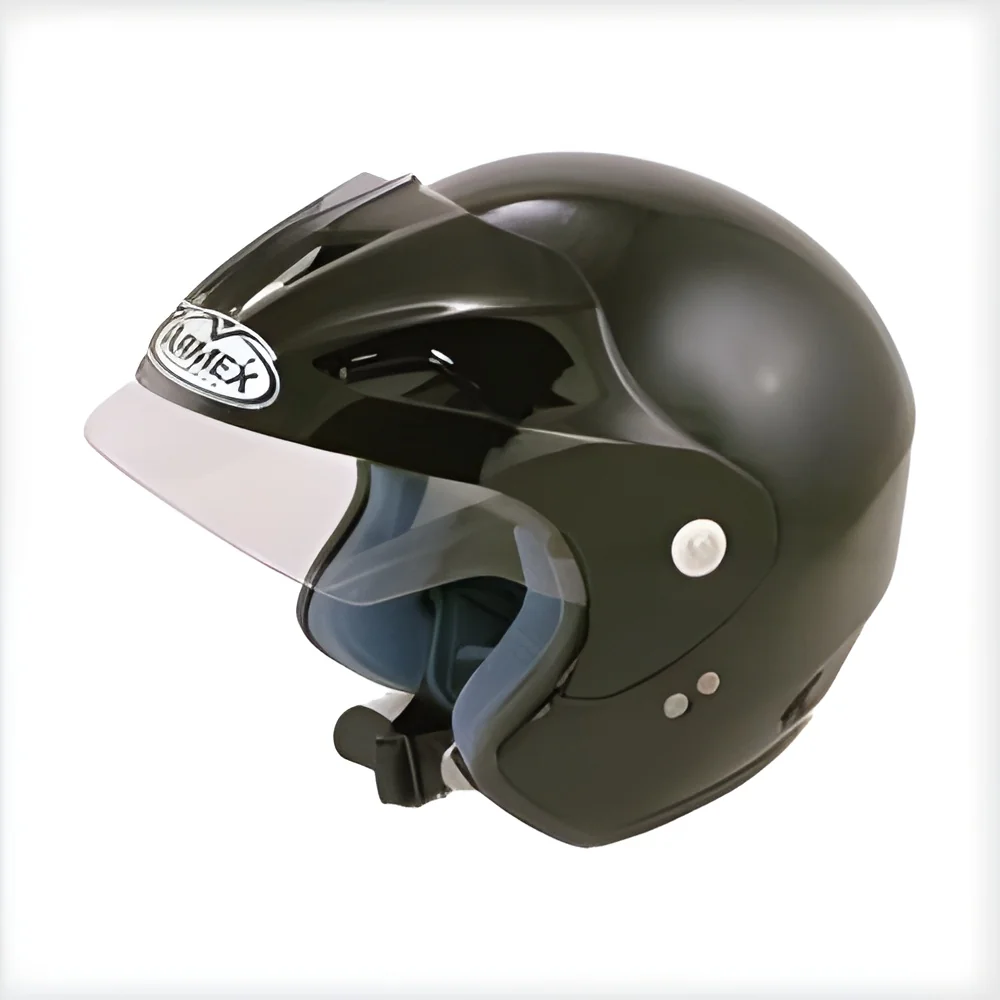
Visor-Integrated Helmets: These models include integrated visors for eye protection, making them suitable for environments where face injuries are a risk.
Benefits and Advantages
Choosing the right safety helmets and hard hats brings a range of benefits to businesses and their employees.
1. Enhanced Safety: The primary benefit is the significant reduction in the risk of head injuries, protecting employees from potential hazards.
2. Improved Compliance: Using certified safety helmets ensures compliance with workplace safety regulations, reducing the risk of legal issues.
3. Increased Comfort: Modern designs prioritize comfort, allowing employees to wear helmets for extended periods without discomfort.
4. Versatility: Many helmets are compatible with various accessories, such as face shields and ear protection, allowing customization for specific tasks.
5. Increased Visibility: Brightly colored helmets enhance visibility on job sites, helping to keep workers safe in high-traffic areas.
6. Employee Morale: Providing quality head protection demonstrates a commitment to employee safety, which can boost morale and job satisfaction.
Buying Guide for B2B Buyers
When sourcing safety helmets and hard hats, it is essential for B2B buyers to consider several key factors to ensure they make informed decisions.
1. Quality Assessment: Evaluate the quality of materials and construction. Look for helmets that comply with relevant safety standards to ensure durability and effectiveness.
2. Supplier Verification: Vet potential suppliers by checking their certifications, customer reviews, and industry reputation to ensure reliability and quality.
3. Pricing and MOQ: Consider the pricing structure and minimum order quantities (MOQ) to align purchases with budget constraints and project needs.
4. Delivery and Lead Times: Assess logistics to understand delivery timelines. Ensure suppliers can meet your project schedules without delays.
5. Compliance Requirements: Familiarize yourself with local and international compliance regulations to ensure the helmets meet necessary safety standards.
Compliance and Certifications
Compliance with safety standards is crucial for safety helmets and hard hats. Key quality standards include ISO 9001, which ensures consistent quality management systems among manufacturers. Additionally, the CE certification indicates that the helmets meet European safety requirements, ensuring they provide adequate protection.
Safety testing requirements often involve rigorous evaluations that assess impact resistance, electrical insulation, and other critical performance metrics. Buyers should also be aware of regional compliance considerations, as regulations can vary by country or industry. Ensuring that helmets meet these standards is vital for maintaining workplace safety and legal compliance.
Why Source Safety Helmets & Hard Hats from Pepagora?
Pepagora provides a trusted platform for sourcing safety helmets and hard hats, offering several key advantages that benefit B2B buyers.
Verified Supplier Network: Pepagora connects buyers with a network of verified suppliers, ensuring access to reputable manufacturers known for quality products. This reduces the risk of sourcing from unreliable vendors.
Streamlined RFQ Process: The request for quotation (RFQ) process on Pepagora is designed to be user-friendly, allowing buyers to easily compare offerings from multiple suppliers and make informed purchasing decisions.
Trade Assurance and Support: Pepagora offers buyer protection through trade assurance policies, ensuring that buyers receive their products as promised. This provides peace of mind when making purchases.
Regional Coverage: With a strong presence in India, the GCC, and Southeast Asia, Pepagora caters to a broad geographical market, allowing businesses to source safety helmets and hard hats that meet local regulatory requirements and industry standards.


 India

Frequently Asked Questions
What are Safety Helmets & Hard Hats?
Safety helmets and hard hats are protective headgear designed to safeguard the wearer from head injuries caused by falling objects, bumping into fixed objects, or electrical hazards. They are commonly used in construction, mining, and other industrial environments where head protection is essential.
What are the different types of Safety Helmets & Hard Hats?
There are several types of safety helmets and hard hats, including type I hard hats, which provide protection from vertical impacts, and type II hard hats, which offer protection from both vertical and lateral impacts. Additionally, some helmets come with features like face shields, earmuffs, and ventilation systems for enhanced safety and comfort.
How do I choose the right Safety Helmets & Hard Hats?
Selecting the right safety helmet or hard hat involves considering factors such as the specific hazards of your work environment, the comfort and fit of the helmet, and any additional features required for your tasks. It is also essential to ensure that the helmet complies with relevant safety standards.
What are the standard specifications for Safety Helmets & Hard Hats?
Safety helmets and hard hats must meet specific standards, such as those set by the American National Standards Institute (ANSI) and the International Organization for Standardization (ISO). These specifications typically cover impact resistance, electrical insulation, and the helmet's ability to withstand extreme temperatures.
What is the price range for Safety Helmets & Hard Hats?
The price of safety helmets and hard hats can vary widely, typically ranging from INR 200 to INR 3,000 or more, depending on the brand, features, and certifications. Bulk purchases may also result in lower prices per unit.
What quality standards apply to Safety Helmets & Hard Hats?
Quality standards for safety helmets and hard hats include compliance with recognized industry certifications such as IS 2925 in India and ANSI Z89.1 in the United States. These standards ensure that the helmets provide adequate protection and are manufactured from durable materials.
Where can I find Safety Helmets & Hard Hats suppliers in India?
You can find safety helmets and hard hats suppliers in India through online B2B marketplaces like Pepagora.com, trade shows, and industry directories. It is advisable to compare suppliers based on their product range, quality, and customer reviews.
Can Safety Helmets & Hard Hats be customized?
Yes, safety helmets and hard hats can often be customized with company logos, colors, or additional features to meet specific needs. Many manufacturers offer customization options to help businesses promote safety and brand identity.
What is the typical minimum order quantity for Safety Helmets & Hard Hats?
The typical minimum order quantity (MOQ) for safety helmets and hard hats varies by supplier but generally ranges from 10 to 100 units. It's best to check with individual suppliers for their specific MOQ requirements.
What is the typical lead time for Safety Helmets & Hard Hats?
The typical lead time for safety helmets and hard hats can range from a few days to several weeks, depending on the supplier, order volume, and whether customization is required. It is advisable to confirm lead times with your chosen supplier before placing an order.
Why Businesses Trust Pepagora
Thousands of companies trust Pepagora to source smarter and sell faster
Expand Your Sales Globally

Source Smarter,Grow Faster
