
 IN
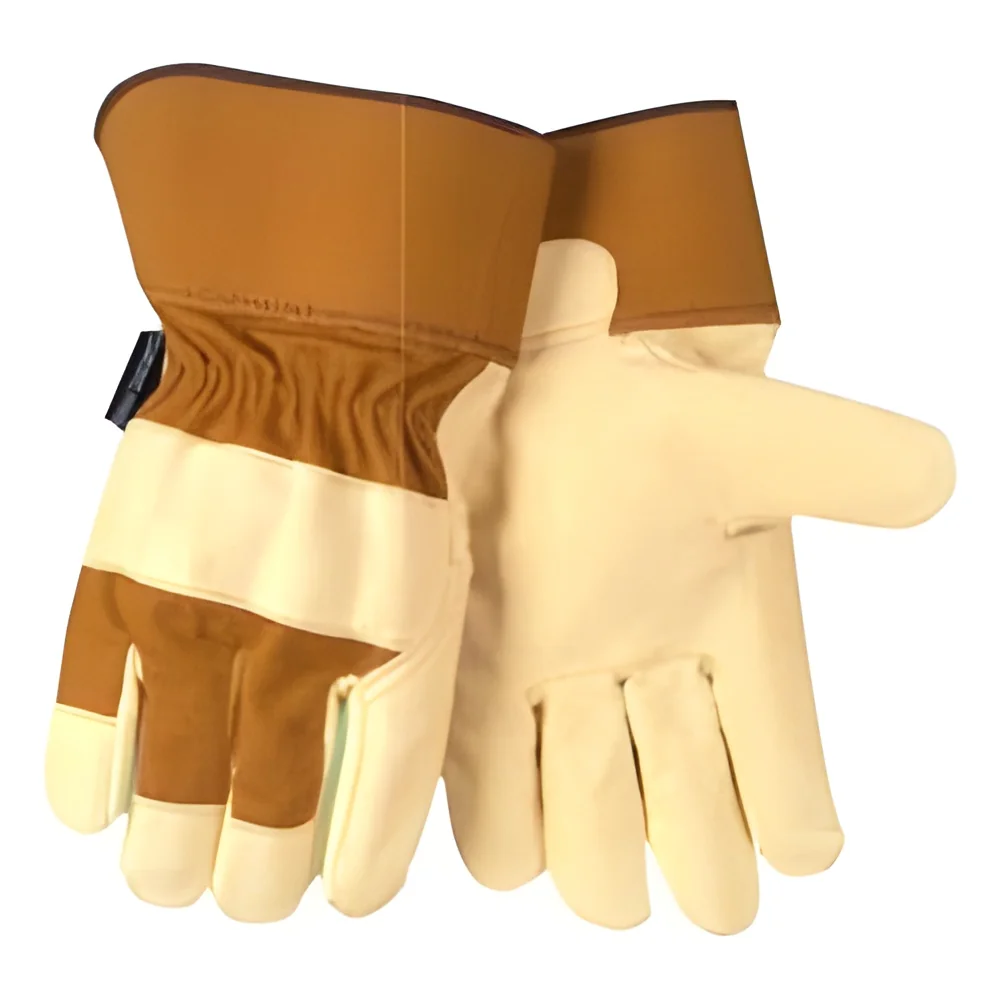
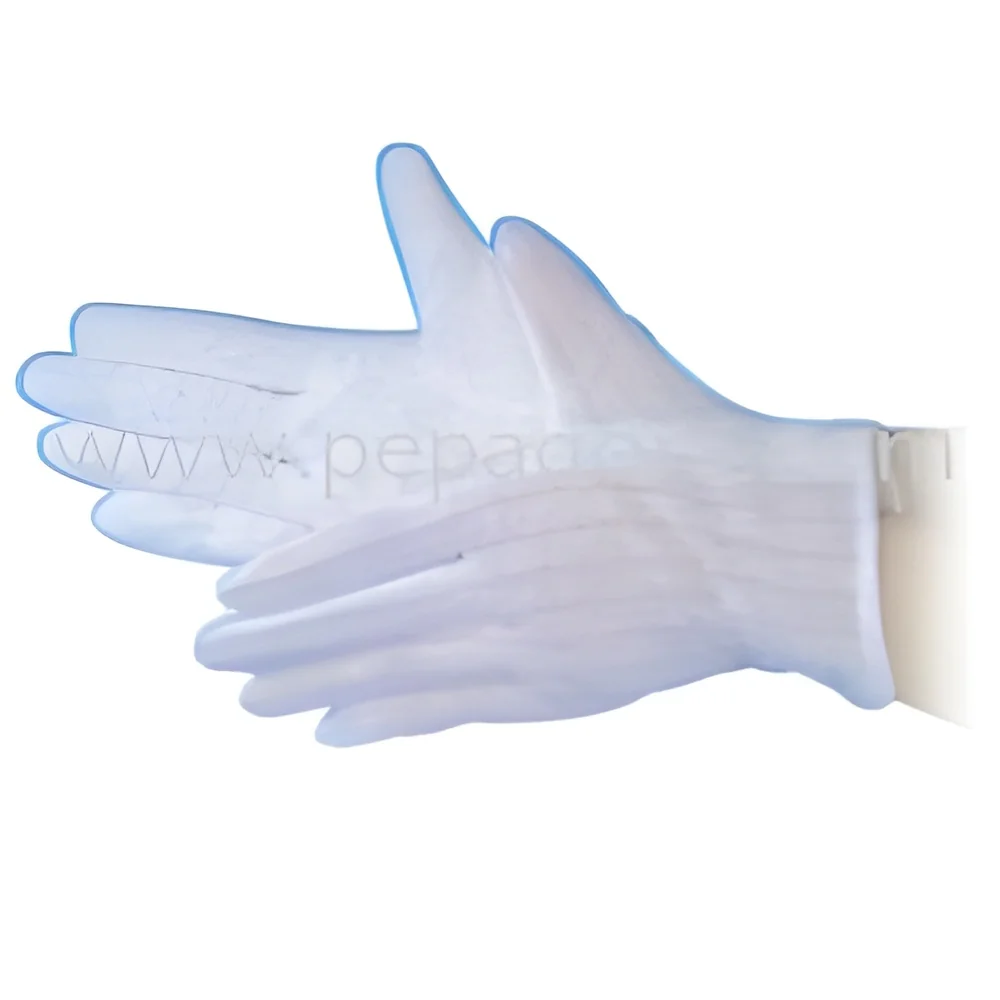
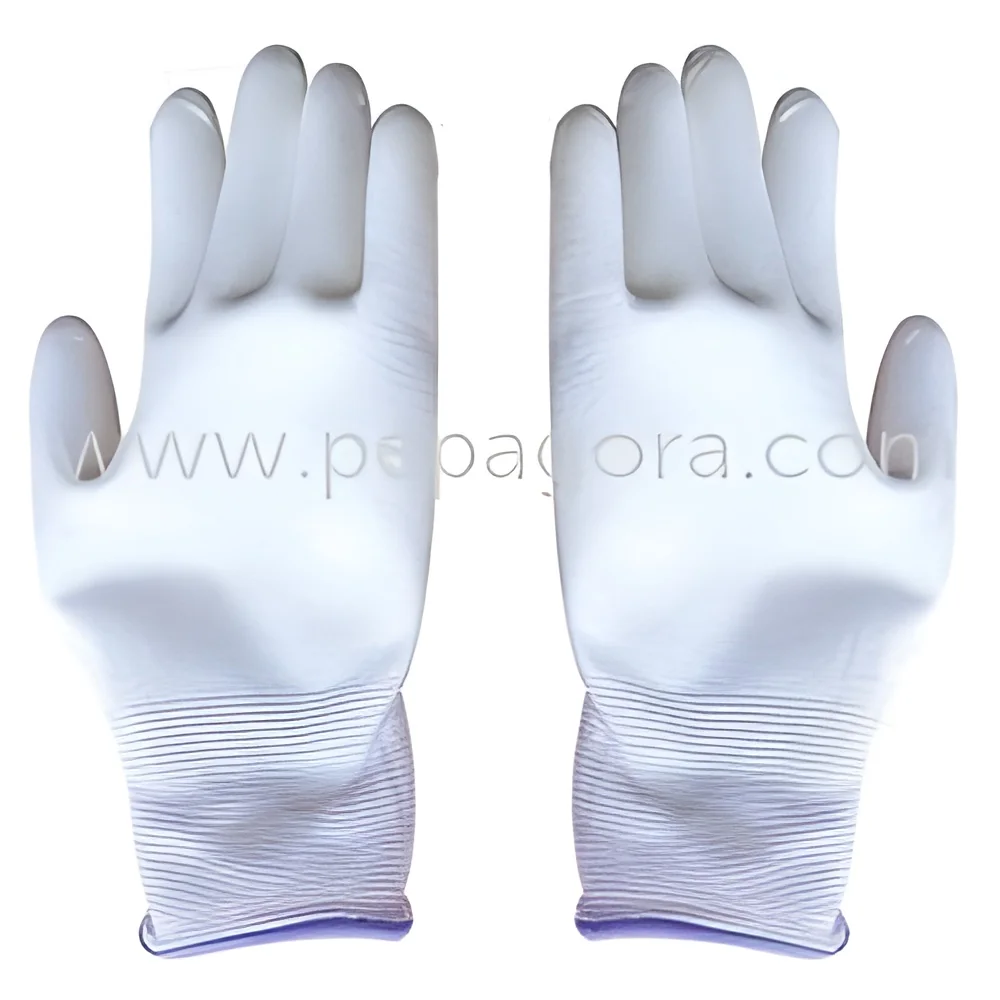
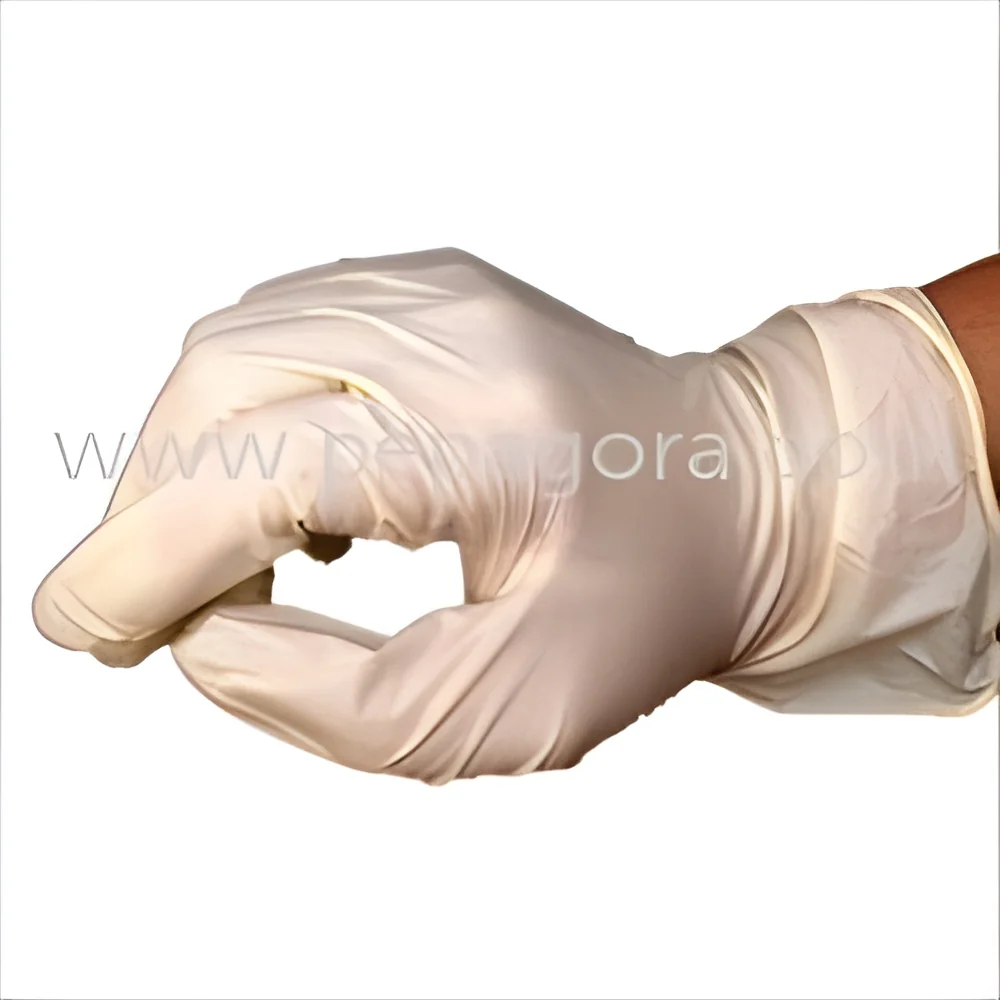
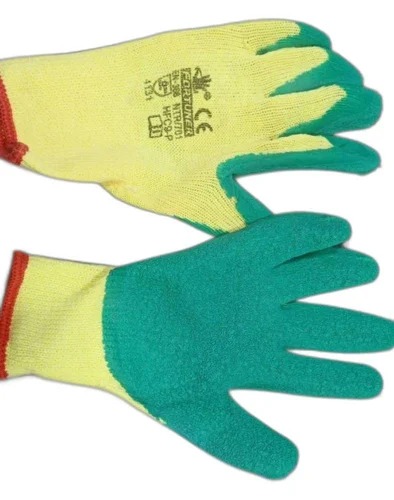
Safety Gloves (Cut Resistant, Chemical Resistant)
130 products available
Key Features and Specifications
Safety gloves (cut resistant and chemical resistant) are equipped with various features to ensure maximum protection and usability. These gloves must meet specific technical standards to ensure they provide adequate safety for users.
Key specifications include:
1. Cut Resistance Level
- Measured based on the EN 388 standard
- Ranges from A (lowest) to F (highest) cut resistance
2. Chemical Resistance Rating
- Based on EN 374 standards
- Indicates the types of chemicals the glove can withstand
3. Material Composition
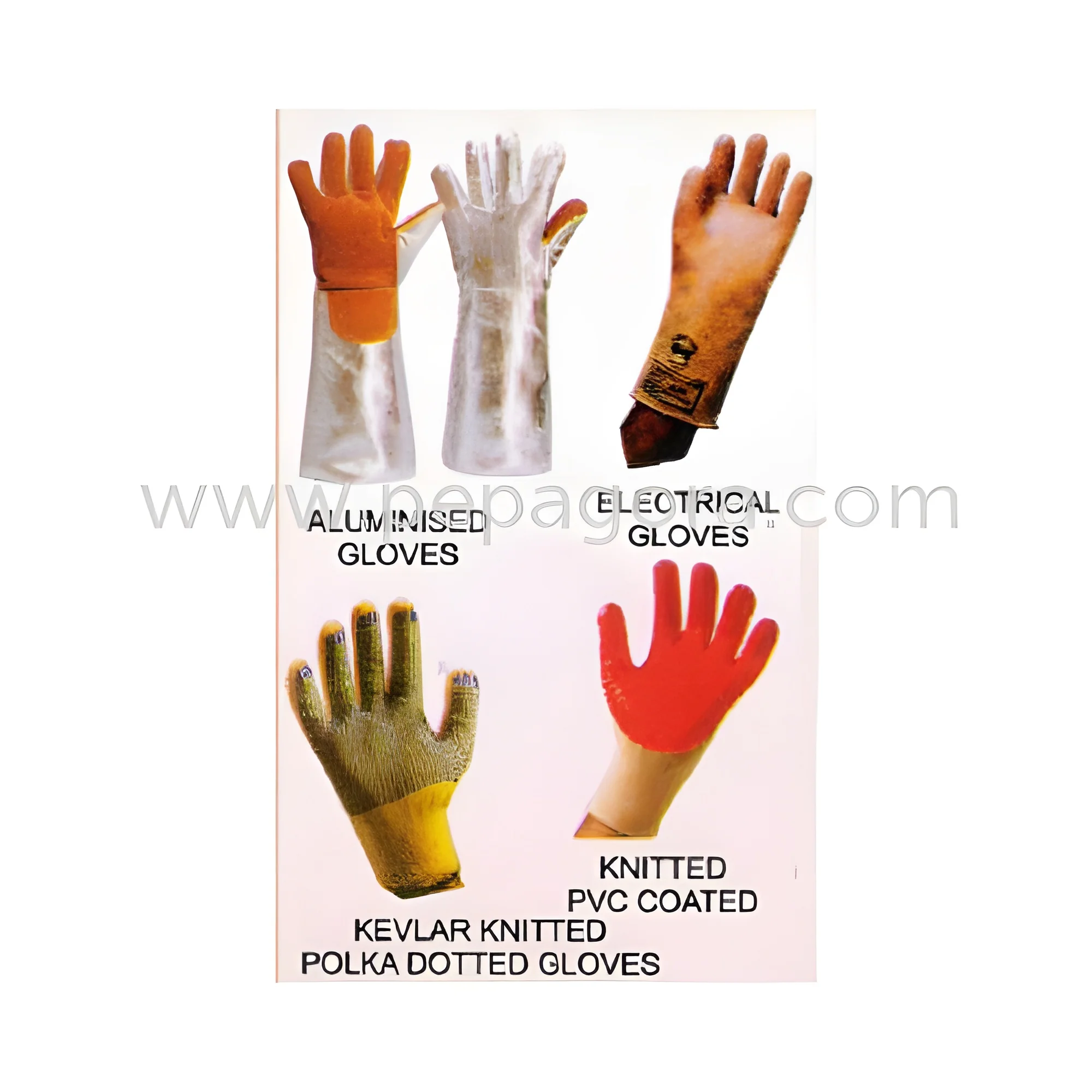
- Common materials include Kevlar, nitrile, and latex
- Determines the glove's durability and protection level
4. Grip Performance
- Textured surfaces enhance grip in both dry and wet conditions
- Essential for maintaining control while handling objects
5. Dexterity Level
- Evaluated on a scale to indicate flexibility
- Higher dexterity allows for better handling of small parts
6. Size Range
- Available in various sizes to fit different hand shapes
- Ensures comfort and effectiveness during use
7. Compliance Standards
- Must adhere to regulations like ISO 9001 and CE certification
- Ensures product quality and safety
8. Comfort Features
- Breathable materials and ergonomic designs
- Help reduce hand fatigue during prolonged use
These features collectively enhance the gloves' performance, ensuring that users are well protected while maintaining functionality.
Common Applications and Use Cases
Safety gloves that are cut resistant and chemical resistant find applications in diverse industries due to their protective capabilities.
1. Manufacturing: Workers in manufacturing often handle sharp tools and materials, making cut-resistant gloves vital for preventing injuries.
2. Construction: In construction sites, these gloves protect workers from cuts while also safeguarding against exposure to hazardous chemicals used in various processes.
3. Food Processing: Employees in food processing facilities use cut-resistant gloves to prevent injuries while preparing food, as well as to comply with hygiene standards.
4. Automotive: Technicians in the automotive industry benefit from these gloves while handling sharp components and working with chemicals, ensuring safety during repairs and maintenance.
5. Laboratory: In laboratories, chemical-resistant gloves are essential for protecting against spills and splashes of hazardous substances during experiments.
6. Warehousing: Workers in warehousing environments often face risks from sharp packaging materials and chemical exposure, making these gloves crucial for safe operations.
7. Agriculture: Agricultural workers use cut-resistant gloves while handling sharp tools and pesticides, ensuring their safety in the field.
Product Variants and Subcategories
Safety gloves come in various forms, each designed for specific needs and applications. This diversity ensures that businesses can find the right glove for their requirements.
Cut Resistant Gloves
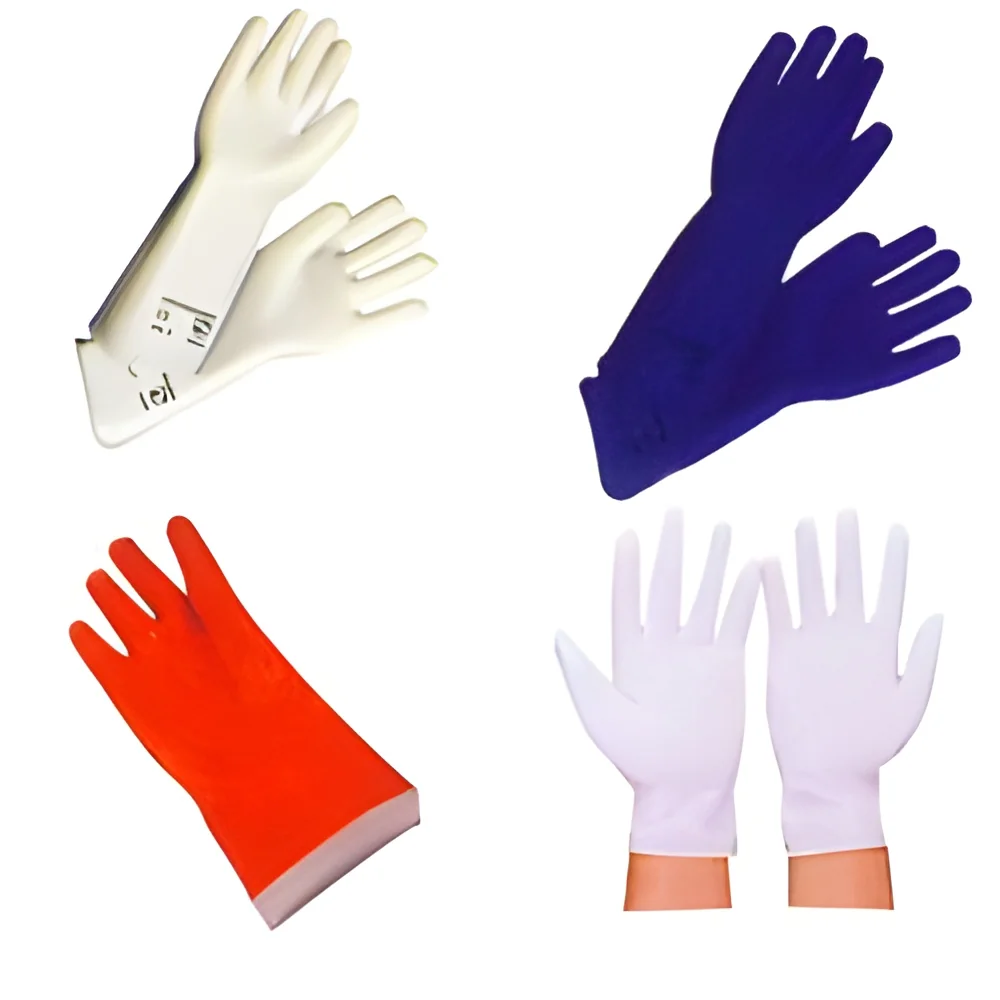
These gloves are specifically designed to protect against cuts and lacerations. They are often made from high-performance materials, providing excellent dexterity for tasks that involve handling sharp objects.
Chemical Resistant Gloves
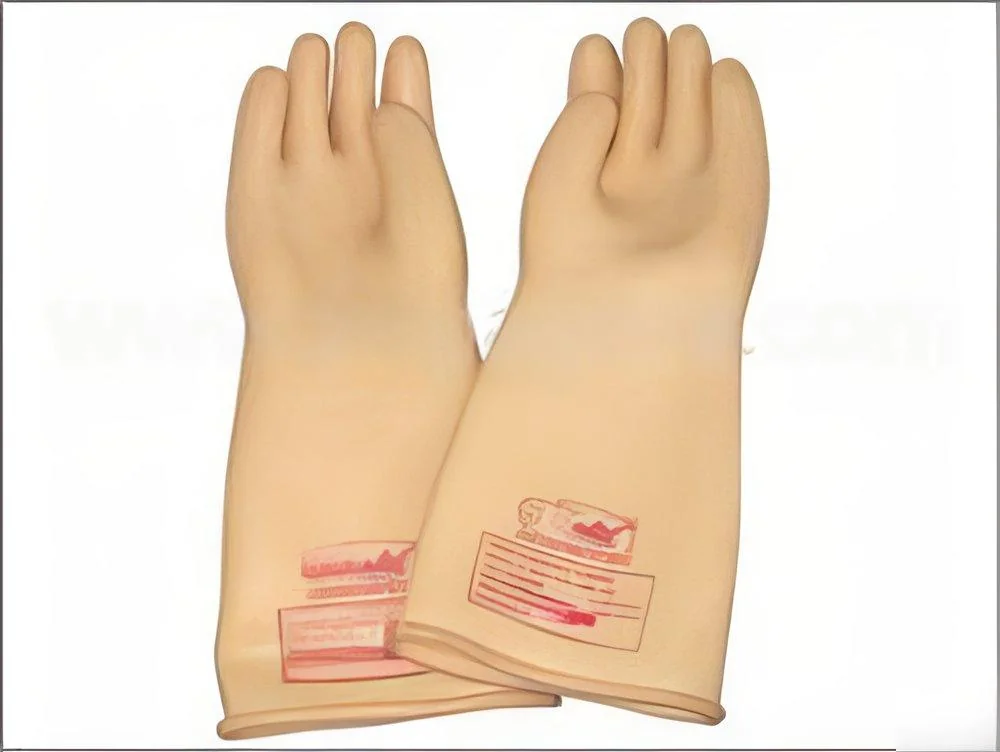
Designed to protect against hazardous chemicals, these gloves are made from materials that resist permeation and degradation from various substances. They are essential in environments where chemical exposure is a risk.
Hybrid Gloves
Combining the features of both cut and chemical resistance, hybrid gloves offer versatile protection for workers in multifunctional roles. They provide a balance between dexterity and safety.
Benefits and Advantages
Choosing safety gloves that are cut resistant and chemical resistant offers numerous benefits for businesses and workers alike.
1. Enhanced Safety: These gloves significantly reduce the risk of injuries from cuts and chemical exposure, promoting a safer work environment.
2. Improved Productivity: Workers can perform tasks more efficiently when they feel safe and protected, leading to increased productivity.
3. Compliance with Regulations: Using appropriate safety gloves helps businesses meet occupational safety regulations, reducing liability and ensuring employee well-being.
4. Cost-Effectiveness: Investing in high-quality gloves can reduce workplace injuries, leading to lower compensation claims and insurance costs.
5. Comfort and Dexterity: Modern designs focus on comfort, allowing workers to maintain dexterity while wearing the gloves, which is crucial for intricate tasks.
6. Versatile Use: These gloves can be used across various industries, making them a flexible solution for multiple applications.
Buying Guide for B2B Buyers
When sourcing safety gloves (cut resistant, chemical resistant), it is essential for B2B buyers to consider multiple factors to ensure they select the right products.
1. Quality Assessment: Evaluate the quality of gloves by examining material composition, certifications, and user reviews to ensure they meet safety standards.
2. Supplier Verification: Vet suppliers by checking their reputation, experience in the industry, and ability to provide consistent quality.
3. Pricing and MOQ: Consider pricing structures and minimum order quantities to ensure that the selected gloves fit within budget constraints while meeting supply needs.
4. Delivery and Lead Times: Assess logistics and shipping capabilities, ensuring that the supplier can meet delivery timelines that align with your operational requirements.
5. Compliance Requirements: Understand the regulatory requirements in your industry to ensure that the gloves sourced meet necessary compliance standards.
Compliance and Certifications
Safety gloves (cut resistant and chemical resistant) are subject to various compliance standards and certifications to ensure they meet safety and quality requirements.
Key standards include ISO 9001, which ensures consistent quality management systems, and HACCP, which focuses on food safety in environments where gloves are used. Additionally, CE certification is vital for indicating that the gloves meet European health, safety, and environmental protection standards.
Safety and testing requirements are critical components of glove manufacturing. Gloves undergo rigorous testing to assess their cut resistance, chemical resistance, and overall performance. Regional compliance considerations may vary, and it is essential for buyers to be aware of local regulations that may impact glove selection and usage.
Why Source Safety Gloves (Cut Resistant, Chemical Resistant) from Pepagora?
Pepagora offers a reliable platform for sourcing safety gloves (cut resistant and chemical resistant) with numerous advantages for businesses.
Verified Supplier Network: Pepagora connects buyers with a network of verified suppliers, ensuring that all products meet quality and safety standards, which reduces the risk of subpar purchases.
Streamlined RFQ Process: The request for quotation (RFQ) system simplifies the procurement process, allowing buyers to compare pricing and features quickly, enabling informed decision-making.
Trade Assurance and Support: Buyers benefit from trade assurance and dedicated support, providing peace of mind and protection during the purchasing process.
Regional Coverage: With a strong presence in India, the GCC, and Southeast Asia, Pepagora ensures that businesses across these regions can access quality safety gloves tailored to their specific needs.

 India



 India
 India

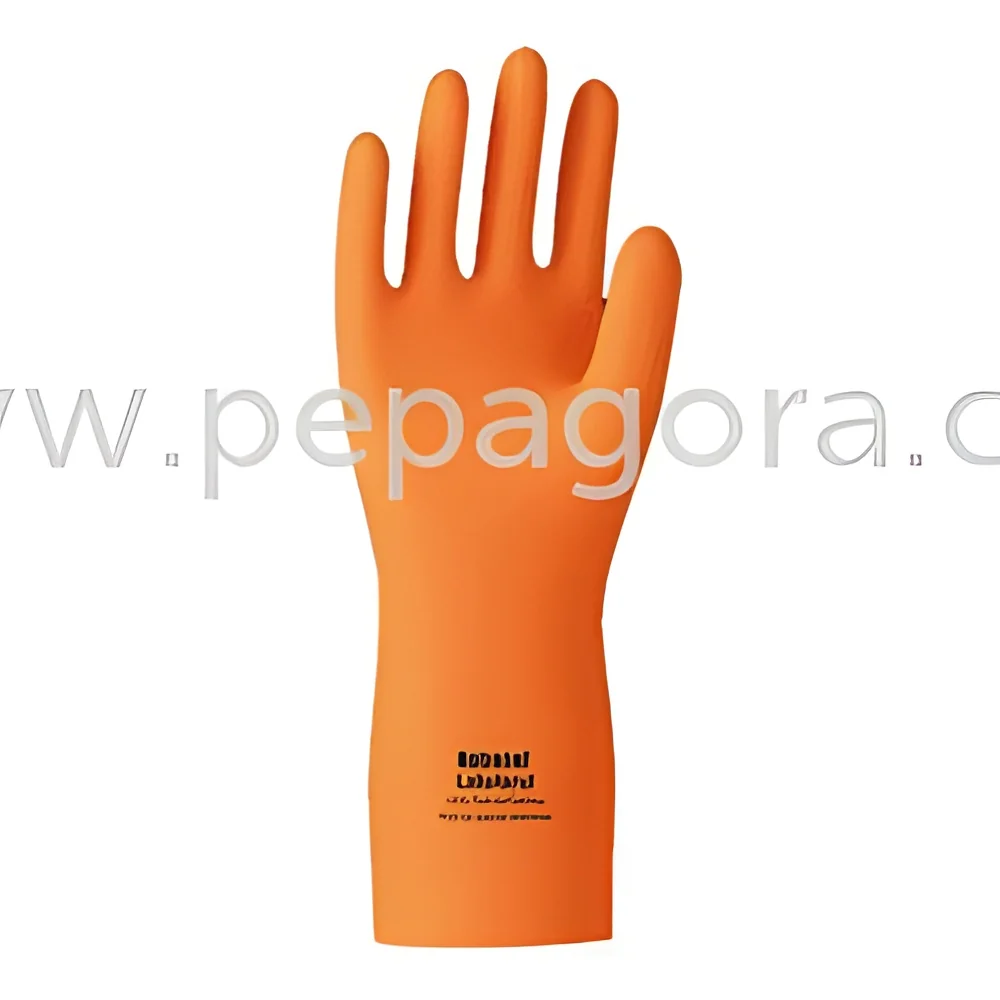
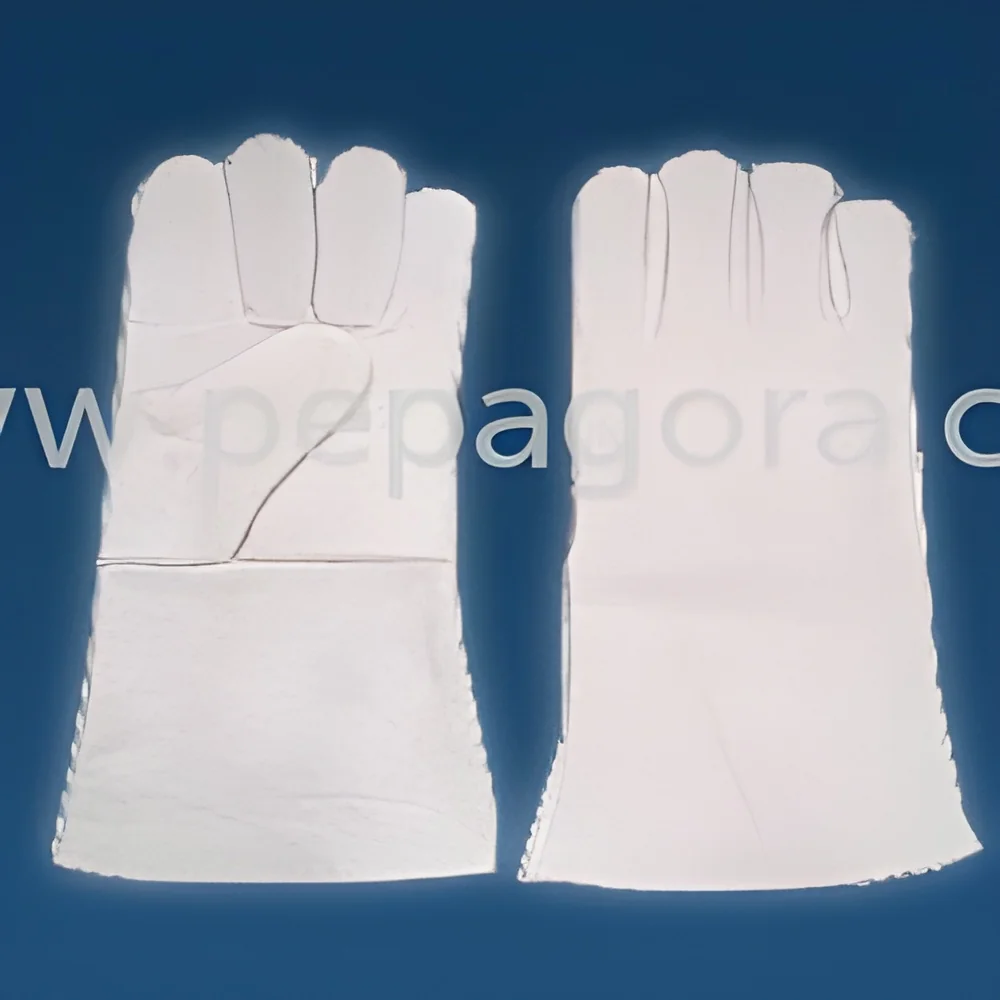 India
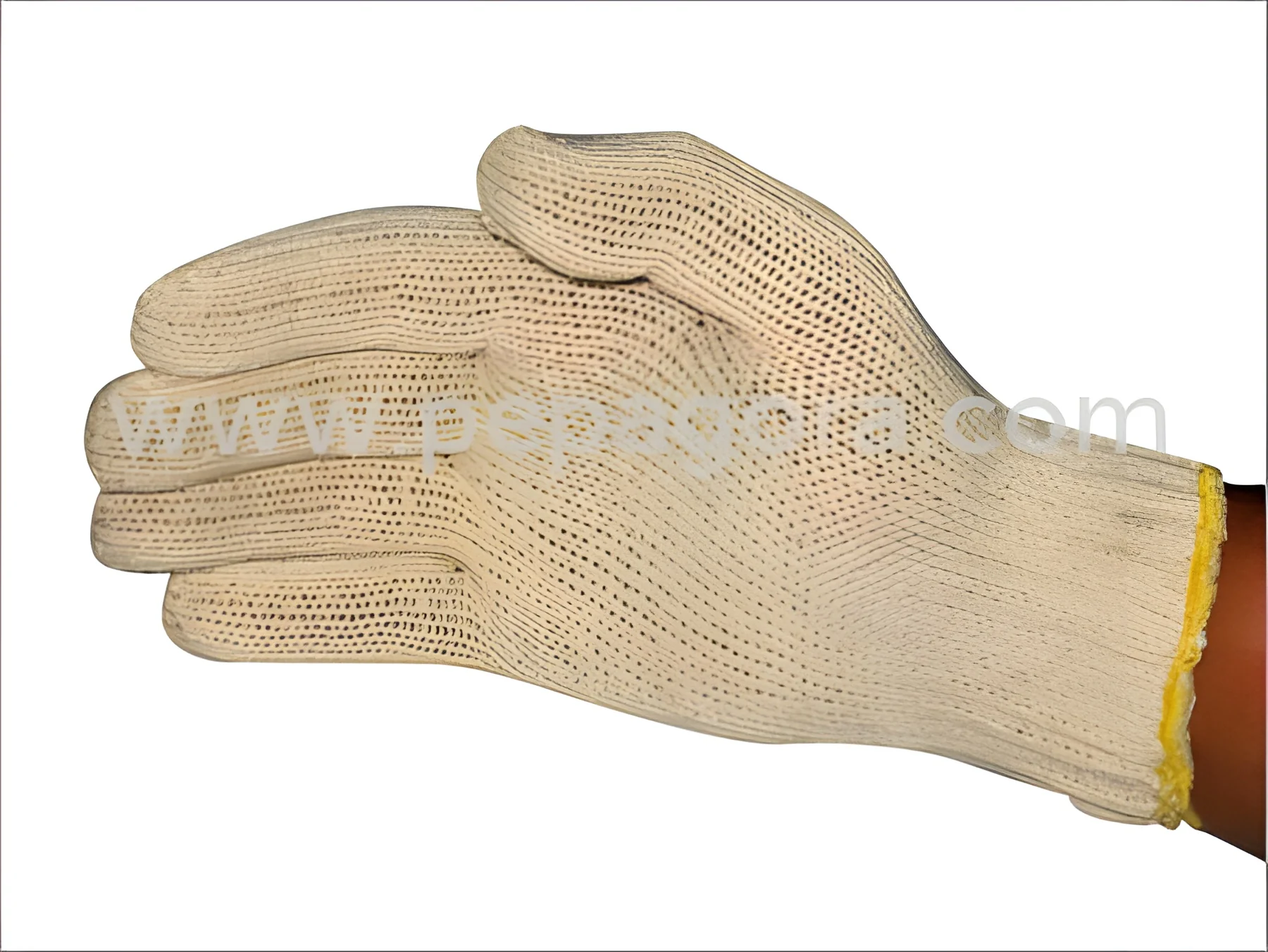
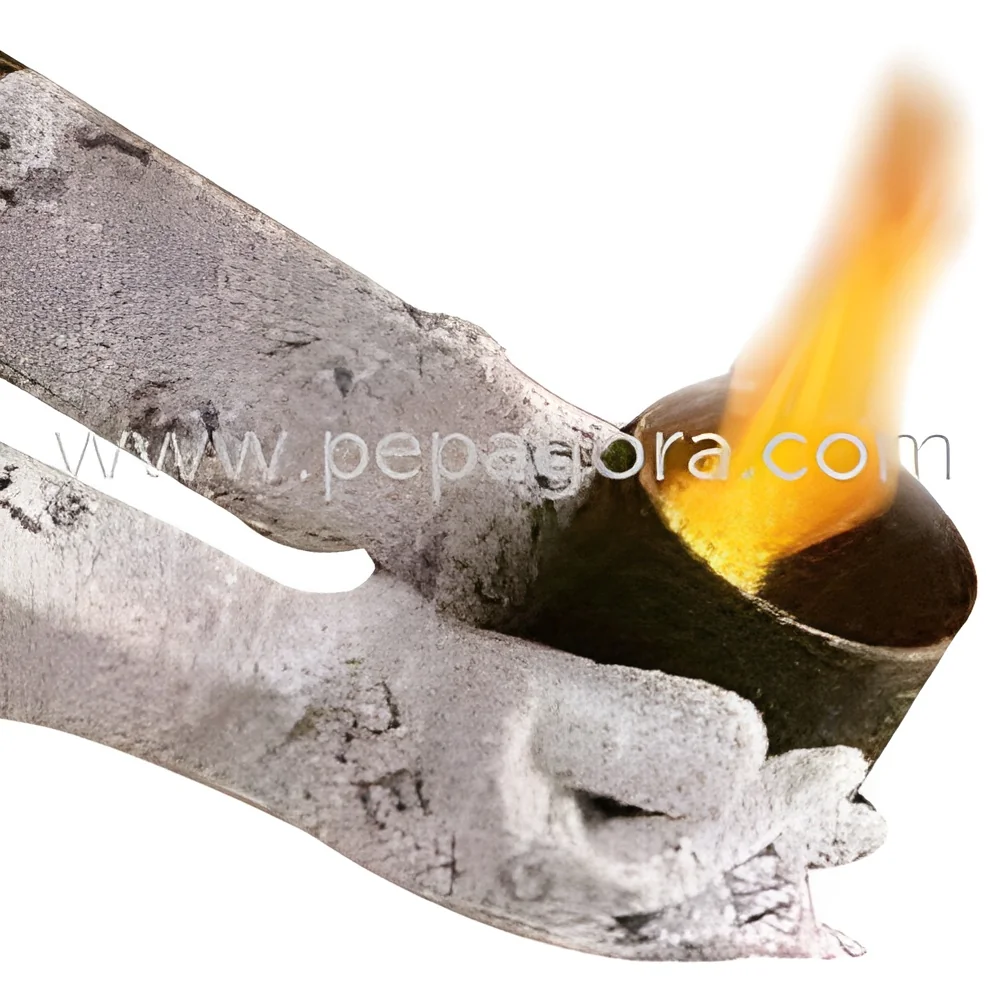
 India
 India
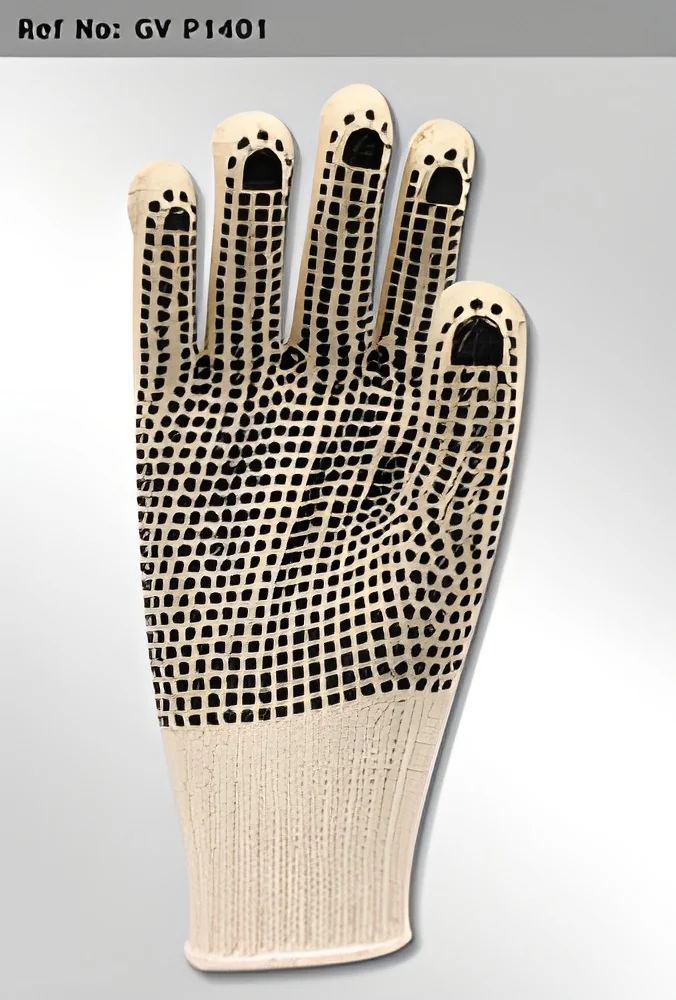

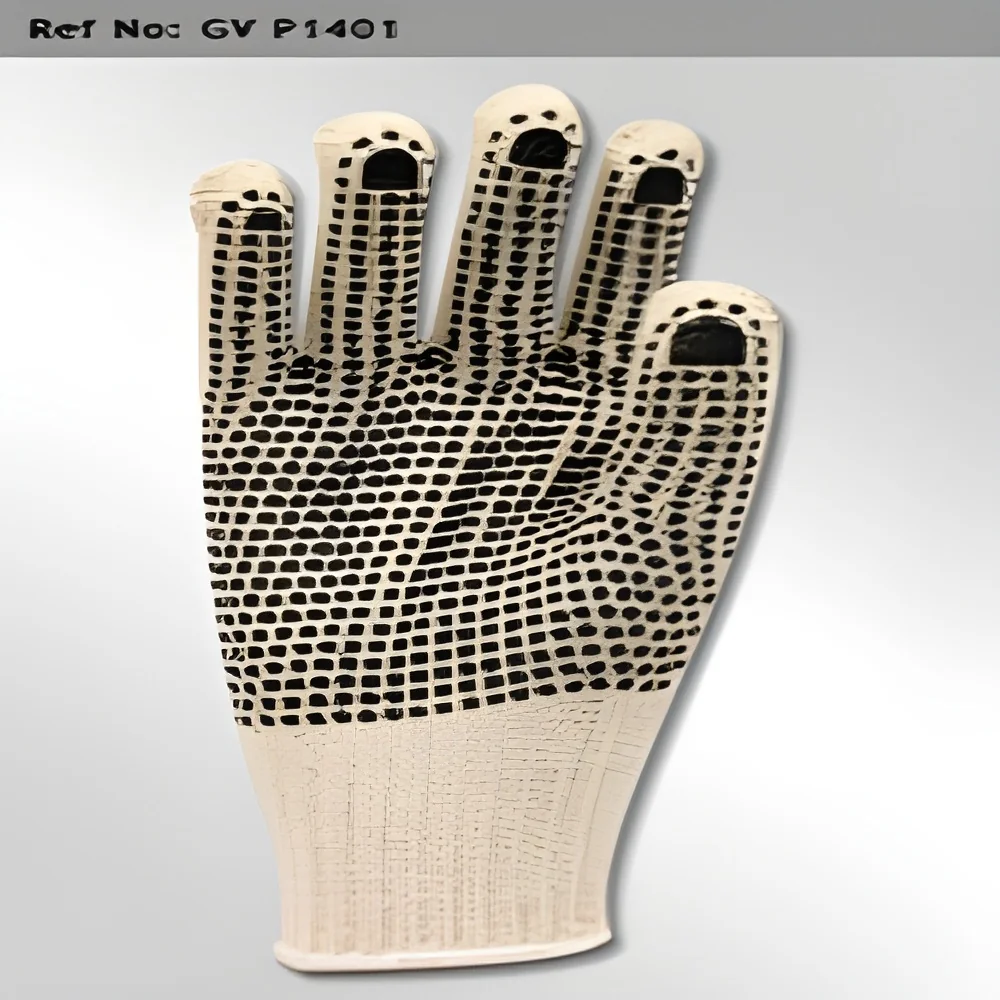 India
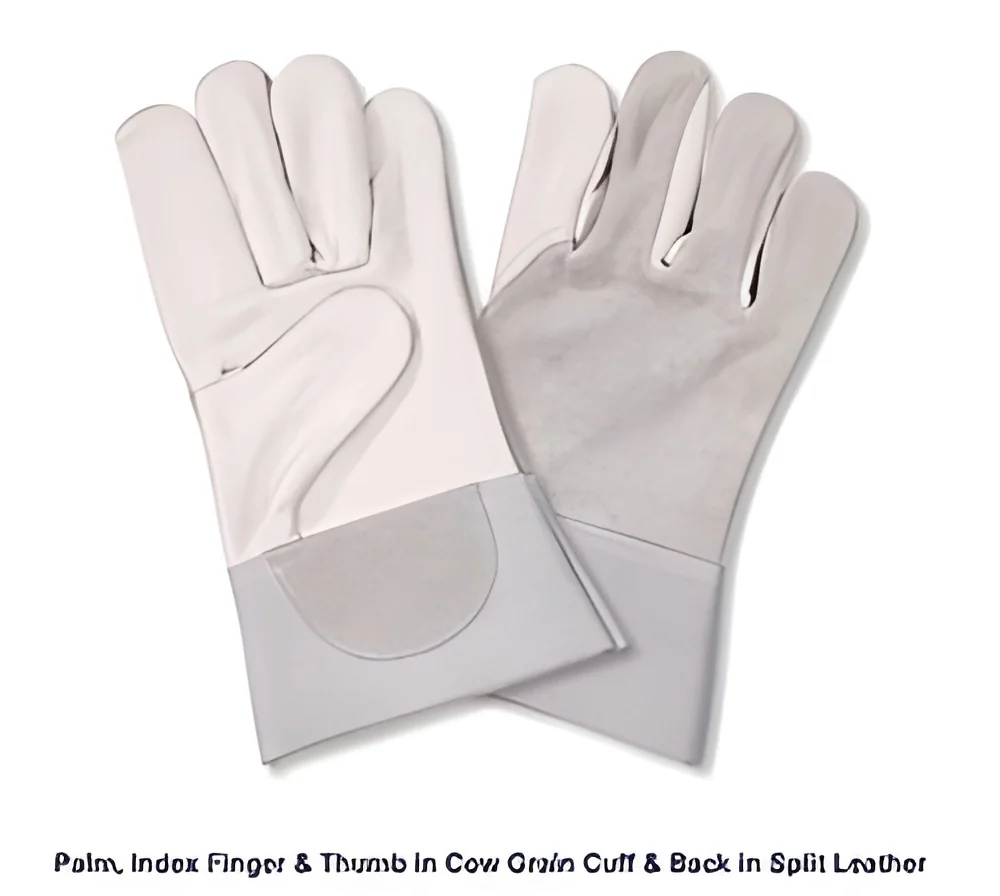
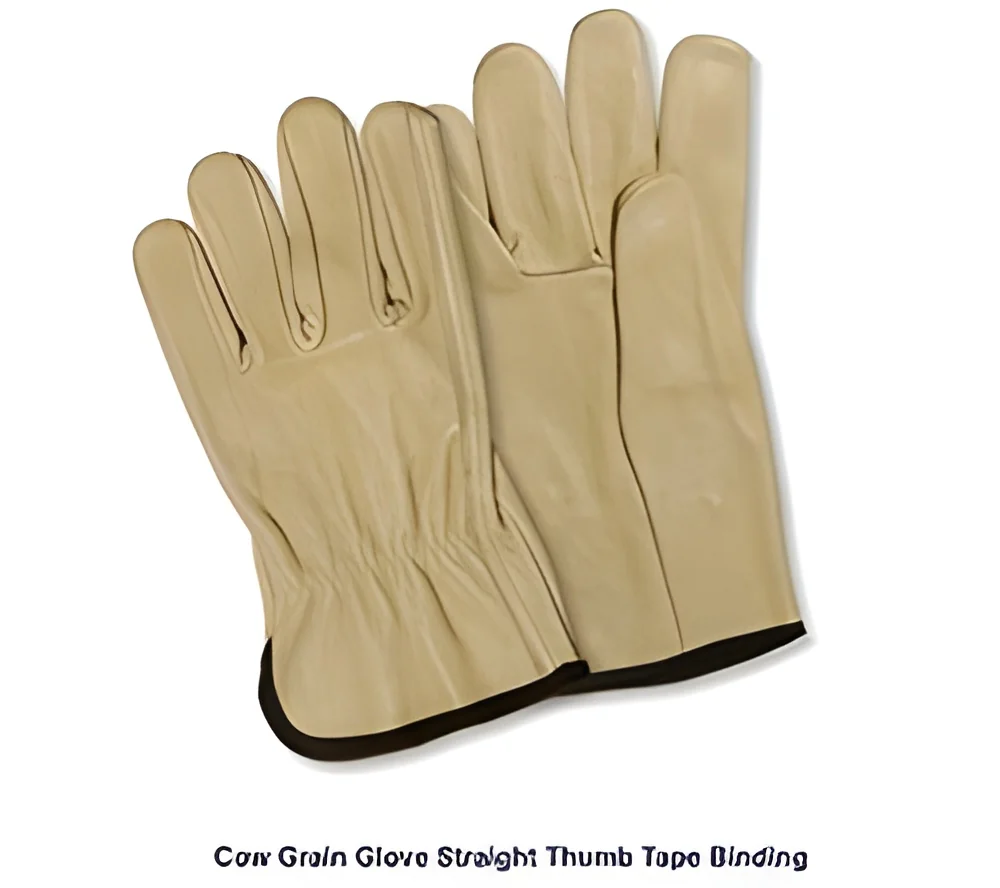
 India
 India

 India
 India
 India
 India
 India

 India

 India


 India
 India
 India
 India
 India


 India
 India

 India
 India
 India
 India
 India
 India
 India
 India




 India
 India

 India


 India
 India

Frequently Asked Questions
What are Safety Gloves (Cut Resistant, Chemical Resistant)?
Safety Gloves (Cut Resistant, Chemical Resistant) are protective handwear designed to safeguard against cuts, abrasions, and exposure to hazardous chemicals. These gloves are essential in various industries such as manufacturing, construction, and chemical processing where hand safety is critical.
What are the different types of Safety Gloves (Cut Resistant, Chemical Resistant)?
The different types of Safety Gloves include cut-resistant gloves made from materials like Kevlar or steel mesh, and chemical-resistant gloves made from latex, nitrile, or PVC. Each type is specifically engineered to offer protection against different hazards, ensuring that workers can safely handle materials in their respective environments.
How do I choose the right Safety Gloves (Cut Resistant, Chemical Resistant)?
To choose the right Safety Gloves, consider the specific hazards of your workplace, the materials you will handle, and the required level of dexterity. Additionally, check for certifications indicating compliance with safety standards, and ensure the gloves fit properly to maximize protection and comfort.
What are the standard specifications for Safety Gloves (Cut Resistant, Chemical Resistant)?
Standard specifications for Safety Gloves typically include cut resistance ratings (such as ANSI/ISEA 105), puncture resistance, and chemical permeability testing. These specifications help in assessing the gloves' effectiveness against specific risks and are crucial for compliance with occupational safety regulations.
What is the price range for Safety Gloves (Cut Resistant, Chemical Resistant)?
The price range for Safety Gloves (Cut Resistant, Chemical Resistant) can vary widely based on the materials, brand, and protective features. Generally, prices may start from as low as INR 100 and can go up to INR 3000 or more for specialized gloves.
What quality standards apply to Safety Gloves (Cut Resistant, Chemical Resistant)?
Quality standards for Safety Gloves include international regulations such as EN 388 for cut resistance and EN 374 for chemical resistance. Compliance with these standards ensures that the gloves have been tested and certified for safety and effectiveness in protecting users from workplace hazards.
Where can I find Safety Gloves (Cut Resistant, Chemical Resistant) suppliers in India?
Safety Gloves suppliers in India can be found through B2B marketplaces like Pepagora, trade shows, and industry-specific directories. These platforms connect buyers with manufacturers and distributors who offer a variety of safety gloves tailored to different industry needs.
Can Safety Gloves (Cut Resistant, Chemical Resistant) be customized?
Yes, many manufacturers offer customization options for Safety Gloves, allowing businesses to specify features such as size, color, and branding. Customization can enhance visibility and ensure that gloves meet the specific requirements of different job functions.
What is the typical minimum order quantity for Safety Gloves (Cut Resistant, Chemical Resistant)?
The typical minimum order quantity (MOQ) for Safety Gloves varies by supplier and can range from 50 to 100 pairs or more. It is advisable to check with individual suppliers for their specific MOQ requirements and options for bulk purchasing.
What is the typical lead time for Safety Gloves (Cut Resistant, Chemical Resistant)?
The typical lead time for Safety Gloves can range from 5 to 30 days, depending on factors such as the supplier's stock availability, customization requests, and shipping methods. It's best to confirm lead times directly with the supplier when placing an order.
Why Businesses Trust Pepagora
Thousands of companies trust Pepagora to source smarter and sell faster
Expand Your Sales Globally

Source Smarter,Grow Faster
